




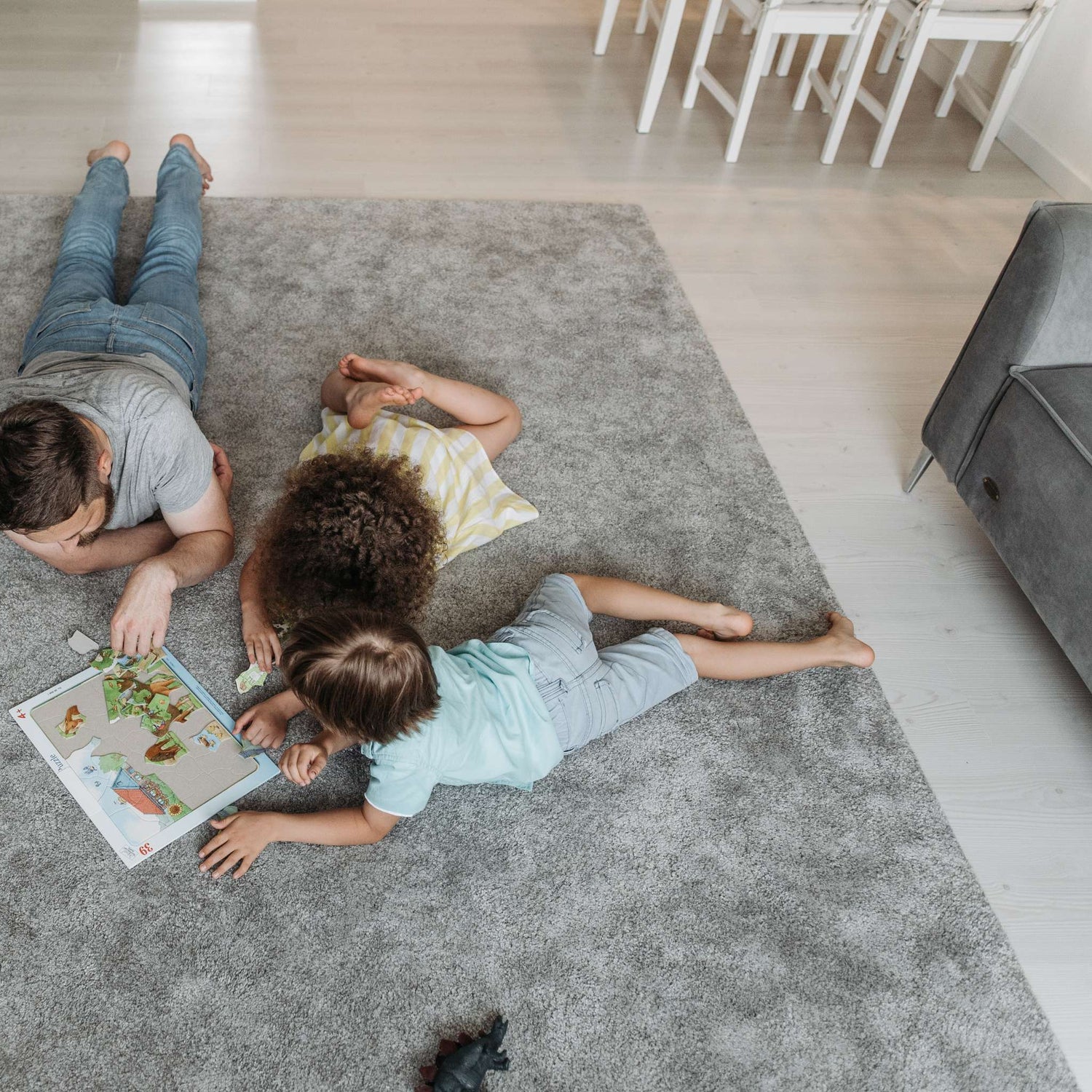
What Kind of Rug Works Best in a Family Home?
A good rug for a family with children should make everyday life easier. It needs to cope with regular foot traffic, stay reasonably stable and have a surface from which crumbs, dust and small pieces of dirt can be removed without excessive effort. At the same time, the rug should feel comfortable and suit the way the room is actually used.
There is no single material or type of rug that works for every family. In a living room, softness and generous sizing may be important. Under a dining table, an even surface and practical maintenance may matter more. In a child’s room, the rug may need to provide a comfortable surface for play while still being easy to vacuum.
A useful starting point is a rug with a relatively even surface, a stable construction and clear product-specific care instructions. Size, colour, pattern, edges, weight and the possible need for an anti-slip underlay also affect how well the rug works in daily use.
Begin with the Room and Its Actual Use
Before comparing materials, consider what will happen on and around the rug. A family living-room rug may serve as a play area, a comfortable place to sit and an element that brings the furniture together. A dining-room rug is likely to encounter crumbs, spills and moving chairs. In a child’s room, comfort and easy vacuuming may be the main priorities.
Ask yourself:
- Which room will the rug be used in?
- How much foot traffic does the room receive?
- Will children play on the rug every day?
- Will food or drinks be consumed nearby?
- Are outdoor shoes worn in the space?
- Are there pets in the household?
- Will the rug be cleaned with a conventional or robot vacuum?
- Can the rug be moved when deeper cleaning is needed?
- What type of rug maintenance is realistic in your household?
Once the actual use is clear, it becomes easier to narrow down the options. For example, a light-coloured, soft, deep-pile rug may look inviting, but it can require more maintenance beneath a dining table than a flatter, more tightly constructed rug.
The Rug’s Surface Structure Makes a Difference
The surface construction often affects everyday maintenance more than the name of the material alone. The same fibre can be used to create flat, firm rugs as well as thick, soft and deep-pile designs.
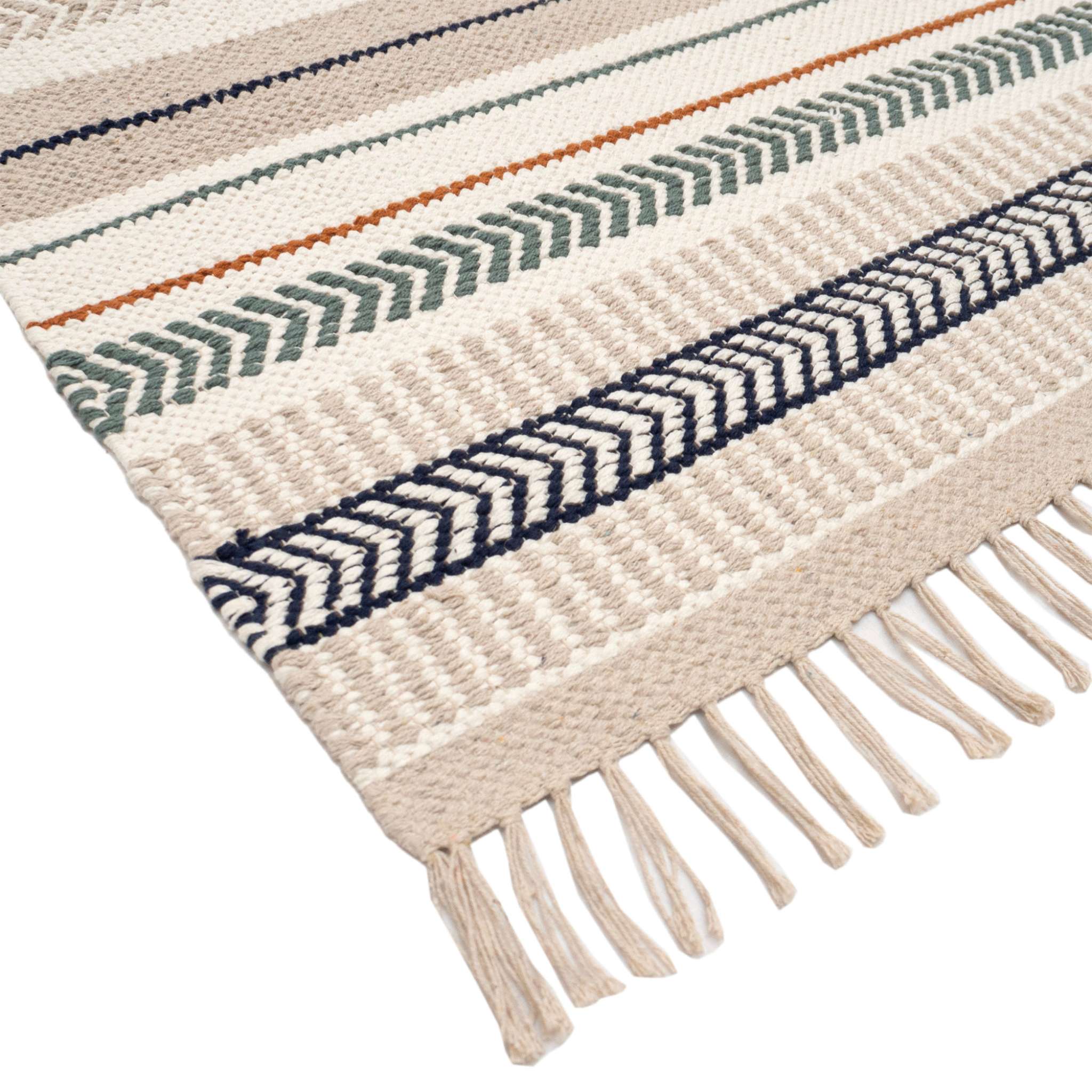
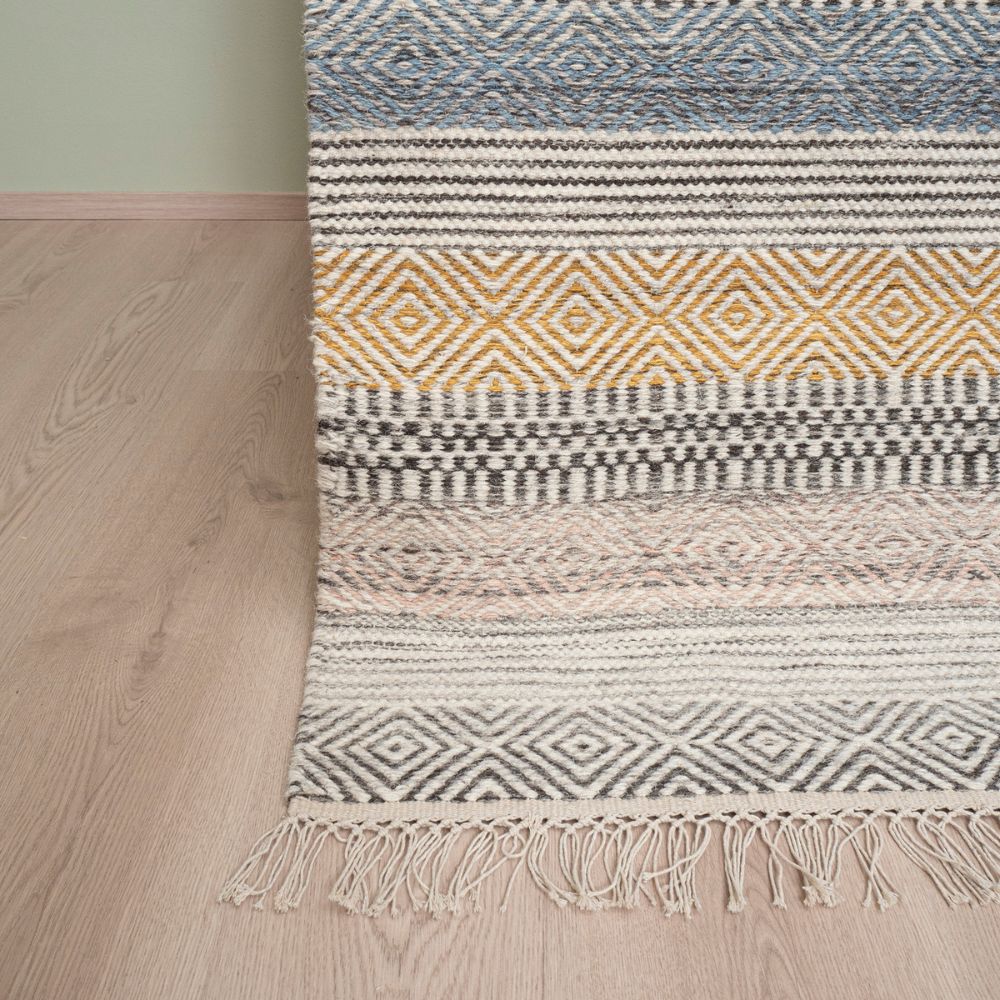
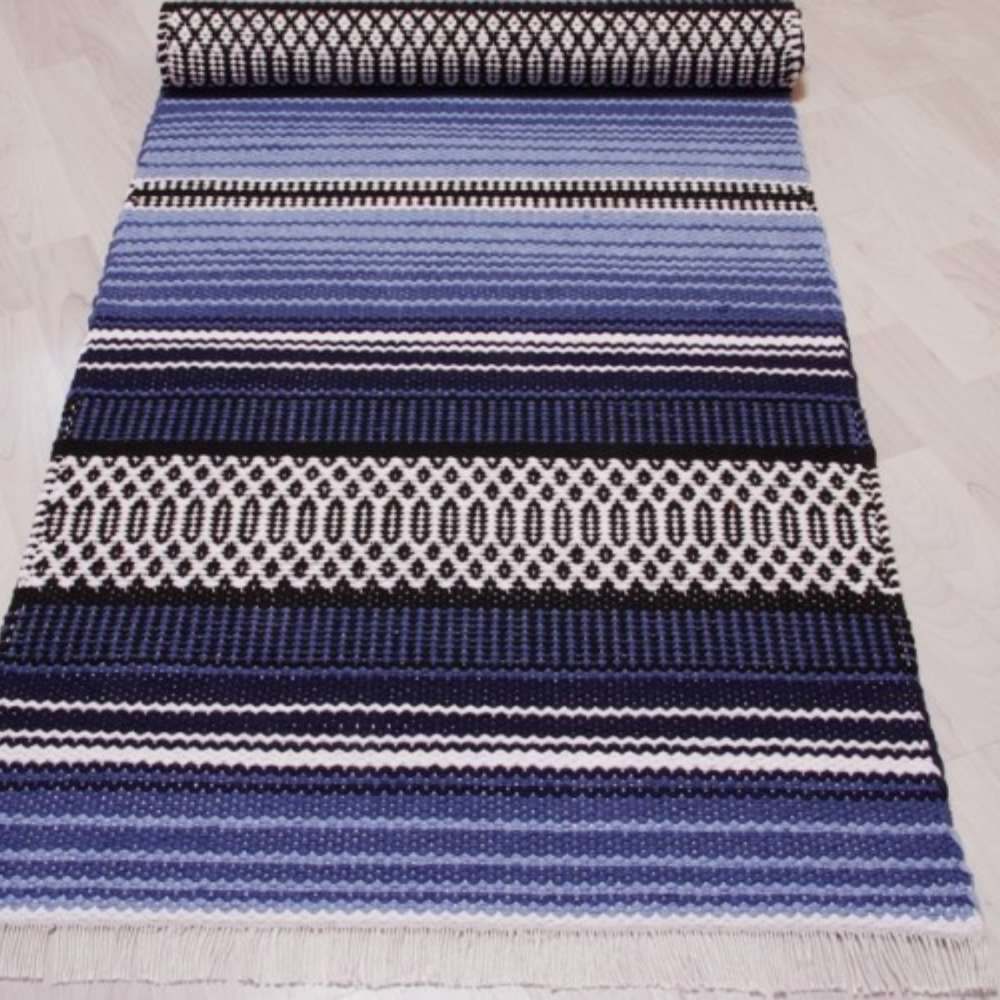
Flatwoven rugs
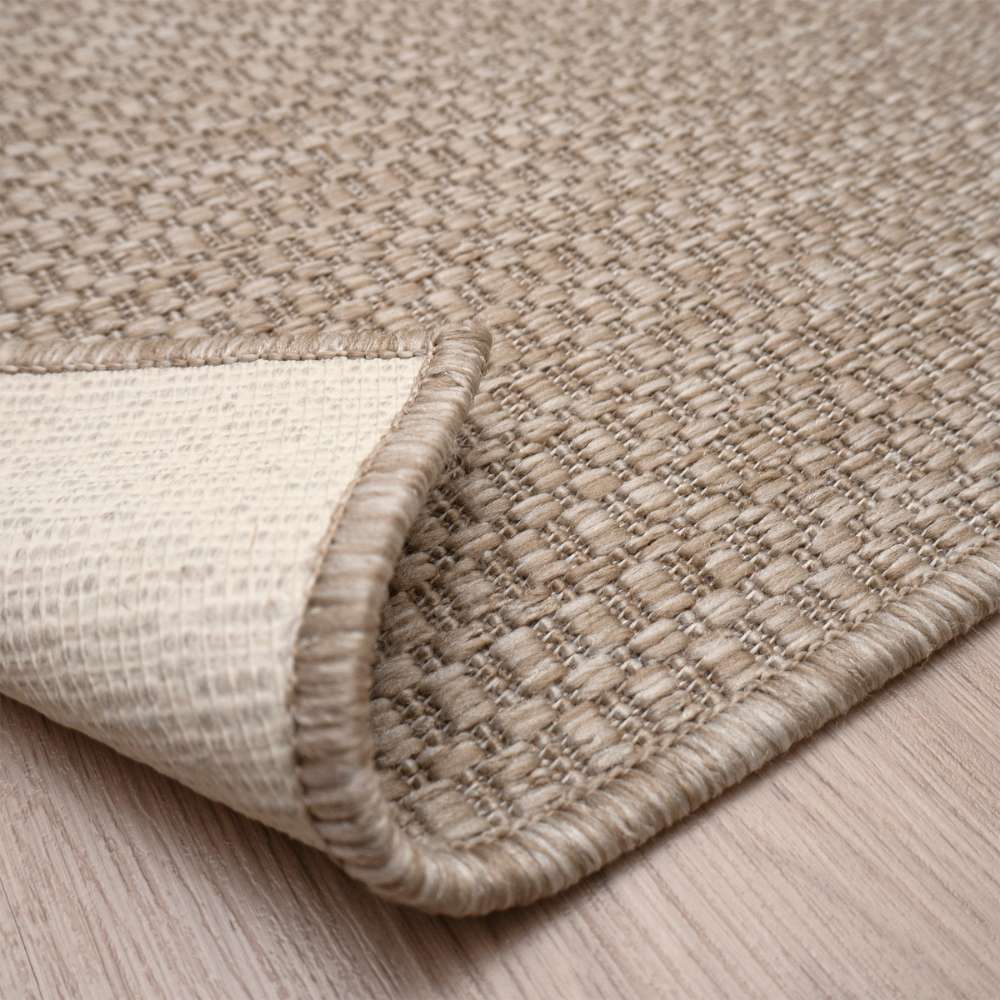
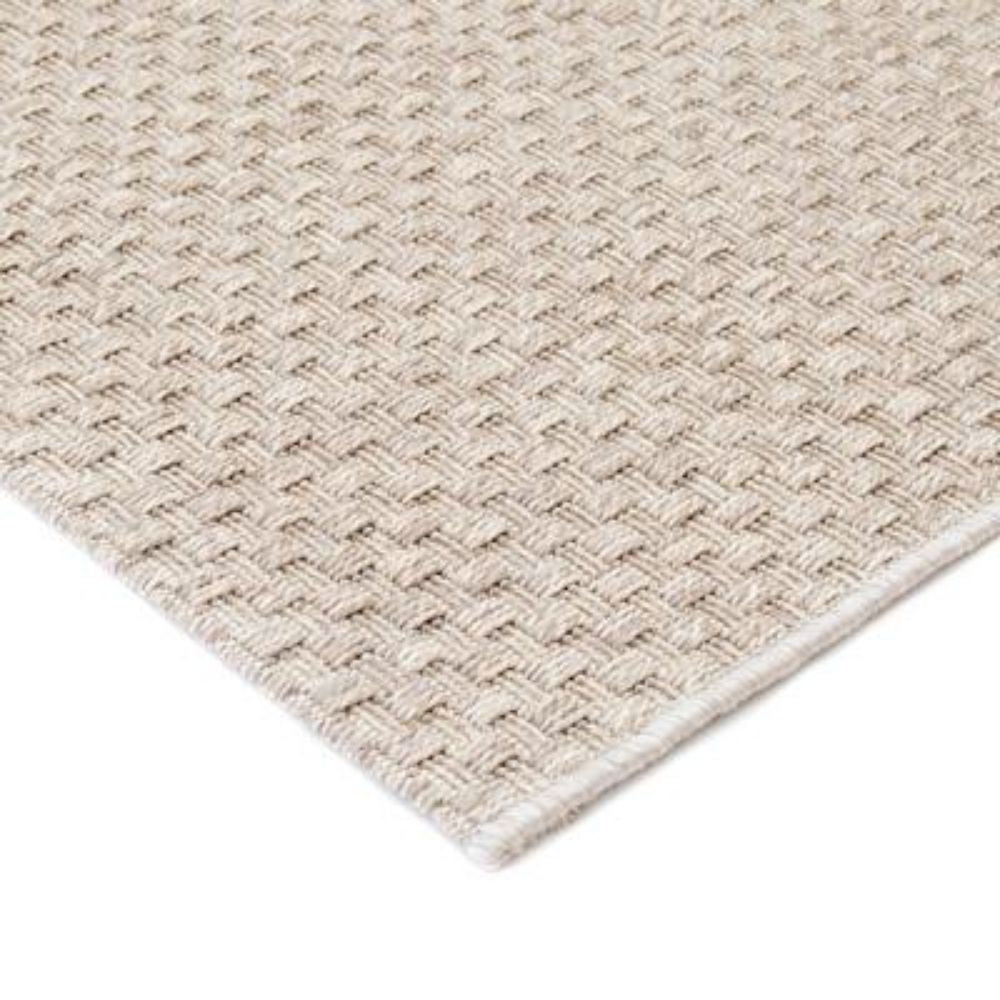
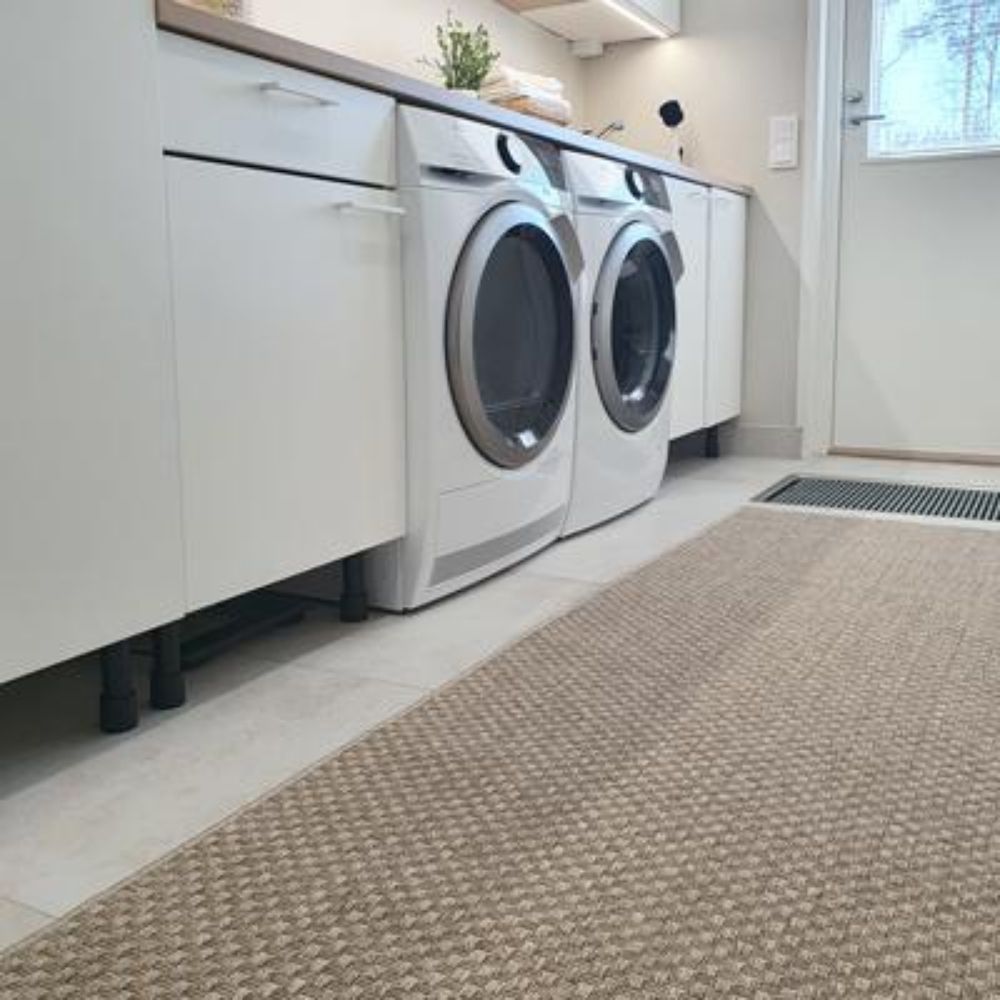
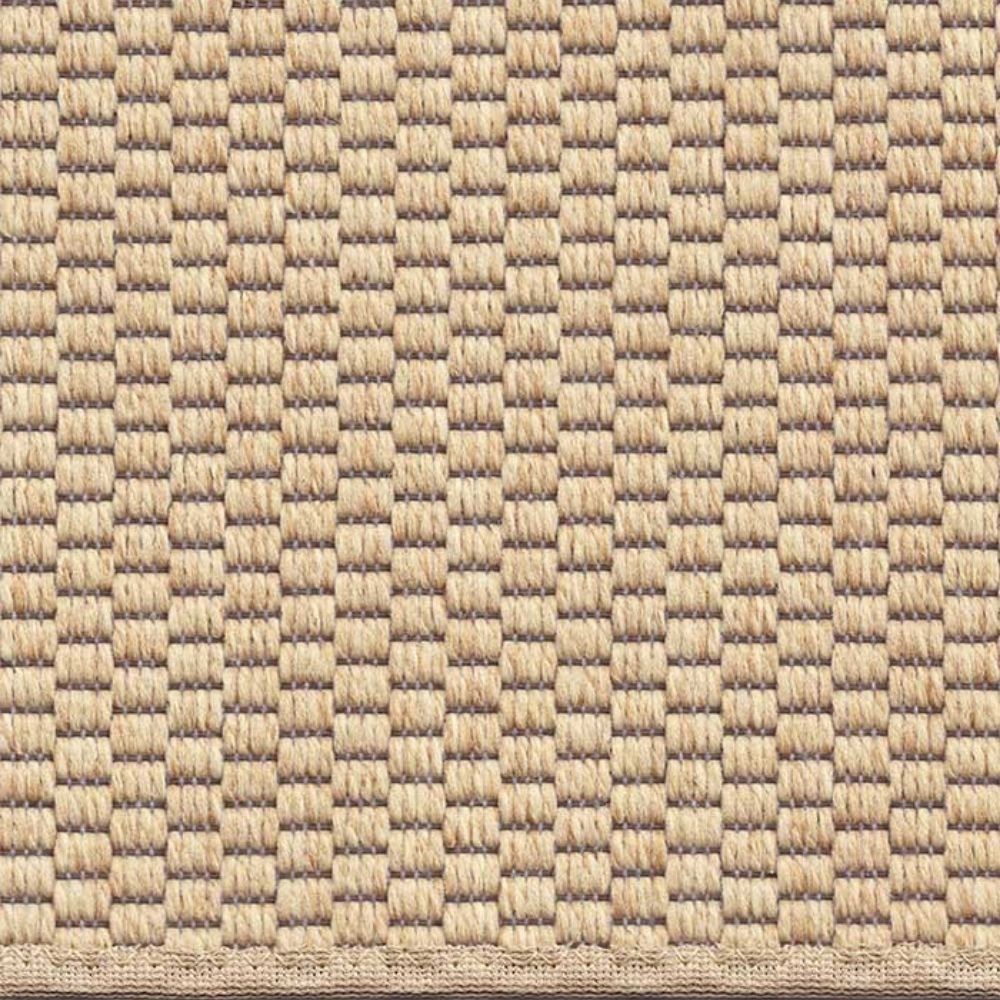
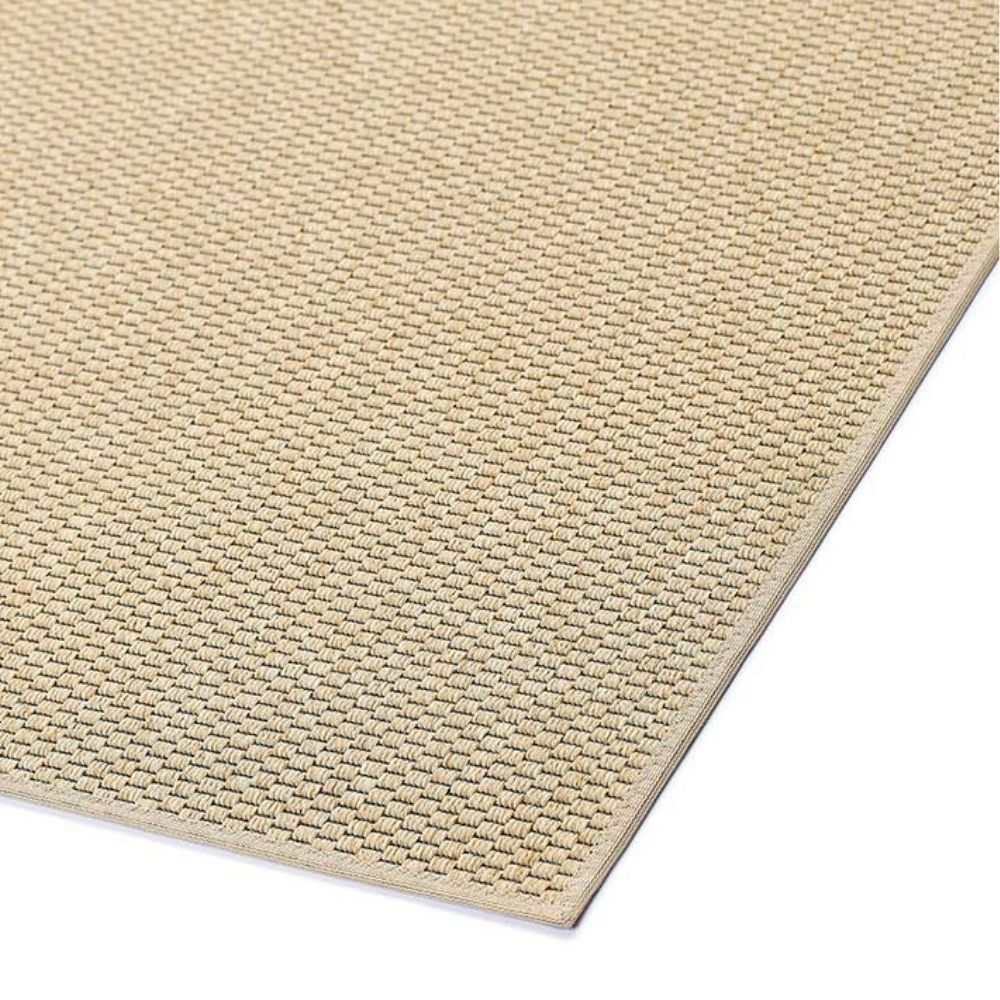
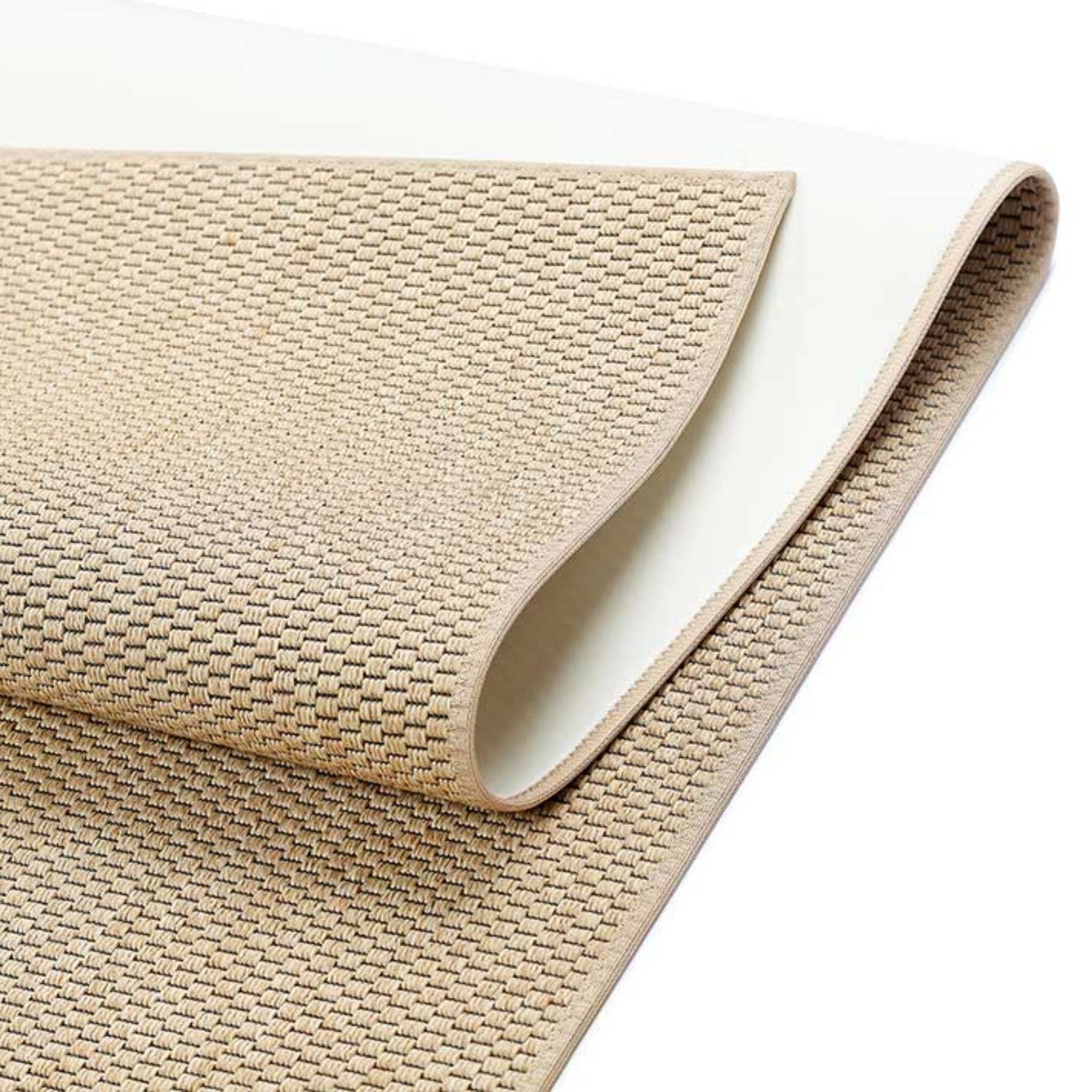
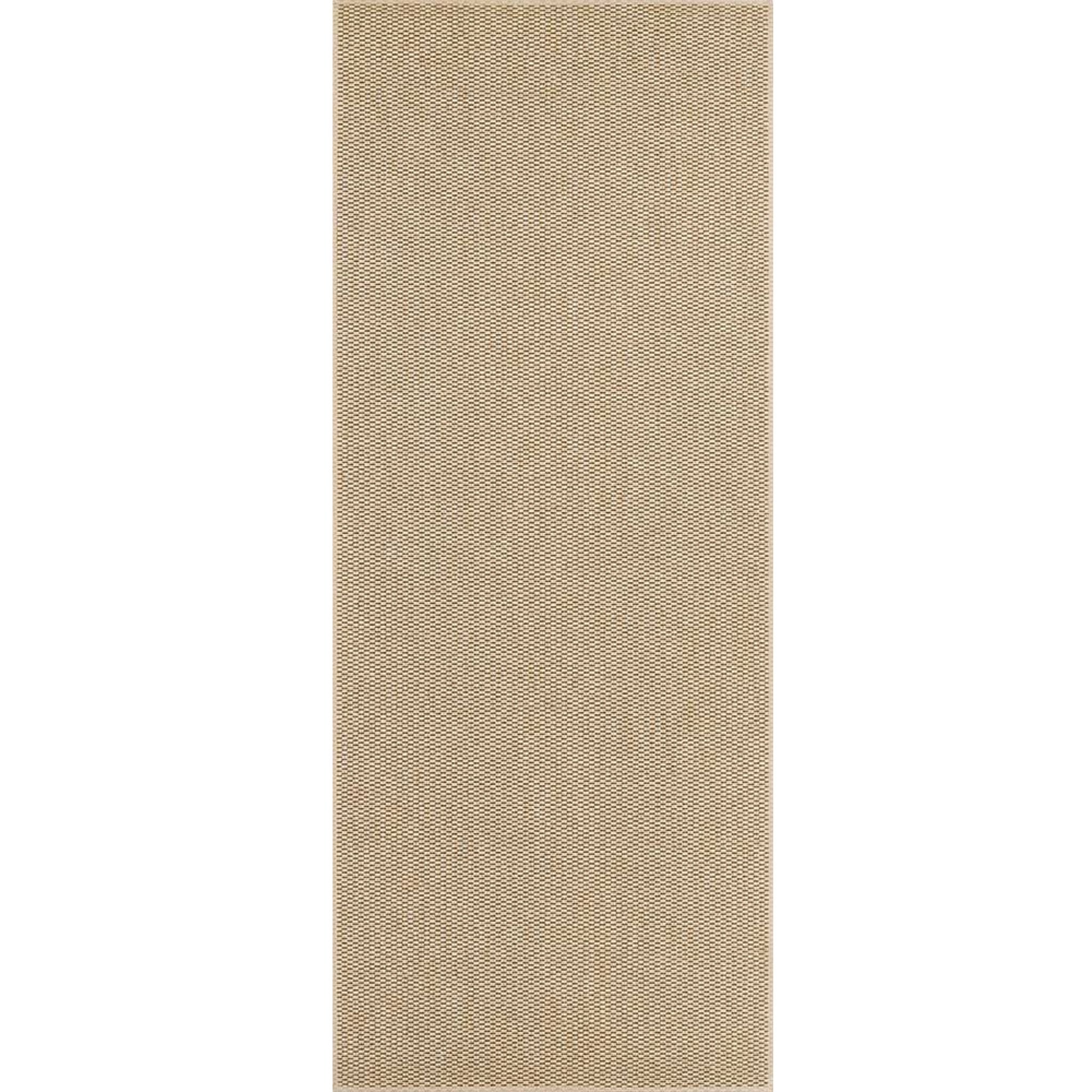
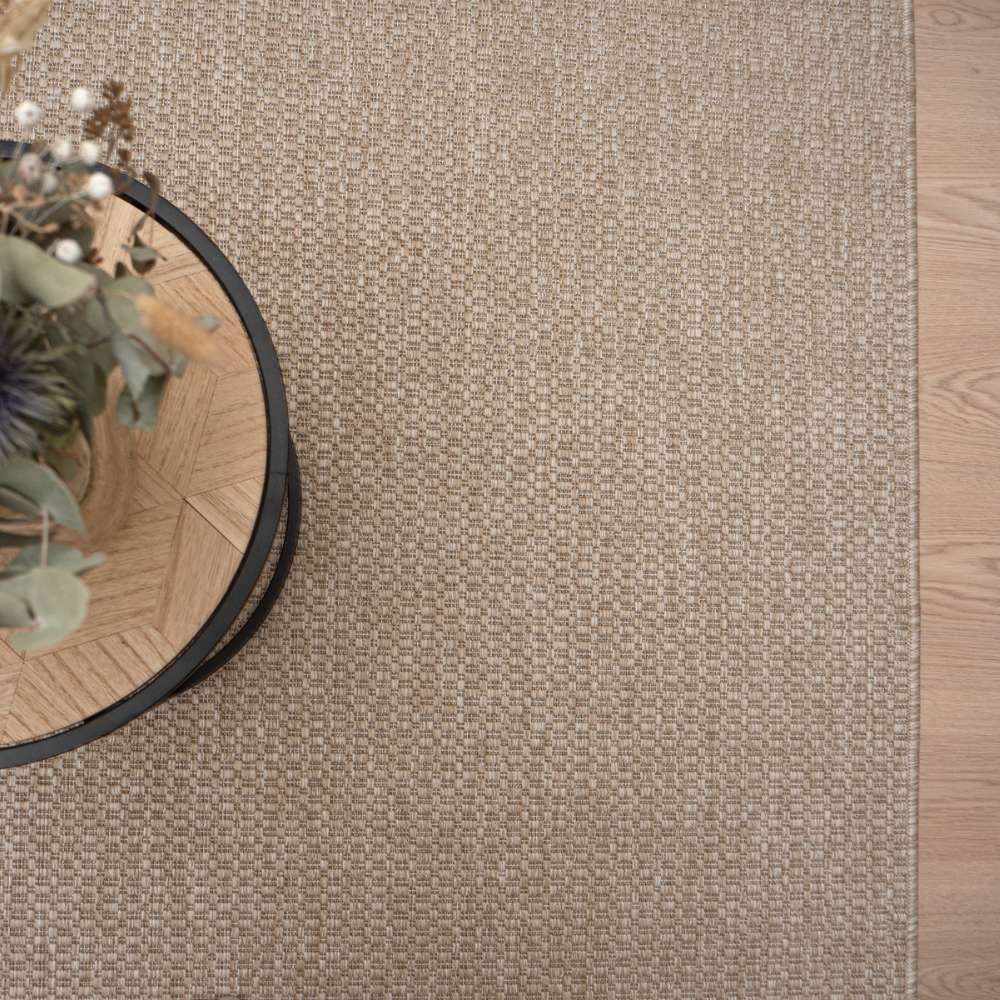
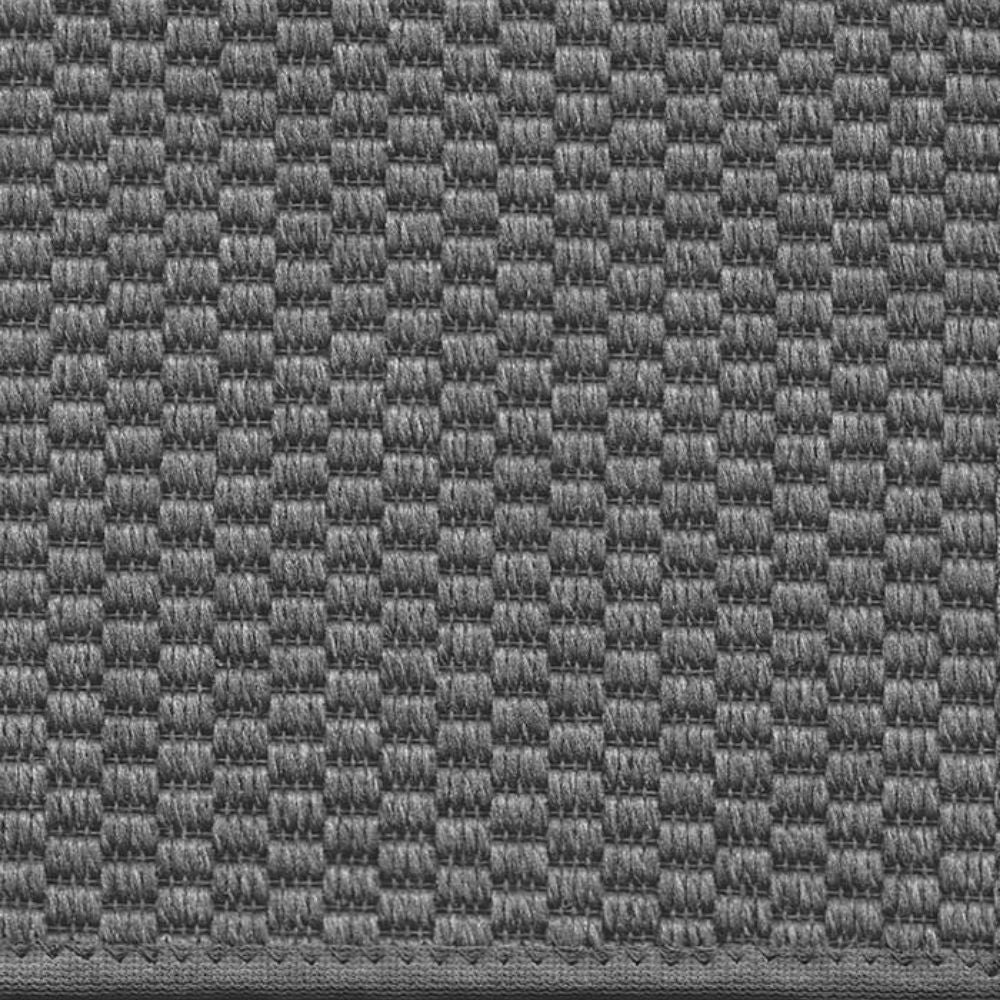
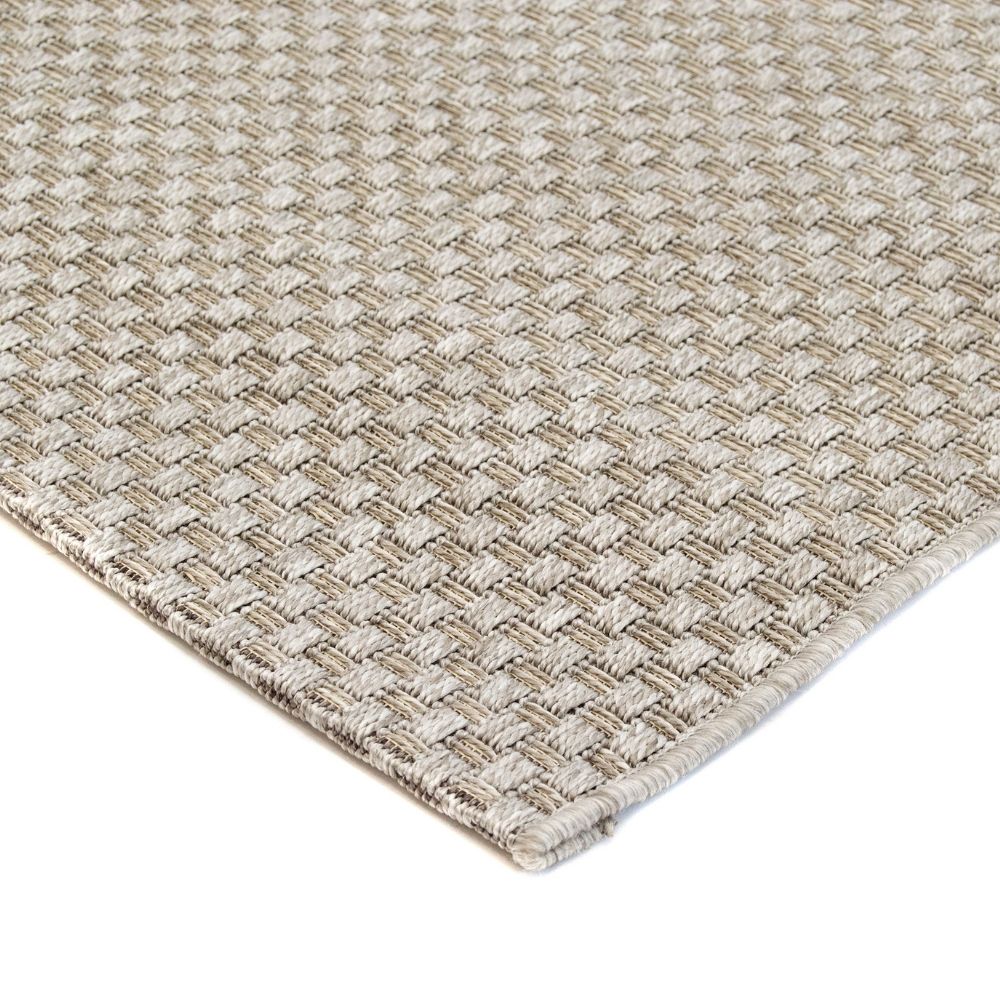
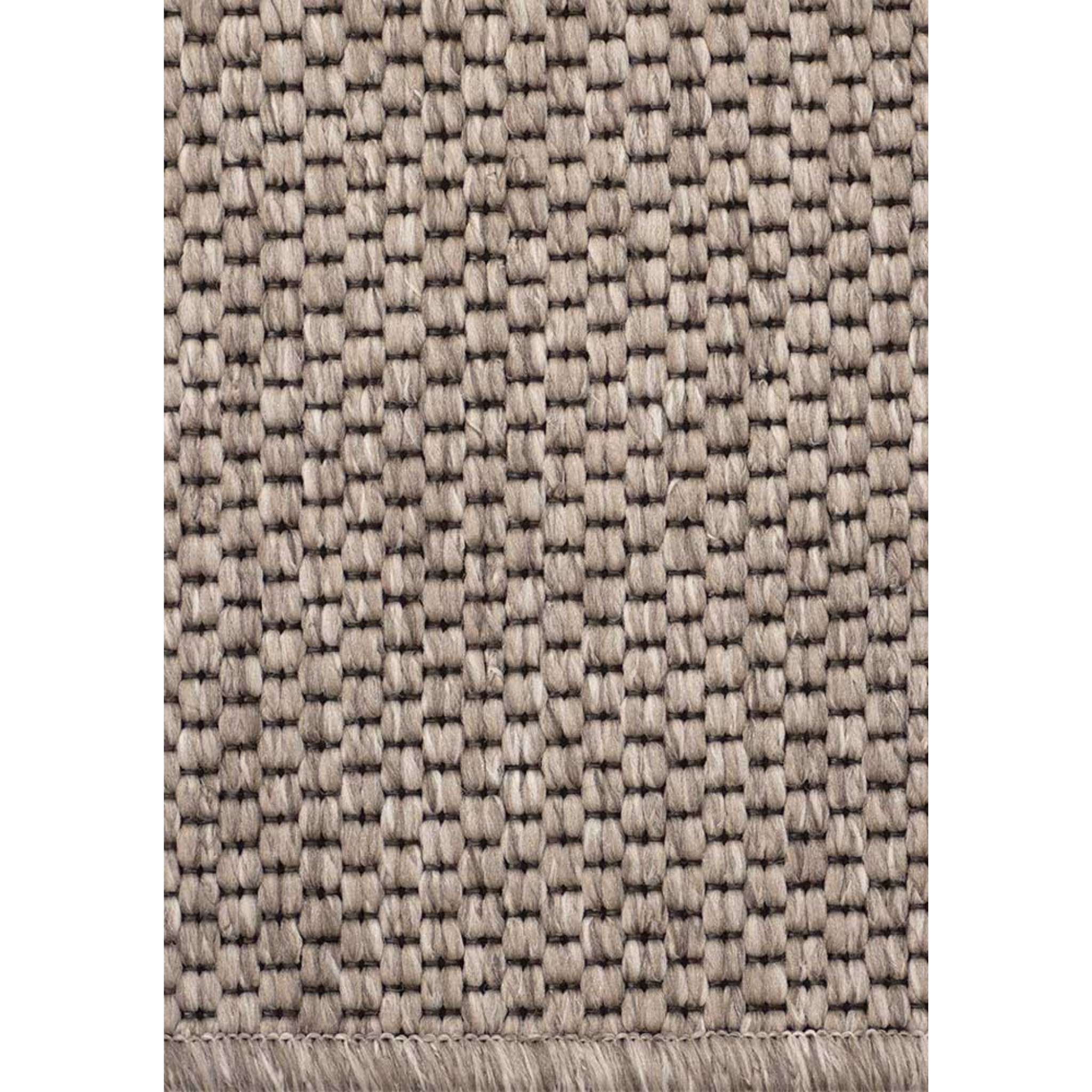
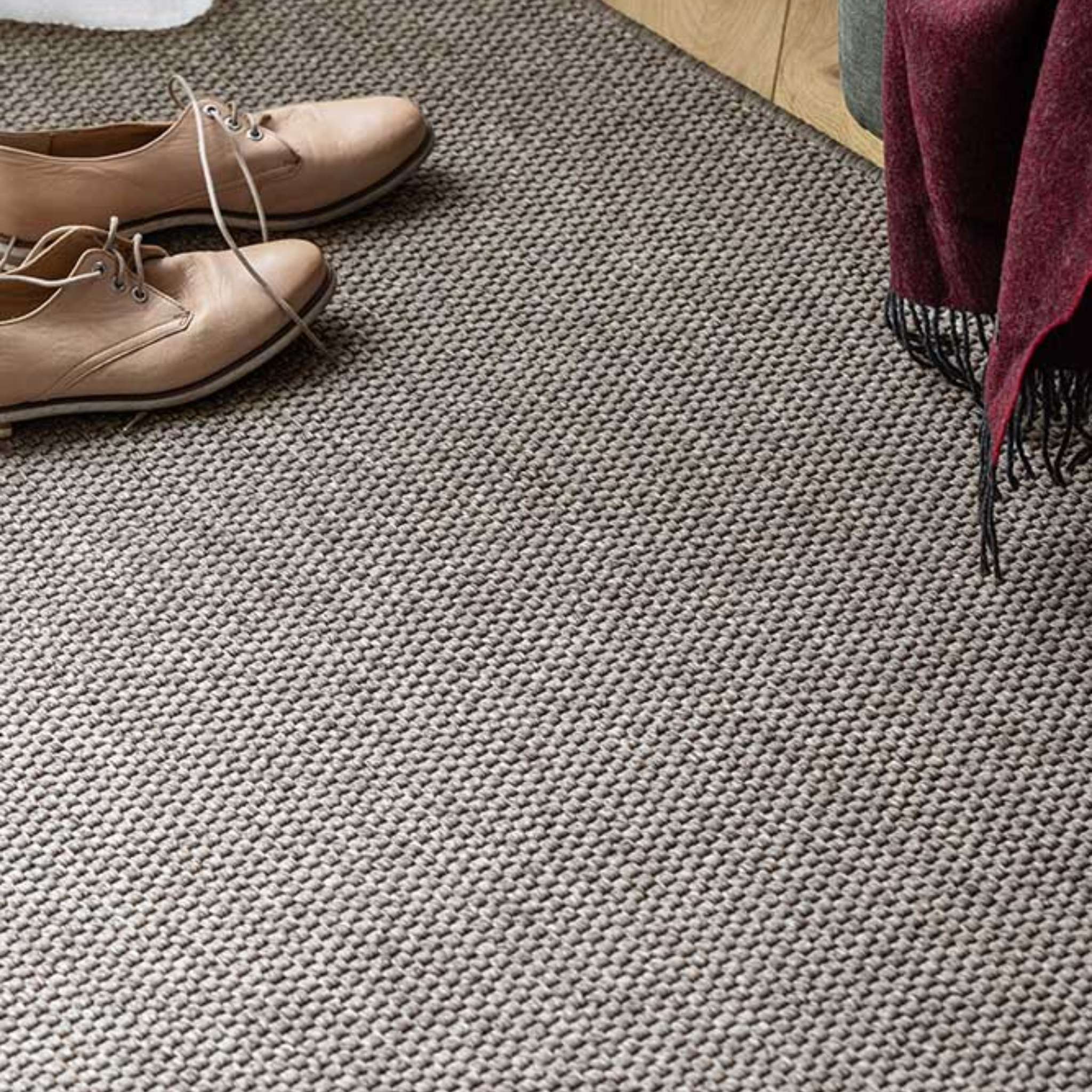
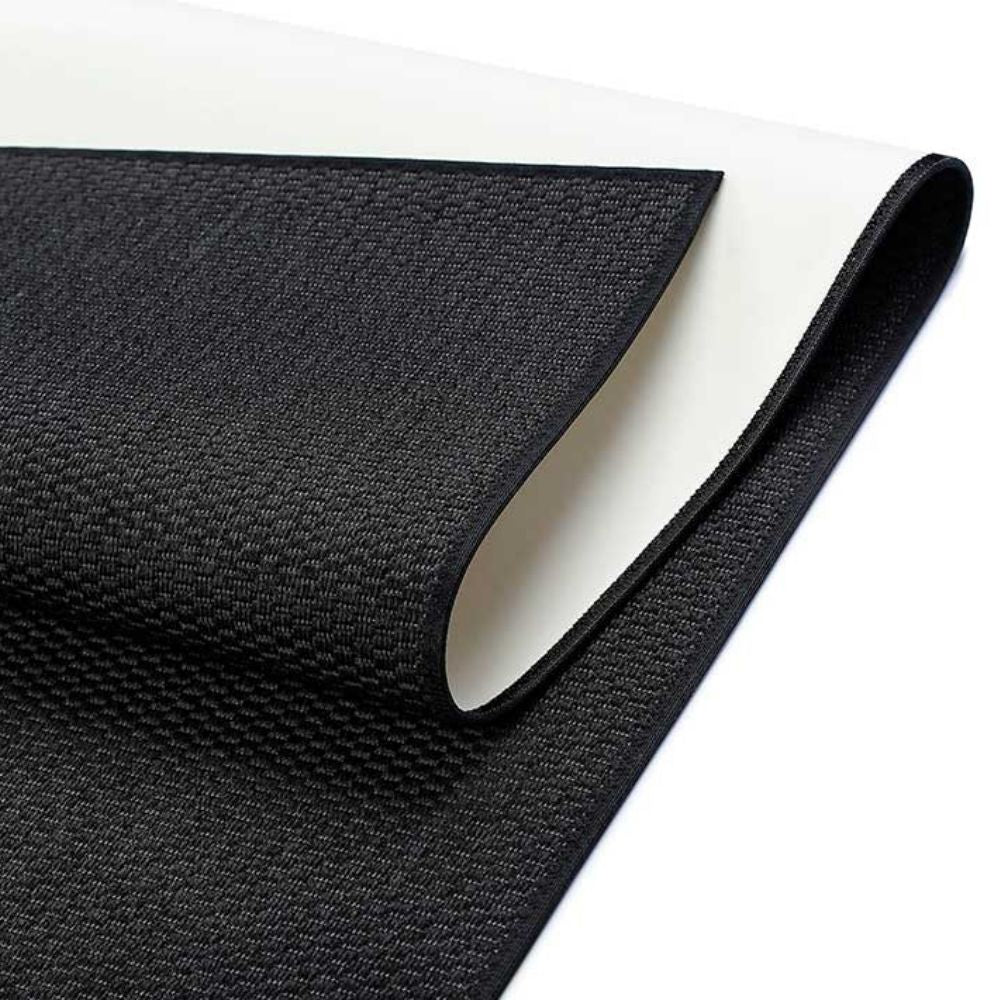
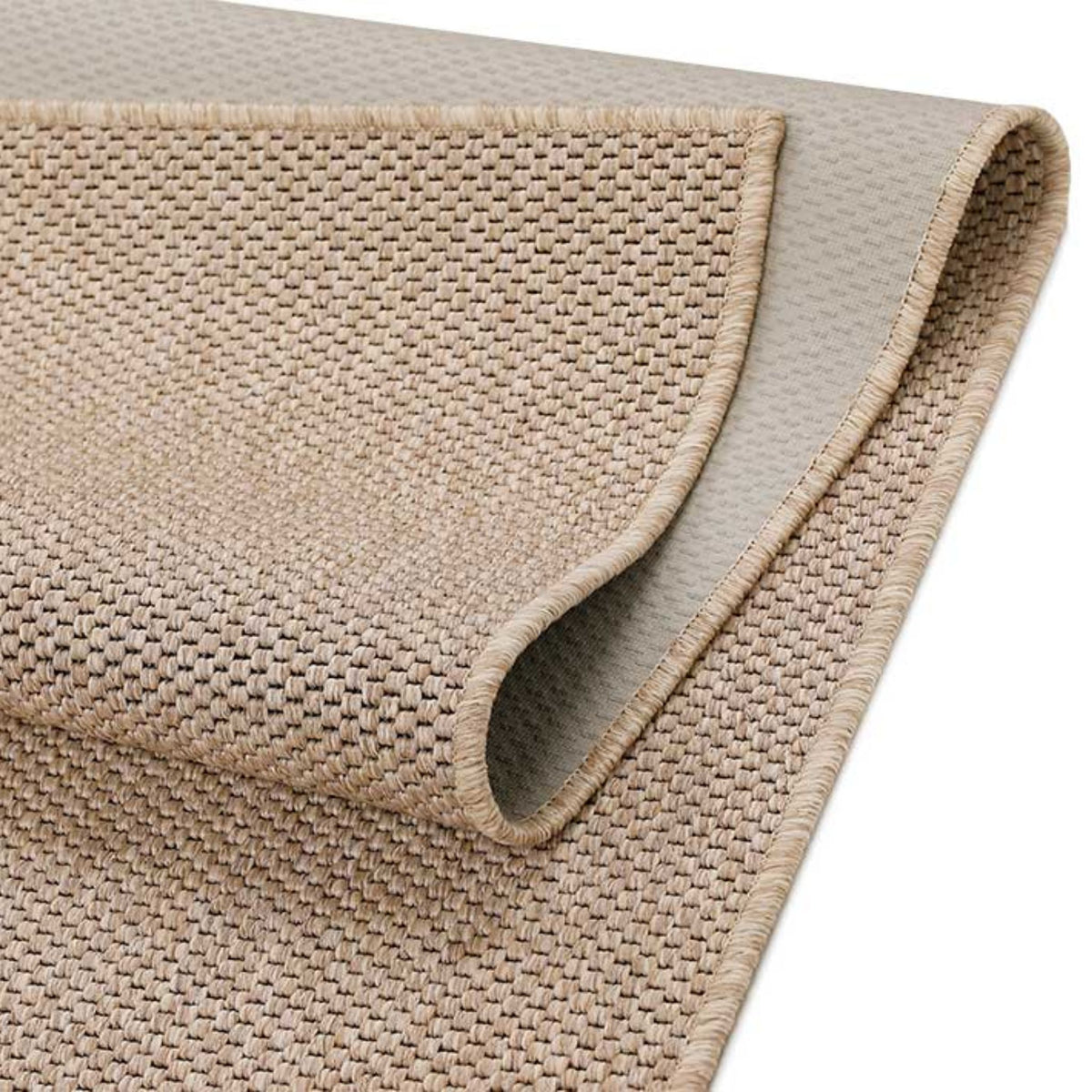
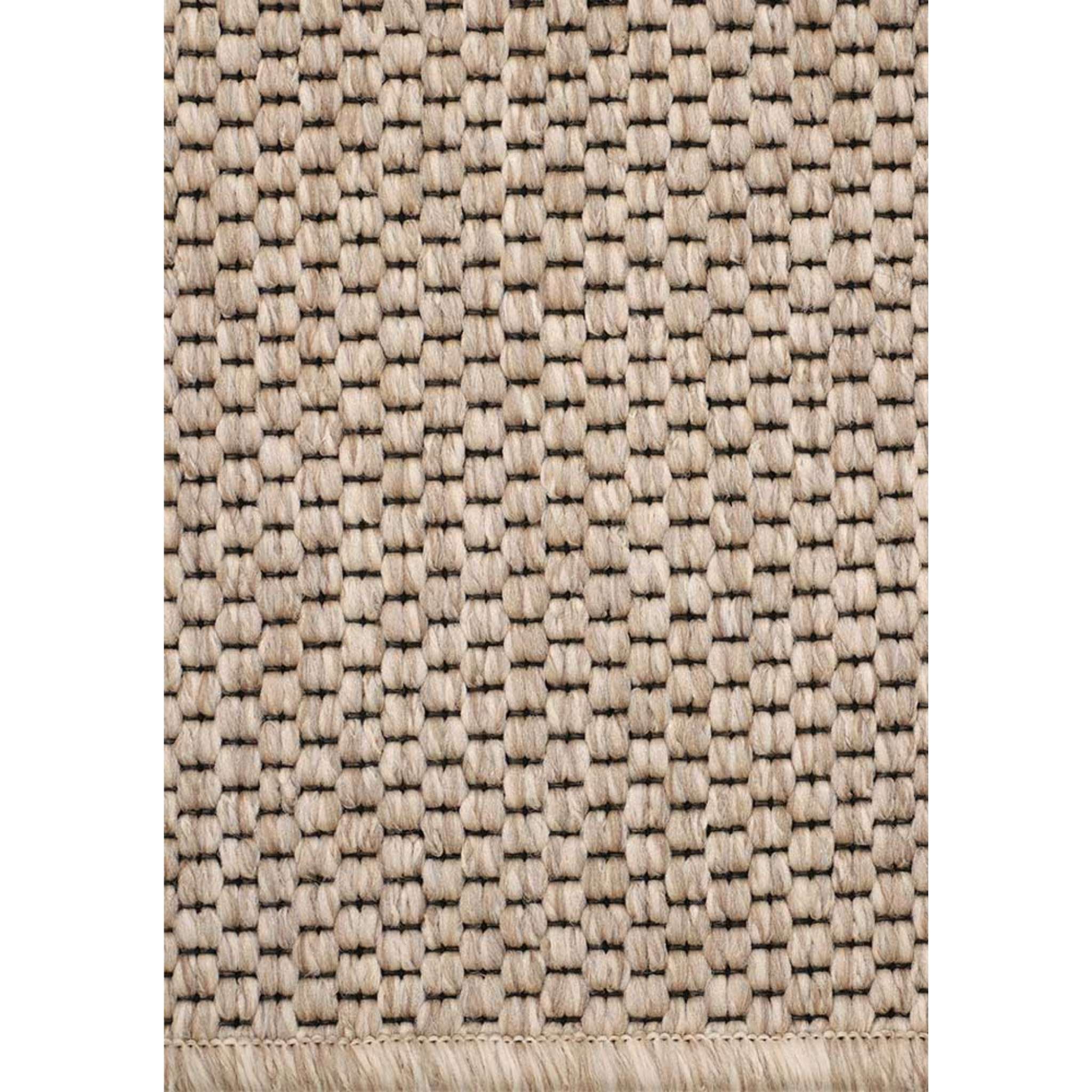
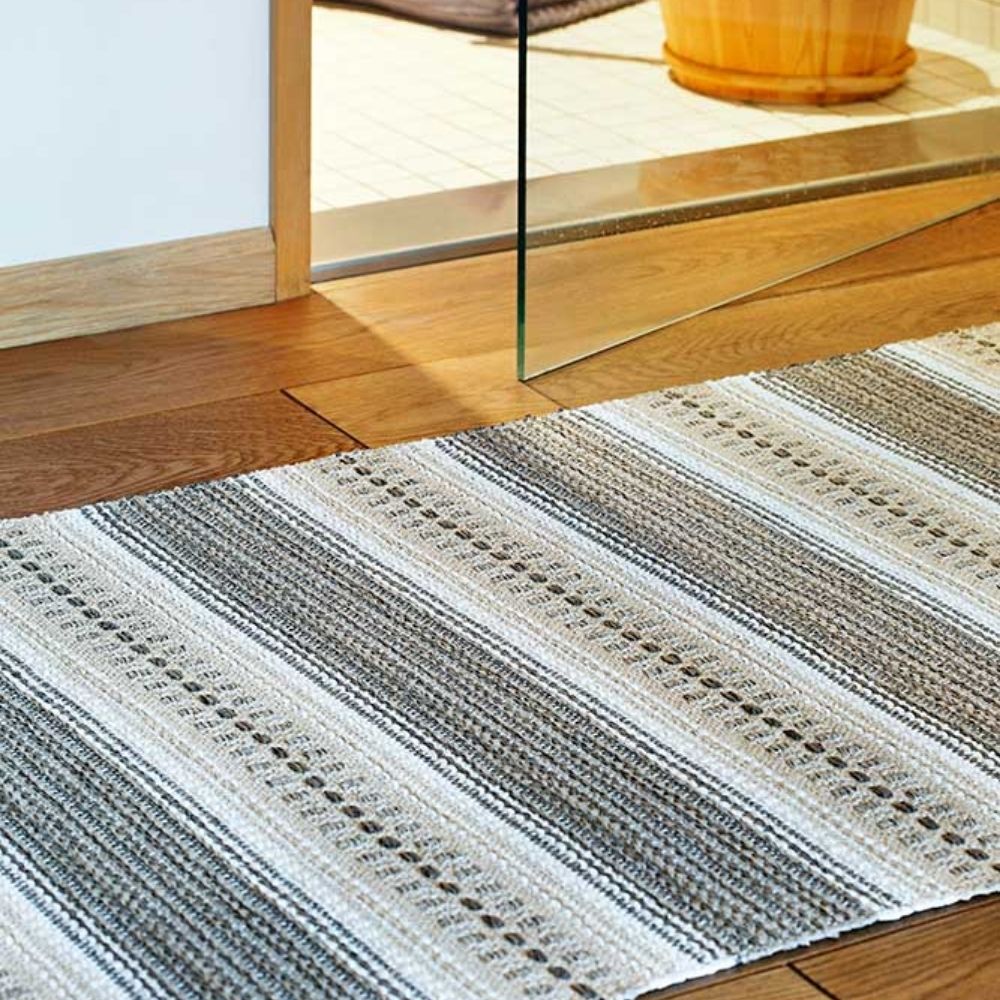
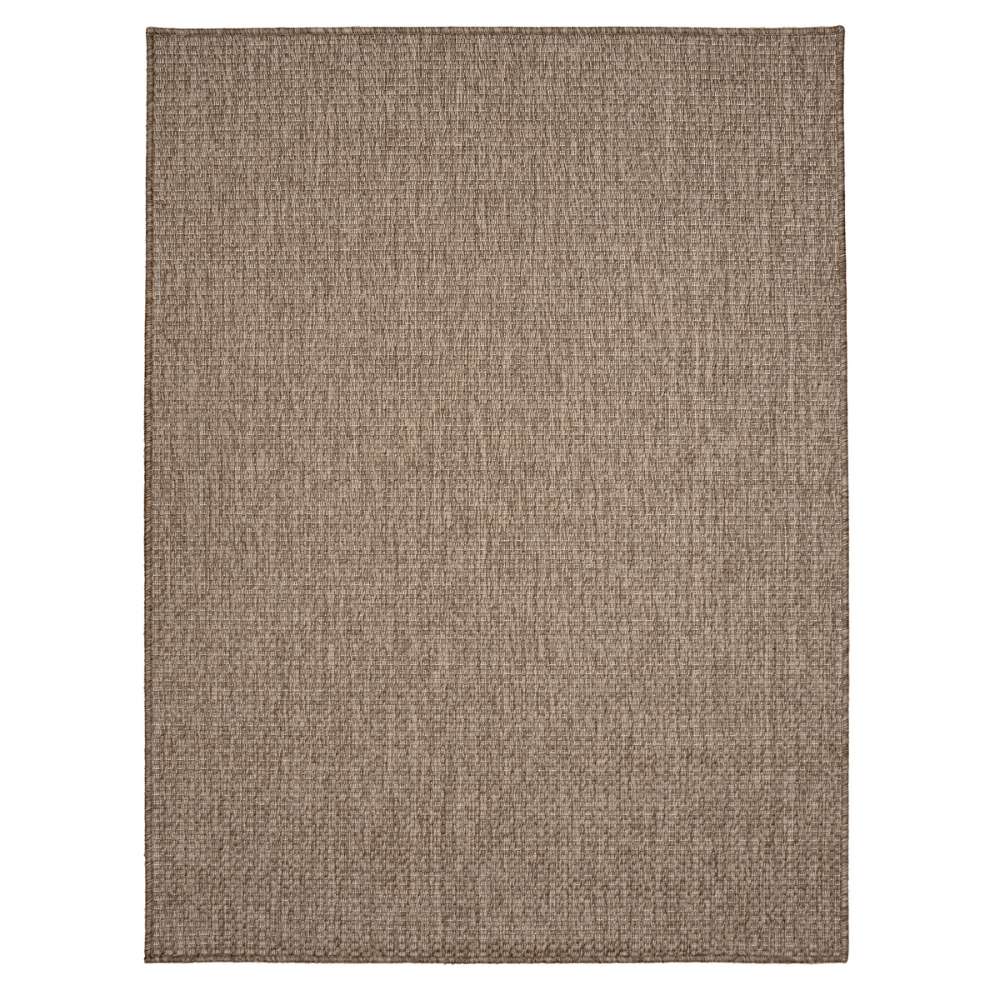
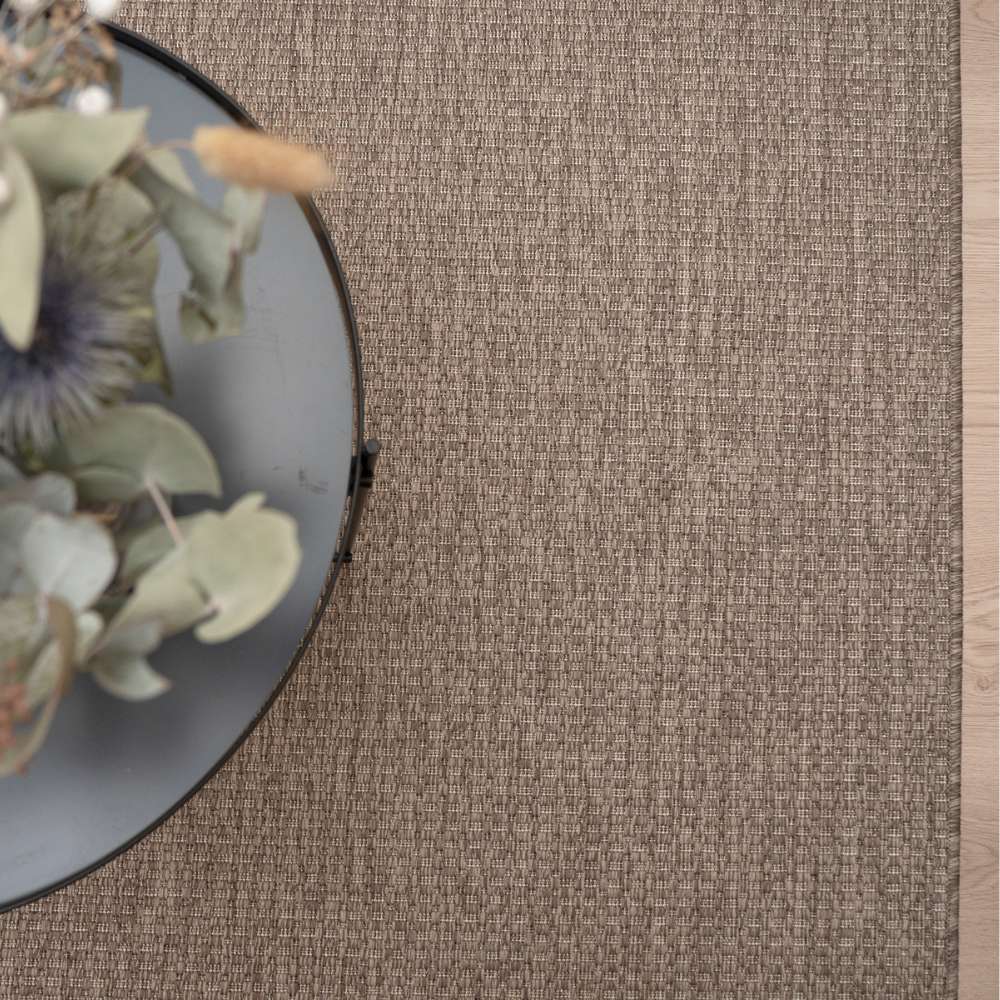
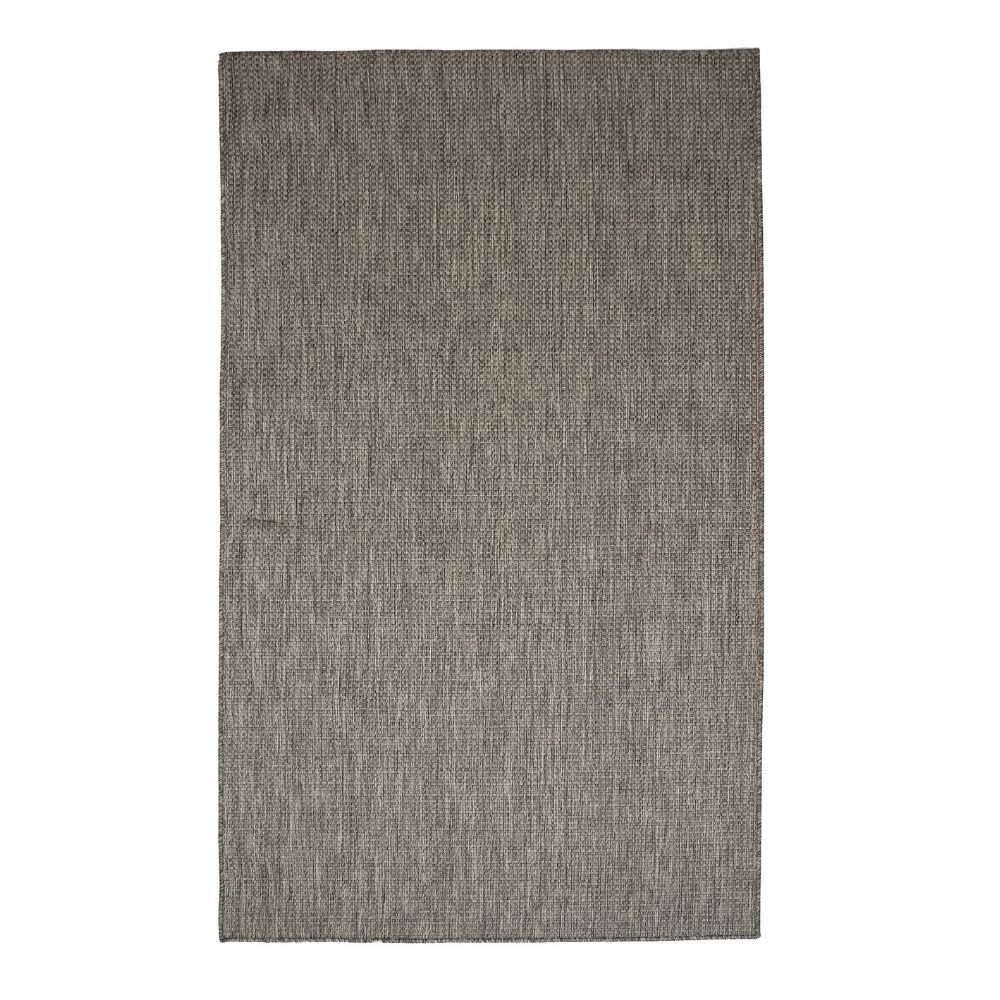
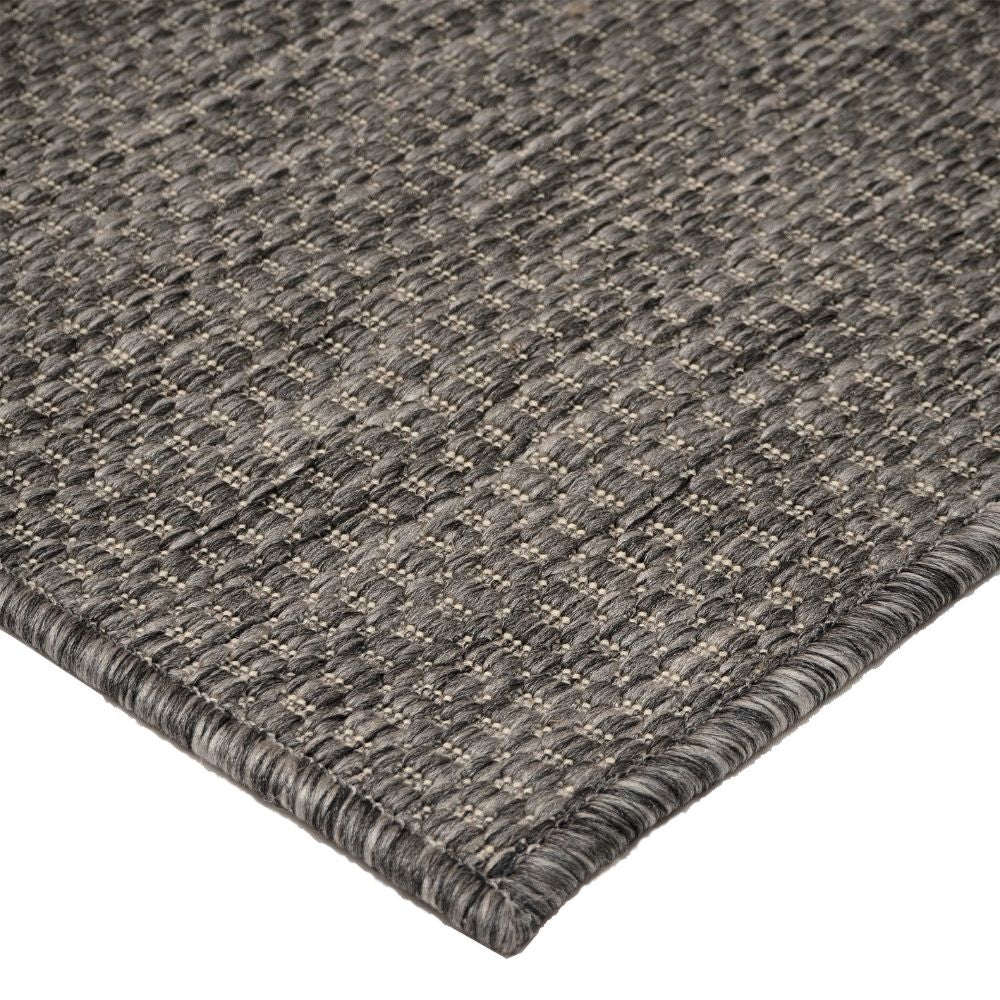
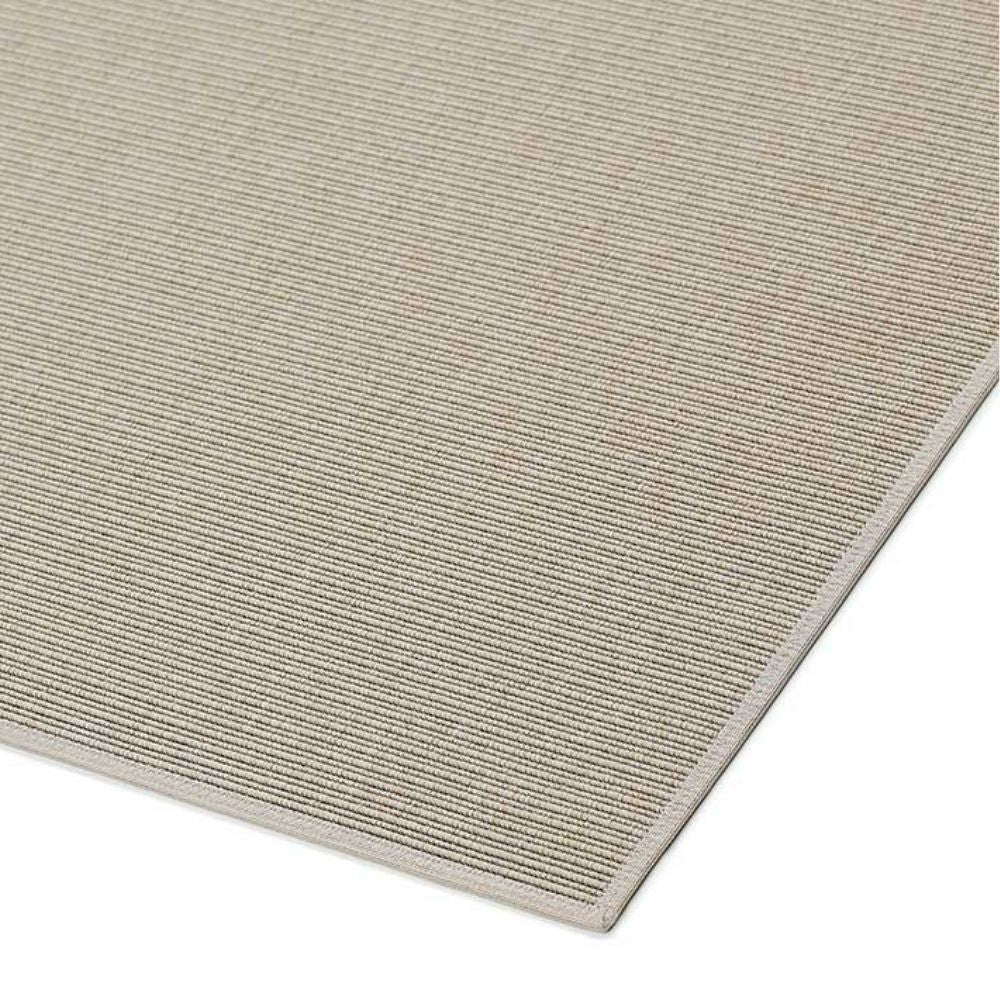
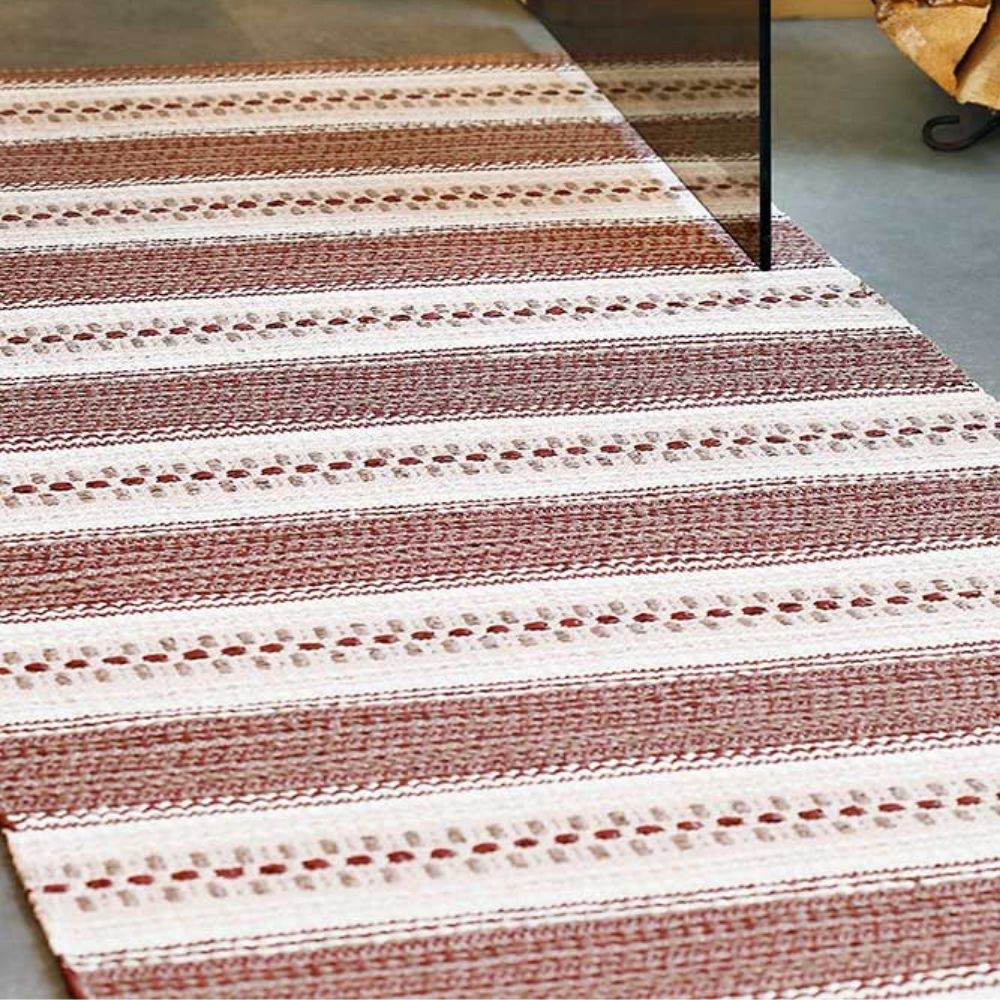
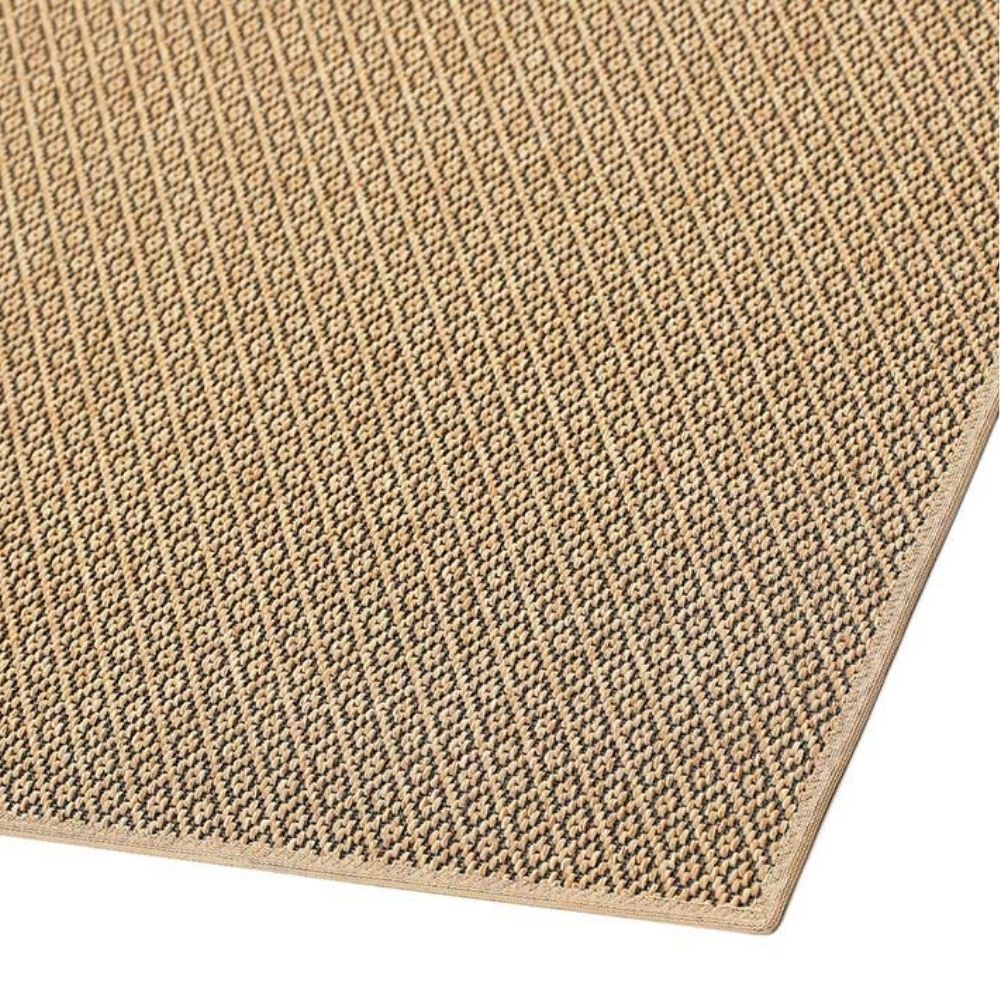
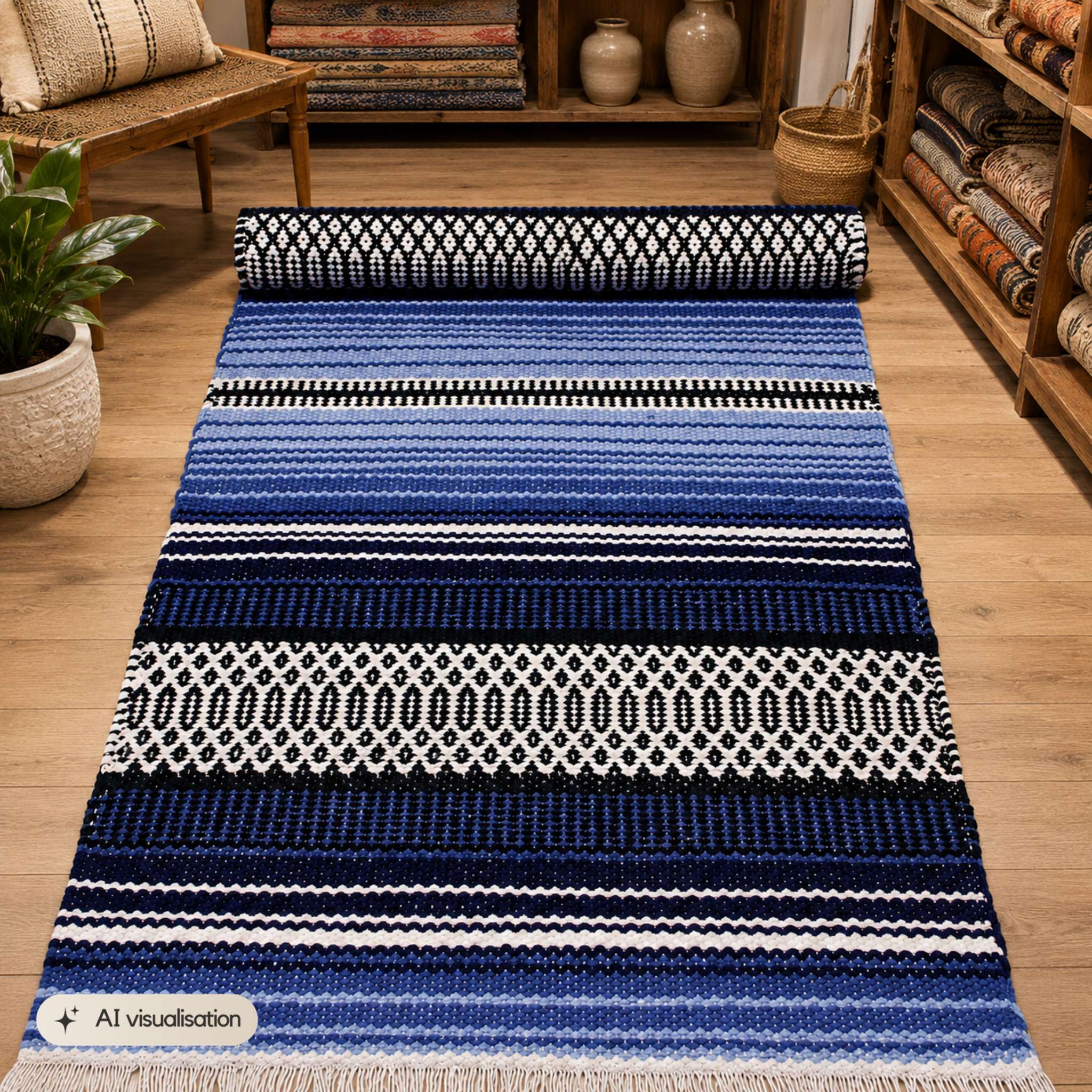
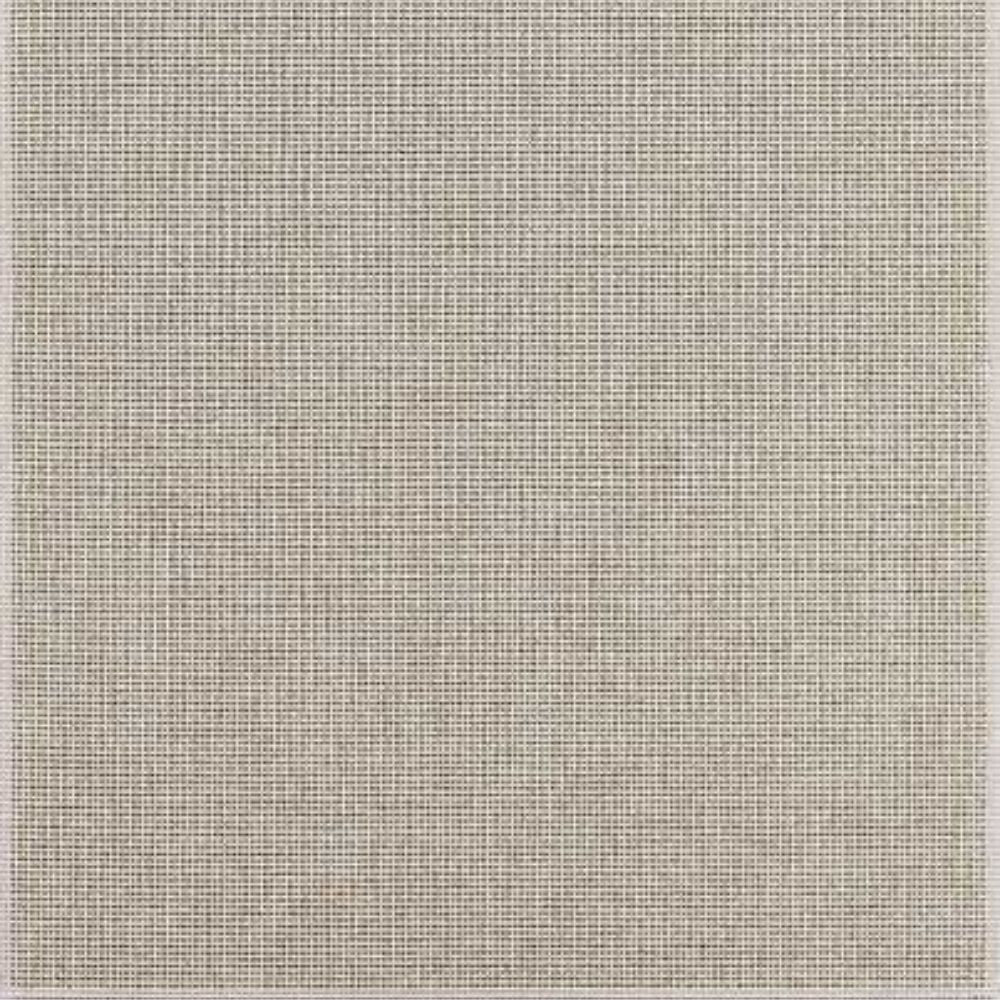
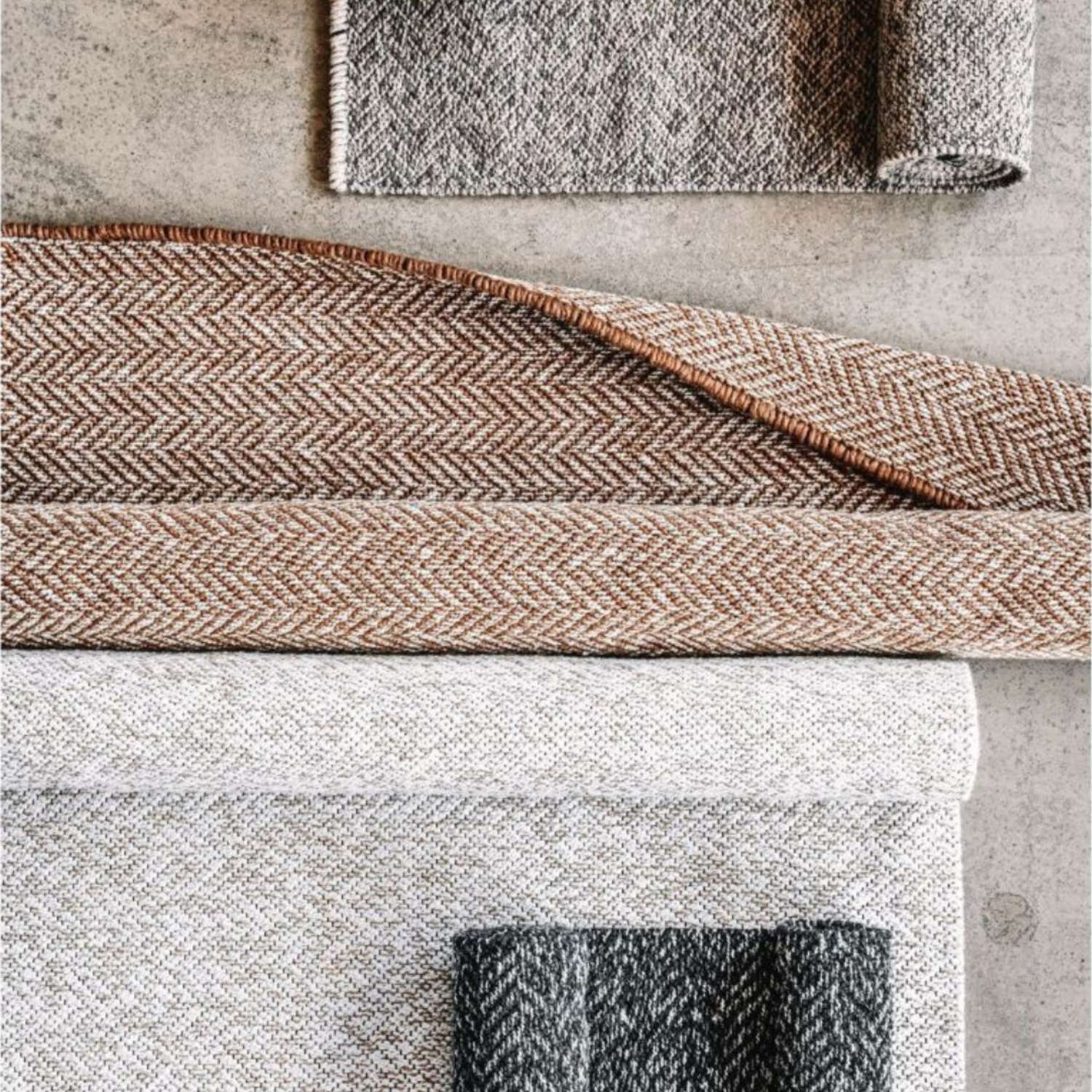
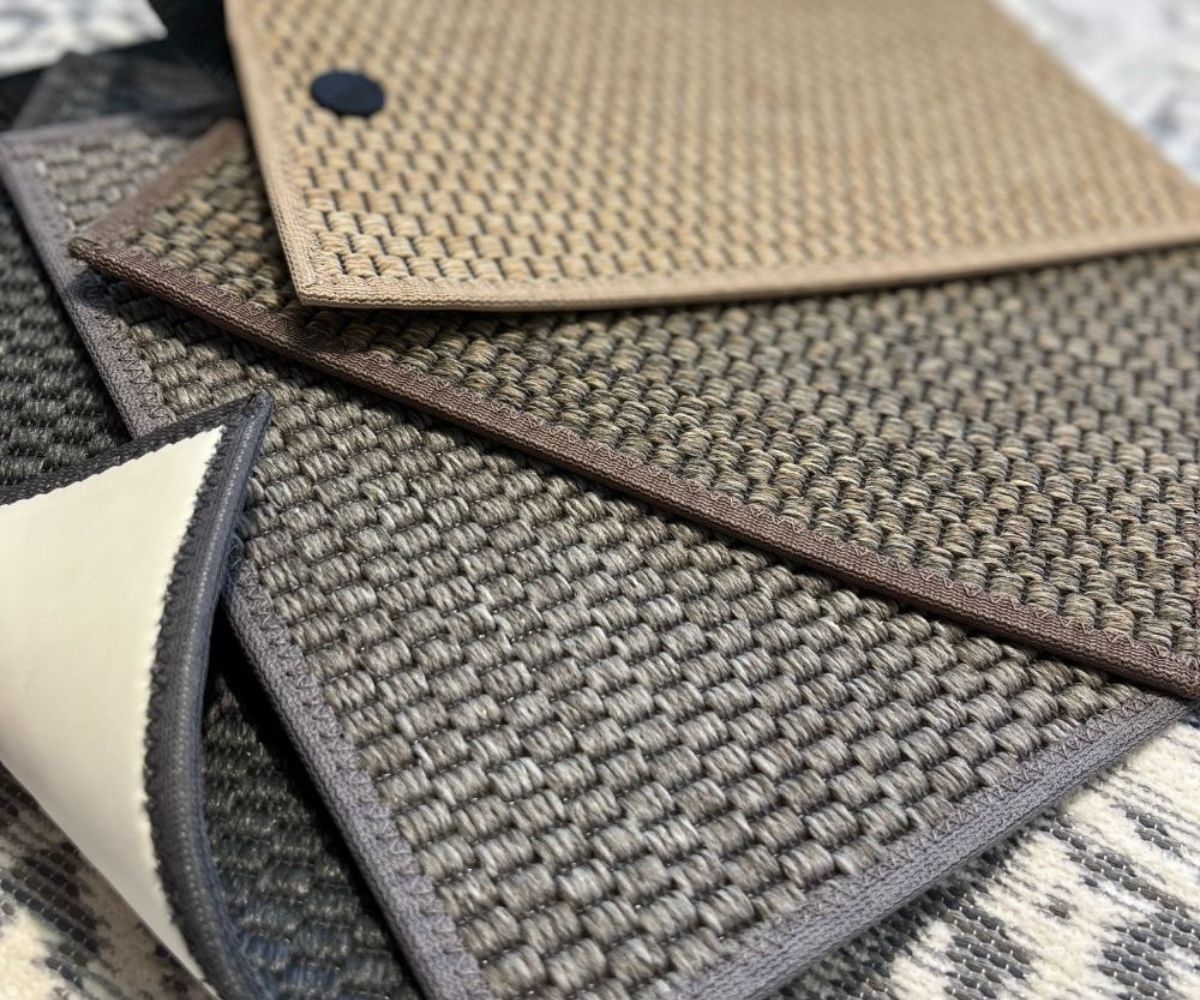
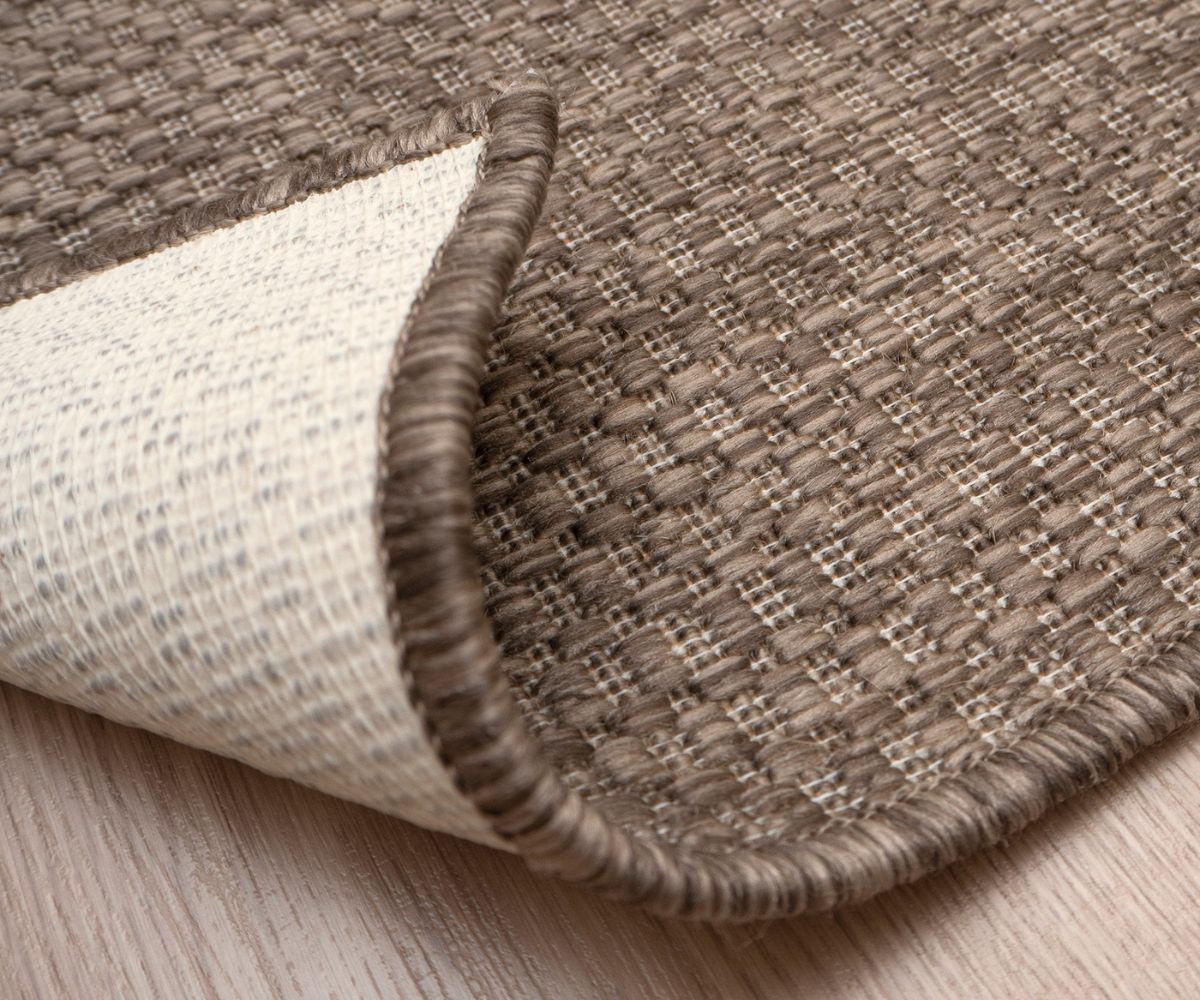
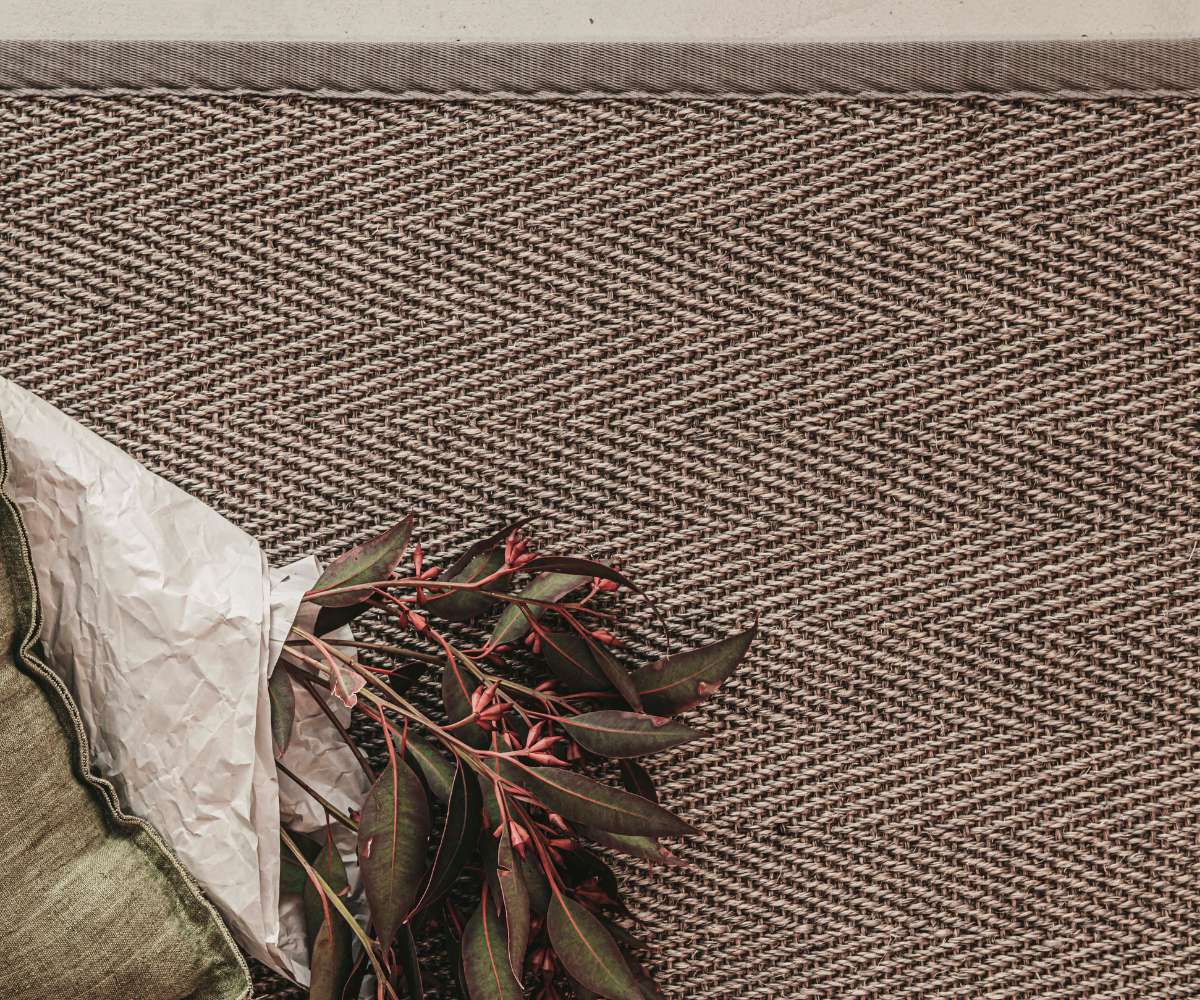
A flatwoven rug has little or no upright pile. Crumbs and loose dirt often remain closer to the surface instead of settling deep between fibres, making them easier to see and vacuum.
An even surface can be practical beneath a dining table, near a kitchen or in another actively used area. Dining chairs are also generally easier to move across a flat surface than across a very thick pile.
A flat surface does not automatically mean that the rug can be washed at home. The correct cleaning method always depends on the complete product, including its material, construction, backing, edges and care instructions.
Low-pile rugs
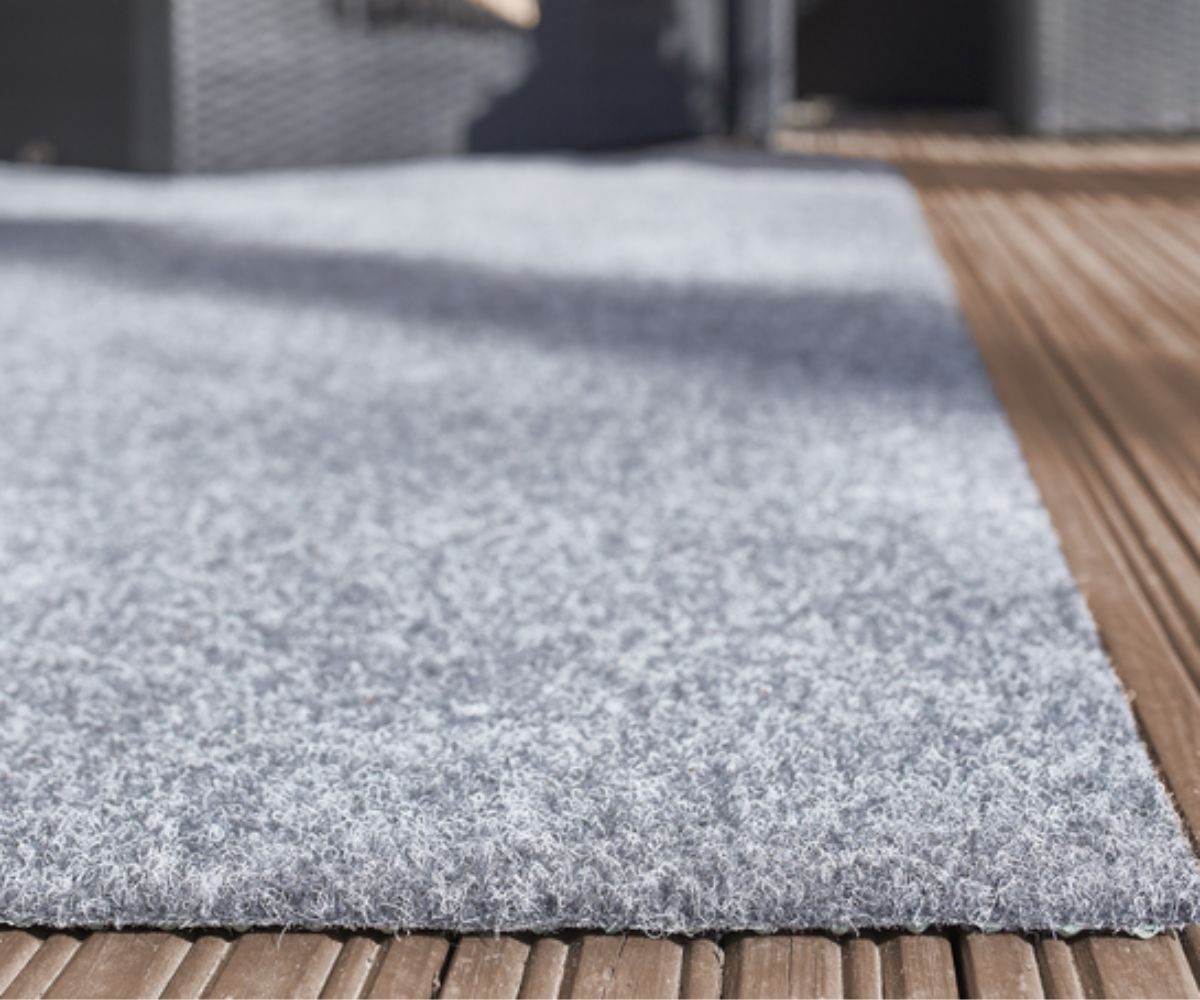
A low-pile rug can provide a softer feel without requiring the same type of maintenance as a very deep pile. A short, dense surface is usually easier to vacuum than long, loose fibres.
This construction can work well in living rooms and children’s rooms where people regularly sit or play on the floor. When comparing options, check how dense the pile is and whether crumbs or small toy parts could easily become hidden between the fibres.
If straightforward everyday care is important, explore easy-care rugs and compare the care instructions of individual products before choosing.
Deep-pile rugs
A deep-pile rug often feels soft and inviting, but small objects, crumbs and other loose dirt can settle further into its surface. Vacuuming may take longer, and finding small toy parts can be more difficult.
A deep pile is not automatically unsuitable for a family with children. It may work well in a quiet lounge or bedroom where food is not consumed. Under a dining table or craft table, however, a flatter surface will usually be easier to manage.
Choose the Material According to the Room
Material affects the rug’s feel, appearance and maintenance requirements. However, the fibre name does not tell the whole story. Weave, pile height, density, backing and edge construction can substantially change how a rug performs.
Synthetic fibres
Synthetic fibres can be used to make many different kinds of rugs, from flatwoven designs to soft pile rugs. Their suitability for a family home depends on the precise construction and product-specific care instructions.
When comparing synthetic rugs, check:
- the type and height of the surface
- the permitted cleaning method
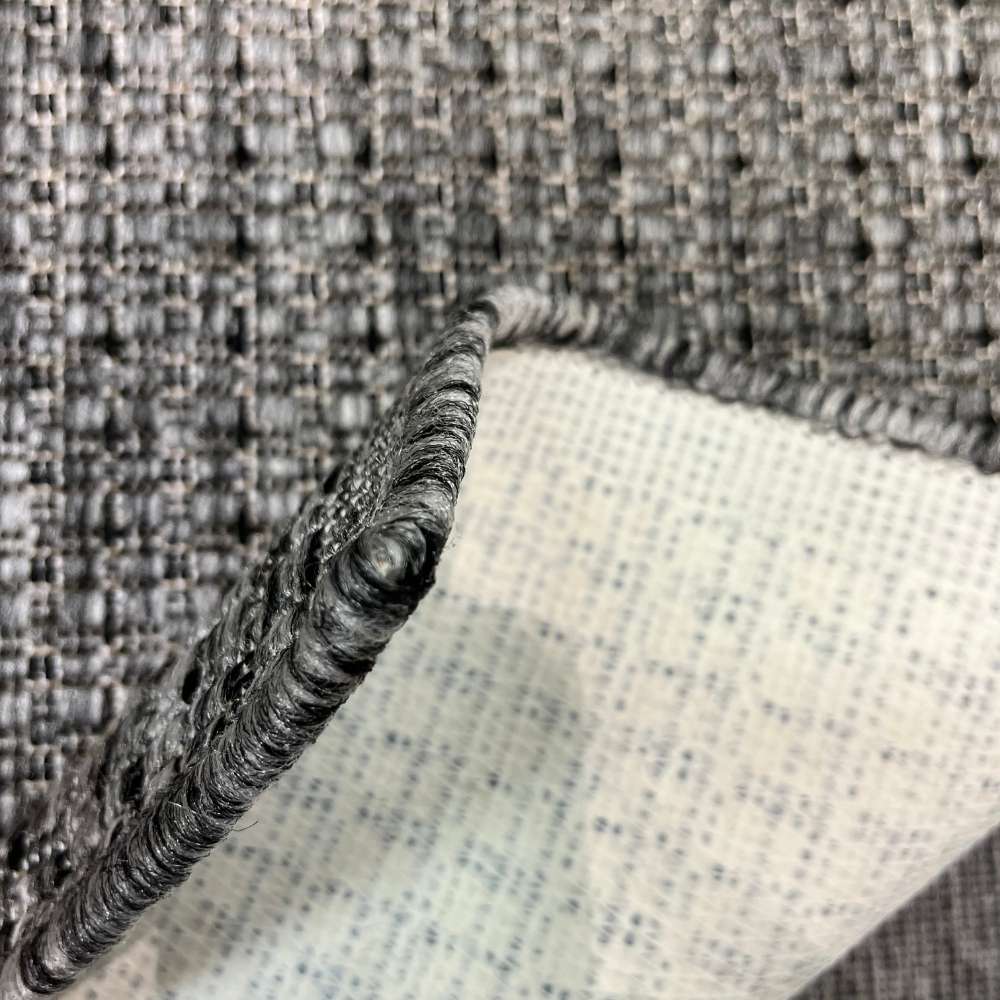
- whether the rug has a separate backing
- whether its construction suits the intended level of use
- whether local stain treatment is permitted
- whether professional cleaning is recommended
Do not assume that a rug can be machine-washed or washed with water based only on the fibre. Backing, adhesives, colours and edge finishes can create their own care requirements.
Wool
A wool rug can be a durable and comfortable option when it is chosen for the right room and maintained according to its individual care instructions. A new wool rug may release loose fibres, and the amount can vary depending on its construction and manufacturing method.
A densely woven or relatively low-pile wool rug may be worth considering for a family living room. If it will be placed beneath a dining table, check in advance how stains should be treated and what type of cleaning is allowed.
Avoid applying strong general cleaning methods to a wool rug without checking the instructions. Always review the product-specific guidance before using water, detergent or stain-removal products.
Cotton
Cotton rugs can feel soft and lightweight. Some may be washable with water or in a washing machine, but this must always be confirmed from the product’s own care instructions.
A lightweight cotton rug may move or wrinkle on a hard floor. This is especially important in a room where children run or move toys across the rug. A suitable anti-slip underlay may improve stability when it is compatible with both the rug and the flooring.
Natural plant fibres
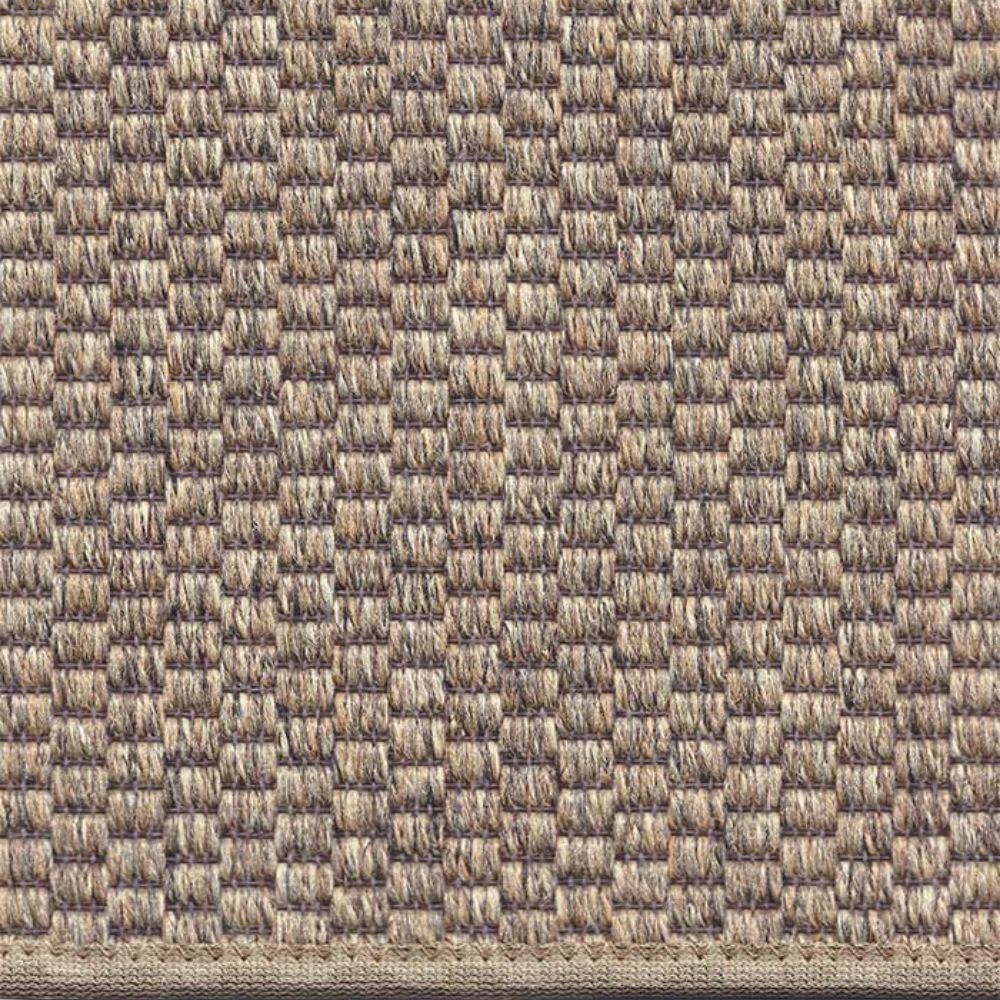
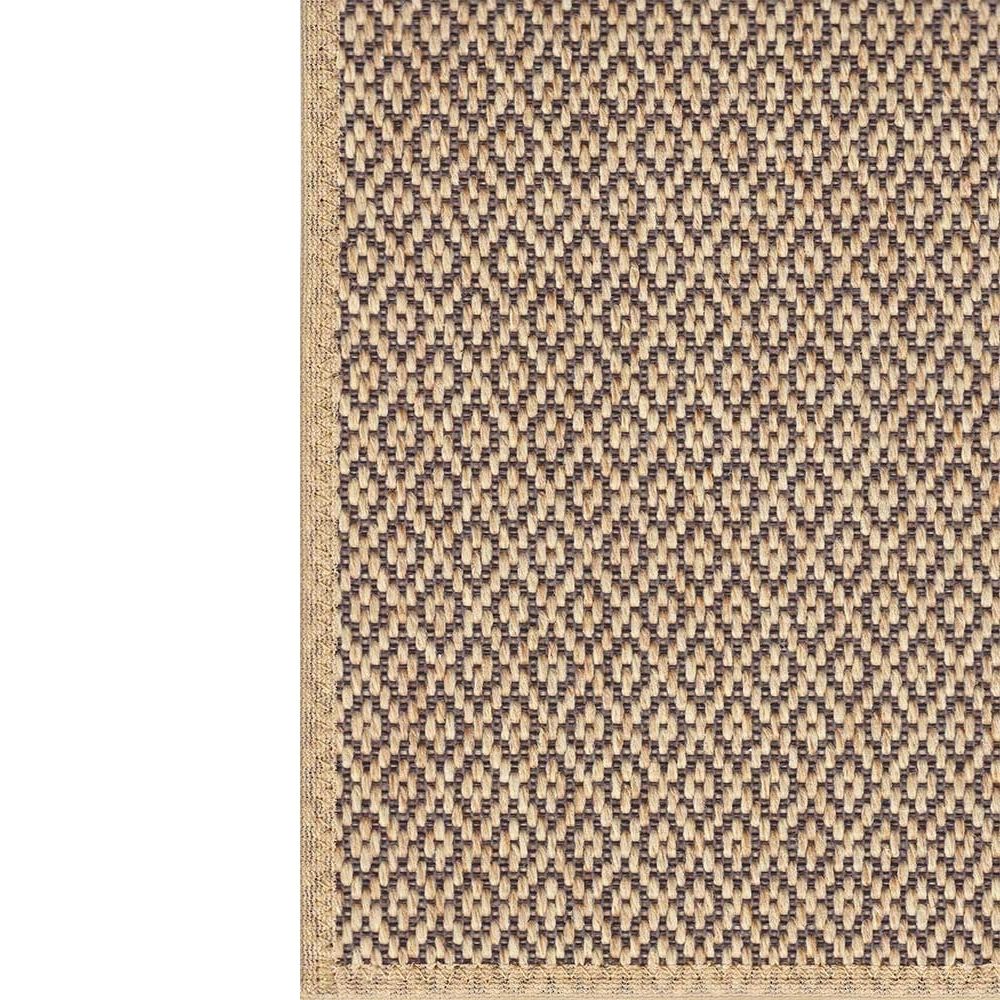
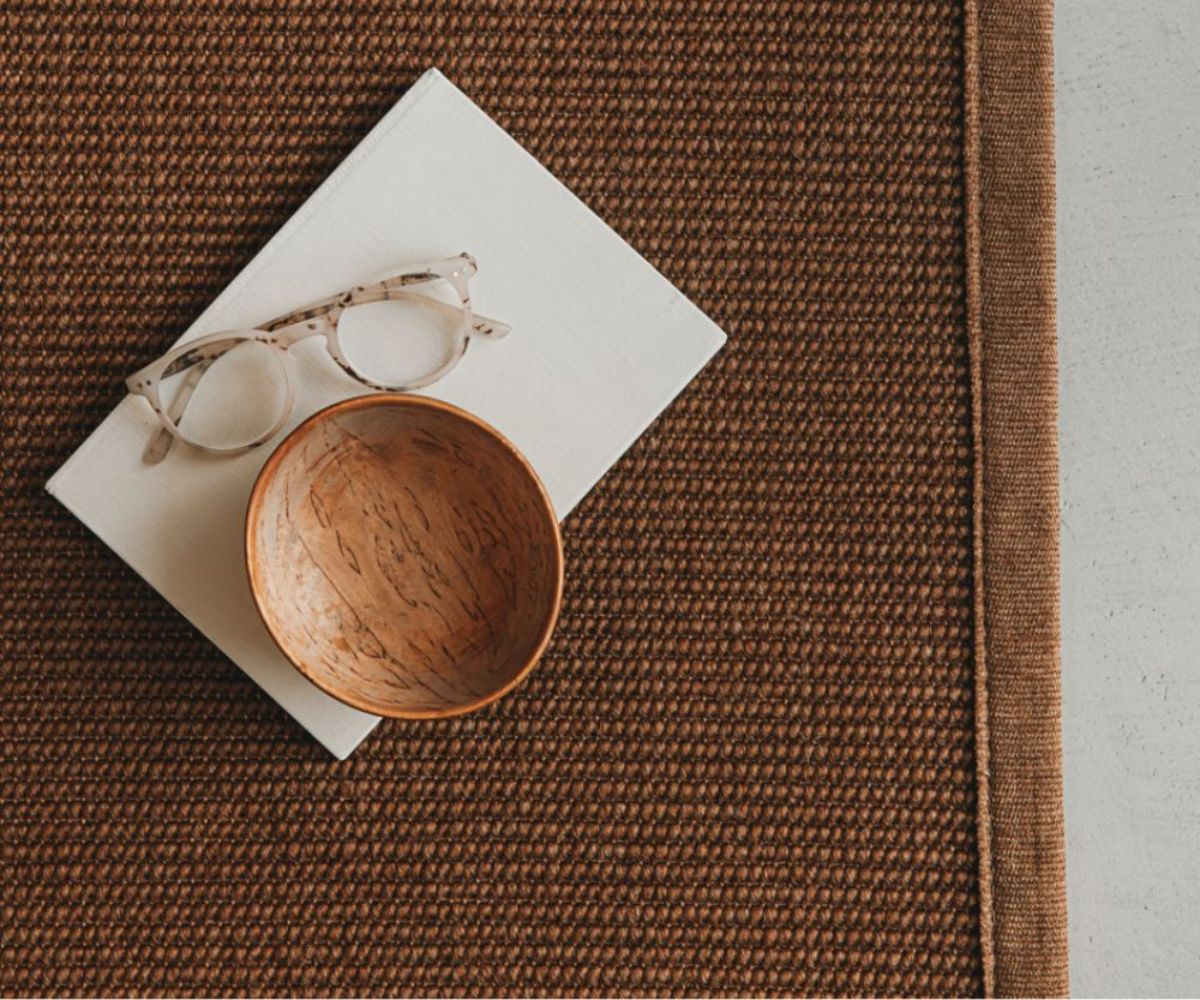
Rugs made from jute or other plant fibres can have a firm texture and a natural appearance. Their response to moisture and available cleaning methods vary between products.
A plant-fibre rug should not automatically be selected for a space where liquid spills are likely. Check how the particular rug reacts to moisture and how it should be cleaned.
You can compare the characteristics of different fibres in the complete rug materials guide.
A Washable Rug Is Not Always Machine-Washable
The term “washable rug” can refer to several different cleaning methods. It may mean that the rug can be washed with water, cleaned flat, washed gently by hand or taken to a professional rug cleaner. Only some rugs are suitable for a domestic washing machine.
Always check:
- whether washing with water is permitted
- the maximum permitted water temperature
- whether spinning is allowed
- what kind of detergent can be used
- the required drying method
- whether professional cleaning is recommended
- whether the wet rug can be handled safely
- whether the washing machine can support its weight
A wet rug can be considerably heavier than a dry one. It may also dry slowly if air cannot circulate properly. An unsuitable cleaning method may affect the rug’s shape, colours, backing or edges.
Read the rug’s own care label before cleaning it. General guidance is also available in the rug care instructions.
Colour and Pattern Affect Everyday Practicality
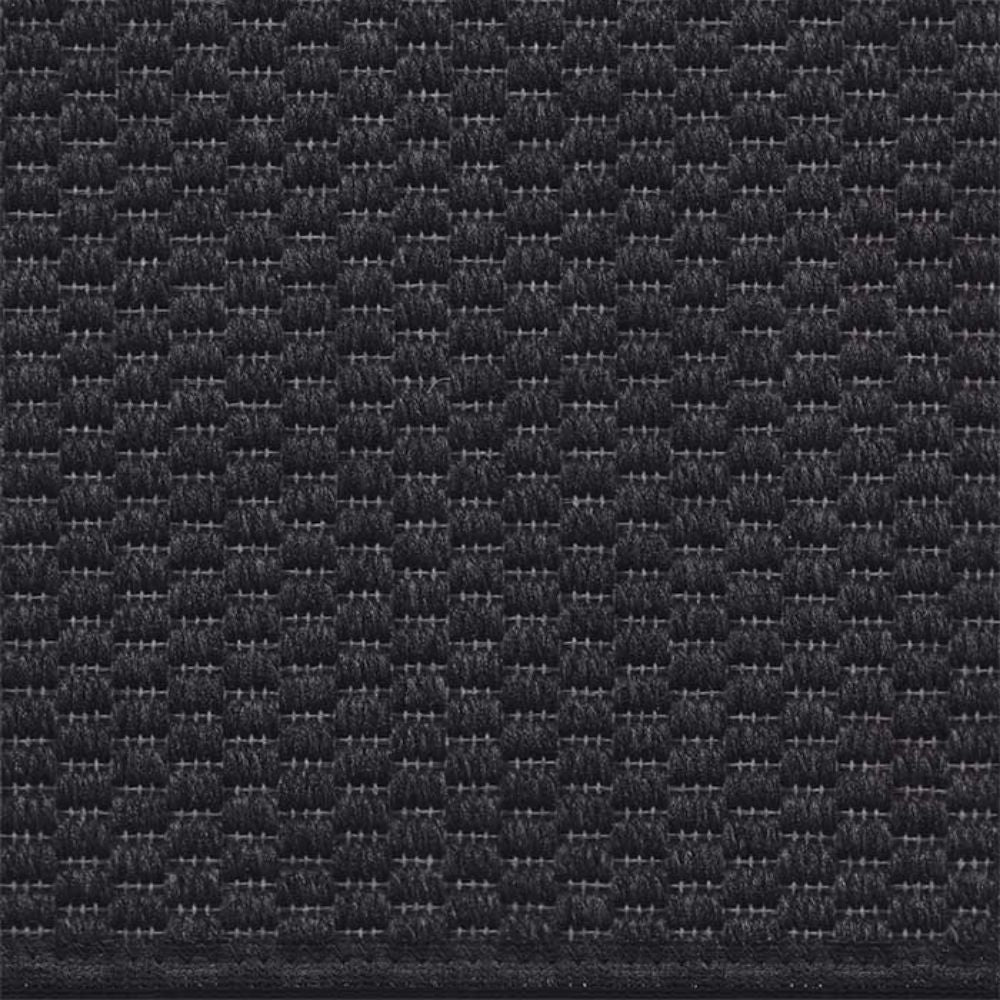
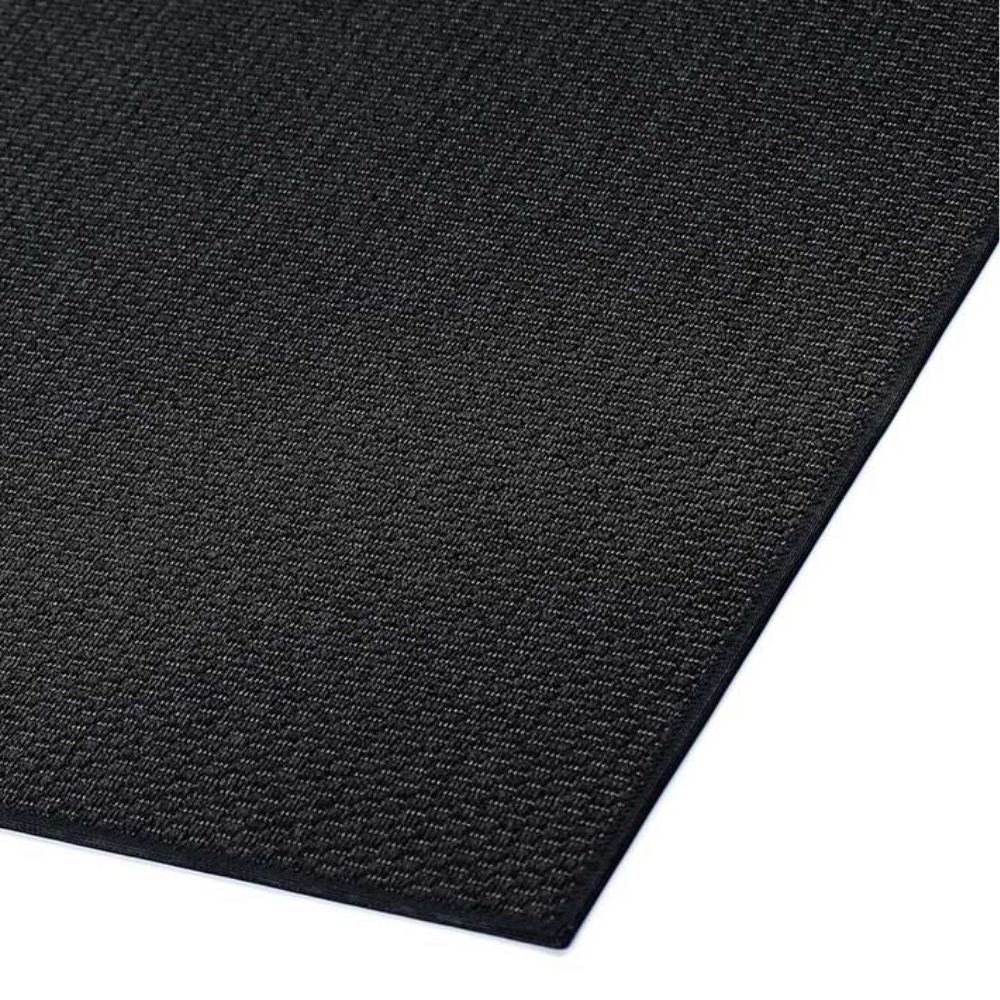
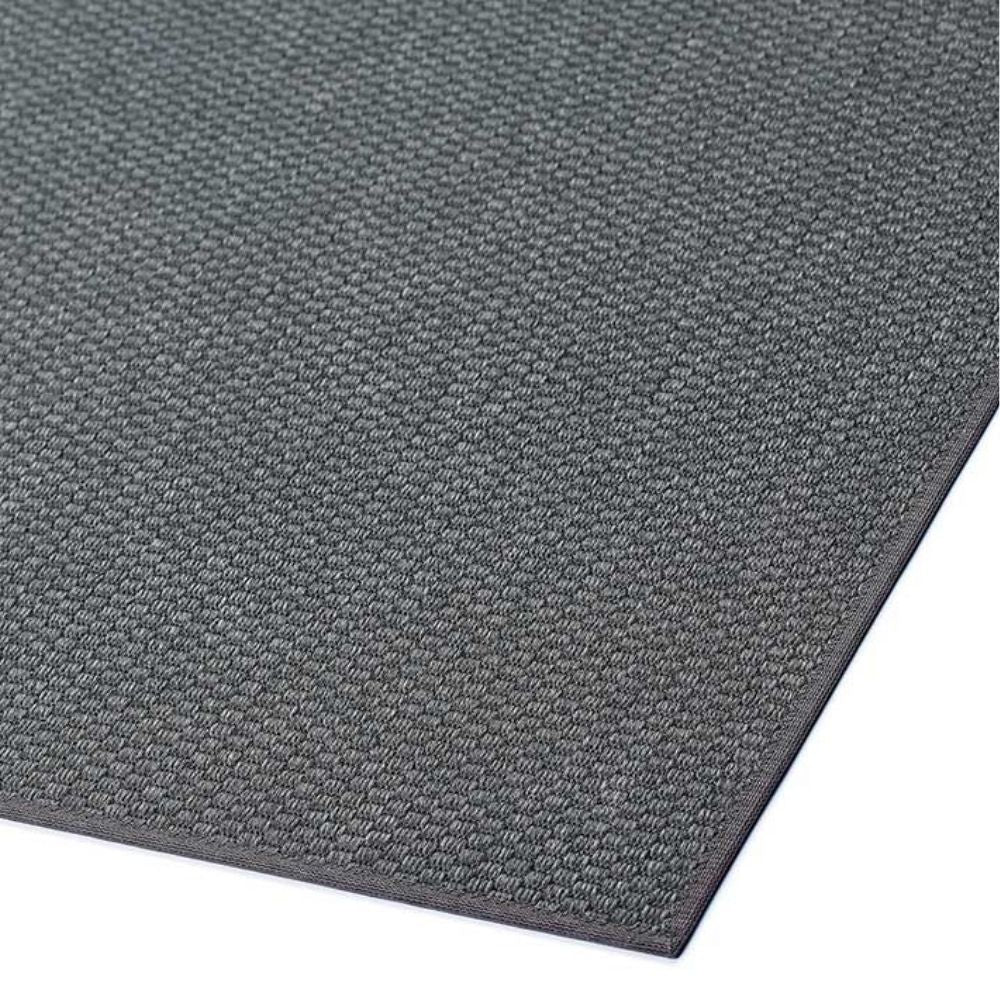
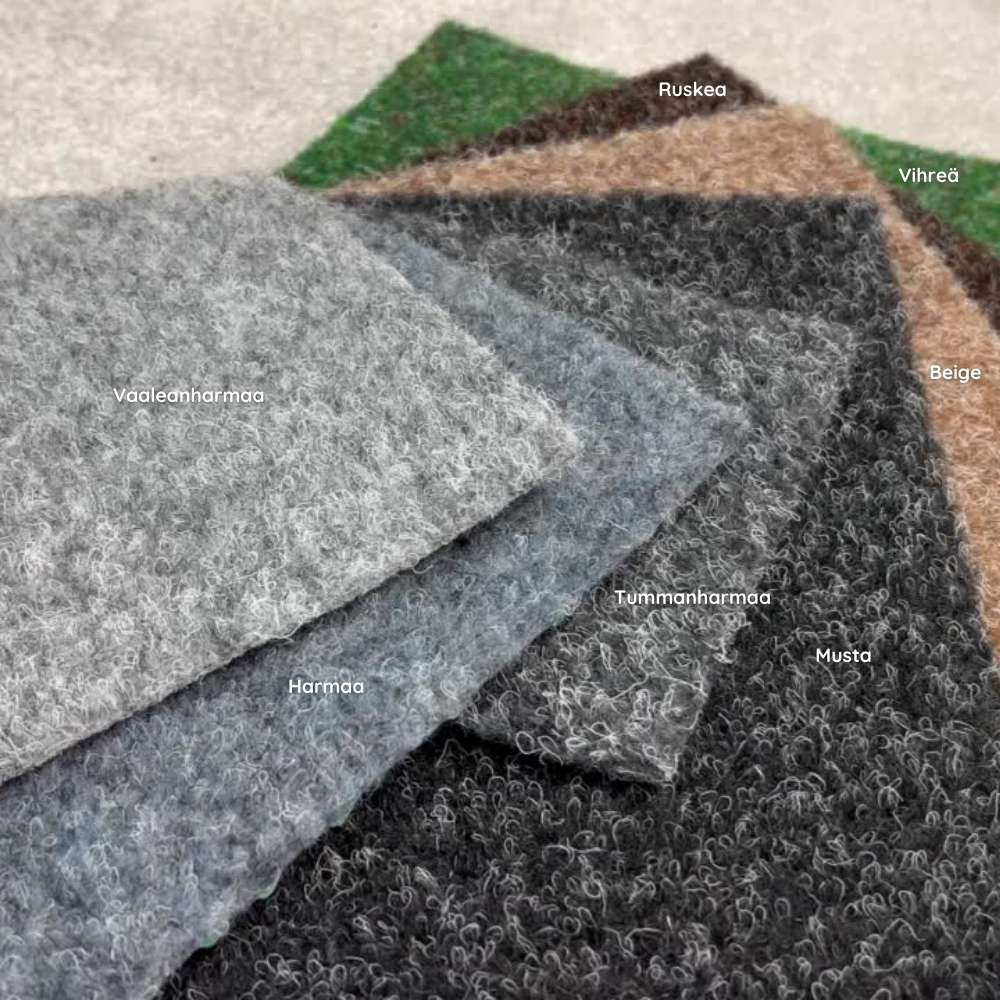
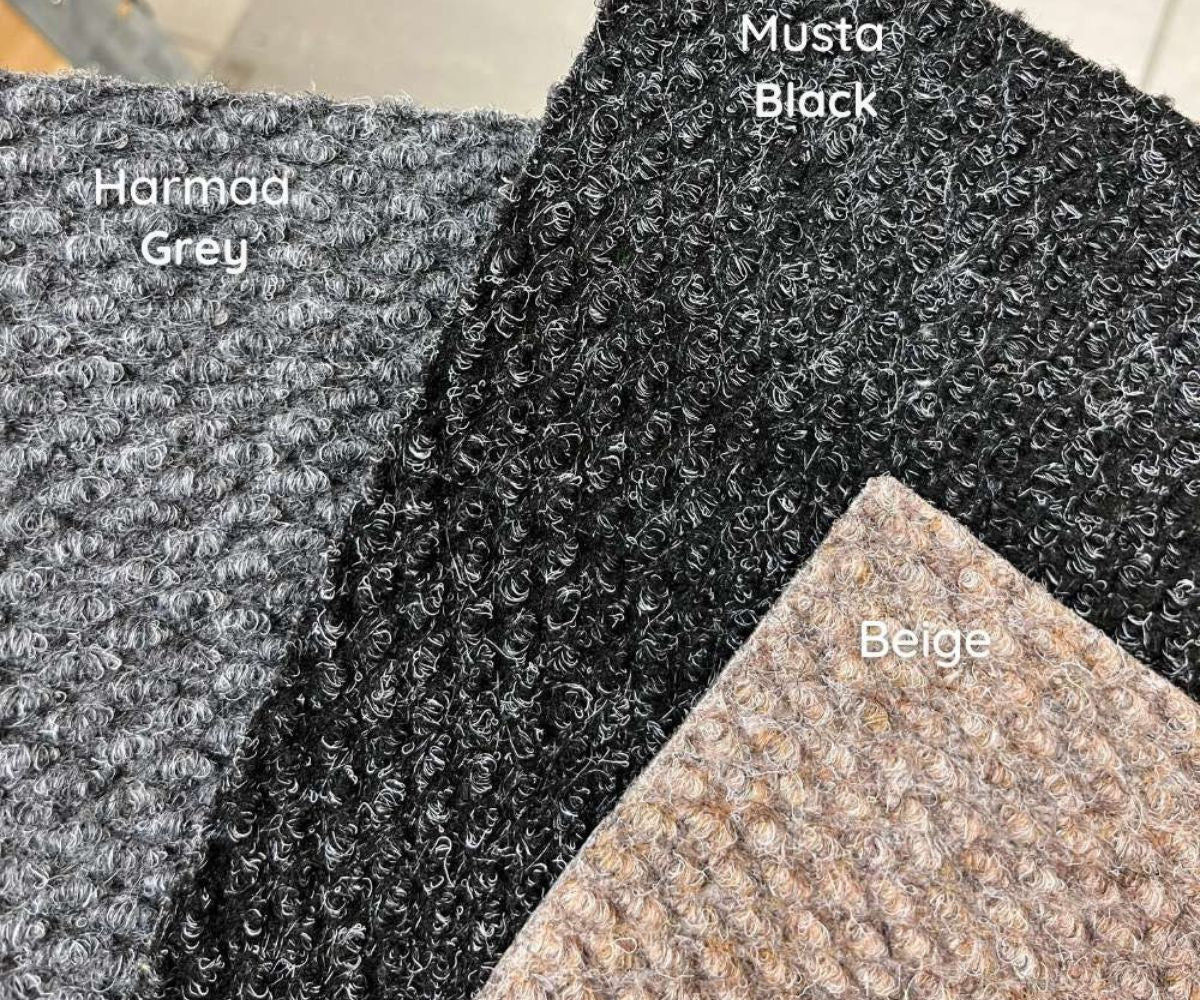
A very light, single-coloured rug can show a wide range of marks. A very dark rug, on the other hand, may make pale crumbs, dust and loose fibres particularly visible. The most practical option is not necessarily the darkest colour available.
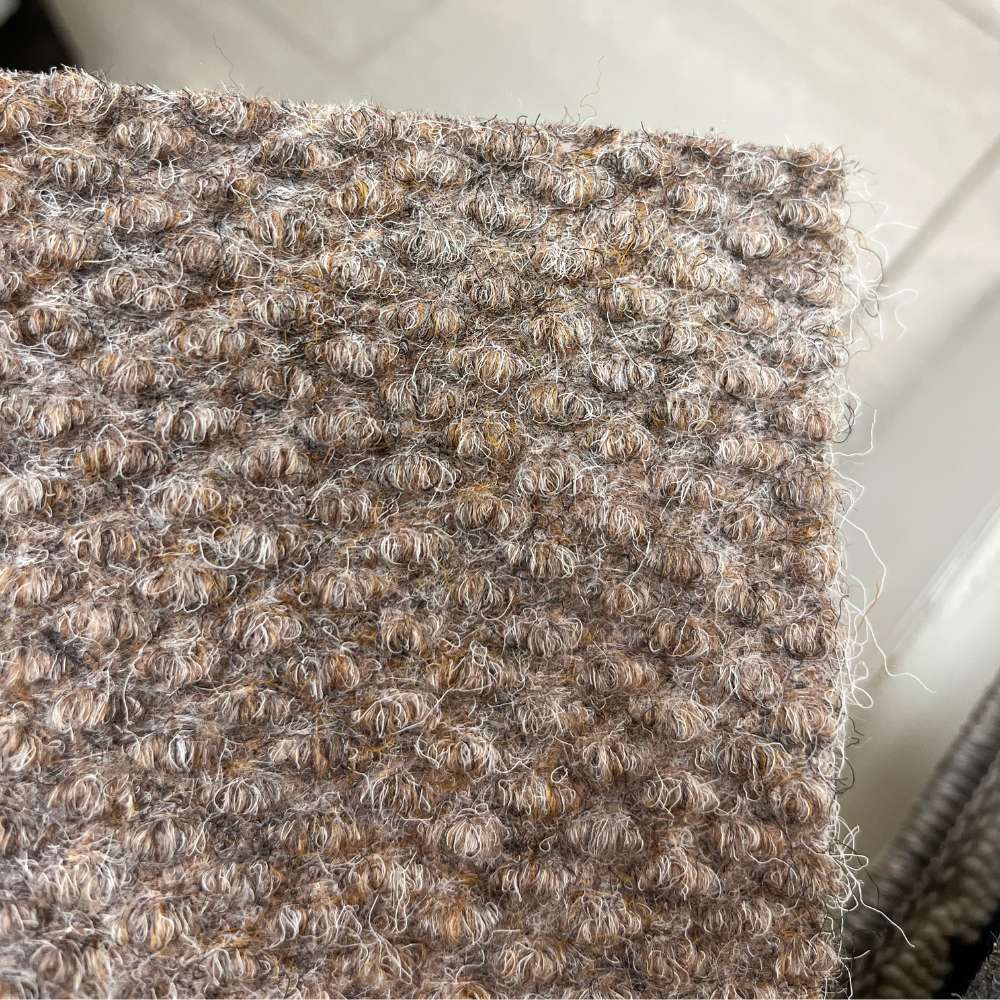
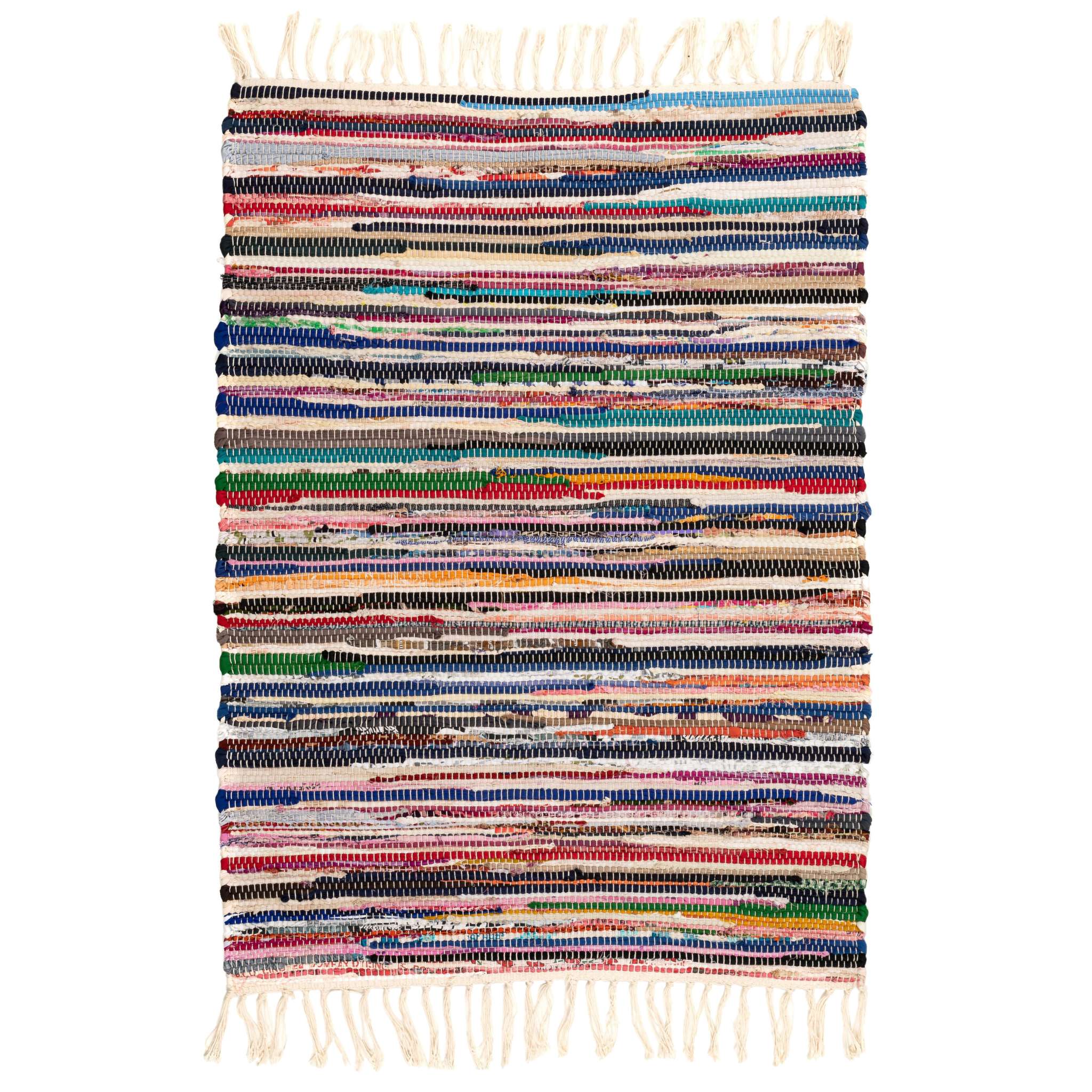
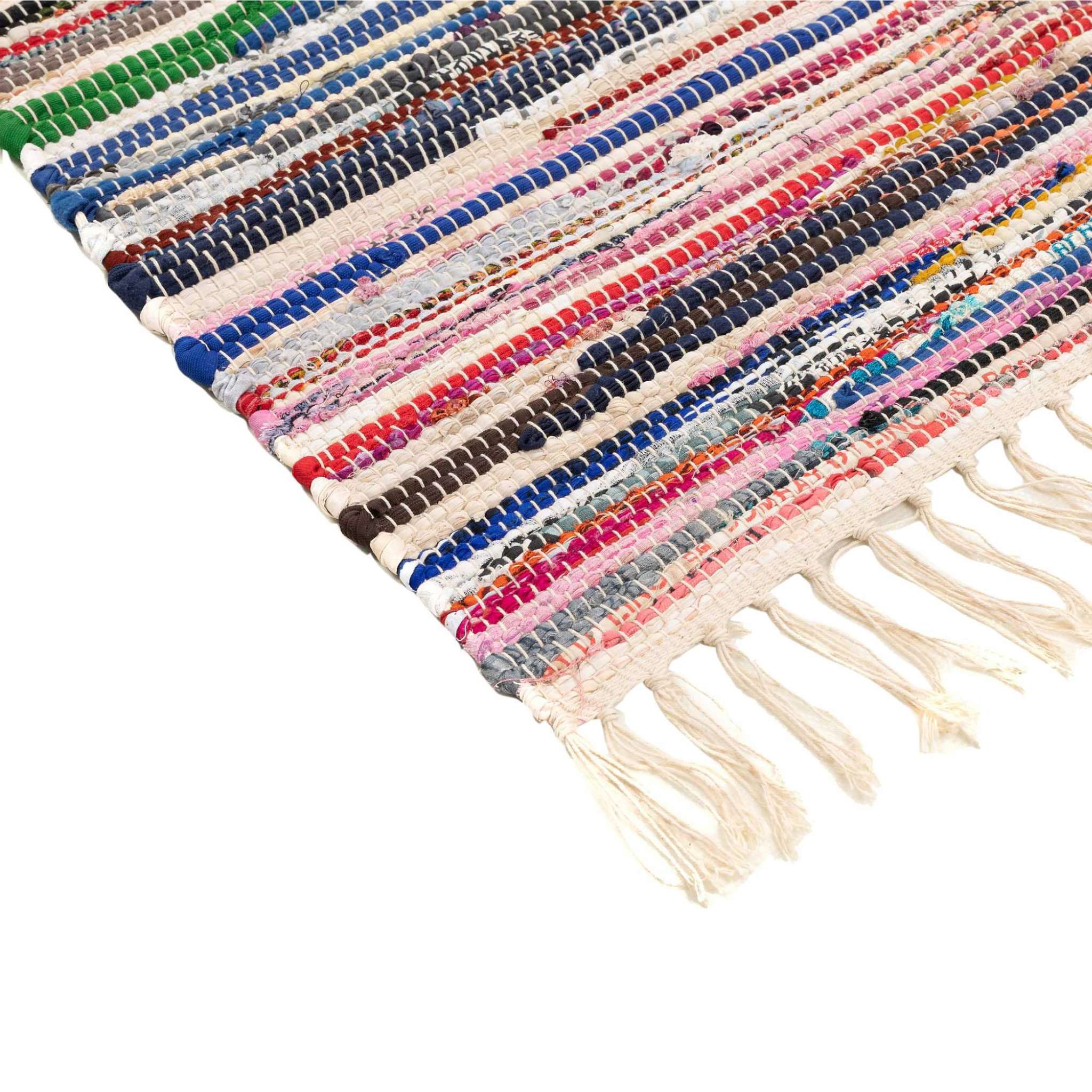
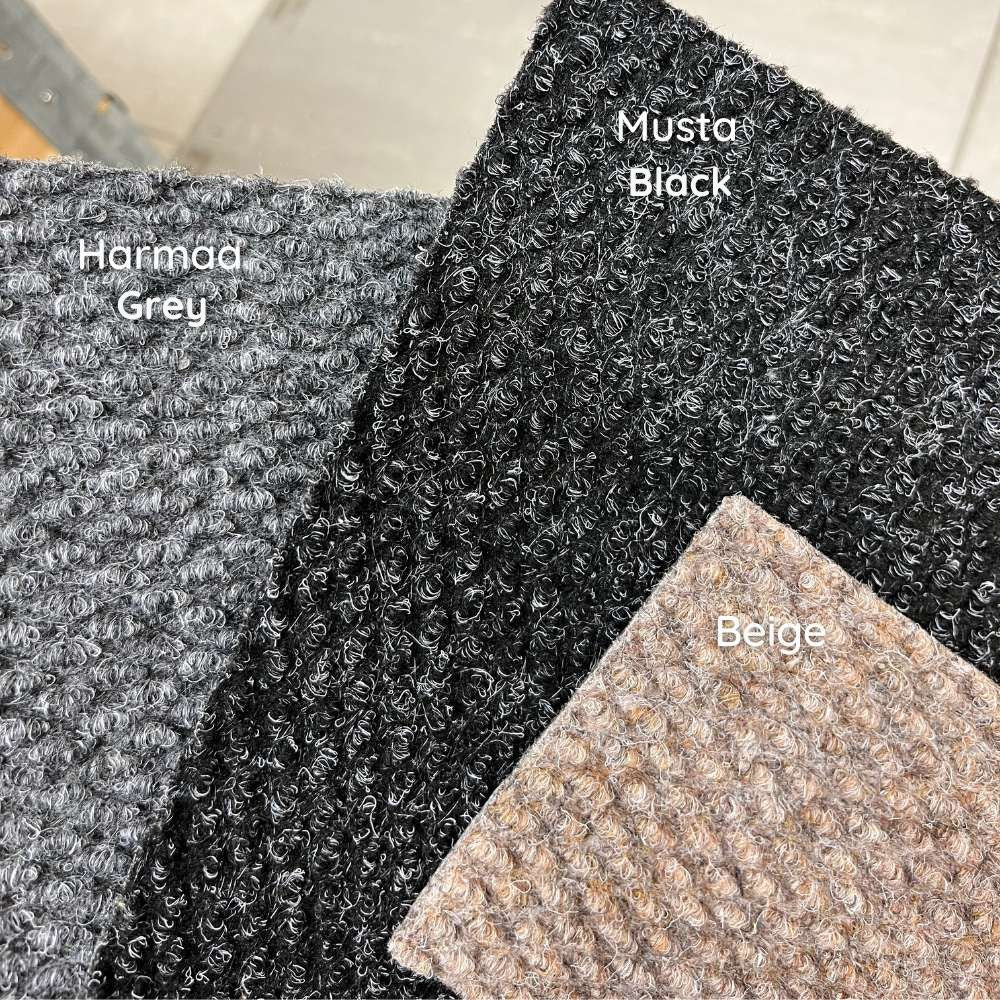
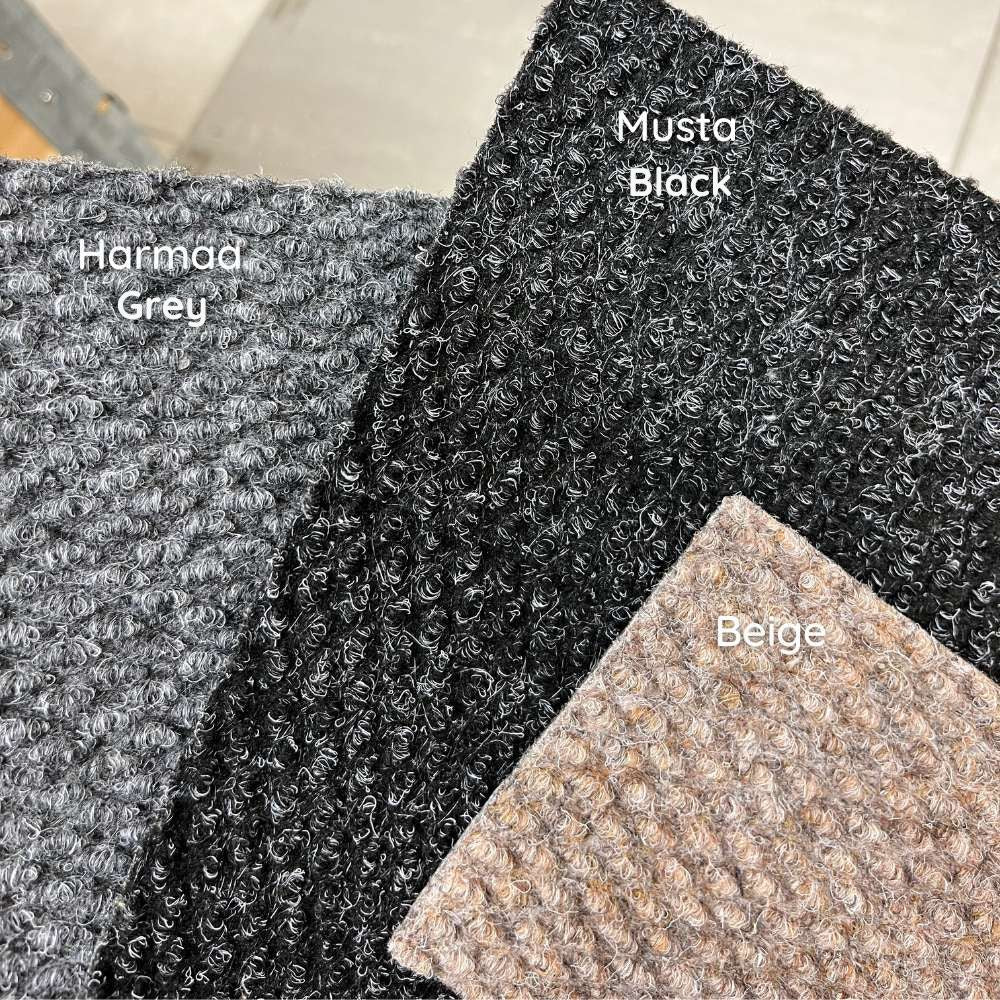
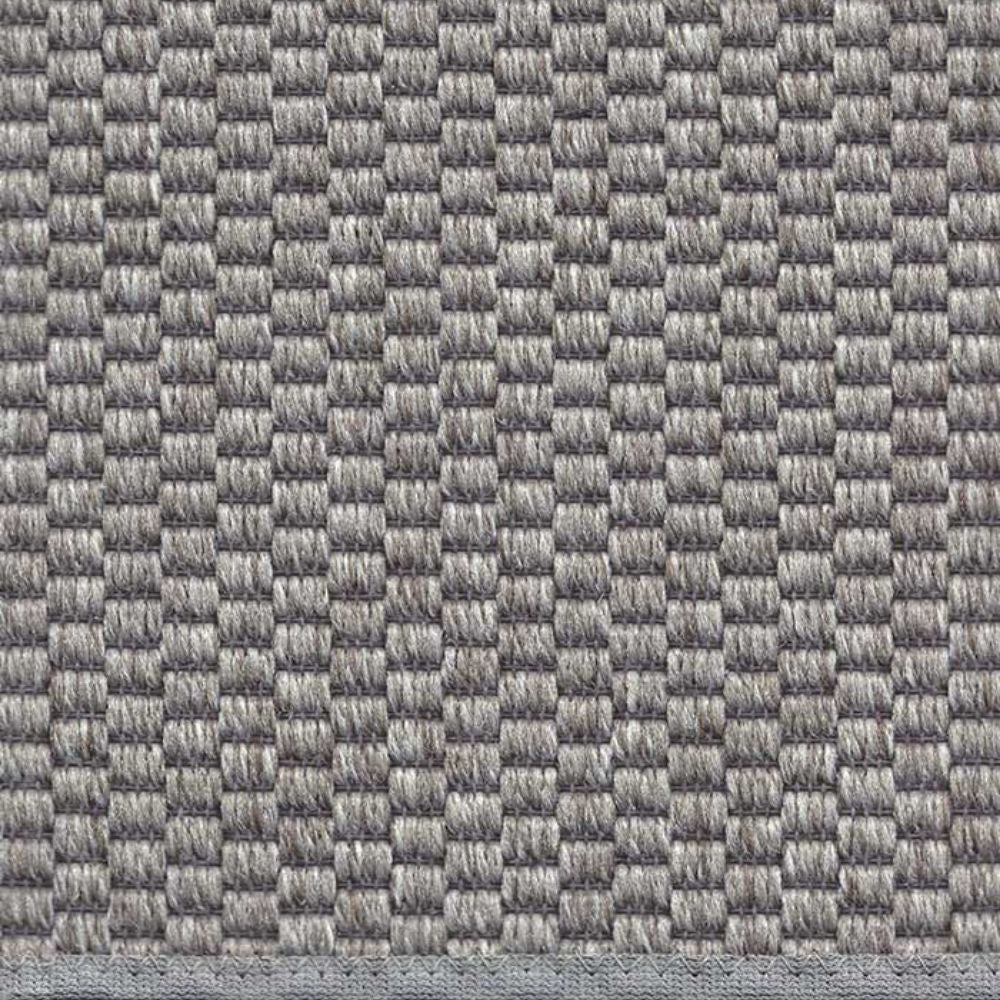
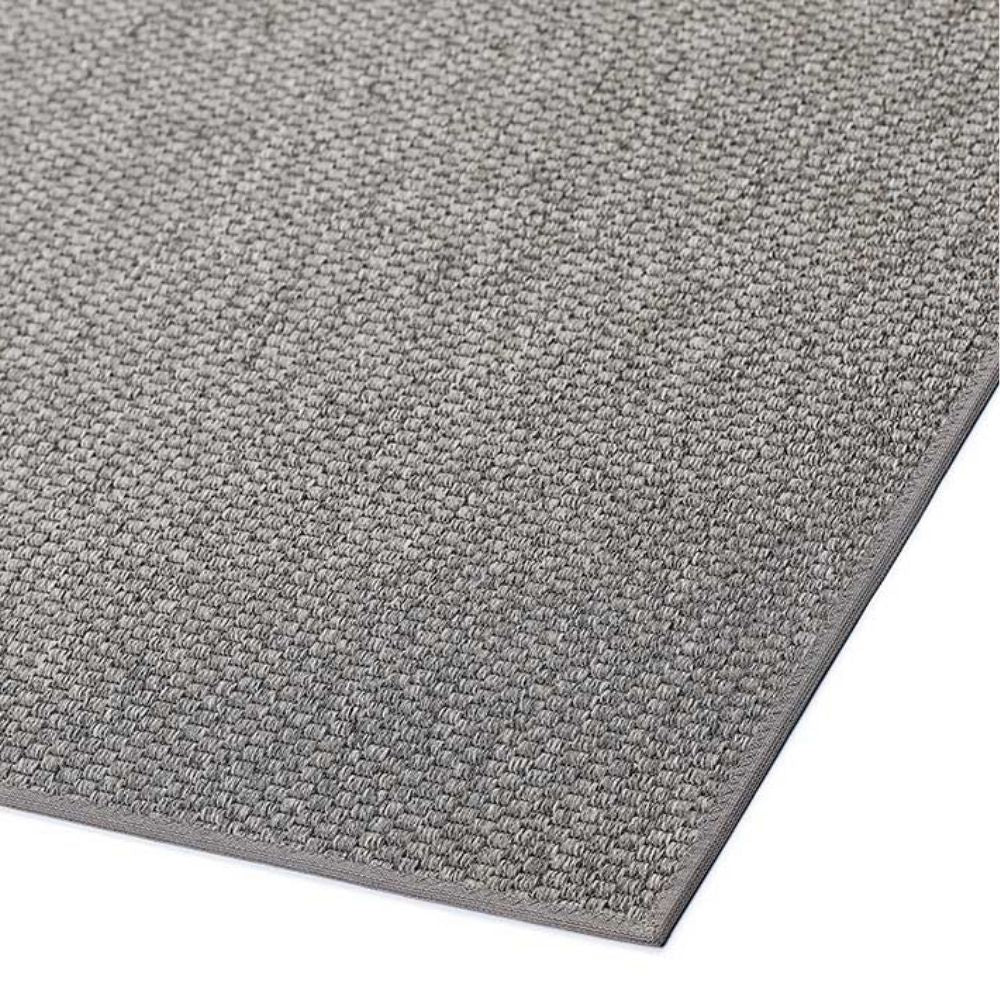
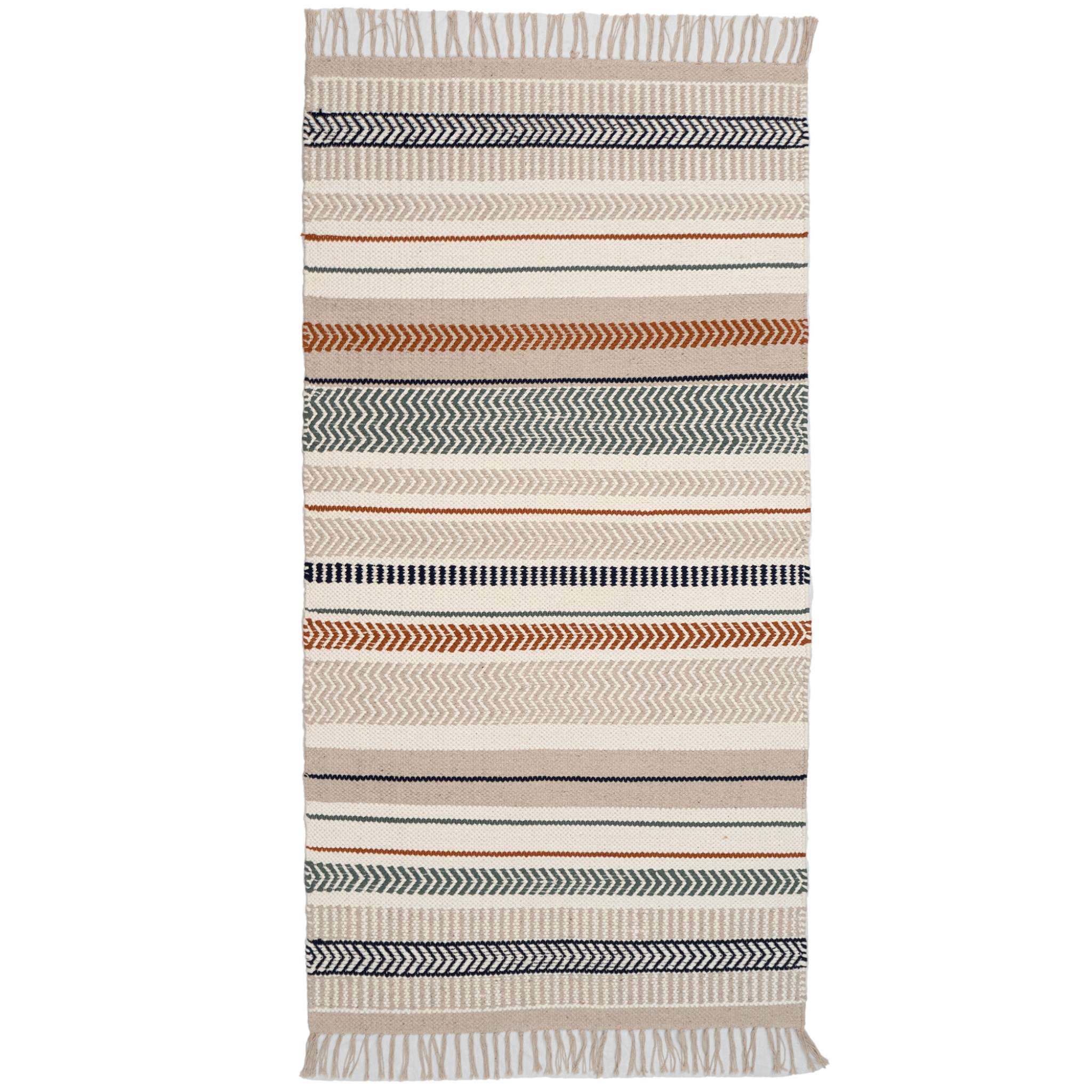
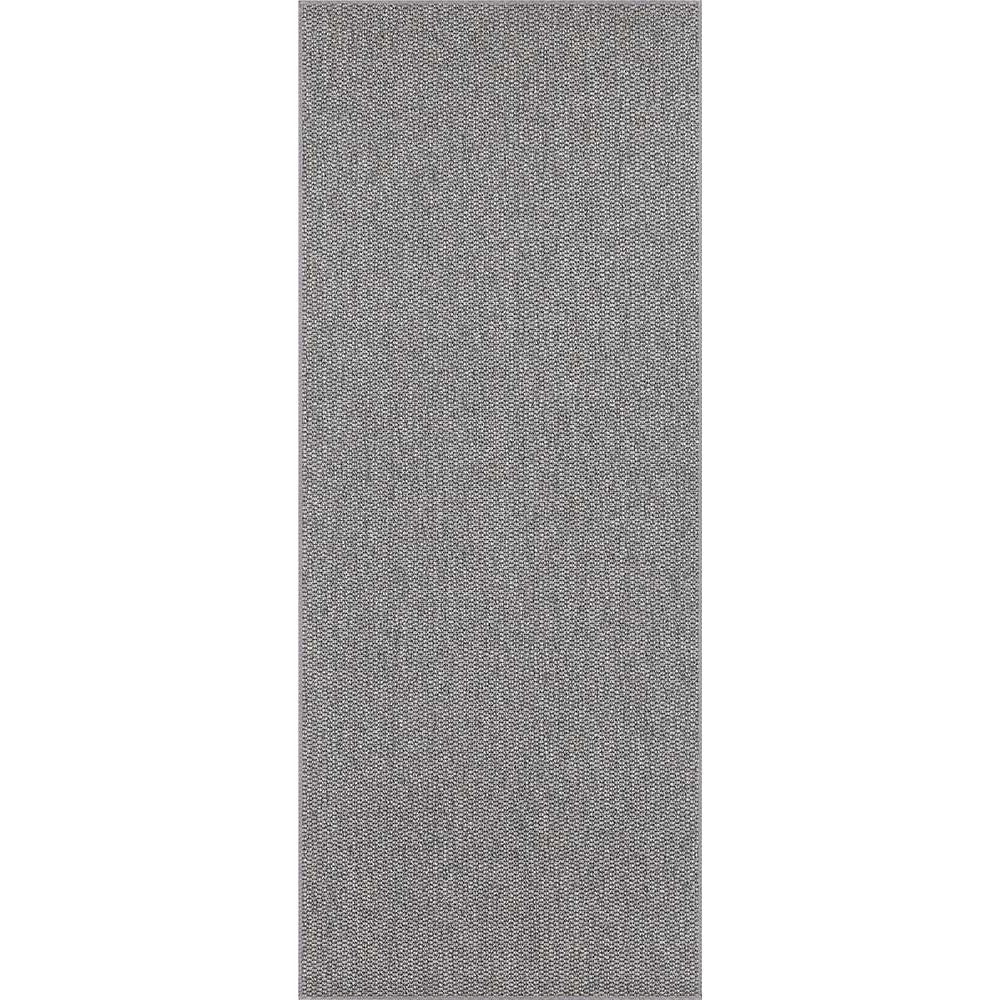
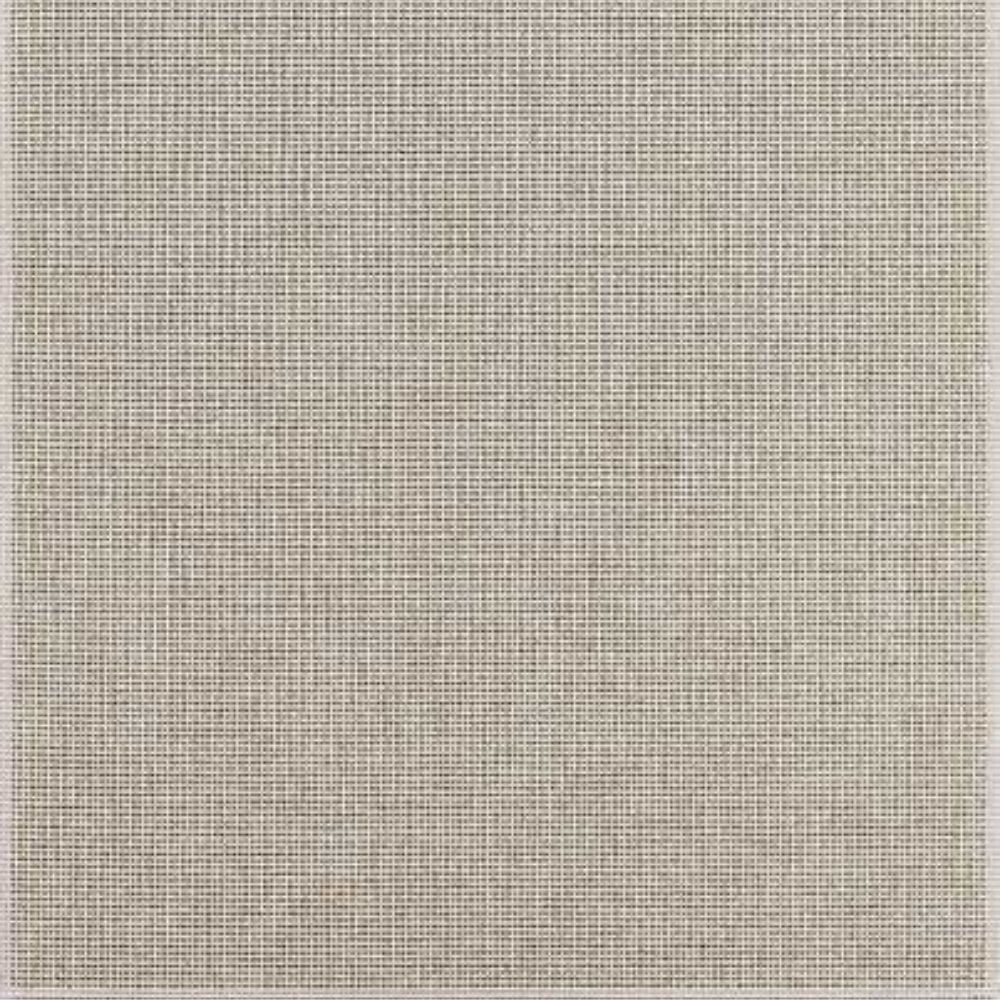
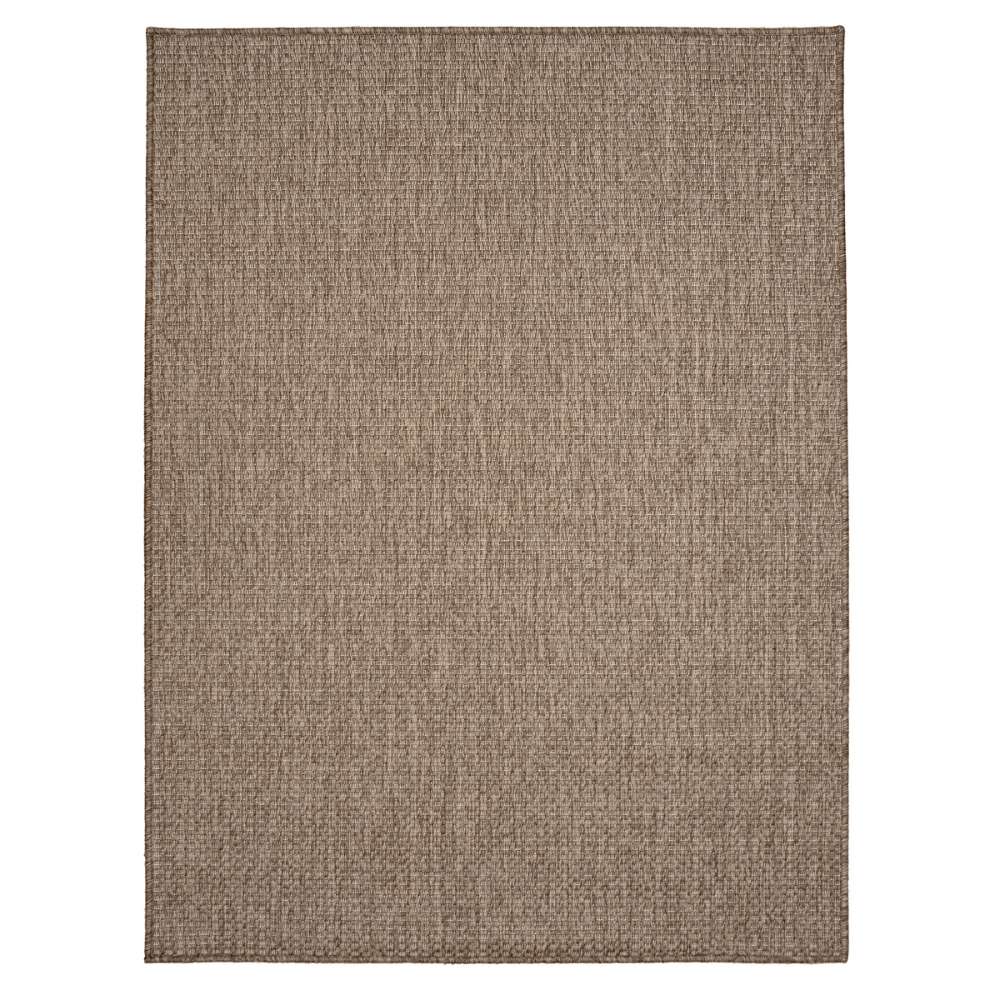
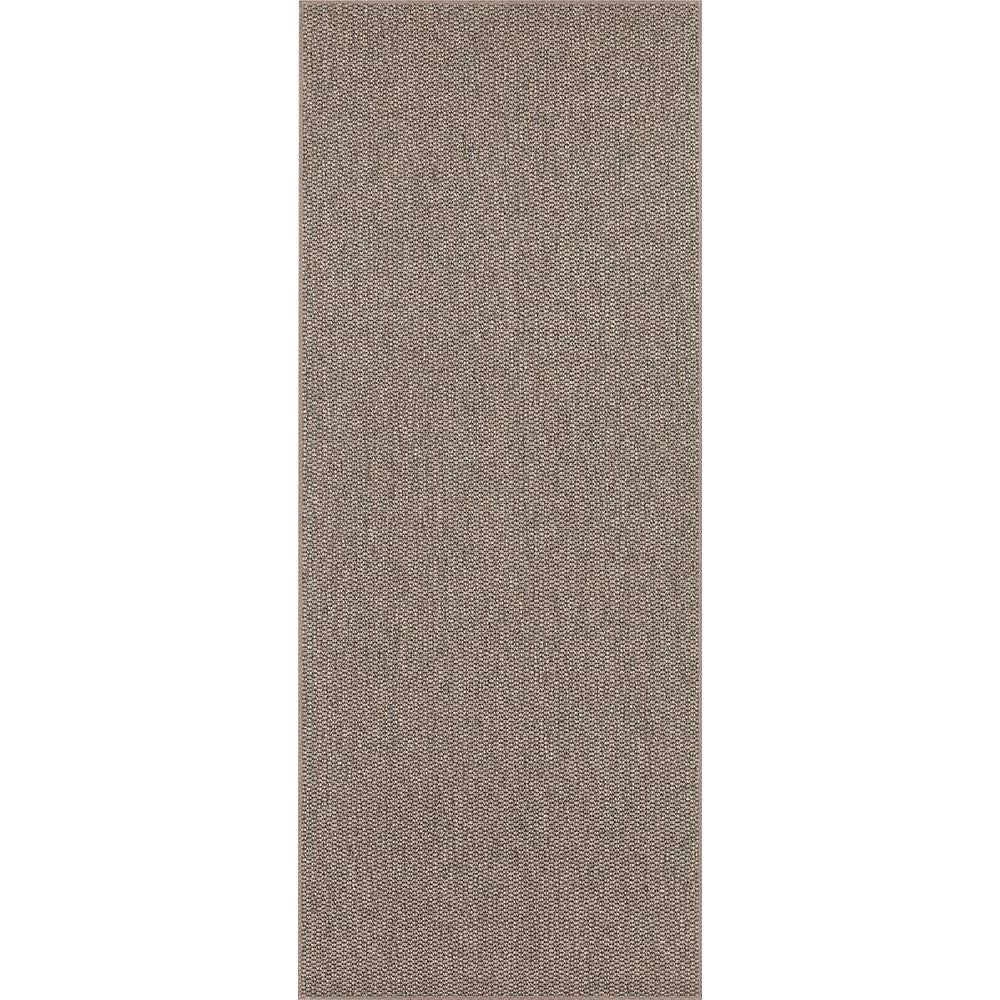
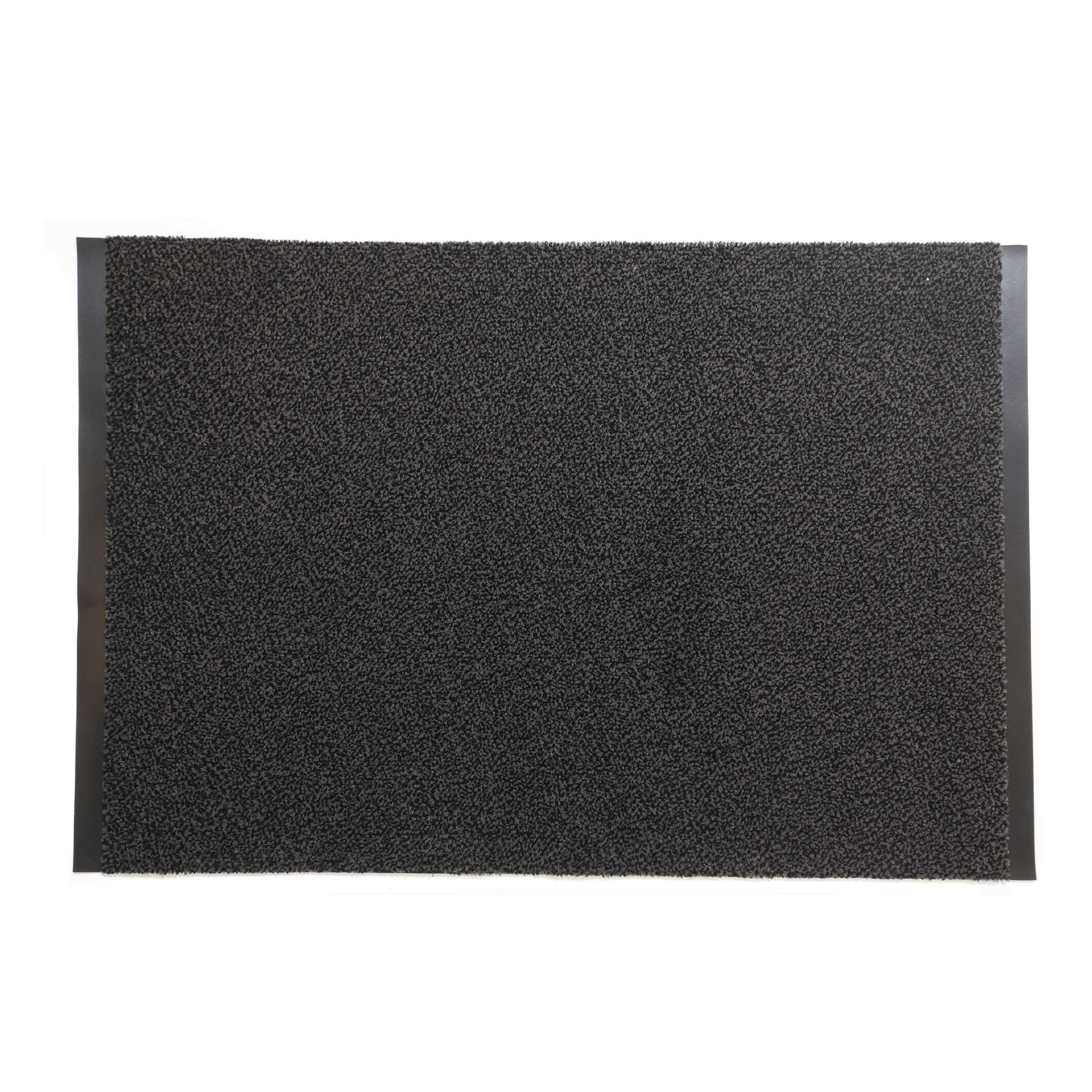
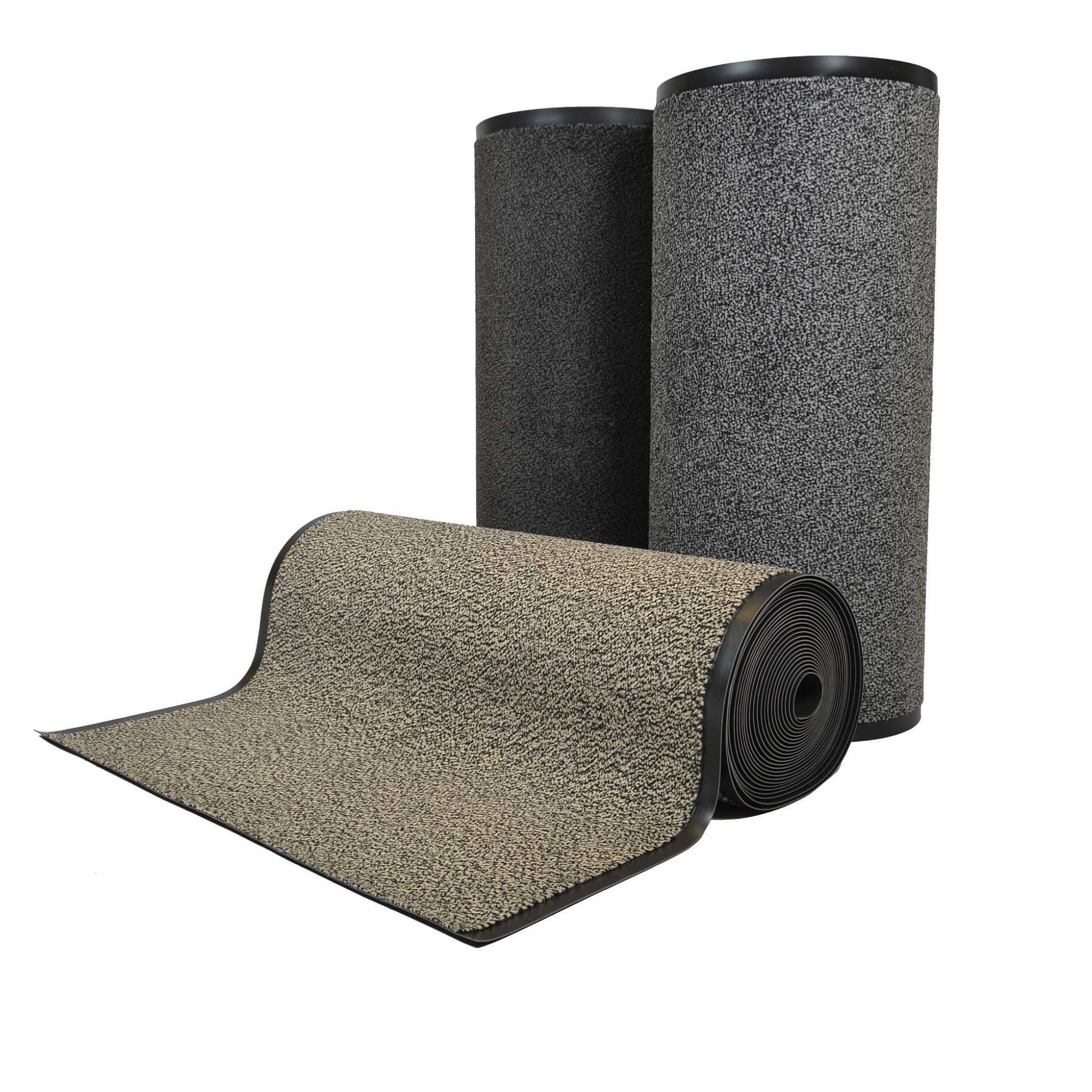
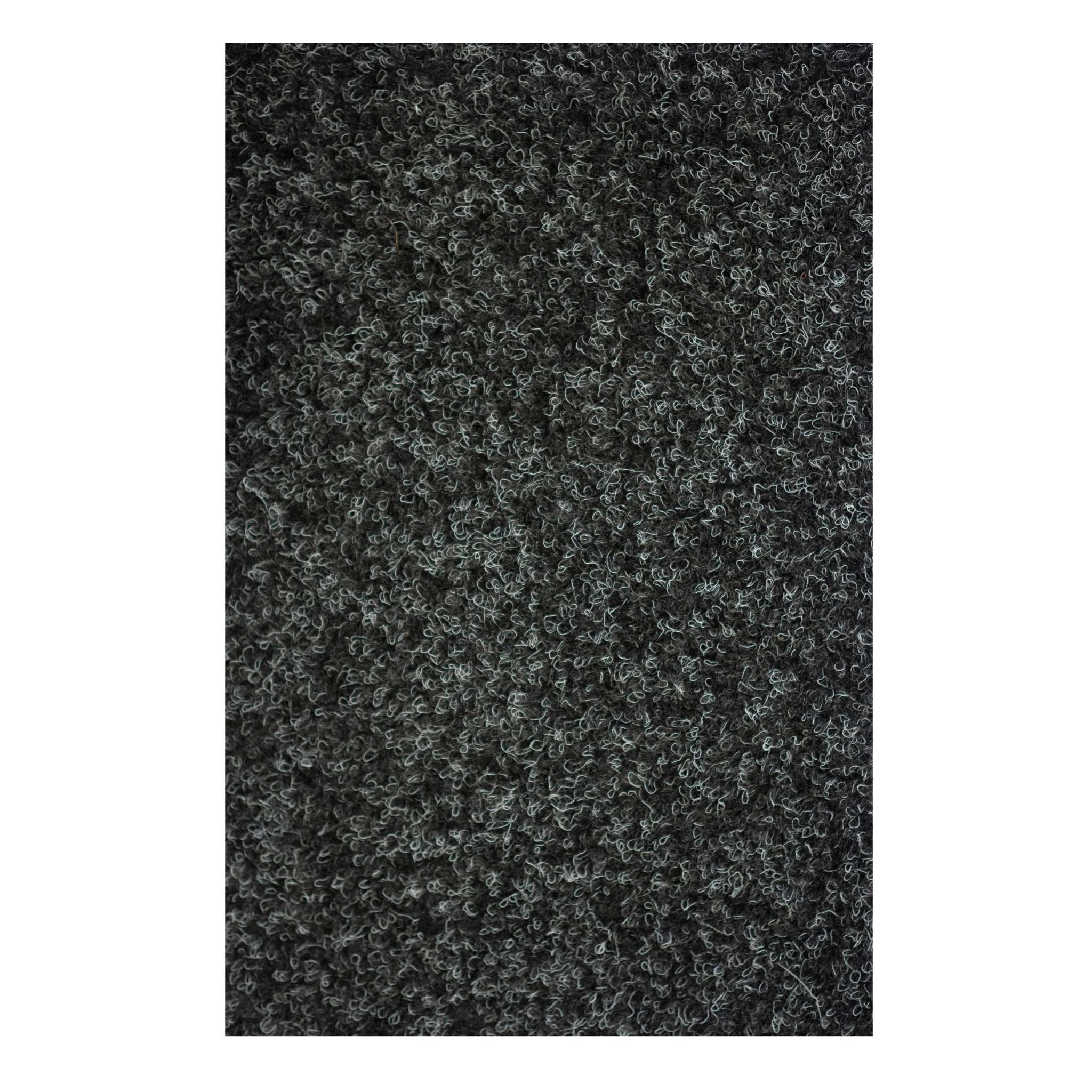
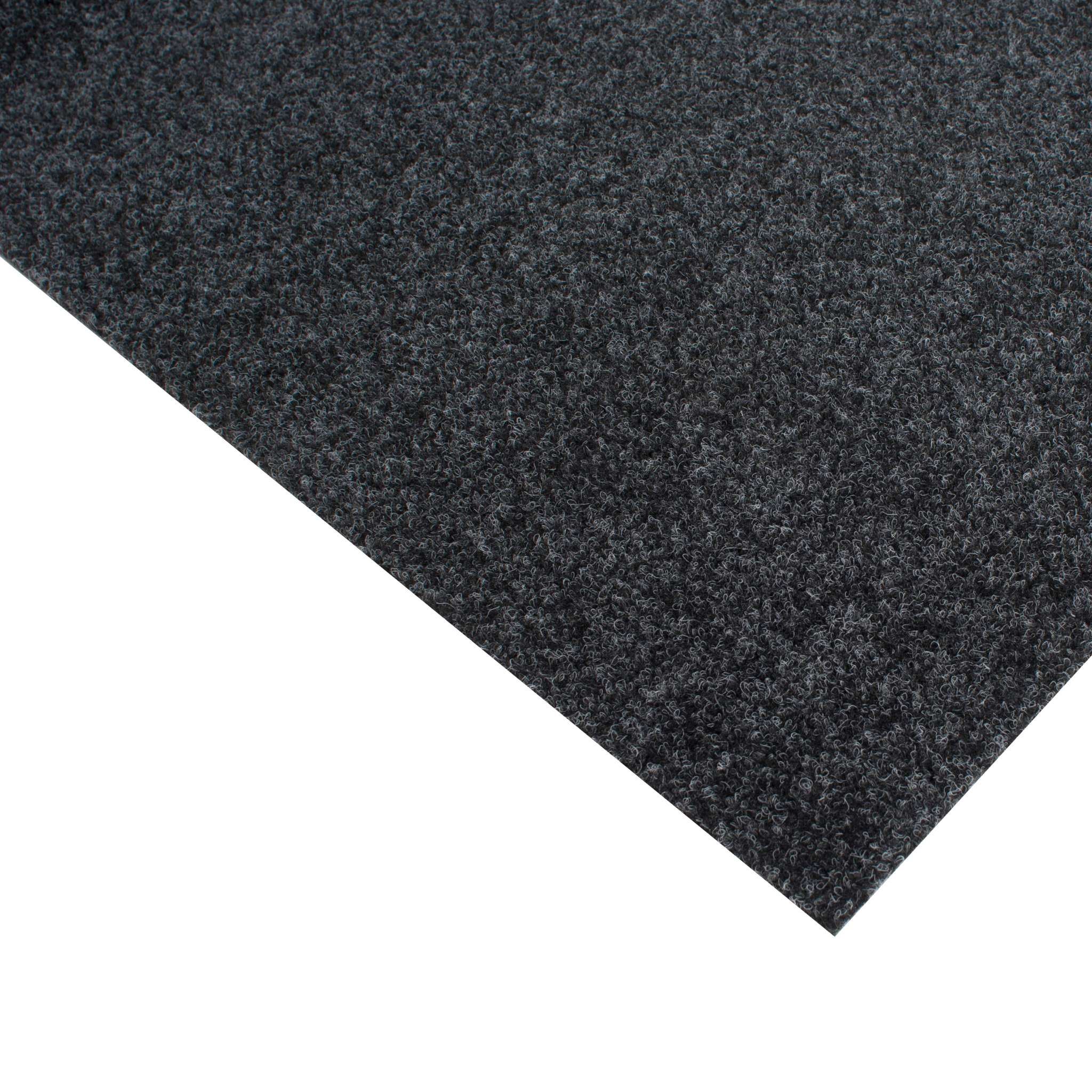
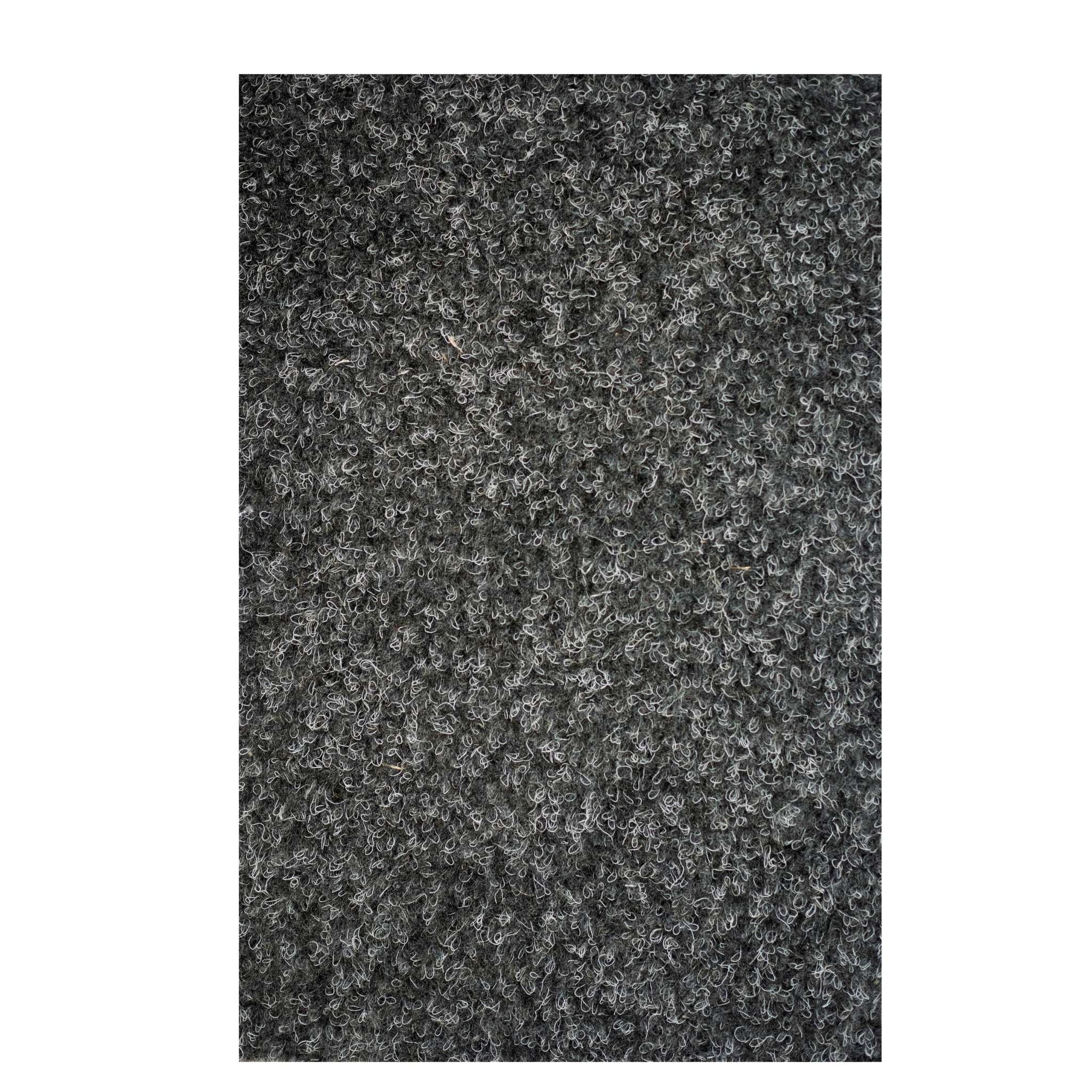
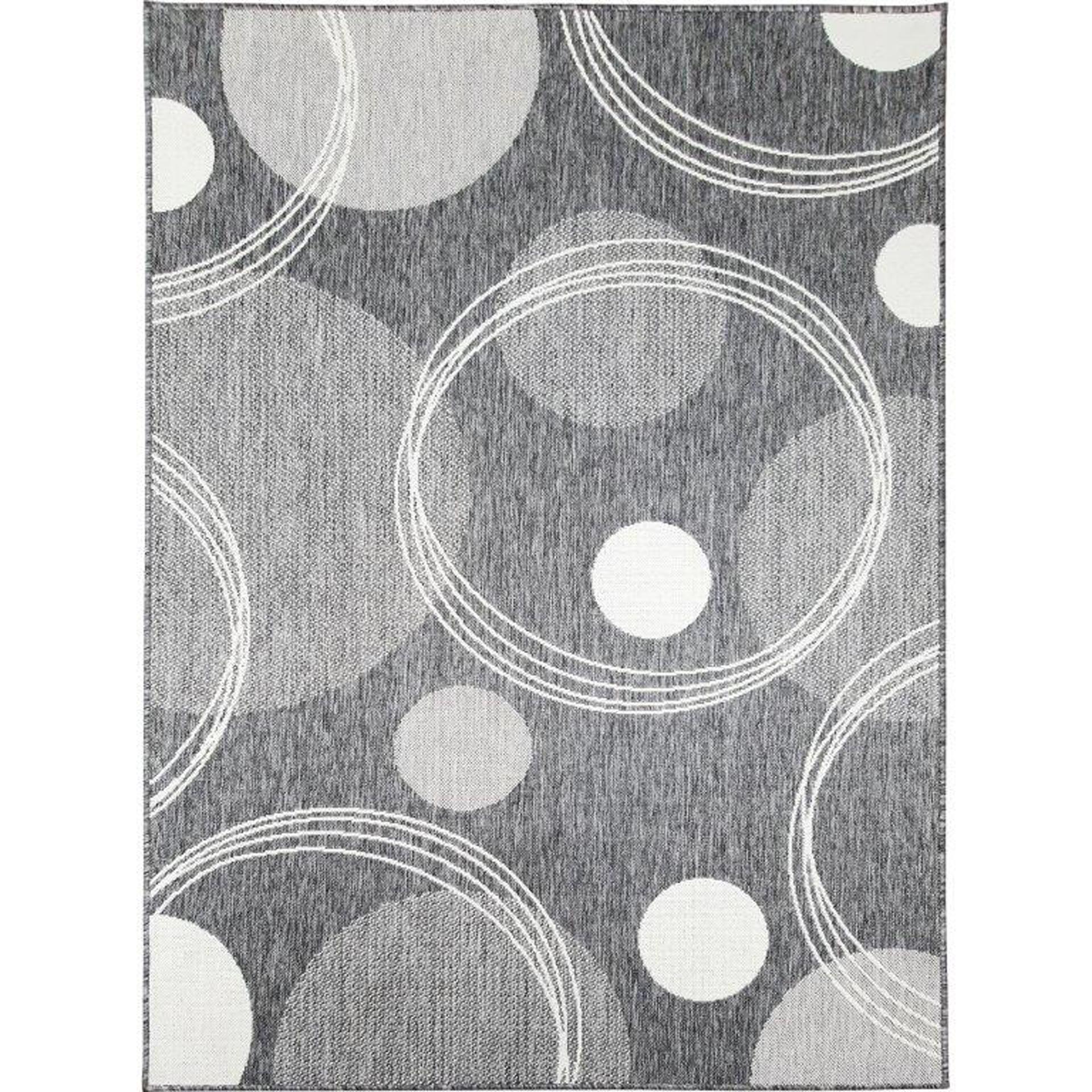
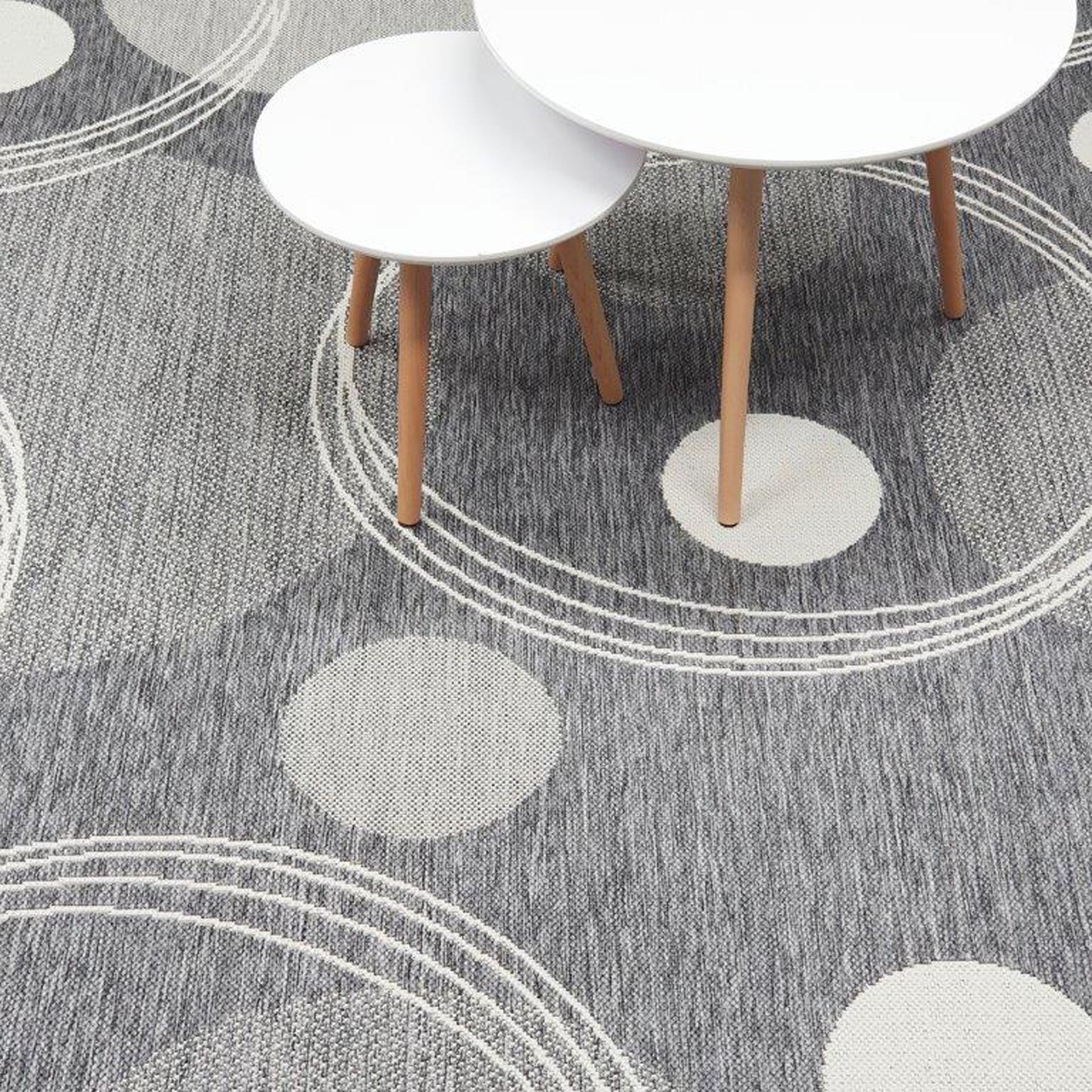
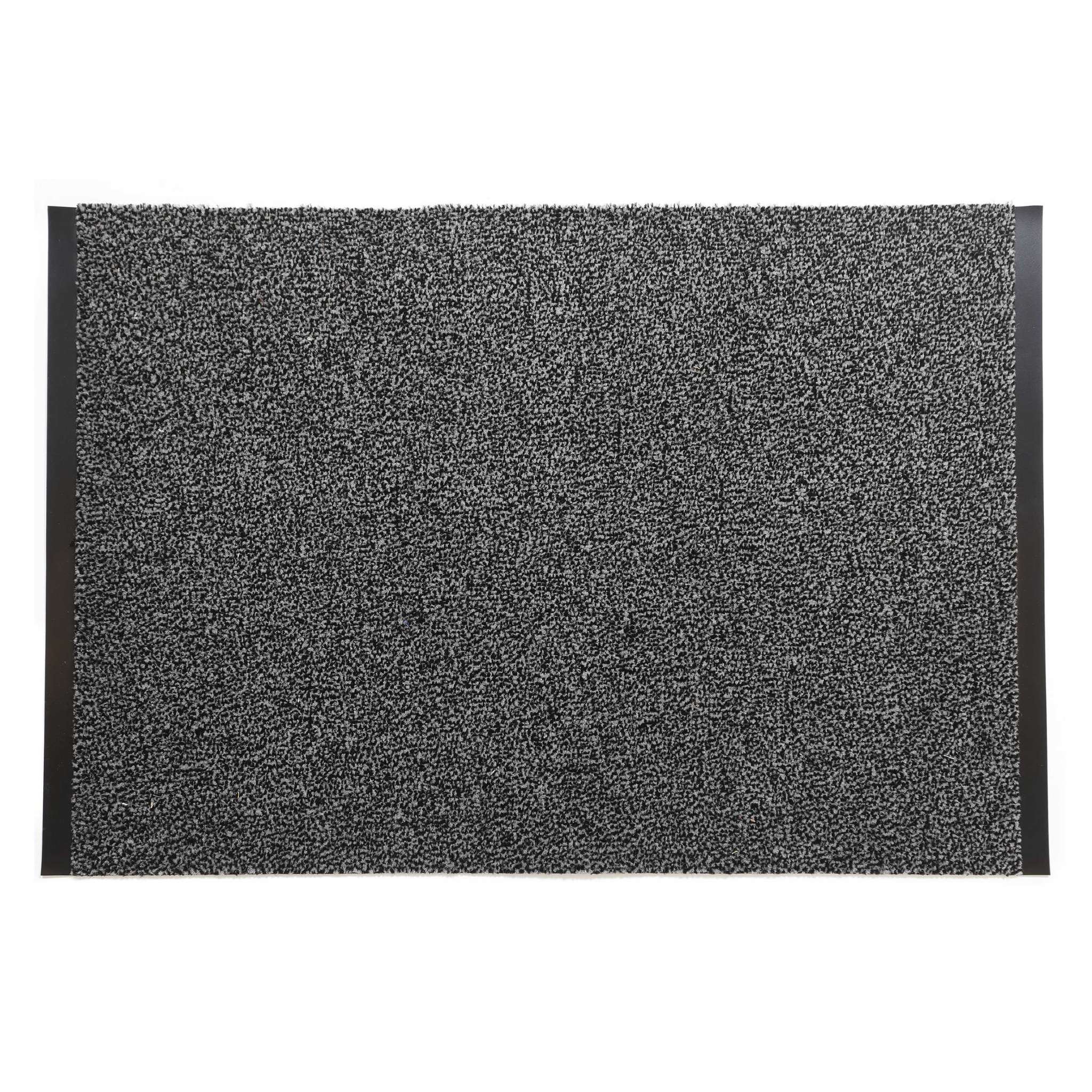
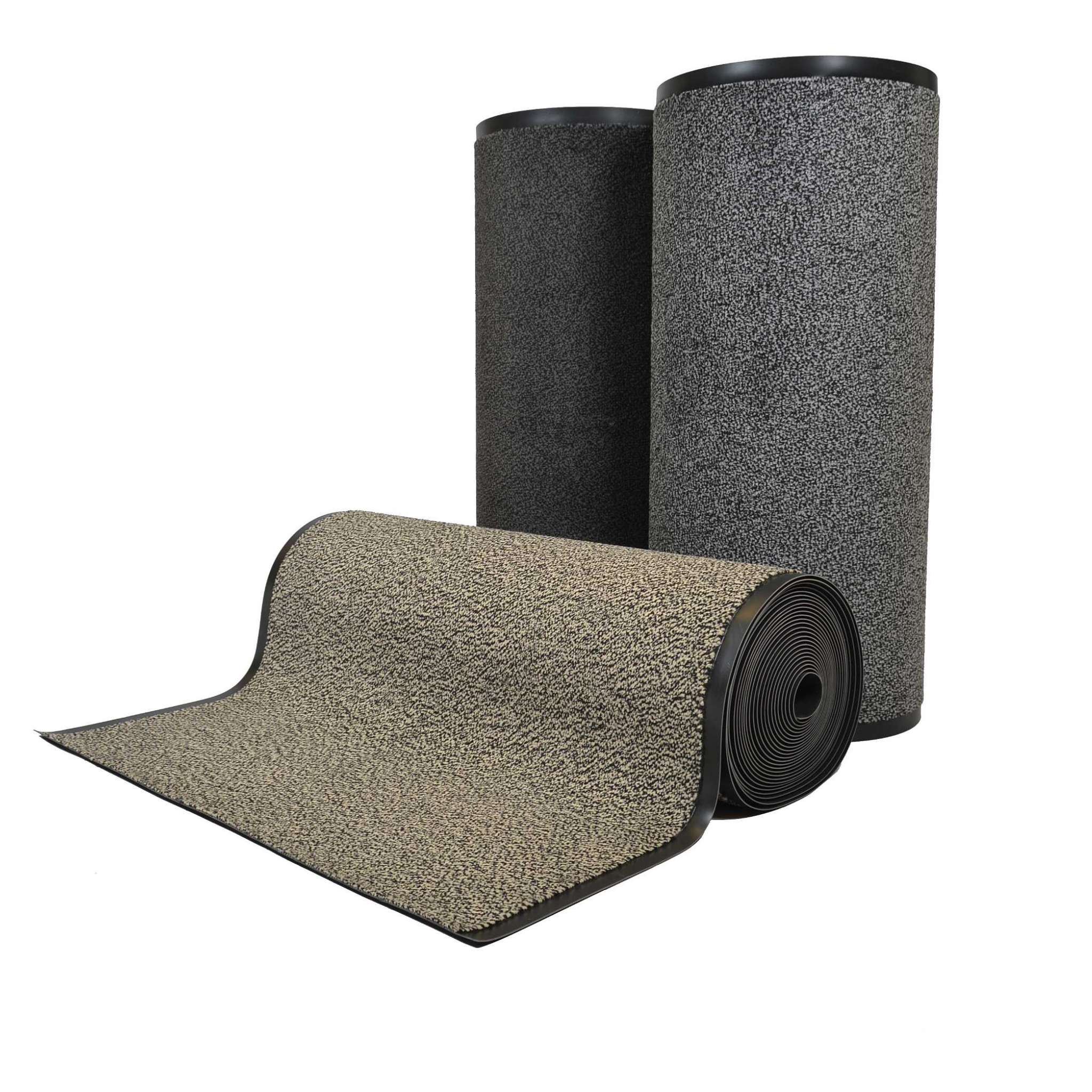
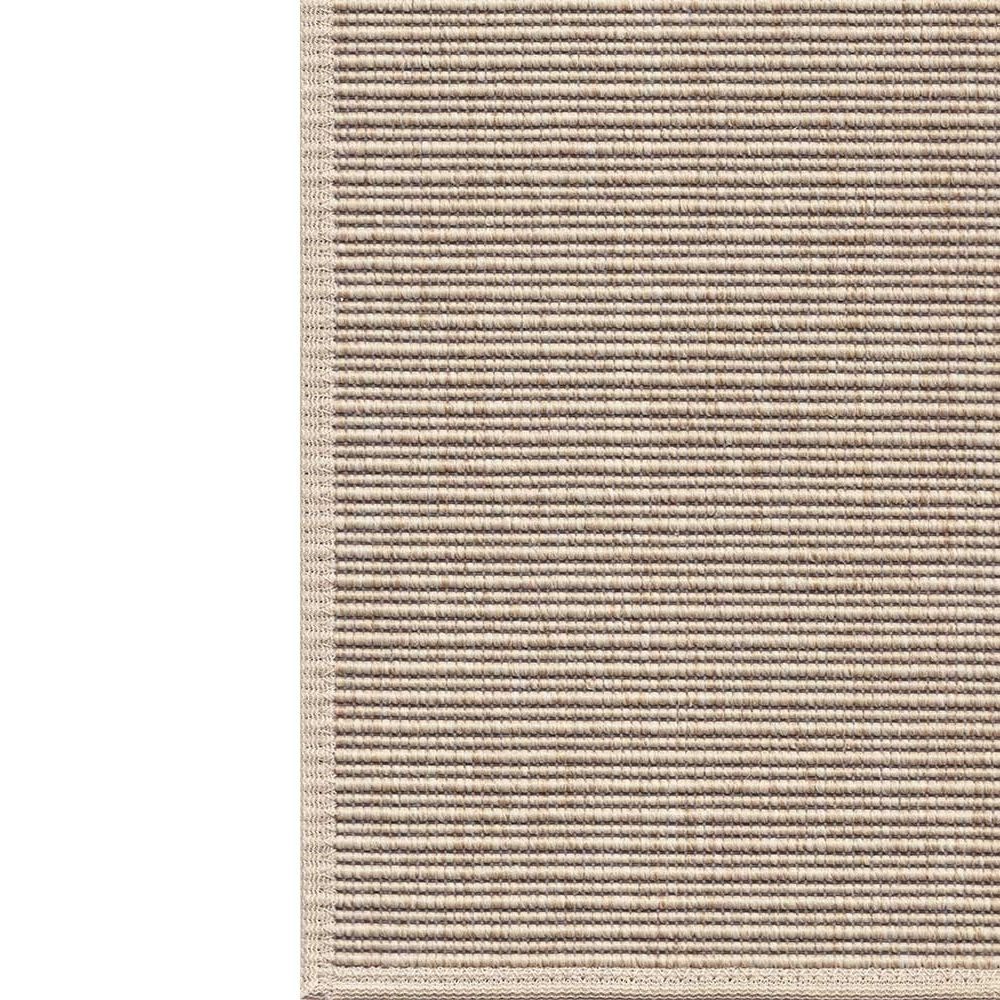
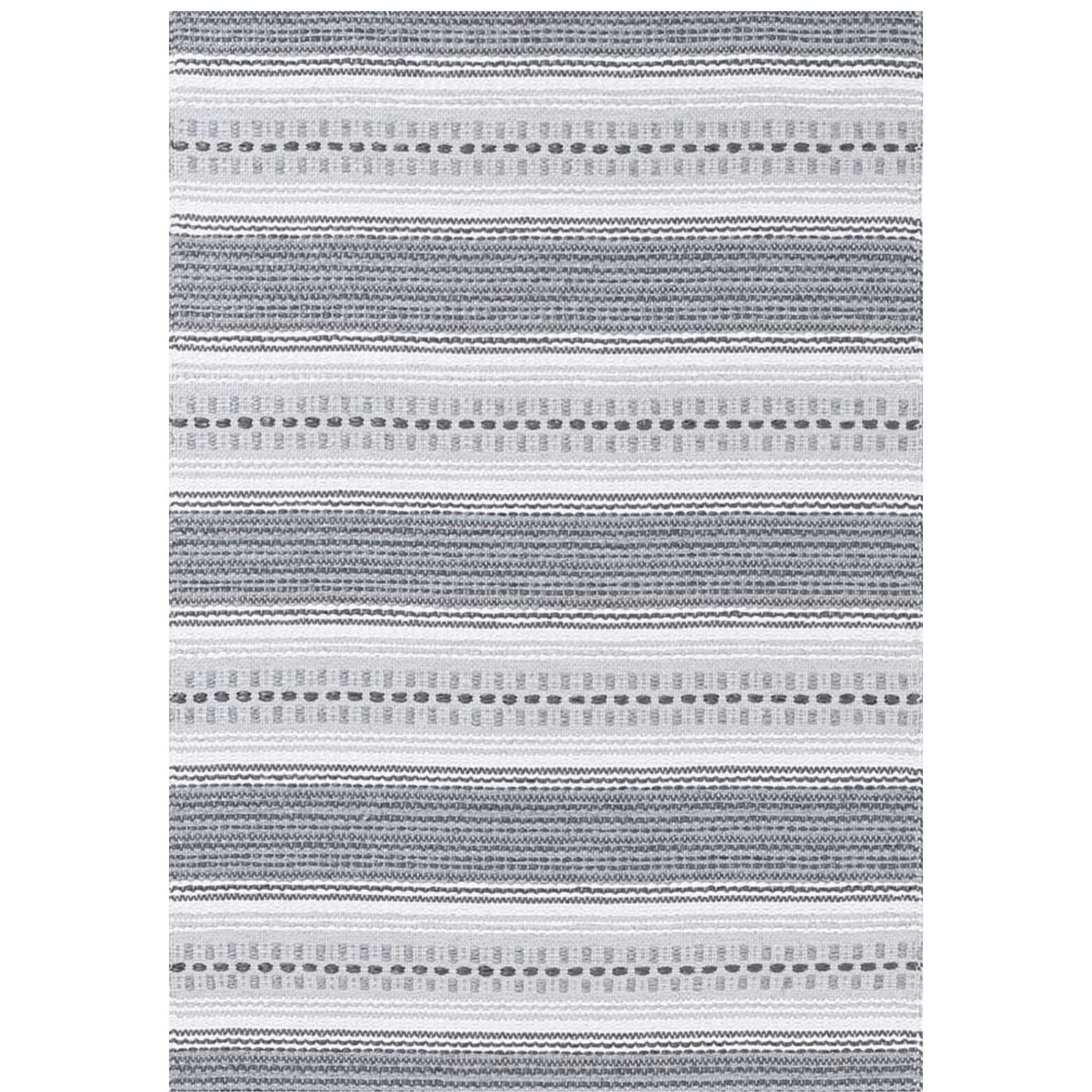
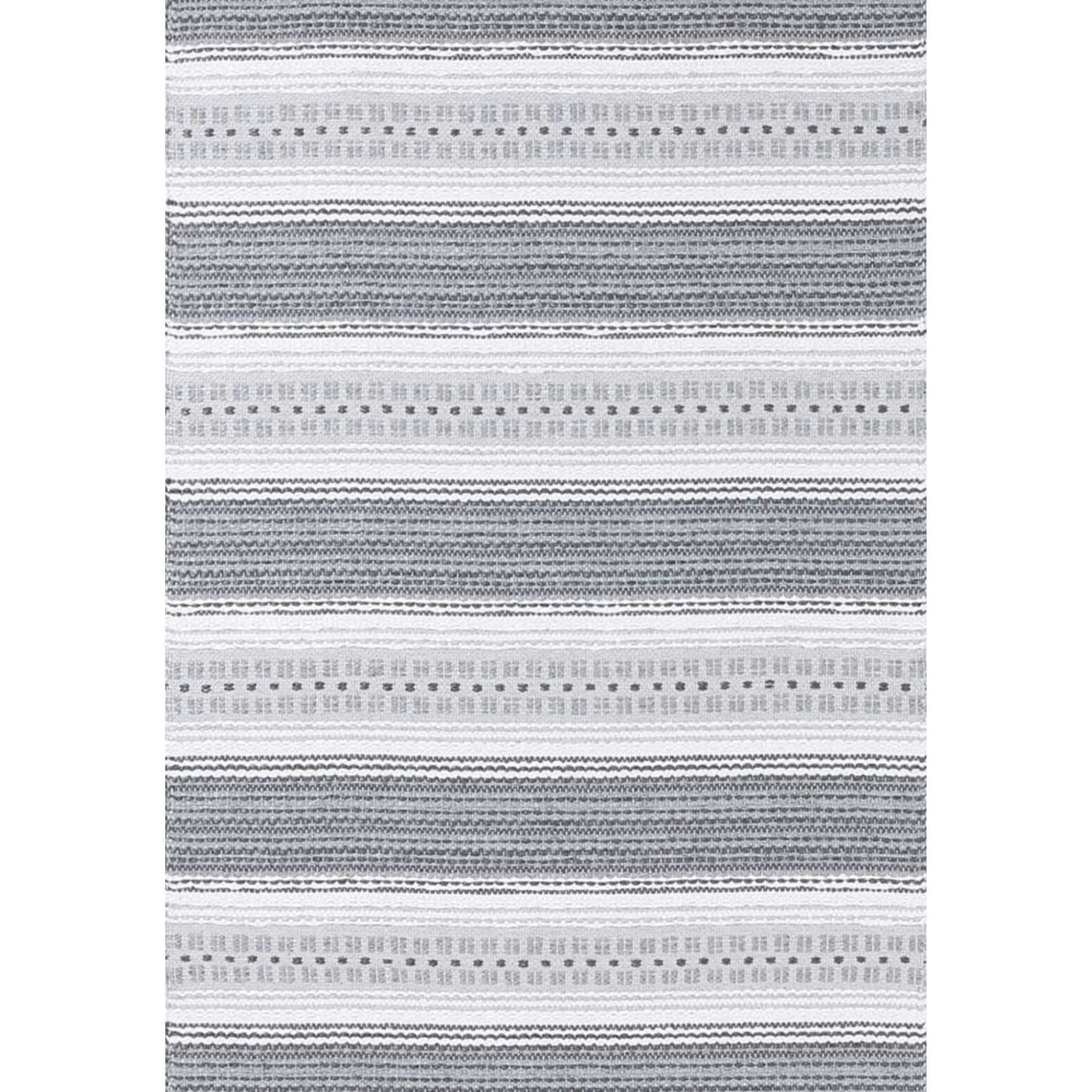
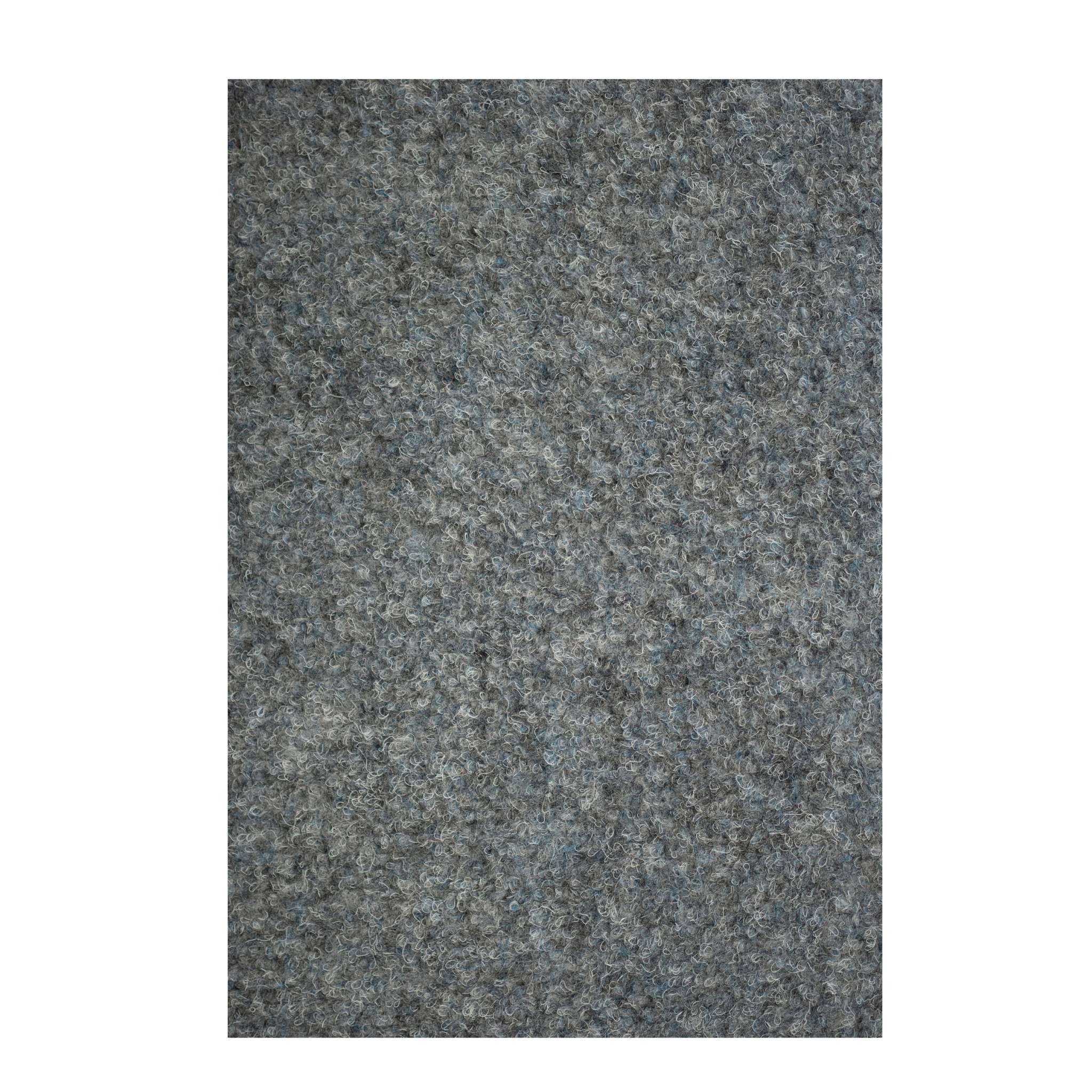
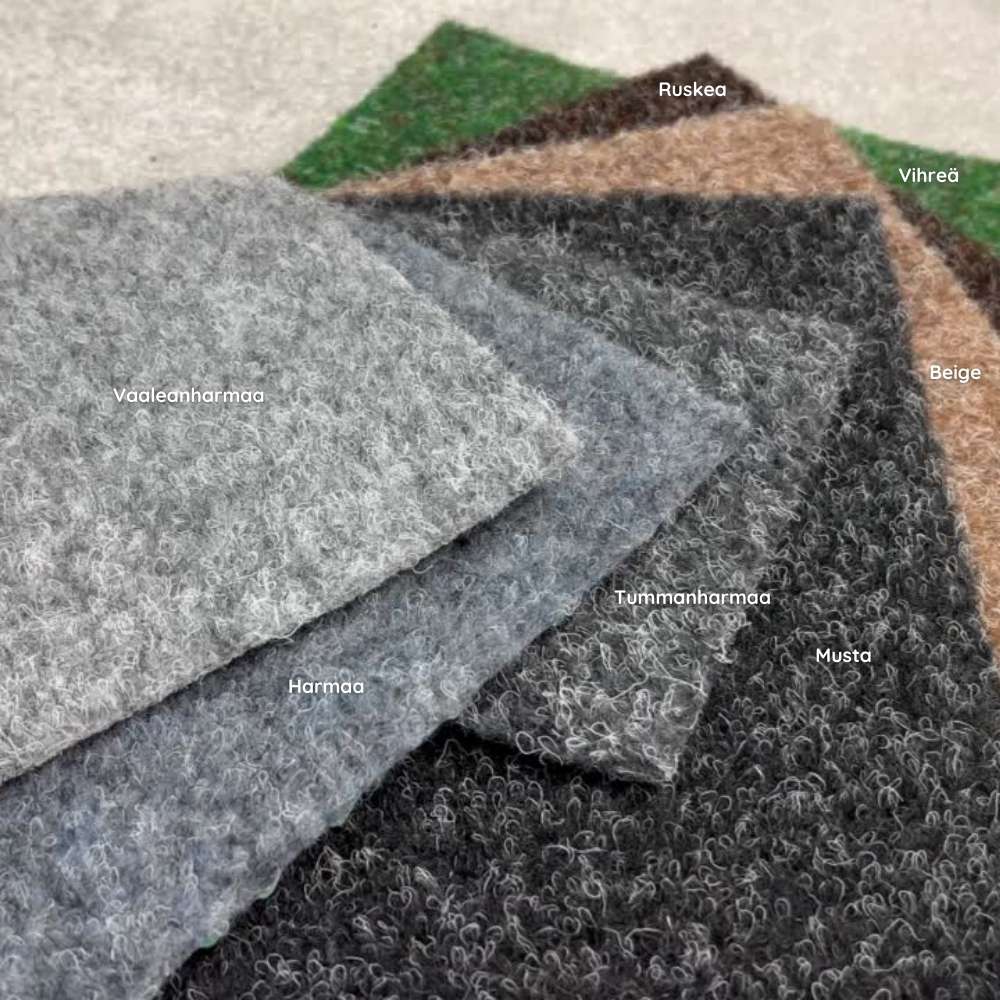
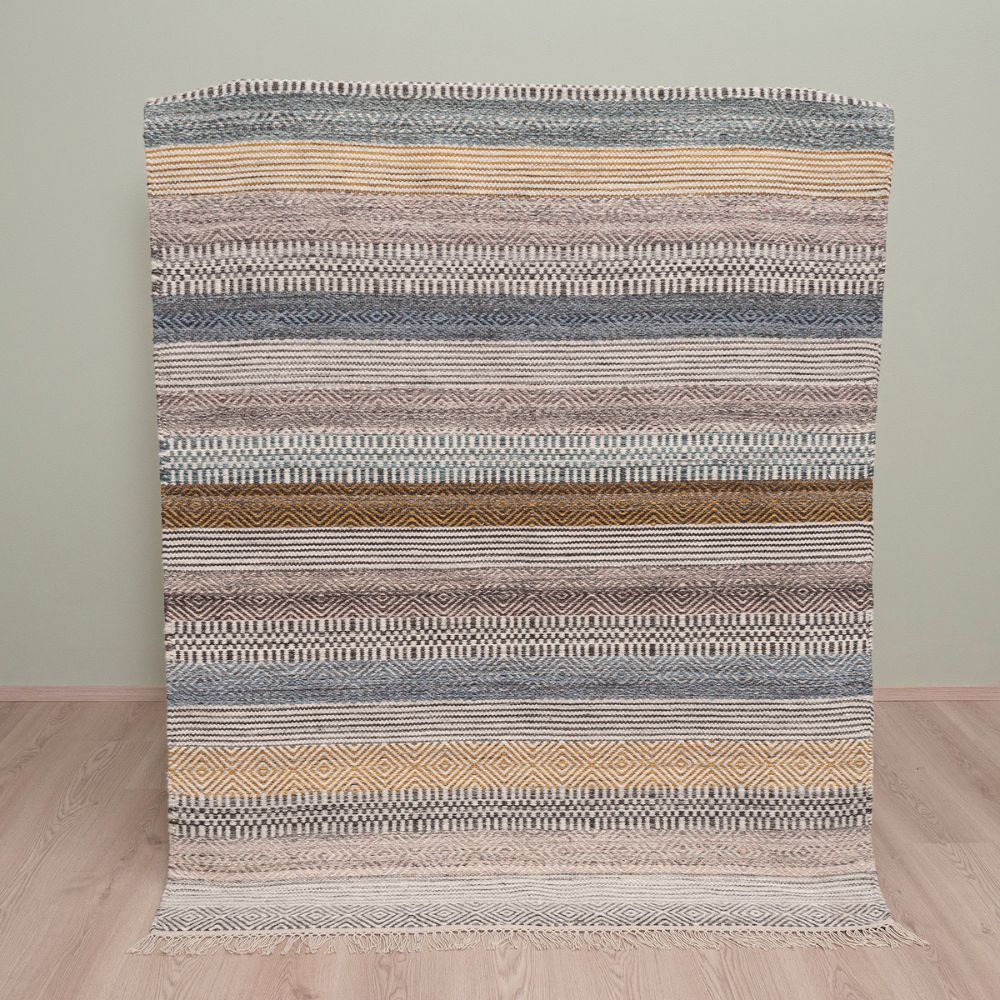
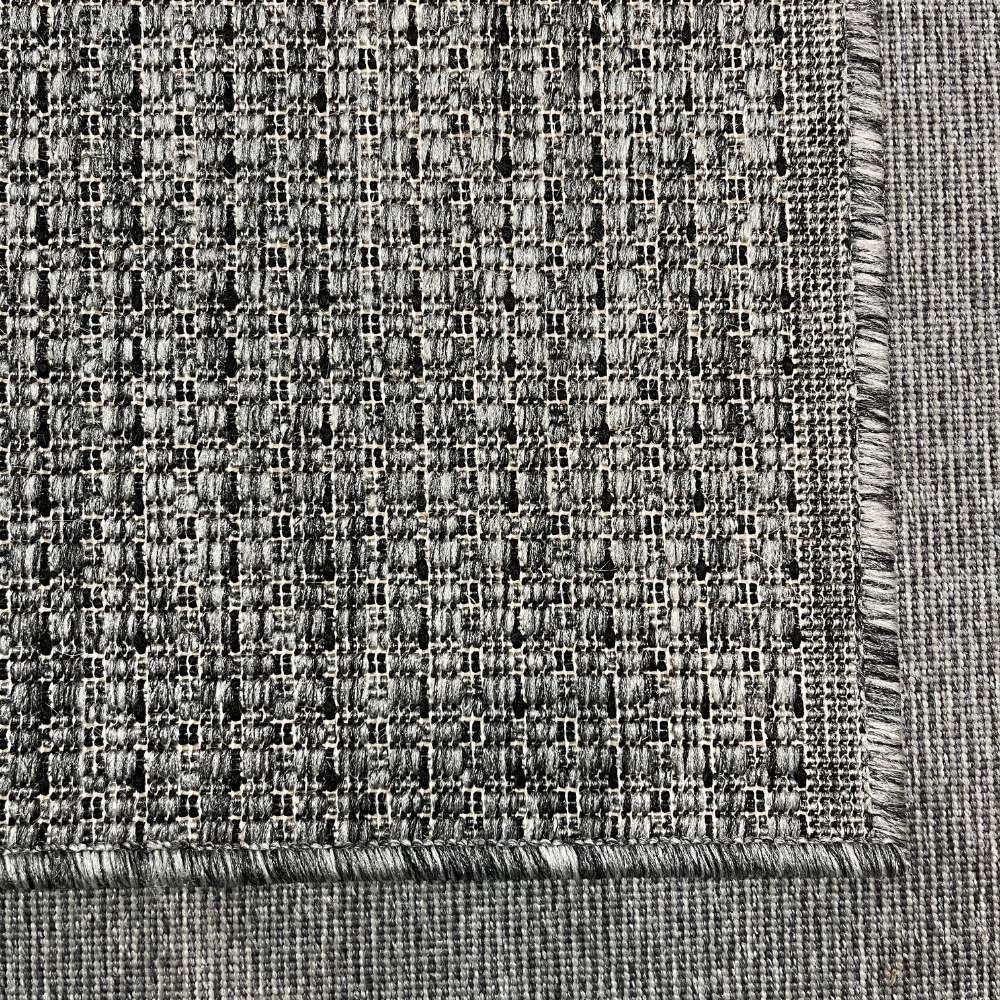
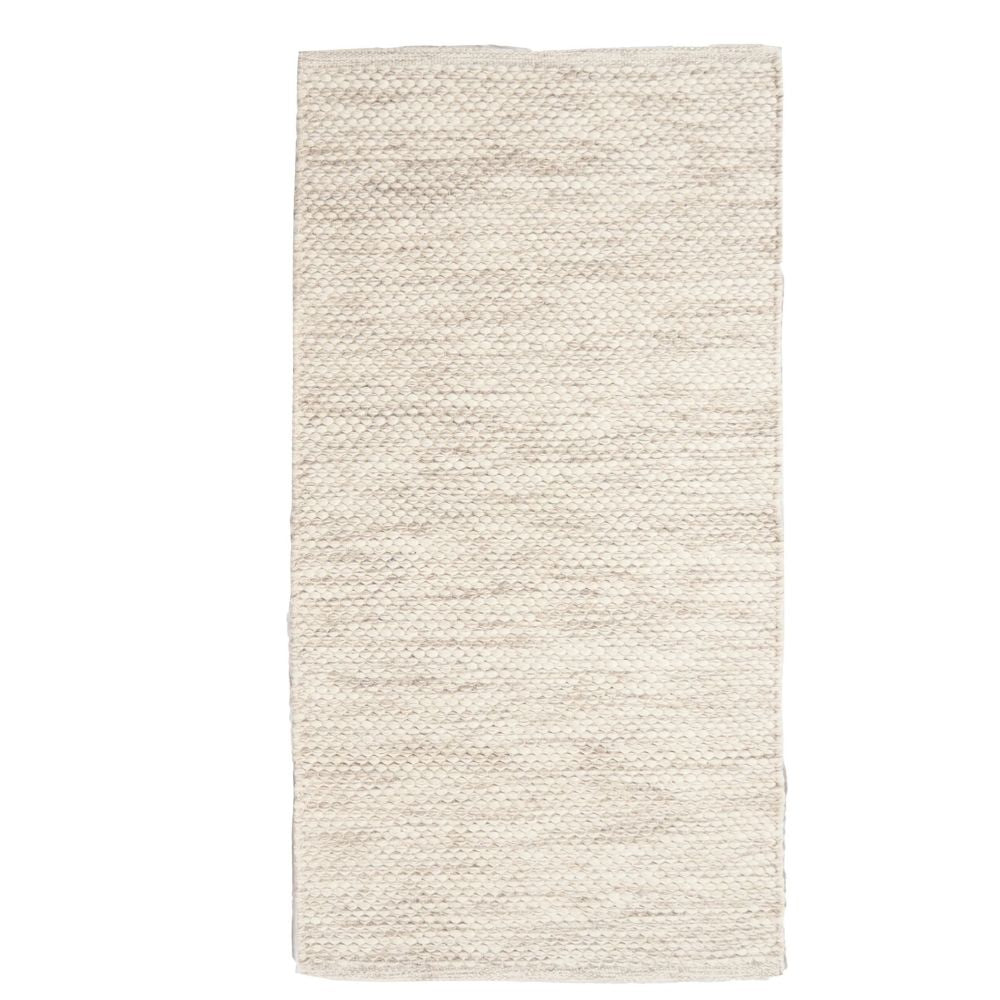
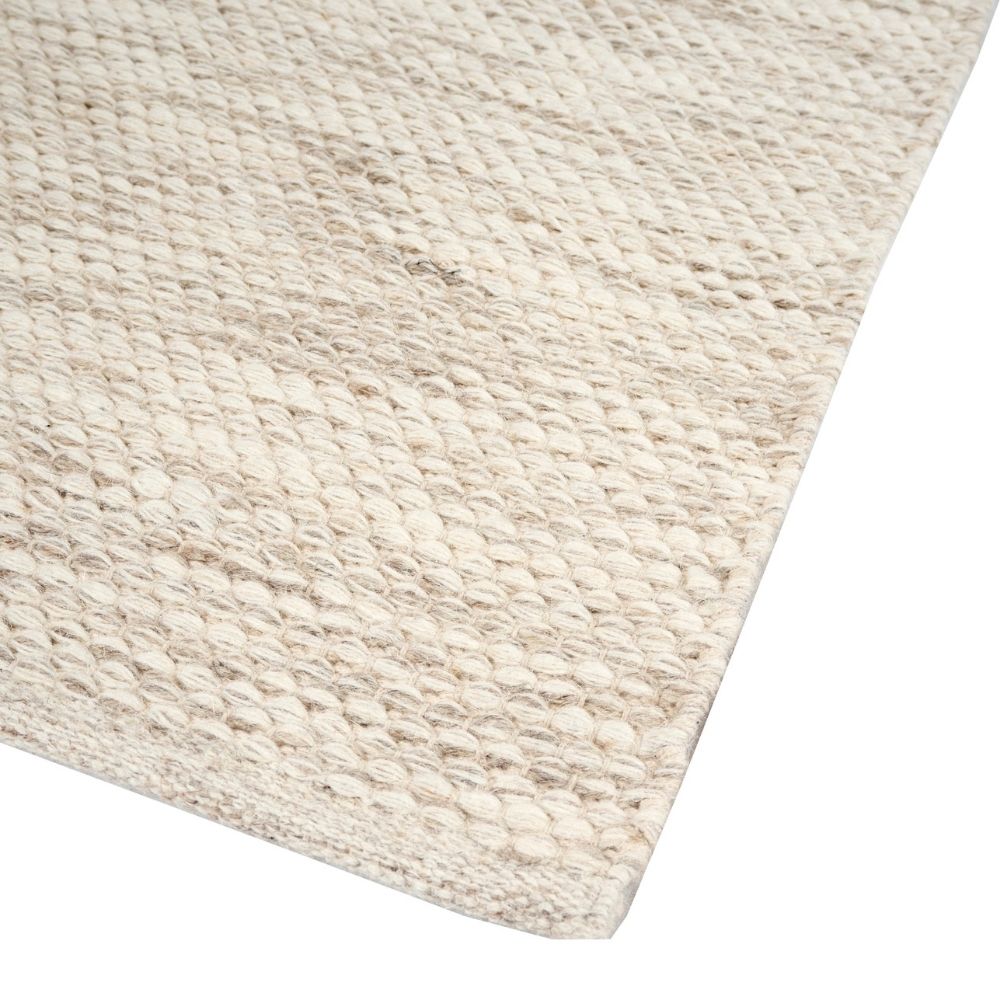
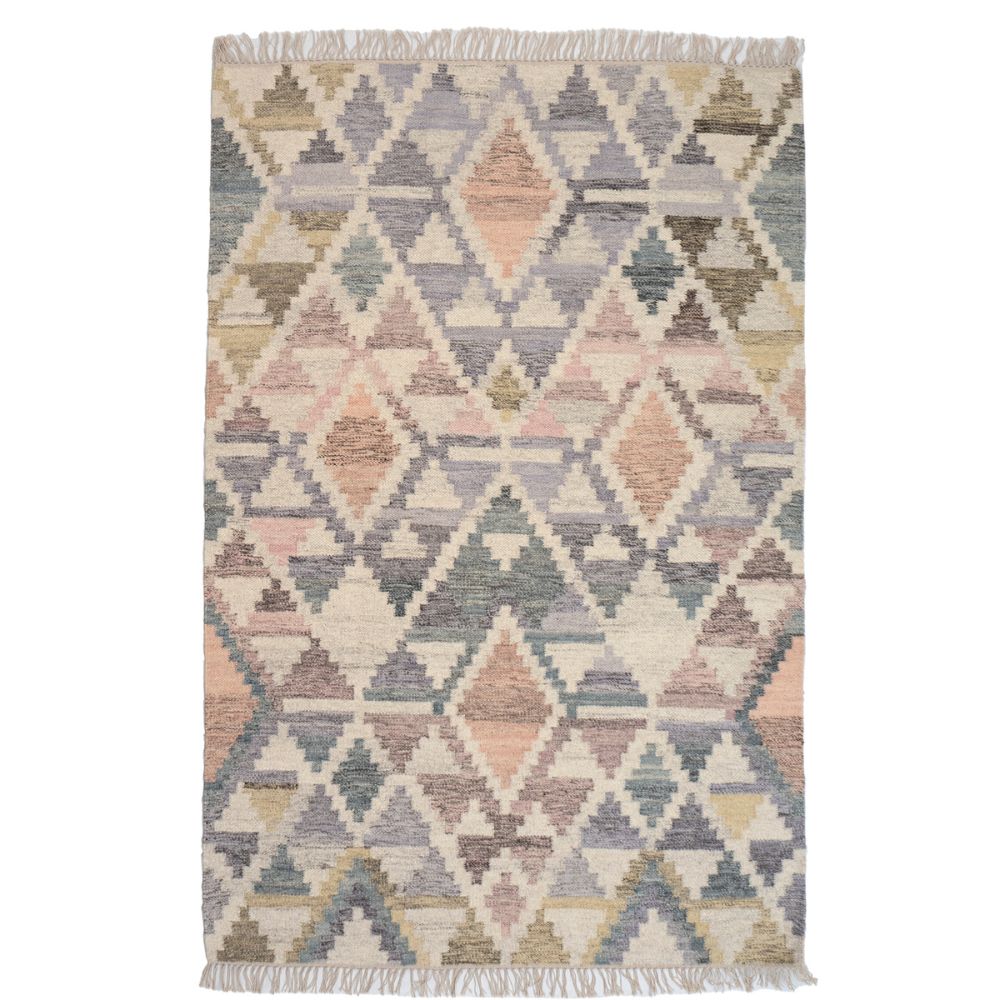
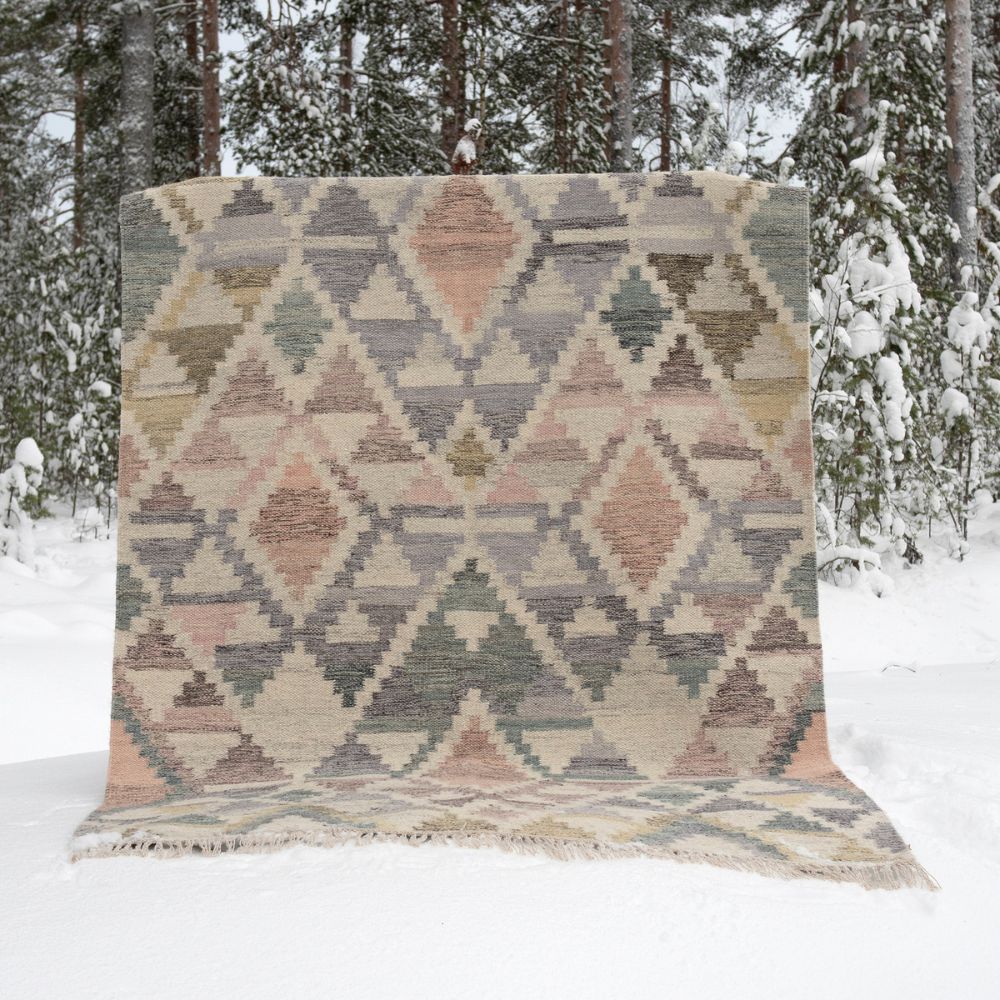
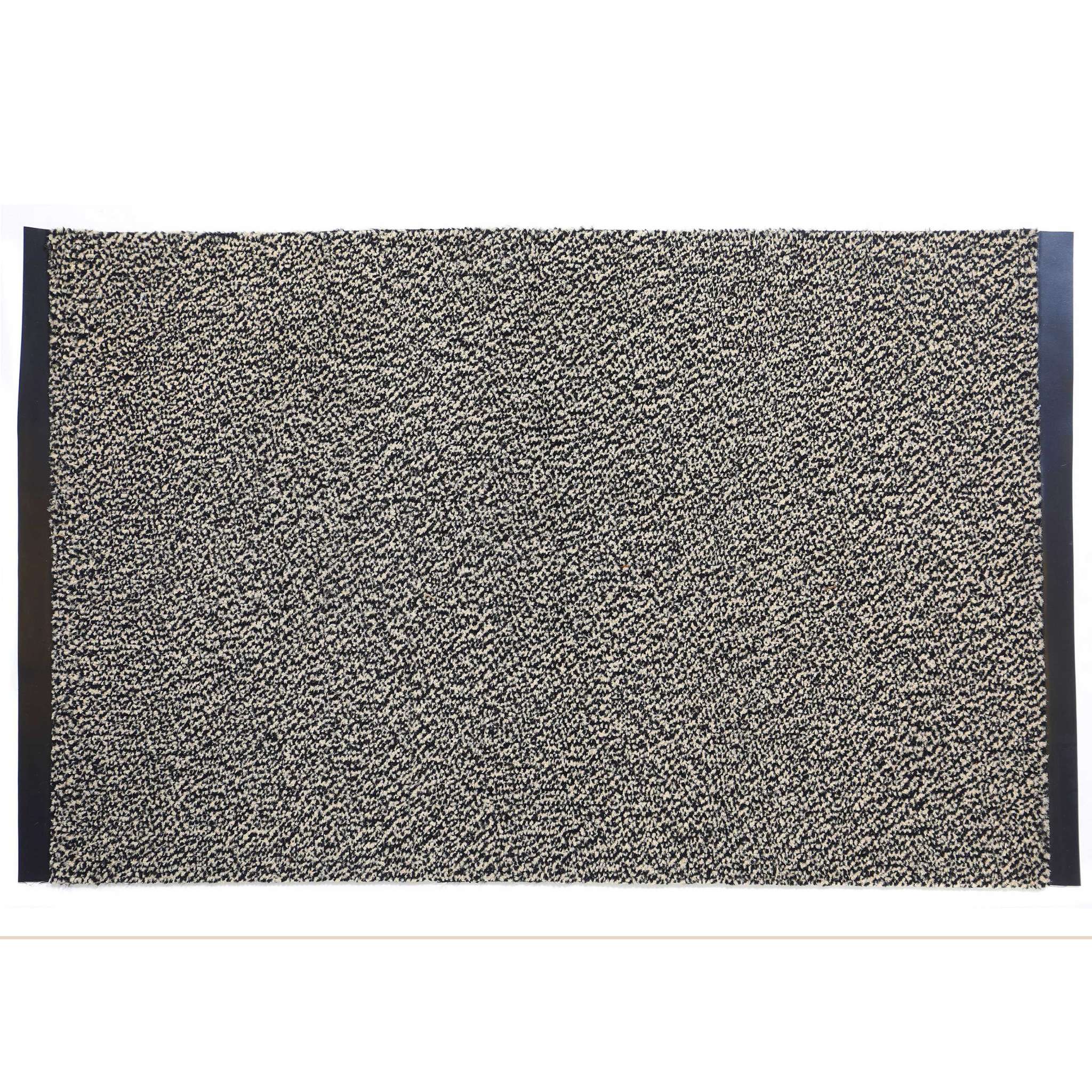
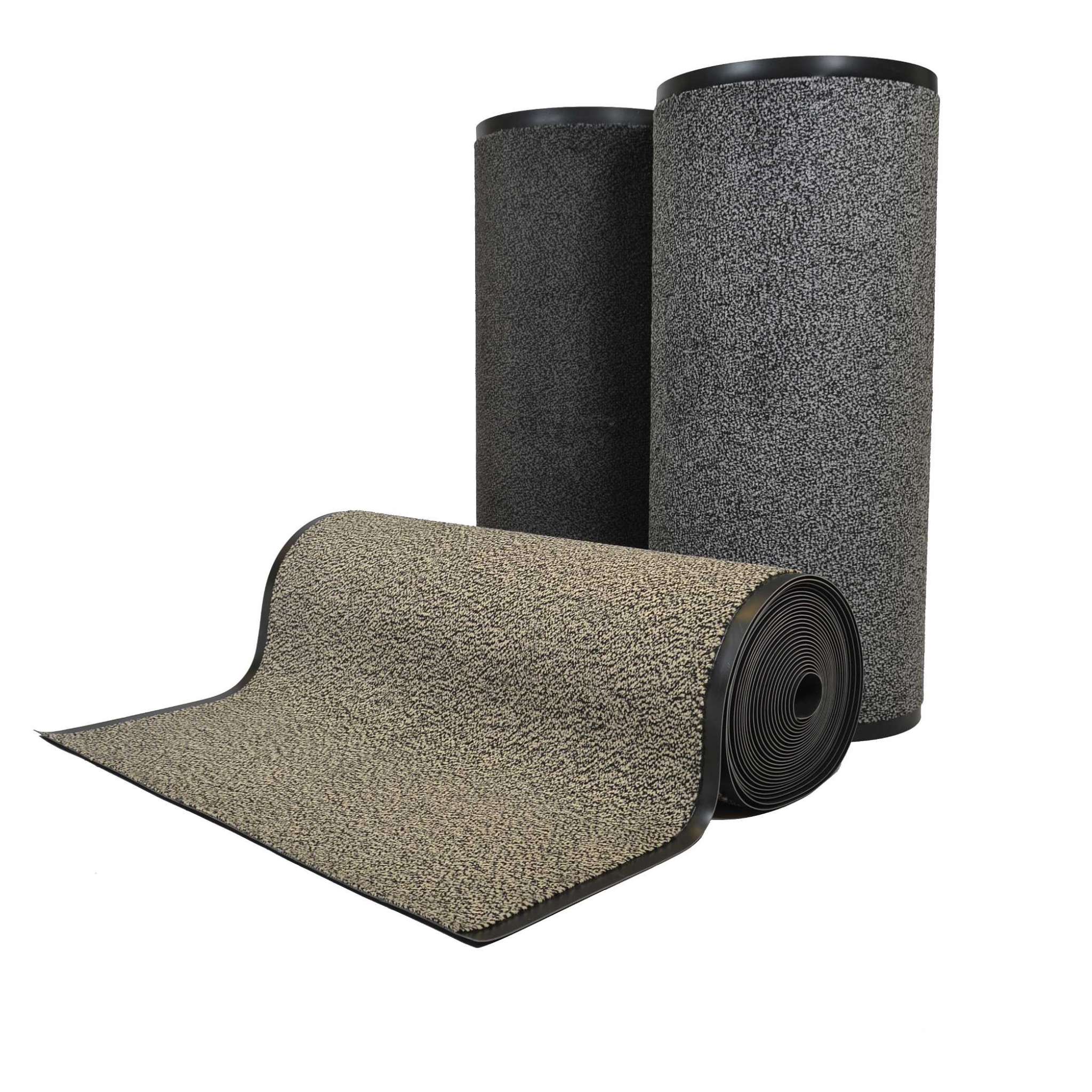
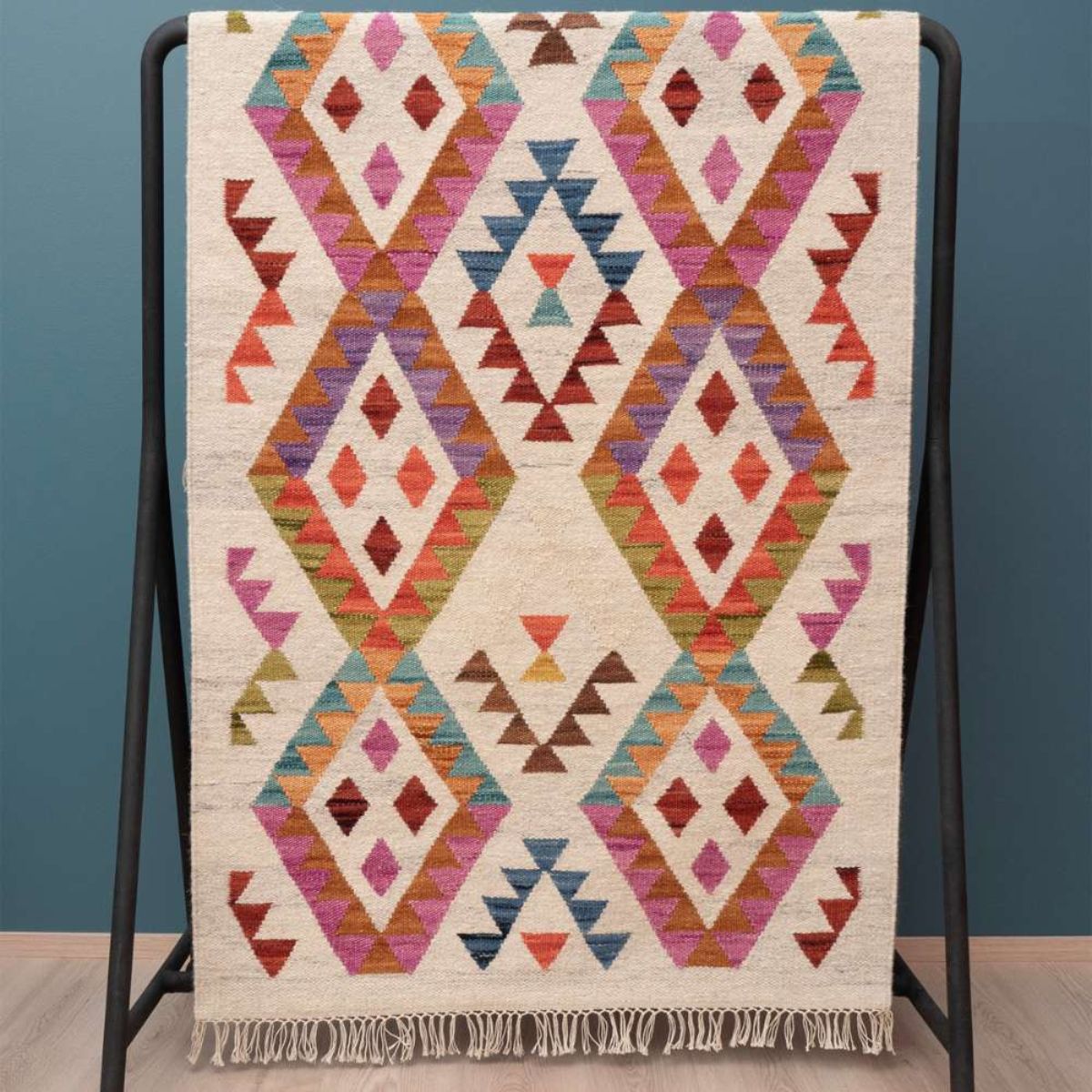
A softly patterned or multicoloured surface can make small signs of everyday use less noticeable between cleaning sessions. A heathered surface, for example, contains several closely related shades, so individual crumbs or slight colour variations may not stand out as strongly as they would on a completely uniform surface.
When choosing a colour, consider:
- the colour of the floor
- the amount of natural light
- the colours of the furniture
- whether light or dark debris is more likely to be visible
- whether the rug should calm or brighten the room
- how frequently the rug can realistically be vacuumed
Practicality does not mean that every family rug should be grey or strongly patterned. The aim is to choose a colour and surface that fit naturally into everyday life.
The Right Size Makes the Rug More Practical
A rug that is too small can look disconnected from the furniture and create several exposed edges in the room. If the rug is also lightweight, it may move more easily.
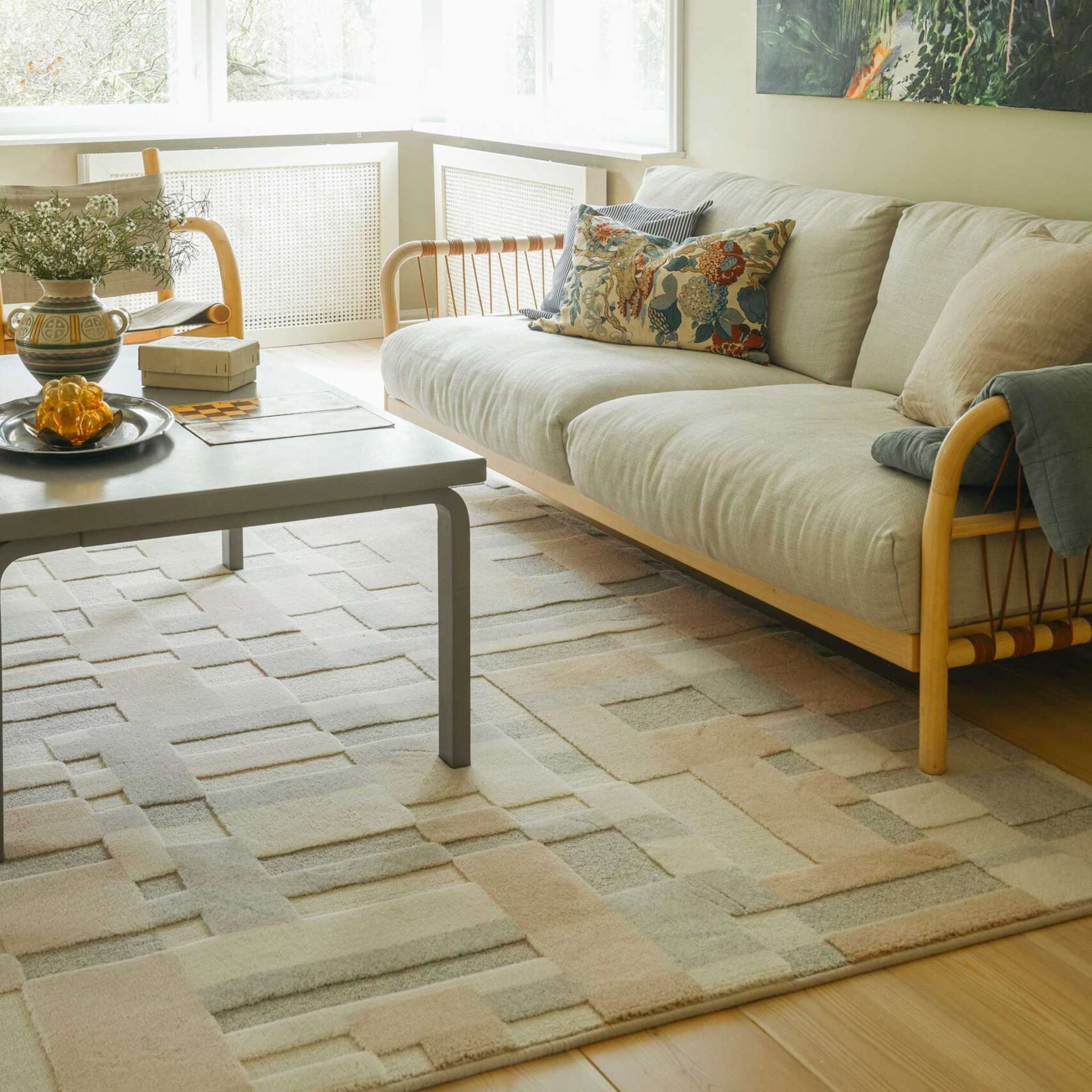
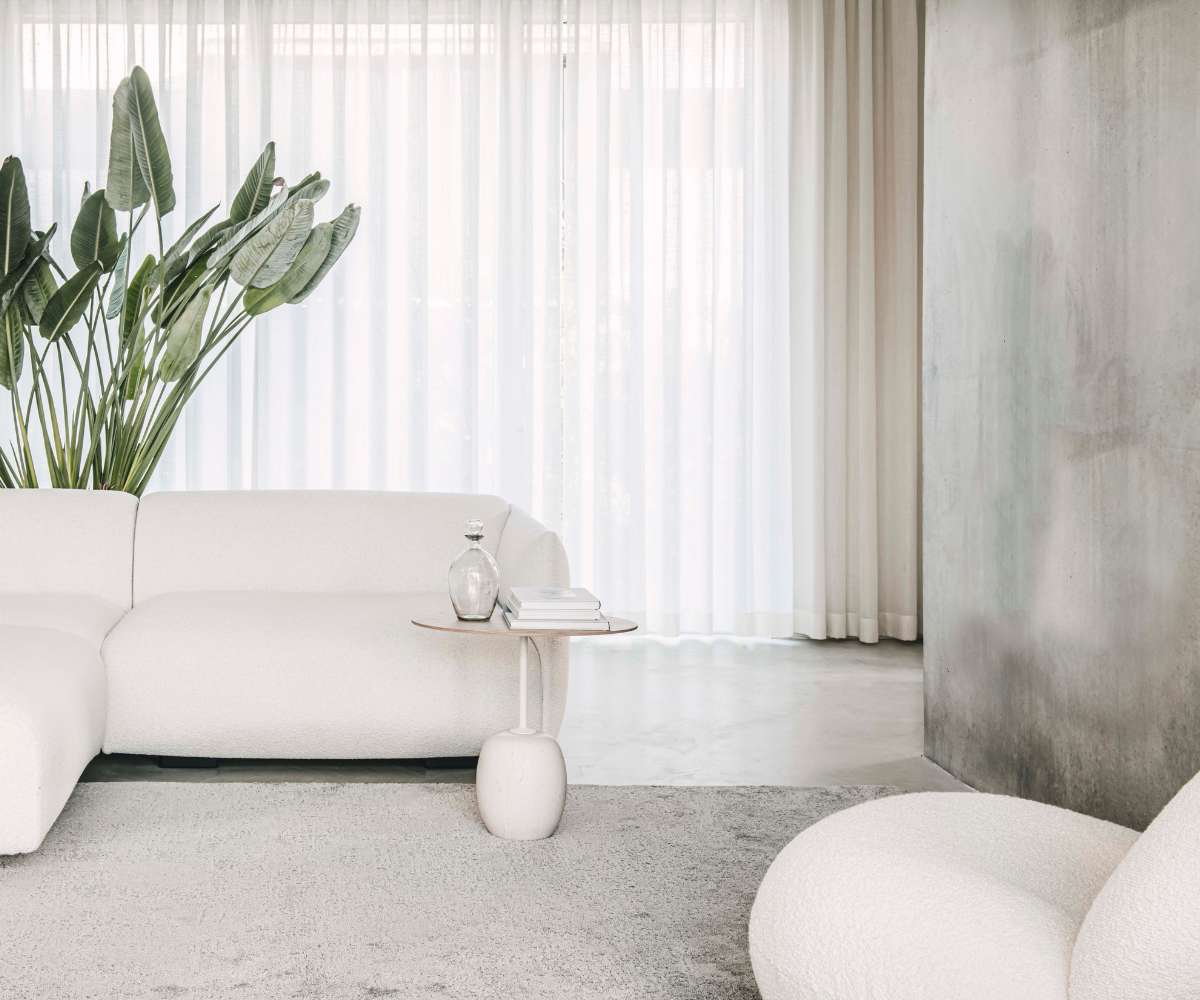
In a living room, a sufficiently large rug helps bring the seating area together. A common starting point is to position at least the front legs of the sofa and armchairs on the rug. In a larger space, the entire seating arrangement may fit on it.
In a child’s room, choose the rug size according to where play usually takes place. The rug can create a clear play area, but doors, drawers and movable furniture should still open without catching on its surface or edges.
Beneath a dining table, the rug should extend far enough beyond the table for the chair legs to remain on it when the chairs are pulled back. Measure both the table and the space needed for the chairs before deciding on a size.
More detailed room-by-room measuring advice is available in the rug size guide.
Make Sure the Rug Stays in Place
In a family home, people walk and run across rugs, and toys or other objects may be moved from one area to another. If the rug slides, wrinkles or develops raised corners, the room becomes less practical.
Stability is affected by:
- the rug’s weight
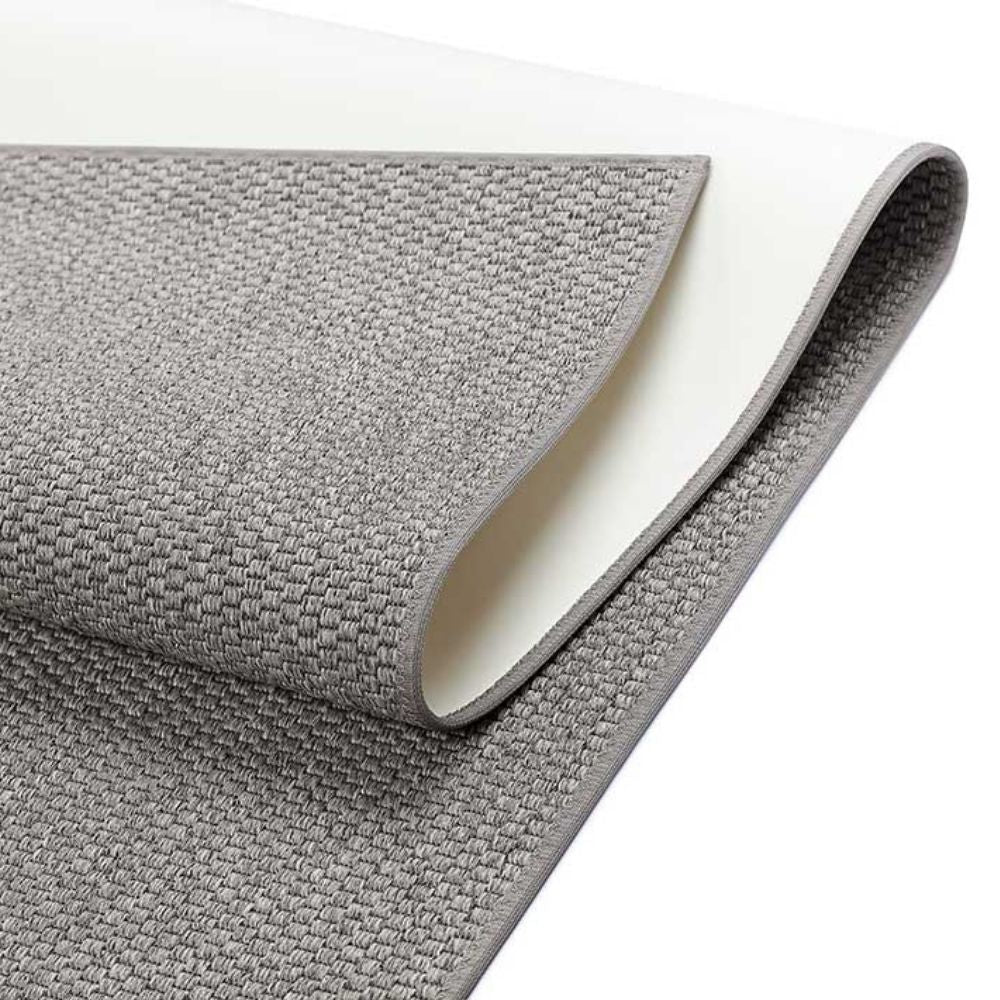
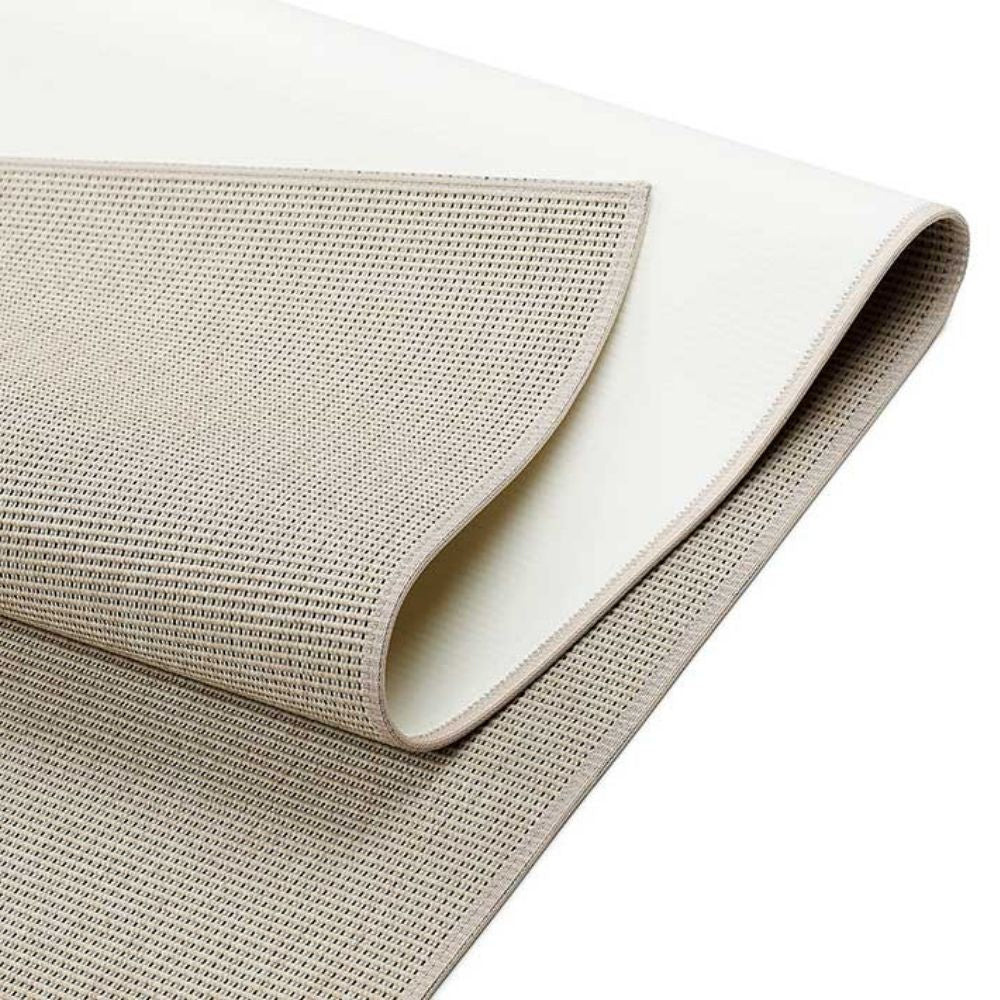
- its backing
- the floor material
- the rug’s dimensions
- the position of furniture
- any anti-slip underlay
- underfloor heating
- the condition of the edges and corners
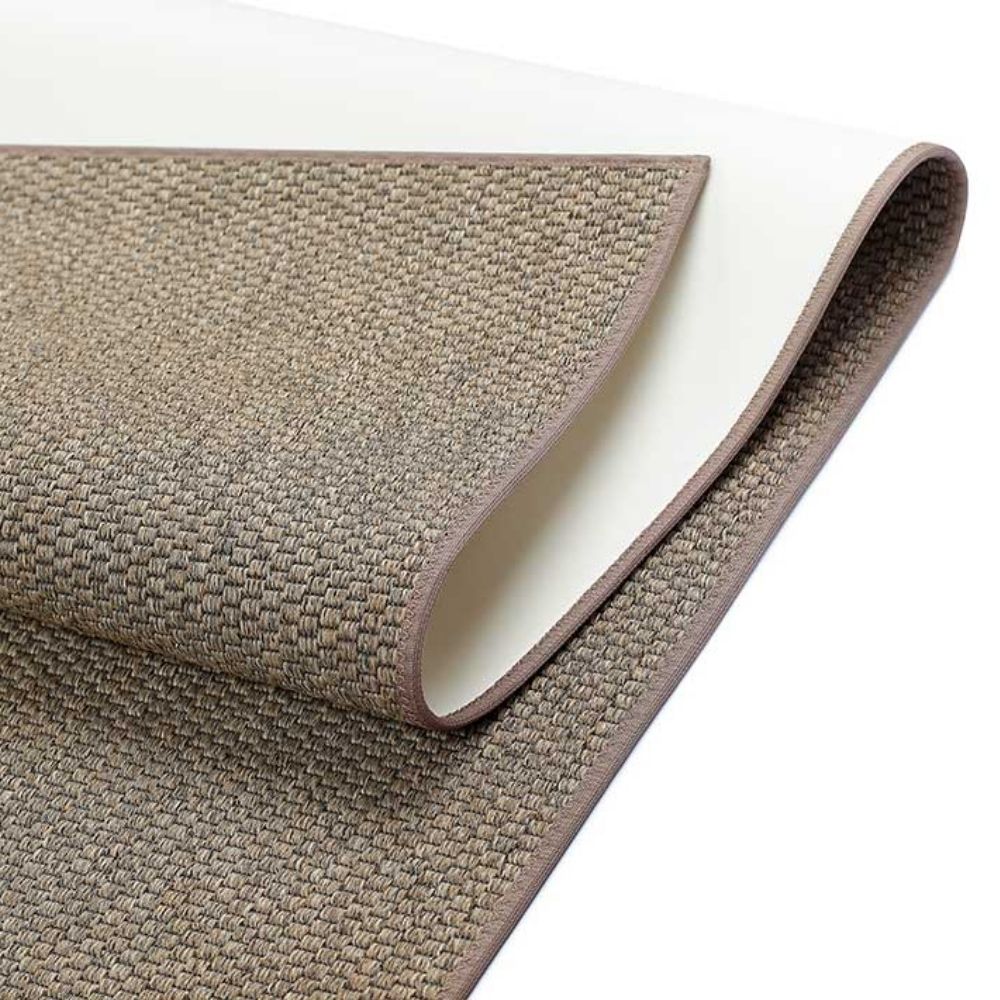
A separate anti-slip underlay may help, but it must be compatible with the rug and the floor. Pay particular attention to its suitability for the floor material and underfloor heating. An unsuitable underlay may leave marks or affect the floor’s surface.
Avoid fixing a rug to the floor with random tapes or adhesives. They may damage the rug, the flooring or both.
Choosing a Family Rug for Different Rooms
Living room
A living-room rug often needs to balance softness, appearance and practical maintenance. A low-pile or flatwoven design can be a useful starting point when children play in the room or eat occasional snacks there.
Choose a sufficiently large size so the rug connects naturally with the furniture instead of floating separately in the middle of the room. Check how the legs of the sofa, tables, armchairs and storage furniture will be positioned.
Child’s room
In a child’s room, a rug can define the play area and make spending time on the floor more comfortable. The surface should be easy enough to vacuum, and small toys should not disappear too easily between the fibres.
A very deep pile can hide small pieces. At the other extreme, an exceptionally coarse surface may not feel comfortable against bare knees. The right balance depends on the child’s age and how the room is used.
Dining area
An even surface is often practical in a dining area because crumbs can be seen and vacuumed. The rug should be large enough for the chairs to remain on it when they are pulled away from the table.
Check the care instructions to see how local stains can be treated. If liquid spills are likely, moisture sensitivity and the permitted washing method become particularly important.
Hallway or entrance
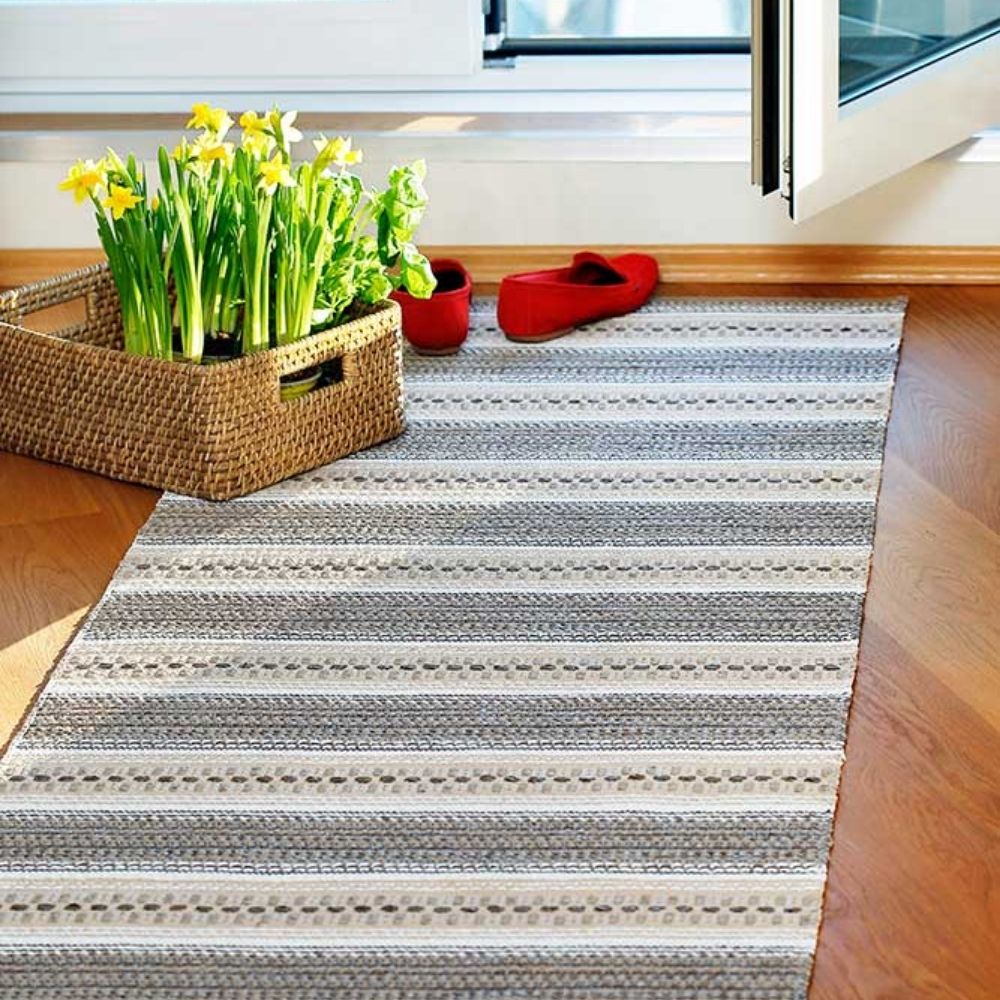
An entrance rug may be exposed to moisture, sand and dirt carried in from outdoors. Children’s shoes and outdoor clothing can add to the load, so durability, easy cleaning and stability are particularly important.
Make sure doors can open freely over the rug and that the edges do not sit awkwardly across a busy route.
What to Do When Something Spills on the Rug
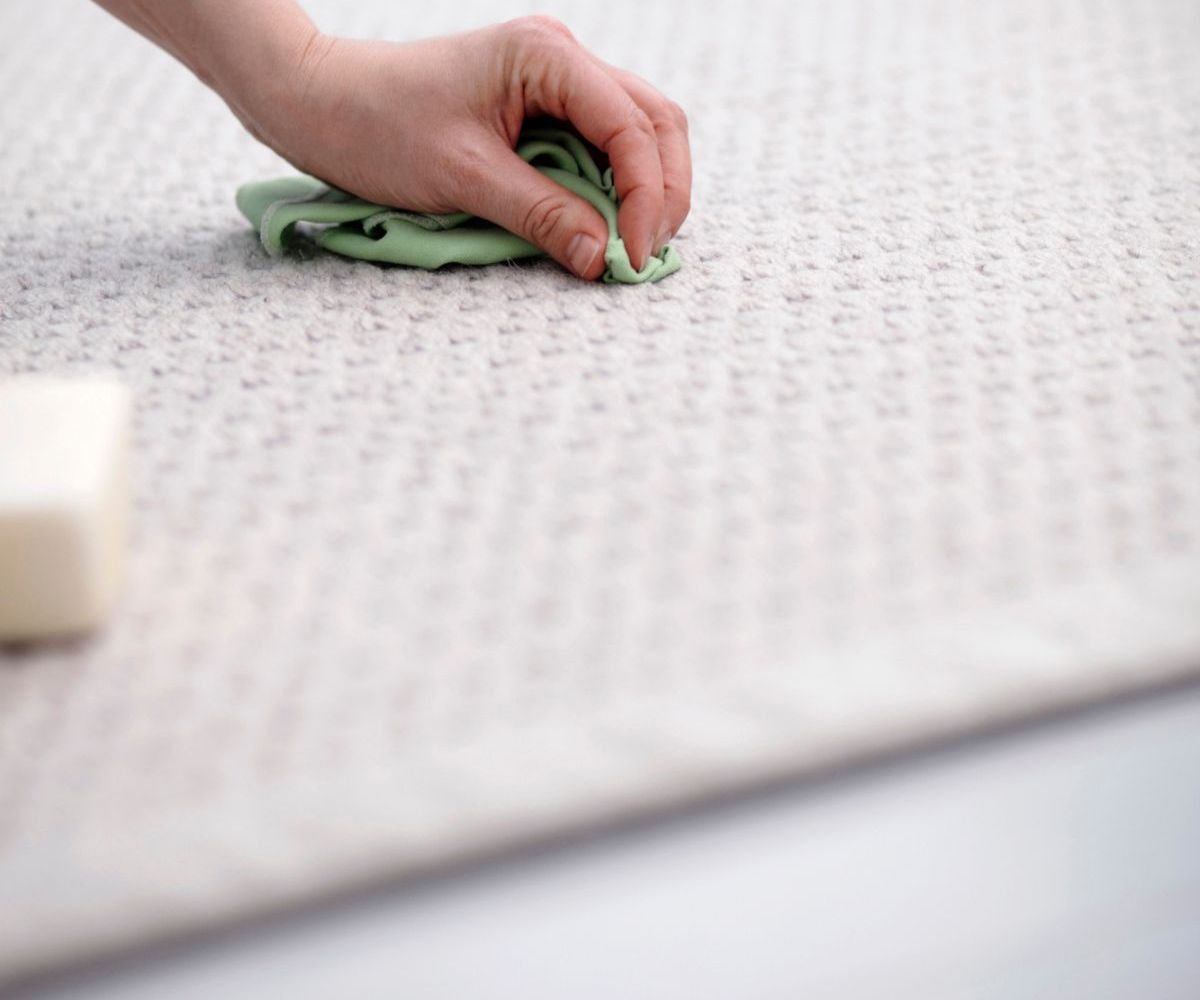
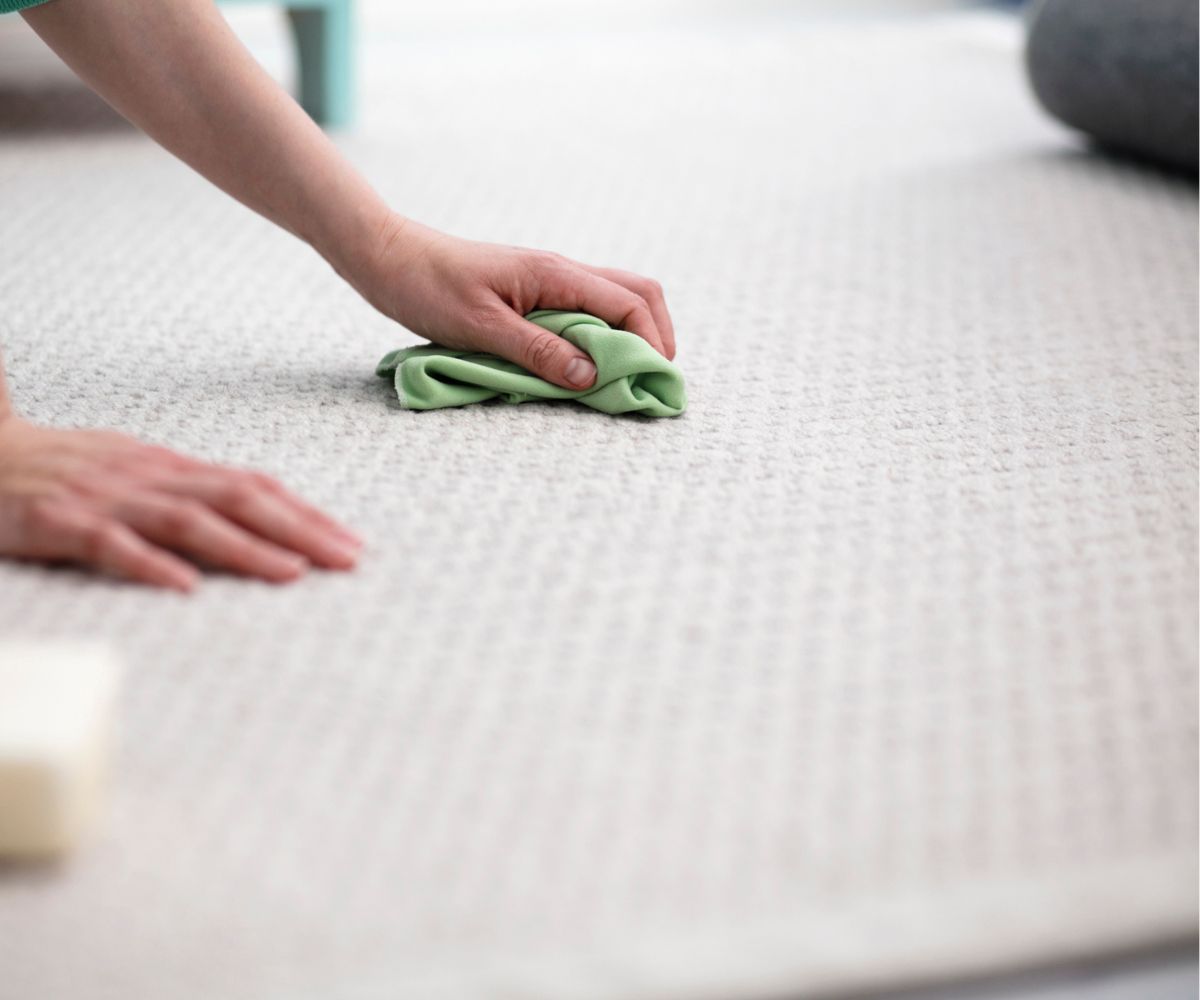
Quick action can be helpful, but rushing into the wrong treatment can make the situation worse. Avoid aggressive rubbing and do not use a random cleaning product without checking whether it is suitable.
Follow these steps:
- Check the rug’s material and care instructions.
- Remove solid material carefully without spreading it.
- Blot liquid with a clean, pale and lint-free cloth.
- Work gently from the outside of the mark towards the centre.
- Use only a cleaning method permitted for that product.
- Test a cleaning product in an inconspicuous area if the care instructions allow it.
- Avoid unnecessarily soaking a large area of the rug.
- Allow the treated area to dry according to the instructions.
- Contact a professional rug cleaner when necessary.
Materials, dyes and backing structures can react differently to moisture and cleaning products. There is no single stain-removal method that is safe for every rug.
Common Mistakes When Choosing a Family Rug
Choosing entirely by appearance
An attractive rug is not necessarily the wrong choice, but appearance should be considered alongside the surface, maintenance requirements, size and intended use.
Treating “easy care” as “maintenance free”
Every rug requires regular vacuuming and product-specific maintenance. Even an easy-care rug may need prompt attention when a spill occurs.
Assuming that washable means machine-washable
A rug that can be washed with water is not automatically suitable for a washing machine. Check the permitted method and the capacity of the machine.
Choosing a rug that is too small
A small and lightweight rug may move easily and look disconnected from the surrounding furniture. Measure the room and furniture before ordering.
Reading the care instructions only after an accident
Check the care requirements before purchasing. This will help you determine whether the rug’s maintenance needs fit your household.
Assuming all rugs made from one fibre behave alike
Rugs within the same material category can have completely different surfaces, backing structures and care requirements. Always assess the finished product as a whole.
Buyer’s Checklist for a Family-Friendly Rug
Before choosing a rug for a family with children, check that:
- The rug suits the way the room is actually used.
- The surface is reasonably easy to vacuum.
- The product-specific care instructions are available.
- Likely stains can be treated in a practical way.
- The size works with the furniture and walking routes.
- Doors and drawers can open freely.
- The edges and corners lie as flat as possible.
- The rug does not move too easily.
- Any anti-slip underlay is suitable for the flooring.
- The colour and pattern fit everyday family life.
- The surface feels pleasant for its intended use.
- The rug can be moved or professionally cleaned when necessary.
- The permitted washing method has been checked.
- The decision is based on the whole construction, not only the fibre name.
Frequently Asked Questions About Family-Friendly Rugs
What is the best rug material for a family with children?
There is no single best material for every family. In addition to the fibre, compare the surface construction, weight, backing and care instructions. An even surface that is easy to vacuum may be more important than the material name alone.
Should a family choose a dark rug?
A dark rug can conceal some marks, but pale crumbs, dust and loose fibres may be very visible on it. A softly patterned or heathered surface can be more practical than a completely uniform, very dark or very light colour.
Is a machine-washable rug always the easiest option?
Machine washing can be convenient if the rug fits into the machine and can be handled safely when wet. A large wet rug may be heavy, so machine washability does not automatically make every rug easy to maintain.
Are wool rugs suitable for families with children?
A wool rug can suit a family home when its construction, intended room and care requirements match the household’s needs. Check the stain-treatment and washing instructions before choosing.
Is an anti-slip underlay necessary?
An underlay can be useful when a rug moves on a hard floor. It must be suitable for the rug, the floor material and any underfloor heating.
How often should a family rug be vacuumed?
The appropriate frequency depends on the room, the surface and the amount of dirt carried into the space. Regular vacuuming at a setting suitable for the rug helps prevent loose dirt from accumulating in its structure. Always follow the product-specific care instructions.
Which Rug Should You Ultimately Choose for a Family Home?
A good family rug does not have to be made from one particular material or come in one specific colour. The most practical choice is a rug whose surface, size, construction and maintenance requirements match the room in which it will actually be used.
A flatwoven or low-pile rug that remains stable and comes with clear care instructions is often a useful starting point. In a dining area, focus on an even surface and practical stain care. In a child’s room, consider comfort and easy vacuuming. In the living room, size and overall usability are especially important.
Compare several options according to the room’s dimensions, level of use and realistic maintenance needs. If samples are available, seeing the colour and feeling the surface can help you judge whether the rug is right for the space.
The goal is not to find a rug that will never show any signs of family life. A better goal is to choose a rug that works naturally in everyday use and has maintenance requirements that suit the household’s routines.