




Which Works Better in a Living Room: One Large Rug or Two Smaller Rugs?
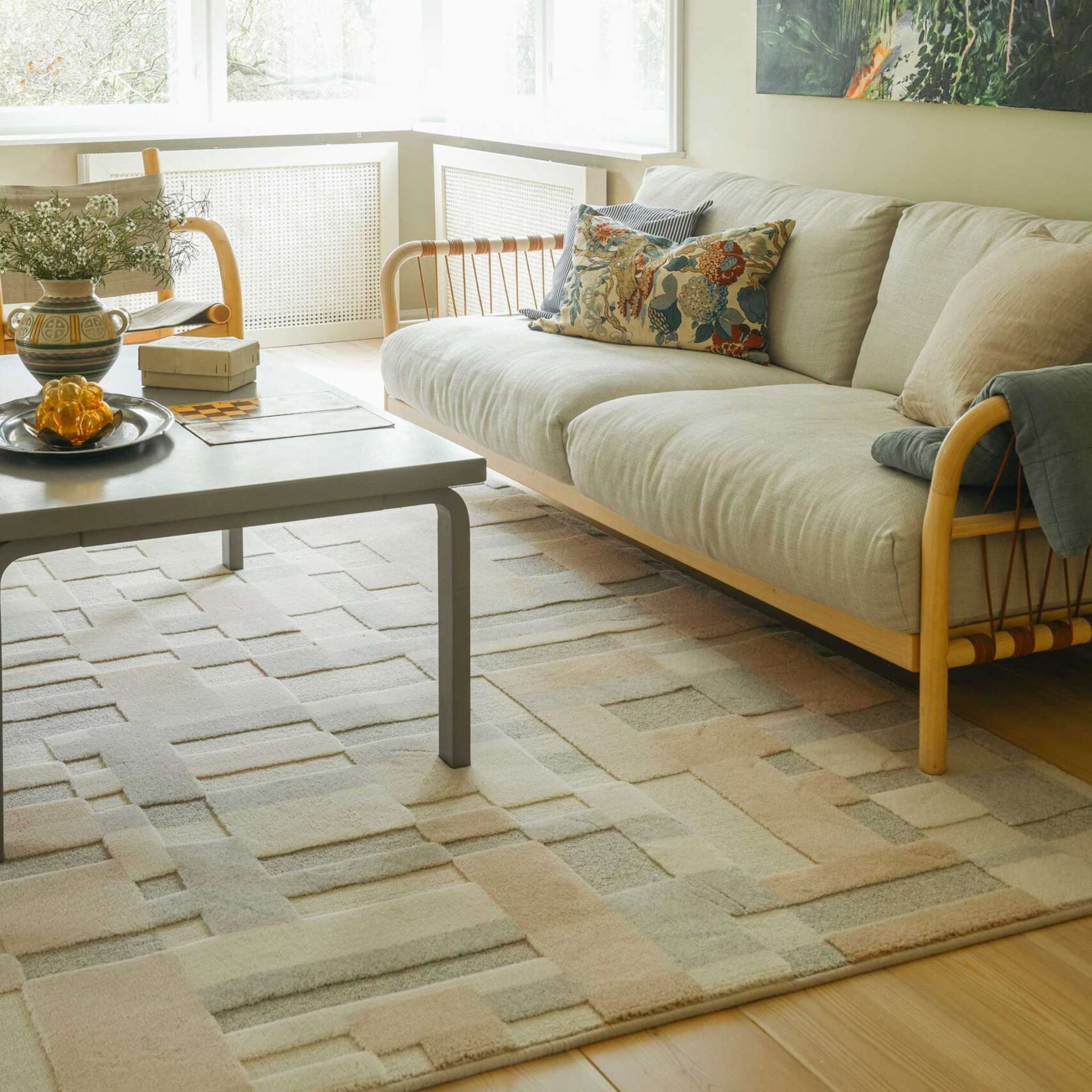
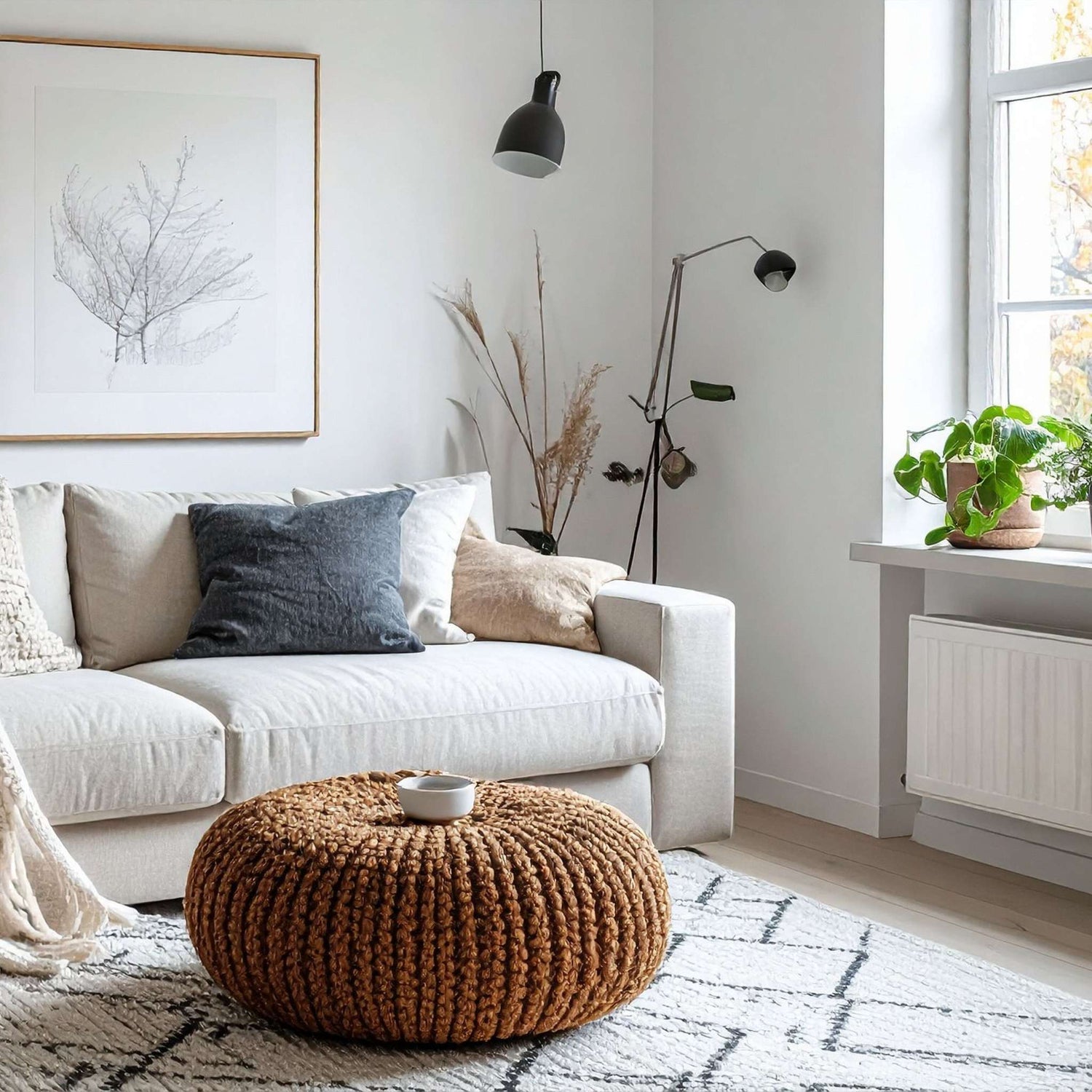
Let’s answer the question directly: in a typical living room with one seating group, a single sufficiently large rug is usually the clearest solution. It brings the sofa, armchairs and coffee table together and gives the entire room a calmer foundation.
Two rugs tend to work better when the room genuinely contains two separate functions. This could be an open-plan living room with a seating area and dining space, or a larger room with a separate reading corner or home office.
The decision should not be based only on which option looks more interesting in an interior photograph. First ask whether the furniture forms one group or two clearly separate areas.
Our experience of presenting and selling rugs online and in physical stores has made one thing particularly clear: a rug’s dimensions can feel surprisingly large when you see the rug on its own, but completely natural when it is placed beneath a sofa and beside armchairs.
This is why we would not begin by dividing an ordinary seating group between two small rugs. First test what one properly sized rug would look like.
One Large Rug Brings the Furniture Together
The main purpose of a living-room rug is not simply to cover an empty section of floor. Its job is to connect the furniture and show which pieces belong to the same seating area.
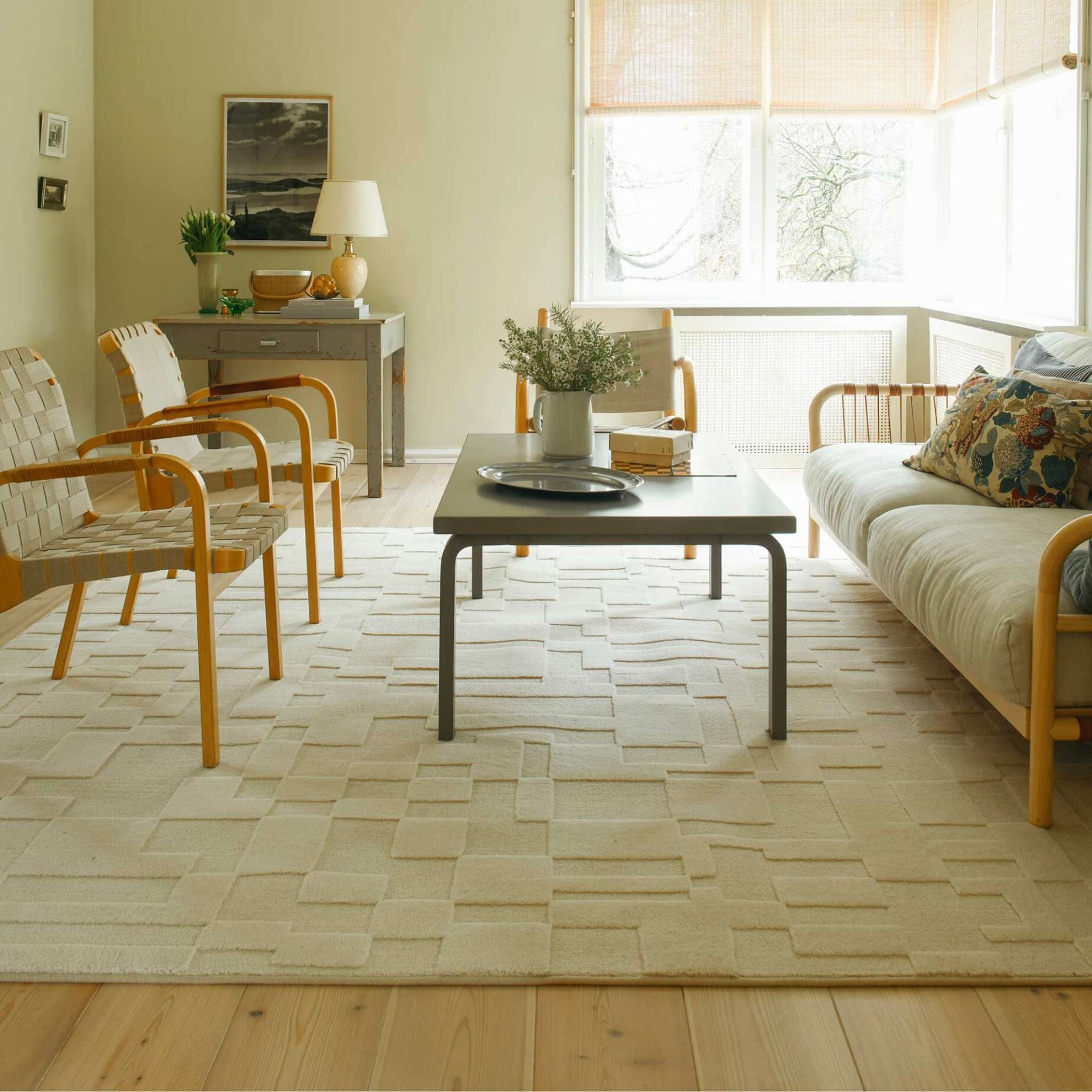
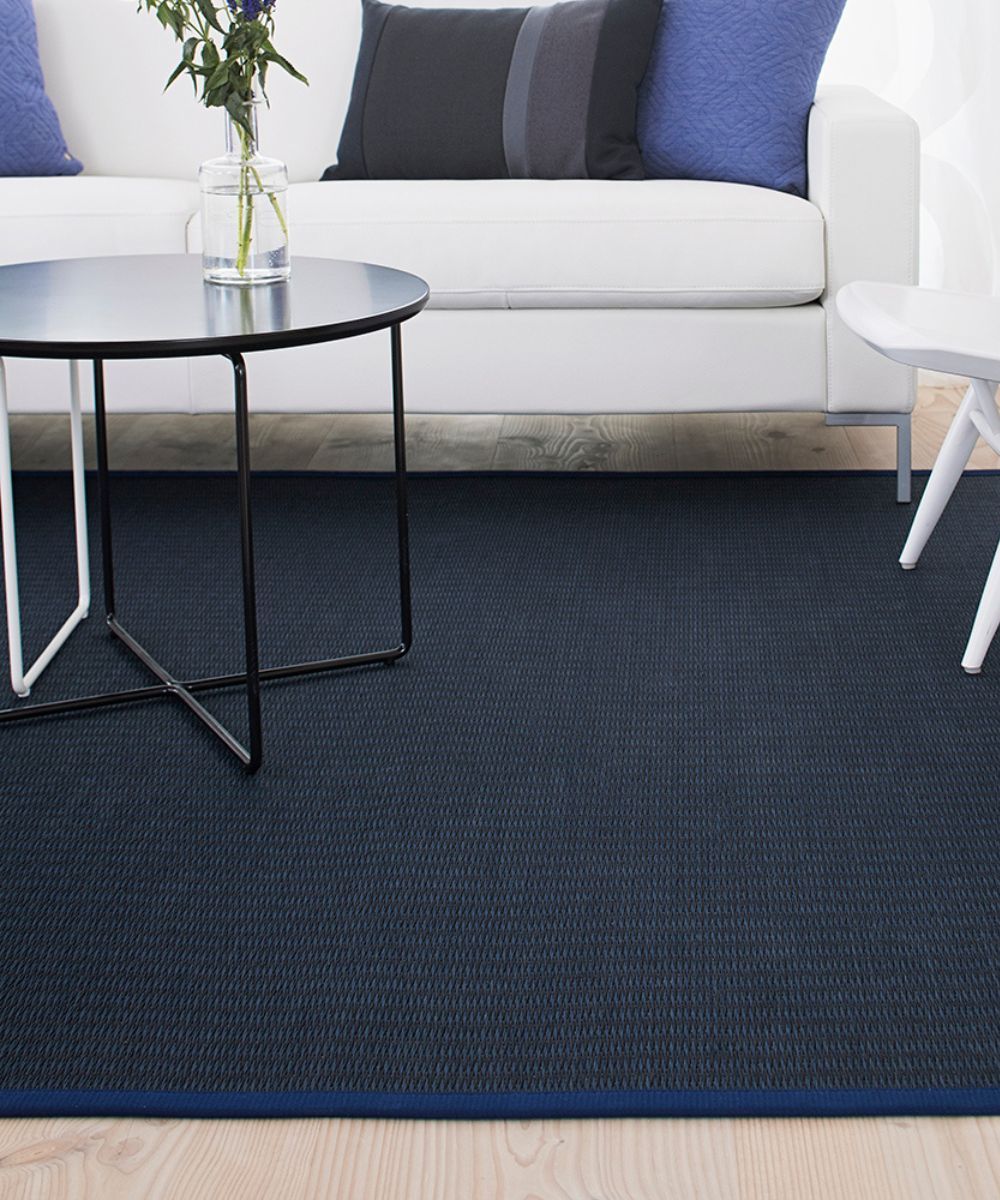
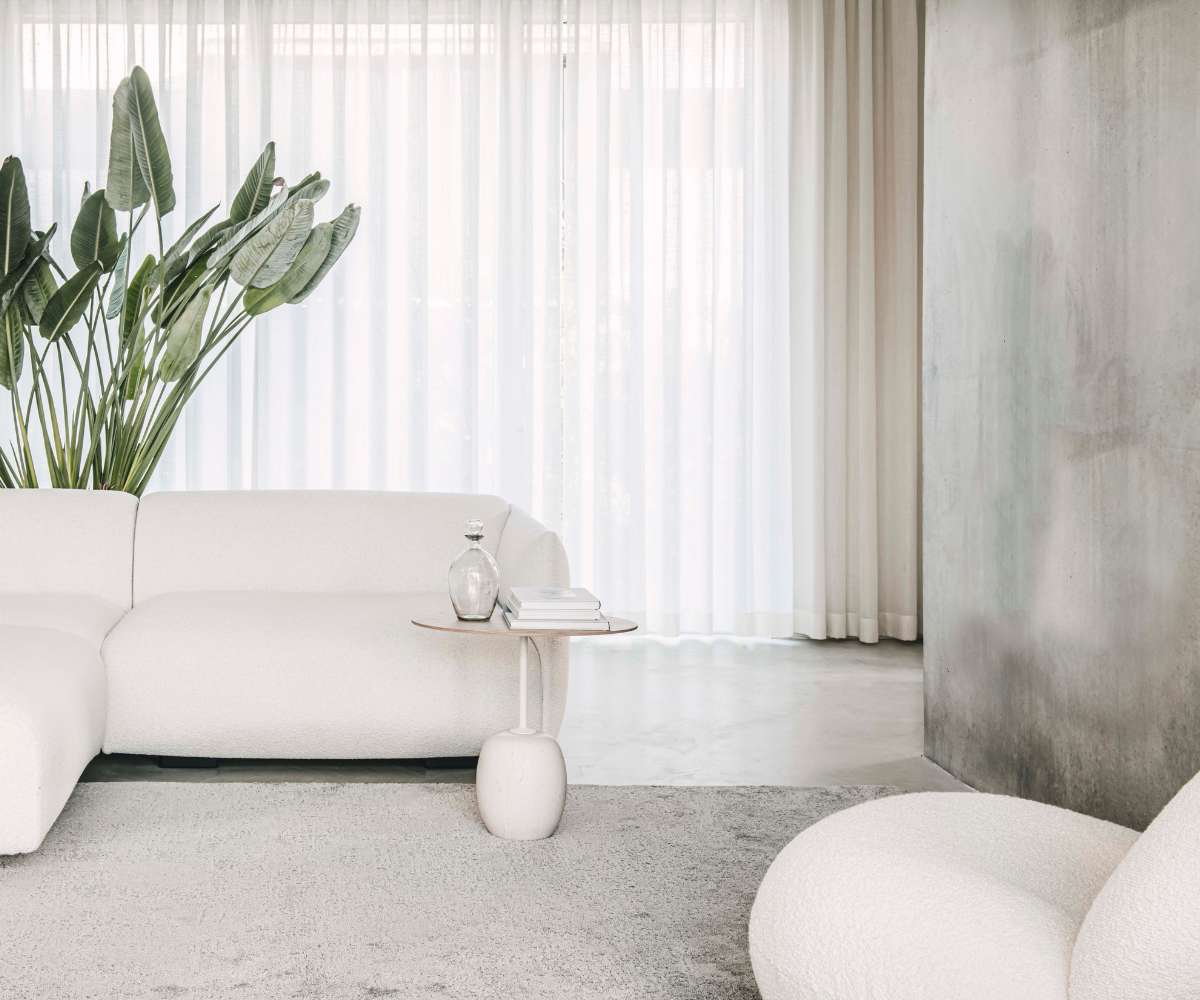
When the rug is large enough, the sofa, armchairs and coffee table no longer appear to be floating separately around the room. The eye reads the entire area as one composition.
This does not mean that every piece of furniture must always be positioned completely on the rug. A balanced result can often be achieved when:
- the front legs of the sofa sit on the rug
- the front legs or all the legs of the armchairs sit on it
- the coffee table fits fully on the rug
- the rug extends beyond the sides of the sofa
- the edges do not end immediately beside furniture legs
- the rug does not interrupt an important walking route
If the rug ends directly in front of the sofa, holds only the coffee table and leaves the armchairs completely outside the rug area, the arrangement can feel disconnected.
This is the main advantage of one large rug: it makes the organisation of the living room clear at a glance.
How Can You Tell If Your Current Rug Is Too Small?
A rug that is too small does not always look obviously wrong. The room may simply feel unfinished even when the furniture, colours and individual products are attractive.
Your rug may be too small when:
- only the coffee table fits on it
- a narrow strip of floor remains between the rug and sofa
- the armchairs have no visual connection to the rug
- the rug resembles a small island in the centre of the room
- the furniture appears to float separately
- the rug does not extend beyond the sides of the sofa
- the number of small floor areas makes the room feel restless
- the rug edges sit awkwardly across walking routes
We prefer to consider the combined proportions of the rug and furniture. The dimensions of the rug alone do not reveal whether it is the right size.
The same 160 × 230 cm rug may look balanced in a compact living room and noticeably undersized in front of a wide sectional sofa. The width and depth of the sofa, the location of the armchairs and the total dimensions of the seating area often matter more than the room’s floor area alone.
When Is One Large Rug the Best Choice?
One large rug is usually the most effective option when the room contains one clear seating group.
It works particularly well when:
- the sofa and armchairs belong to the same lounge area
- you want the room to look calm and cohesive
- the furniture needs a visual connection
- the room is rectangular or square
- the sofa is wide or L-shaped
- the room contains several small pieces of furniture
- you want to avoid dividing the floor into several small areas
A large rug can also make a small living room feel calmer. This can seem counterintuitive because the instinct is often to choose the smallest possible rug for a compact space.
In practice, a small rug creates several visible boundaries around it. These separate floor areas can emphasise the limited dimensions of the room. A larger, continuous surface reduces the number of boundaries and gives the furniture one shared foundation.
If the furniture arrangement requires generous dimensions, compare the available large rugs.
When Do Two Rugs Work Better?
Two rugs are a good solution when both have a clear function. A second rug should not be added merely because part of the floor remains visible.
Two rugs can define:
- a seating group and reading corner
- a living area and dining area
- a lounge area and home office
- a fireplace area and main seating group
- two functions within a large open-plan room
- separate areas in a long room
The important question is whether the furniture genuinely forms two groups.
If the answer is yes, two rugs can make the room easier to understand. If every piece belongs to the same conversation and seating area, dividing them between smaller rugs can break up the room unnecessarily.
Seating area and reading corner
A reading corner can be a natural location for a second rug when an armchair, floor lamp and side table form a clear arrangement of their own.
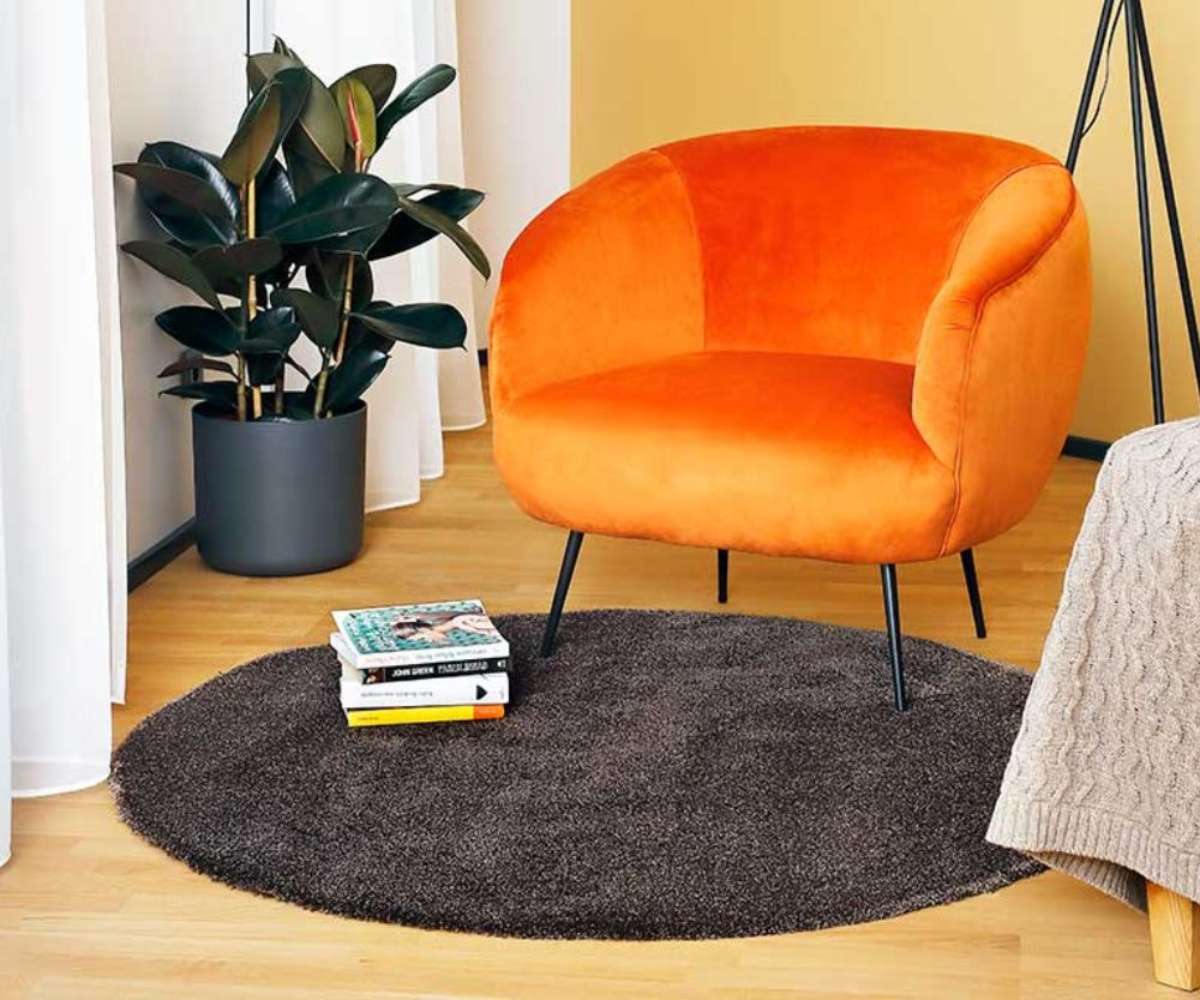
The second rug does not need to match the size or shape of the main rug. A round rug can soften the straight lines of the furniture and distinguish a compact reading area from the main seating group.
Living and dining area
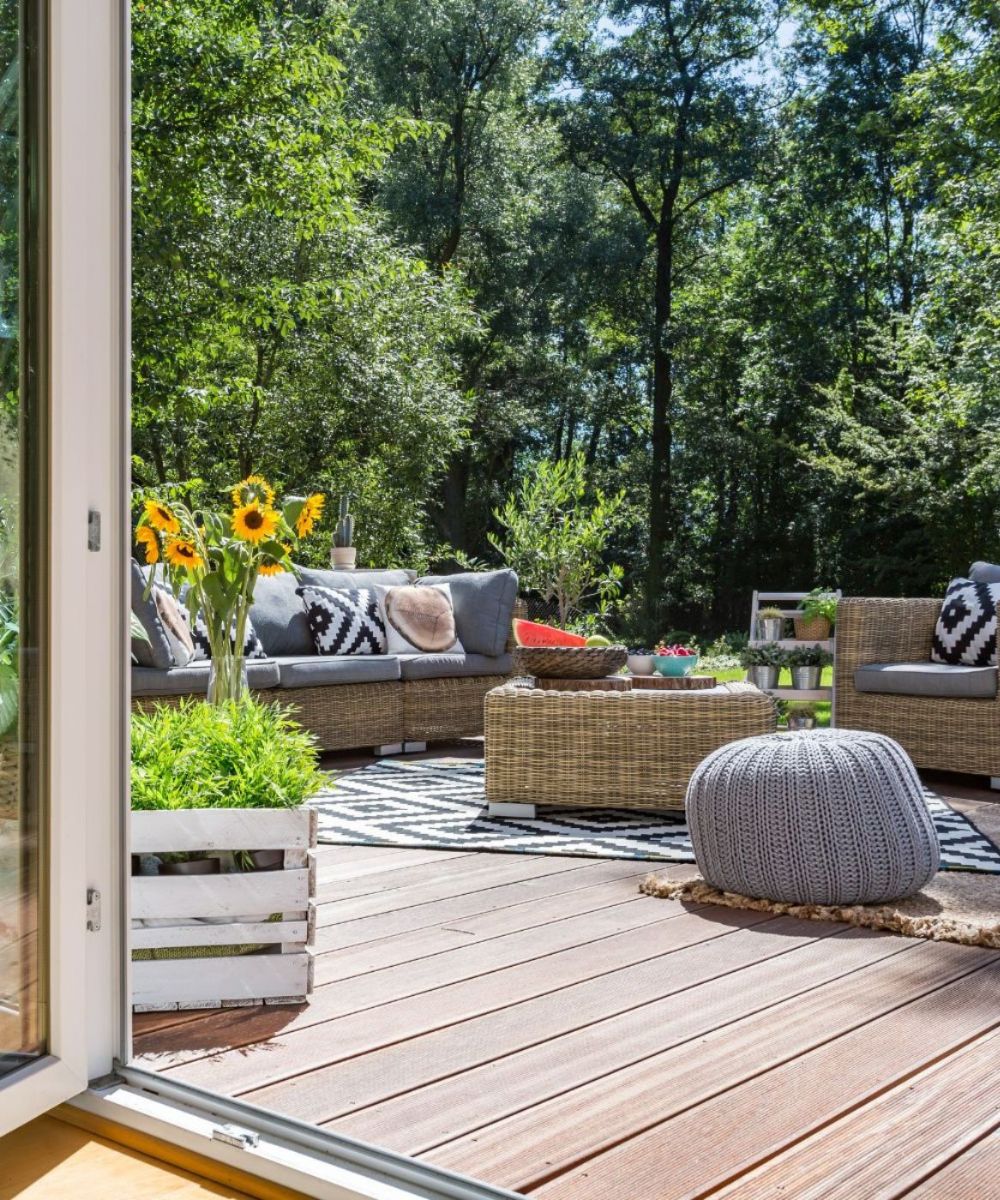
In an open-plan room, two rugs can separate lounging and dining without walls or permanent dividers.
The larger rug will usually sit beneath the seating group. The dining table receives its own rug, which needs to extend far enough beyond the table for the chairs to remain on it when pulled back.
The two rugs do not need to be identical, but they should look as though they belong in the same home.
How to Combine Two Rugs Without Making the Room Look Busy
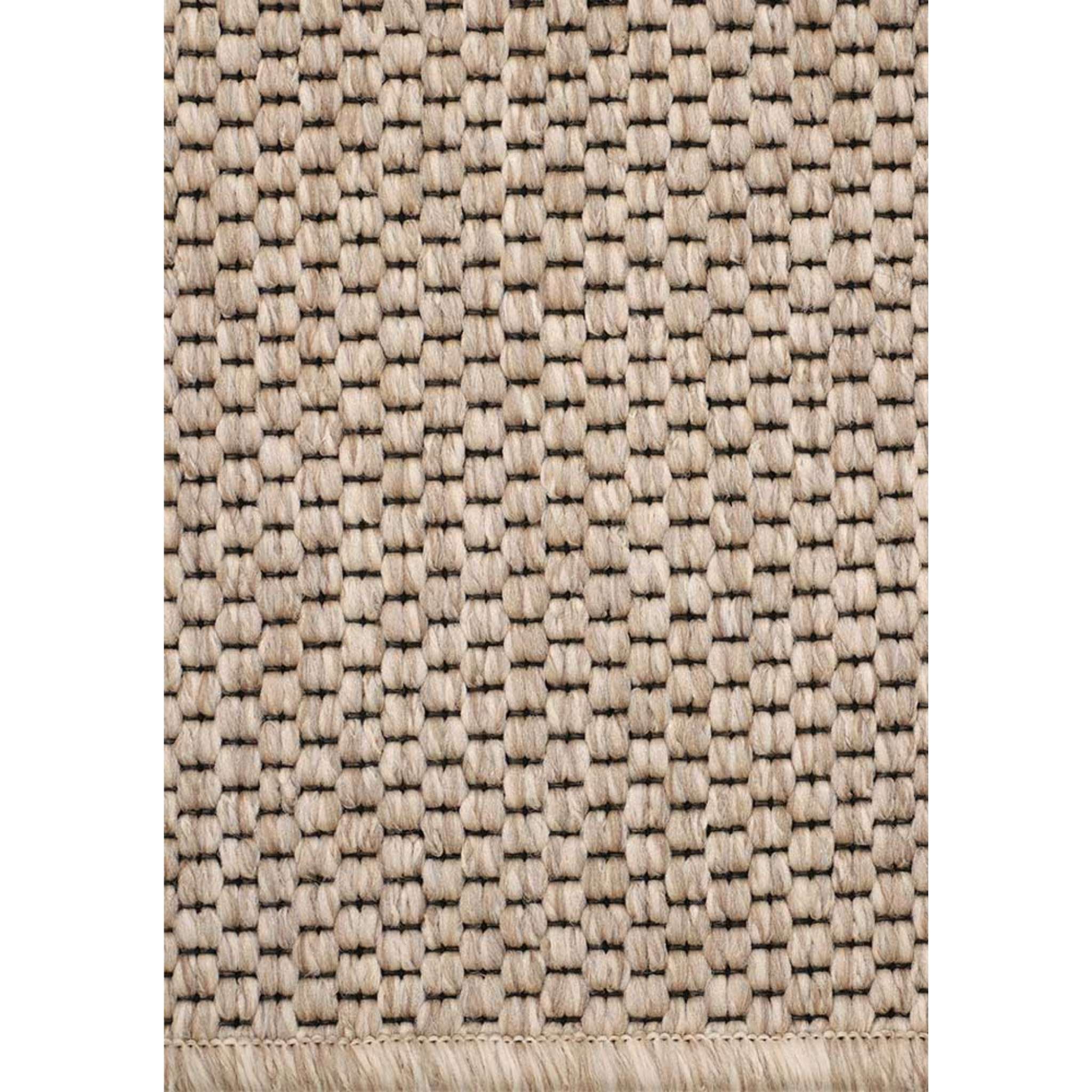
Two different rugs can work beautifully together. They do not need to come from the same collection or be exactly the same colour. Completely unrelated choices, however, can make the room feel restless.
A successful pair usually shares at least one feature:
- the same or a closely related colour palette
- a similar material character
- compatible surface structures
- patterns with a visual relationship
- the same general interior style
- a secondary colour repeated across both rugs
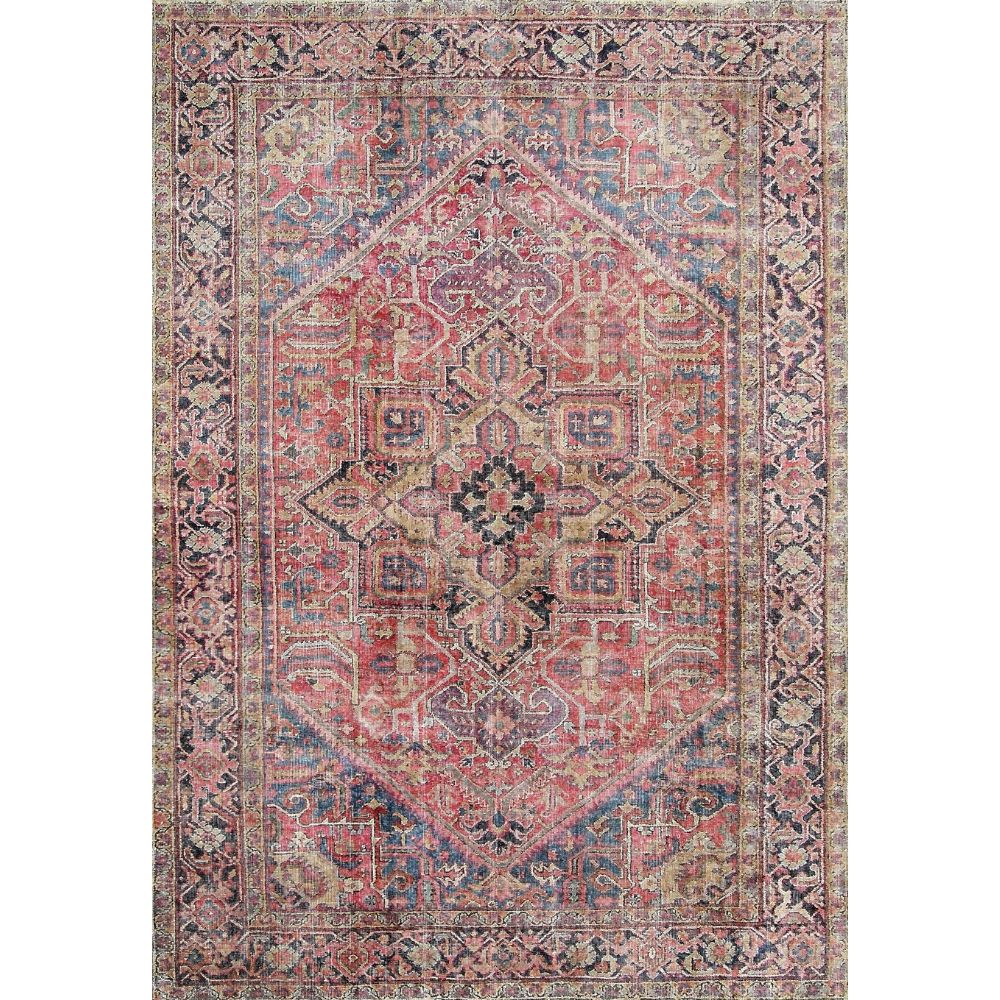
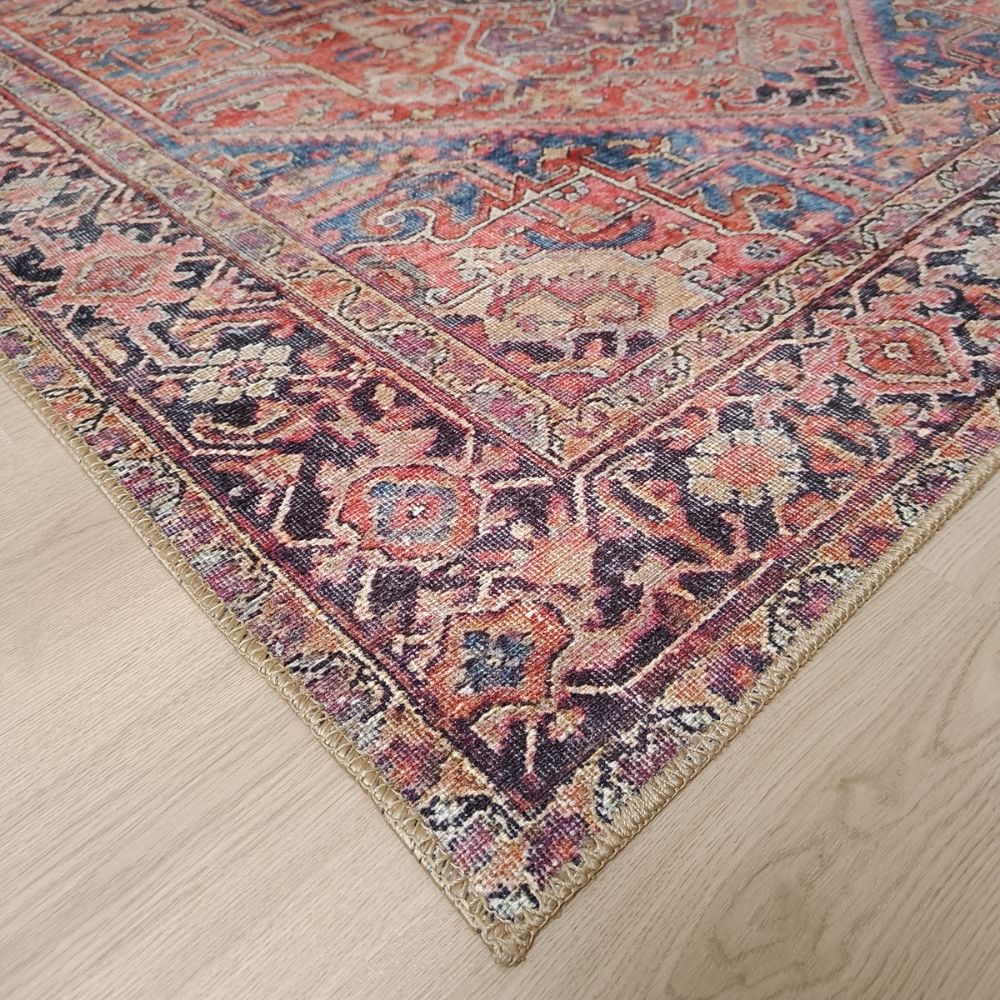
If the main living-room rug has a strong pattern, the second rug can be calmer. If both rugs are patterned, their colours and pattern scales require more careful coordination.
A reliable but still individual combination could be:
- one large patterned rug with a smaller plain rug
- two plain rugs in different shades of the same colour
- a neutral rectangular rug with a round accent rug
- two surfaces from the same material family
- a main rug whose secondary colour is repeated in the smaller rug
We like to think of two rugs as siblings rather than identical twins. They can have their own personalities, but there should be something that makes them look related.
How Much Space Should You Leave Between Two Rugs?
There should be enough visible floor between two rugs for them to read as separate areas. If they almost touch but do not form one surface, the narrow gap can look accidental.
There is no universal distance that works in every room. The right amount of space depends on the dimensions of the room, walking routes and rug sizes.
Evaluate the gap by asking:
- Do the rugs clearly define two different areas?
- Is there a natural walking route between them?
- Does the exposed floor look intentional?
- Does a rug edge sit in the busiest part of the walkway?
- Are the rugs very close together but slightly misaligned?
- Is each rug clearly connected to its own furniture group?
If only a very narrow strip of flooring remains between the rugs, try one larger rug or move the two rugs further apart.
A Sectional Sofa Usually Needs a Generous Rug
An L-shaped sofa creates a wide and visually strong furniture group. A small rug can look particularly undersized in front of it because the rug remains inside the sofa’s long horizontal lines.
The rug should generally extend beneath the sofa’s front legs and reach far enough towards both sides. The coffee table should fit on it without filling almost the entire rug surface.
When the rug is significantly narrower than the actual seating area, it does not bring the furniture together. Instead, it emphasises the difference in scale between the rug and sofa.
This is a situation where taking out a tape measure is genuinely useful. If 160 × 230 cm looks small beside the sofa, mark out a 200 × 300 cm rug and compare it with an even larger size.
The number can sound large when considered on its own. Beside a wide sofa and armchairs, the proportions may be exactly right.
Can a Small Living Room Handle a Large Rug?
Yes. A rug for a small living room should not automatically be selected in the smallest possible size.
A large rug can make a compact room feel more coherent when:
- it has a clear connection to the sofa group
- some flooring remains visible around the room
- doors and walking routes remain unobstructed
- the colour and pattern do not overwhelm the space
- the furniture placement looks deliberate
In a small room, one large rug often works better than two small ones because it reduces the number of surfaces, edges and visual breaks.
If the room also contains a small reading corner, it may not need a separate rug. A floor lamp, side table or wall colour can define the area without introducing another floor covering. Not every function requires its own rug.
Combining a Round and Rectangular Rug
A round and rectangular rug can work very well in the same room. Their contrasting shapes make the different functions easy to recognise and bring softness to a linear interior.
For example:
- a large rectangular rug defines the main seating group
- a smaller round rug sits beneath an armchair and floor lamp
- a rectangular rug anchors a dining table
- a round rug highlights a side table or open corner
A round rug needs enough surrounding space for its shape to be visible. If it is squeezed tightly between a sofa, wall and larger rug, the circular form loses much of its effect.
Different sizes and materials can be compared in the round rug collection.
Do Two Rugs Need to Be Made from the Same Material?
No. Different materials can work together when their appearance and practical purpose make sense.
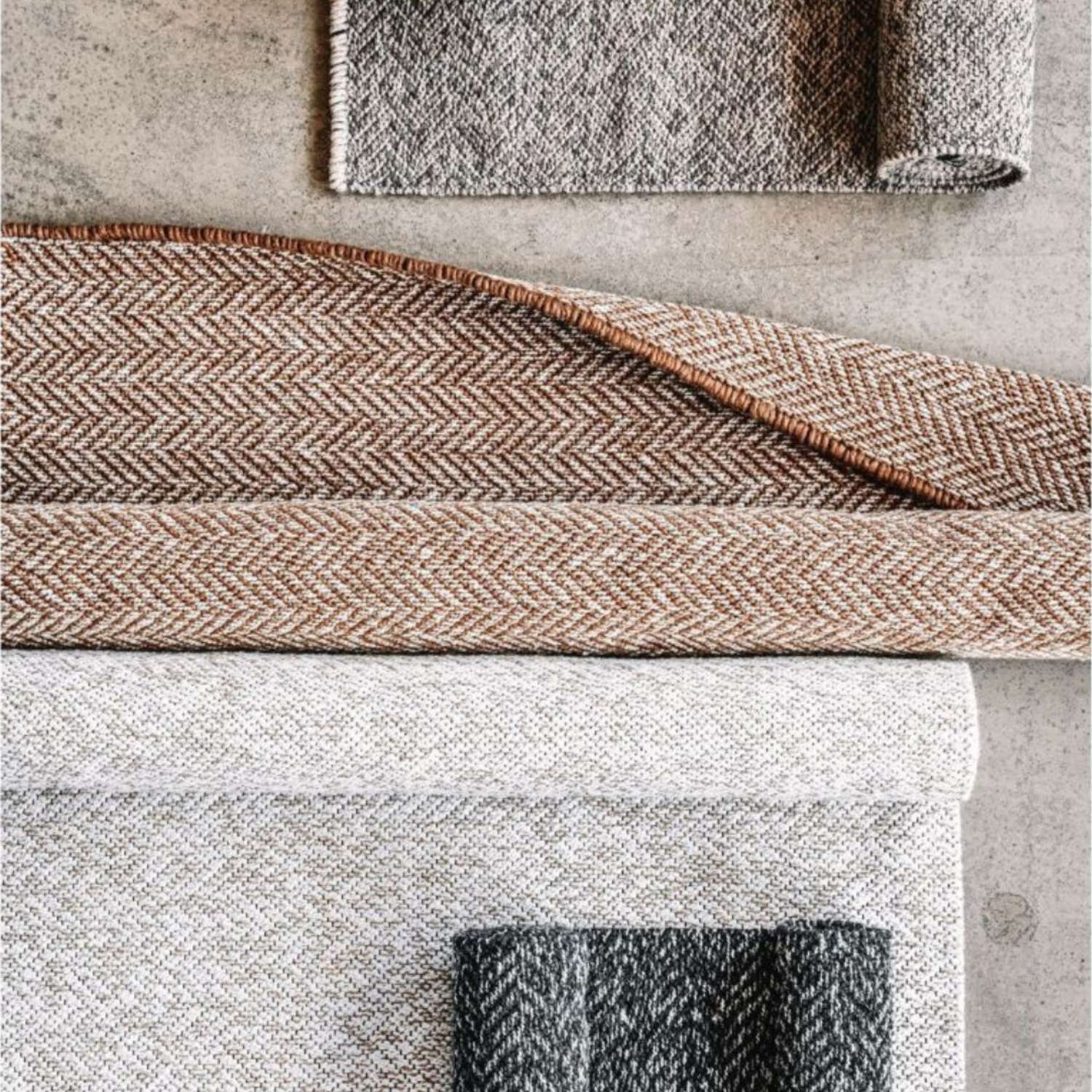
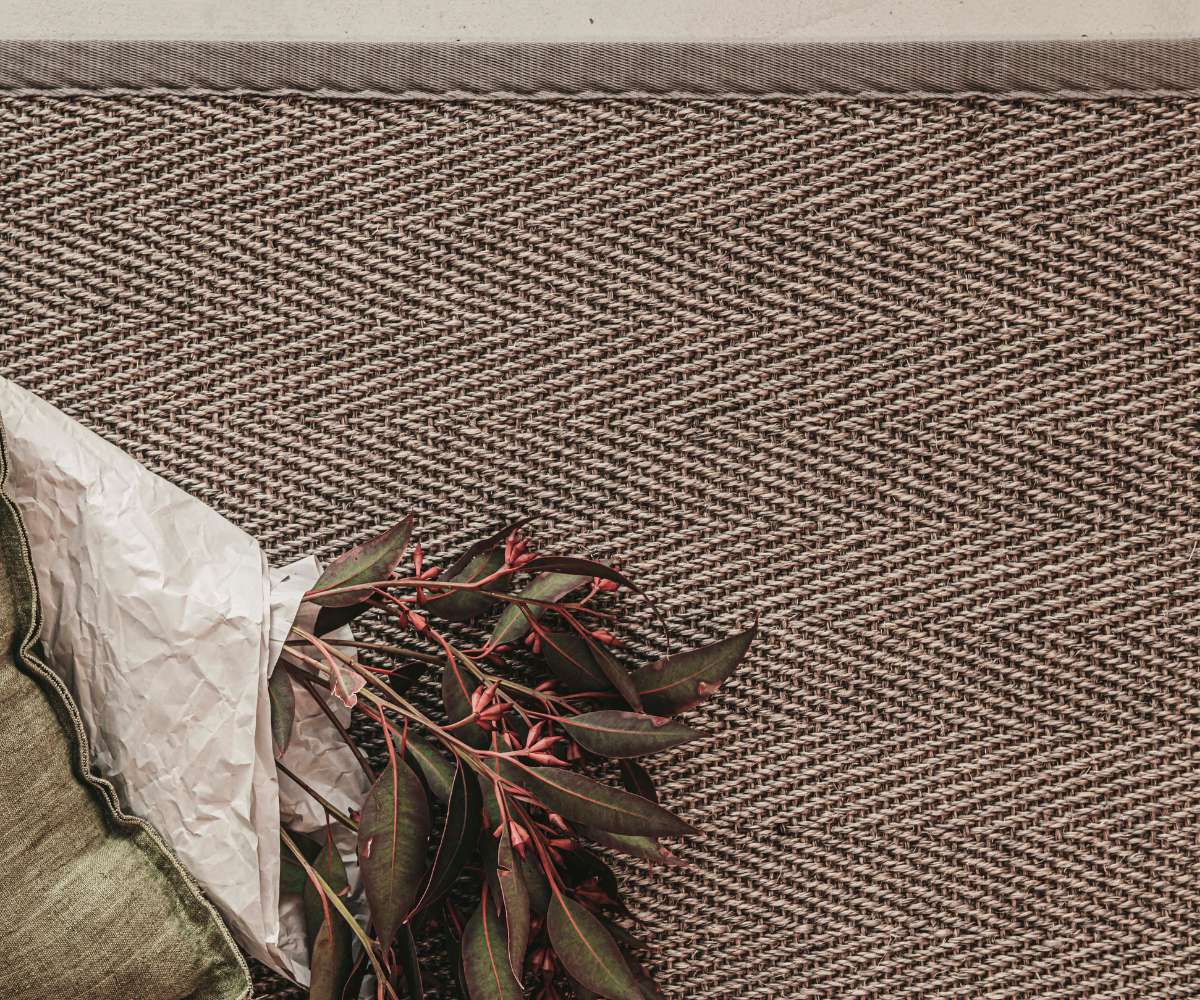
For example, a living area may have a softer pile rug, while the dining area uses a flatter surface that allows chairs to move more easily. Different functions can justify different materials and constructions.
When combining materials, consider:
- whether the colours are compatible
- whether one rug is clearly dominant and the other calmer
- whether the surface contrast looks intentional
- whether each material suits its own location
- whether both care routines fit your household
- whether the combination feels too heavy
If the room already contains many textiles, patterns and types of wood, two dramatically different rugs may make the overall result too busy. A shared colour palette can help bring the materials together.
What About Two Identical Rugs Side by Side?
Using two identical rugs can make sense when one sufficiently large size is unavailable or the room is unusually long.
However, the seam between the rugs needs to be considered. The rugs may move at different rates, the edges can lift and a pattern may not continue perfectly from one rug to the next.
Two identical rugs work best when:
- their edges are straight
- the surfaces are not excessively thick
- both rugs remain securely in place
- the pattern does not require precise alignment
- the seam does not cross a busy walking route
- the arrangement clearly looks intentional
If the goal is to create the appearance of one continuous large rug, a custom-size rug may provide a cleaner result than two separate rugs.
Mark Both Options on the Floor Before Deciding
This is a piece of advice worth repeating: do not try to solve rug size entirely in your head.
First, mark the outline of one large rug on the floor. Then use a different colour of tape to show the positions of two smaller rugs. The relationship with the furniture will become much easier to understand.
Follow these steps:
- Measure the full width and depth of the seating group.
- Mark the outer edges of one large rug.
- Position the furniture as it would be used.
- Check the relationship between the rug, sofa and armchairs.
- Mark the positions of two smaller rugs.
- Decide whether they define two genuine furniture groups.
- Walk through the normal routes in the room.
- View the arrangement from the doorway.
- Take a photograph of both alternatives.
- Compare the photographs calmly.
The overall proportions can be easier to see in a photograph than while standing in the room. Your attention moves away from the tape itself and towards the composition.
Additional measuring help is available in the rug size guide.
Five Practical Living-Room Examples
Small living room with a three-seat sofa
We would begin with one rug that extends beneath the front legs of the sofa and beyond its sides. Two small rugs could make a compact room feel unnecessarily divided.
Large living room with a separate reading corner
The main seating group needs its own large rug. A smaller rug can be added to the reading corner when the armchair, lamp and table clearly form a separate area.
Open-plan living and dining area
Two rugs are a natural choice. The living-room rug brings the upholstered furniture together, while the dining rug defines the table and chairs. Connect them through colour, material or style.
Wide sectional sofa
One generous rug will usually work best. Two small rugs in front of the sofa may emphasise its size and break up the seating area.
Long, narrow room
The right solution depends on the furniture. If the room contains two separate functions positioned one after another, two rugs can clarify the layout. If the entire room forms one seating area, one long or custom-size rug may work better.
Common Mistakes When Deciding How Many Rugs to Use
Choosing two rugs simply to fill a large floor
Visible flooring is not a problem that always needs to be covered. Each rug should have its own purpose.
Choosing one rug in an undersized format
The one-rug approach works only when the rug genuinely connects the furniture. A rug that holds only the coffee table does not achieve this.
Choosing rugs that are almost, but not quite, alike
Two very similar yet slightly mismatched colours or patterns can look accidentally inconsistent. Choose either a clearly coordinated pair or an intentionally contrasting combination.
Leaving too little space between the rugs
A narrow strip of floor can make it look as though one large rug has been unsuccessfully replaced with two small ones.
Ignoring walking routes
Avoid placing rug edges exactly where people repeatedly walk, turn or change direction.
Choosing the layout without marking it on the floor
A rug looks different in the room than its measurements look on a product page. Mark both options on the floor before ordering.
Buyer’s Checklist
Before choosing one or two rugs, check:
- Does the room contain one furniture group or two?
- Does the second rug have a clear function?
- Does the main rug extend beneath the sofa’s front legs?
- Does the coffee table fit comfortably on the rug?
- Are the armchairs connected to the same rug area?
- Does the rug extend far enough beyond the sides of the sofa?
- Is a suitable amount of flooring visible around the arrangement?
- Are the walking routes clear?
- Do any rug edges sit in inconvenient places?
- Are the colours or materials of two rugs compatible?
- Is one rug clearly the main rug?
- Does the gap between the rugs look intentional?
- Have both alternatives been marked on the floor?
- Have you photographed the arrangements for comparison?
- Do the care instructions suit the way the room is used?
Frequently Asked Questions About Using Two Rugs
Can I use two different rugs in one living room?
Yes. The rugs do not need to be identical, but they should share at least one connecting feature, such as colour, material, surface structure or general style.
Do two rugs need to be the same size?
No. The main seating-area rug can be significantly larger, while a secondary rug defines a smaller area. The difference in size helps show which part of the room is more important.
Can I place a large rug in a small living room?
Yes, as long as it works with the furniture, doors and walking routes. A sufficiently large rug can make a small room look more coherent than a small rug floating in the centre.
Can two rugs overlap?
Yes, if layering is a deliberate design choice. The rugs must remain stable, and the overlapping edge should not create an awkward walking surface. Layering usually works best when the lower rug is large and relatively flat.
Should I use two rugs in front of a sectional sofa?
One sufficiently large rug is usually clearer. Two rugs make more sense when the second one belongs to a genuinely separate furniture group.
How do I combine two patterned rugs?
Use patterns of different scales and connect them through colour. A large, open pattern can work with a smaller, denser pattern more successfully than two equally dominant designs.
One Large Rug or Two Smaller Rugs: Which Should You Choose?
If the room contains one seating group, begin with one sufficiently large rug. It creates a calm foundation, connects the furniture and gives the living room a clear structure.
If the room has two genuinely separate functions, two rugs may be the better solution. In that case, each rug should have its own role and its own relationship with a furniture group.
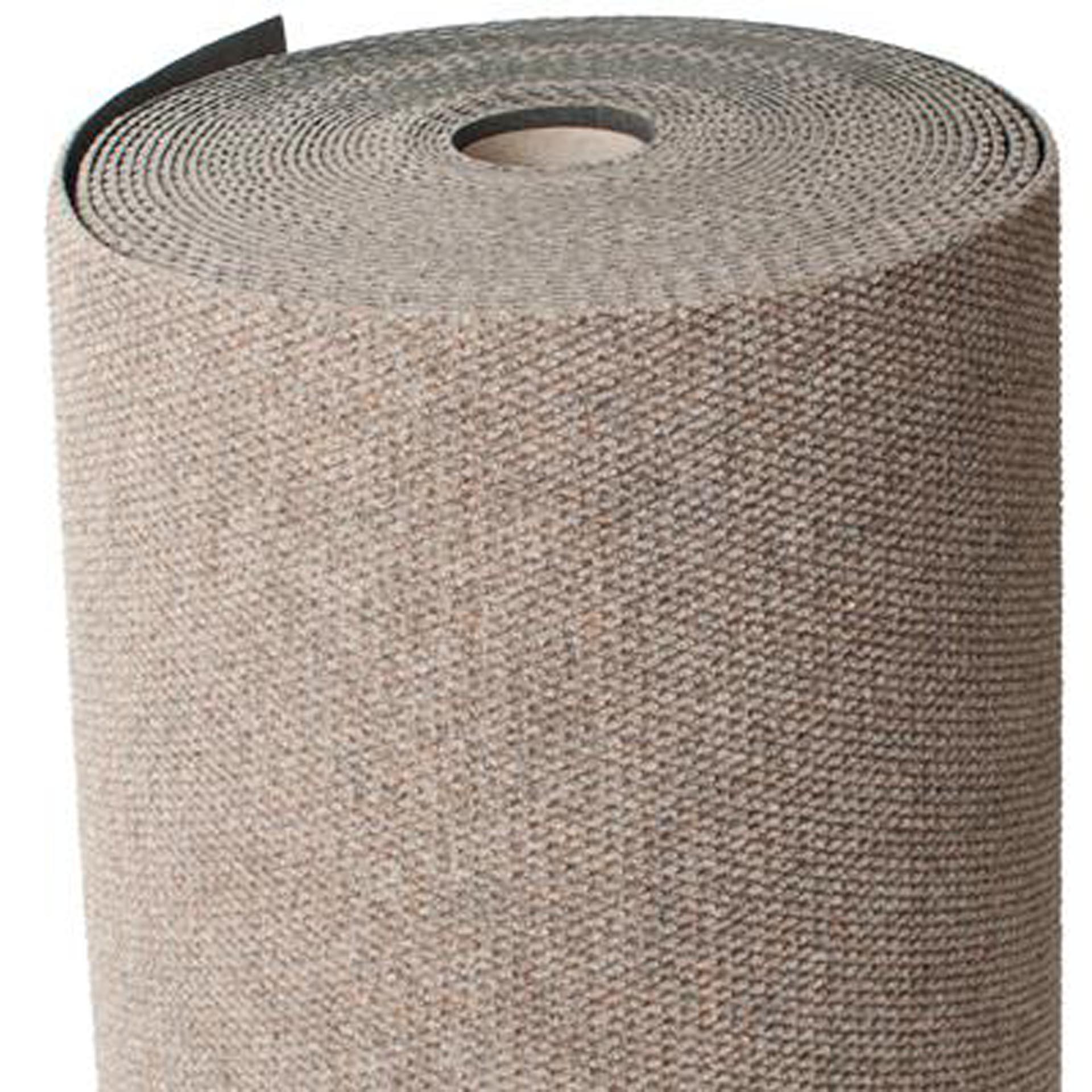
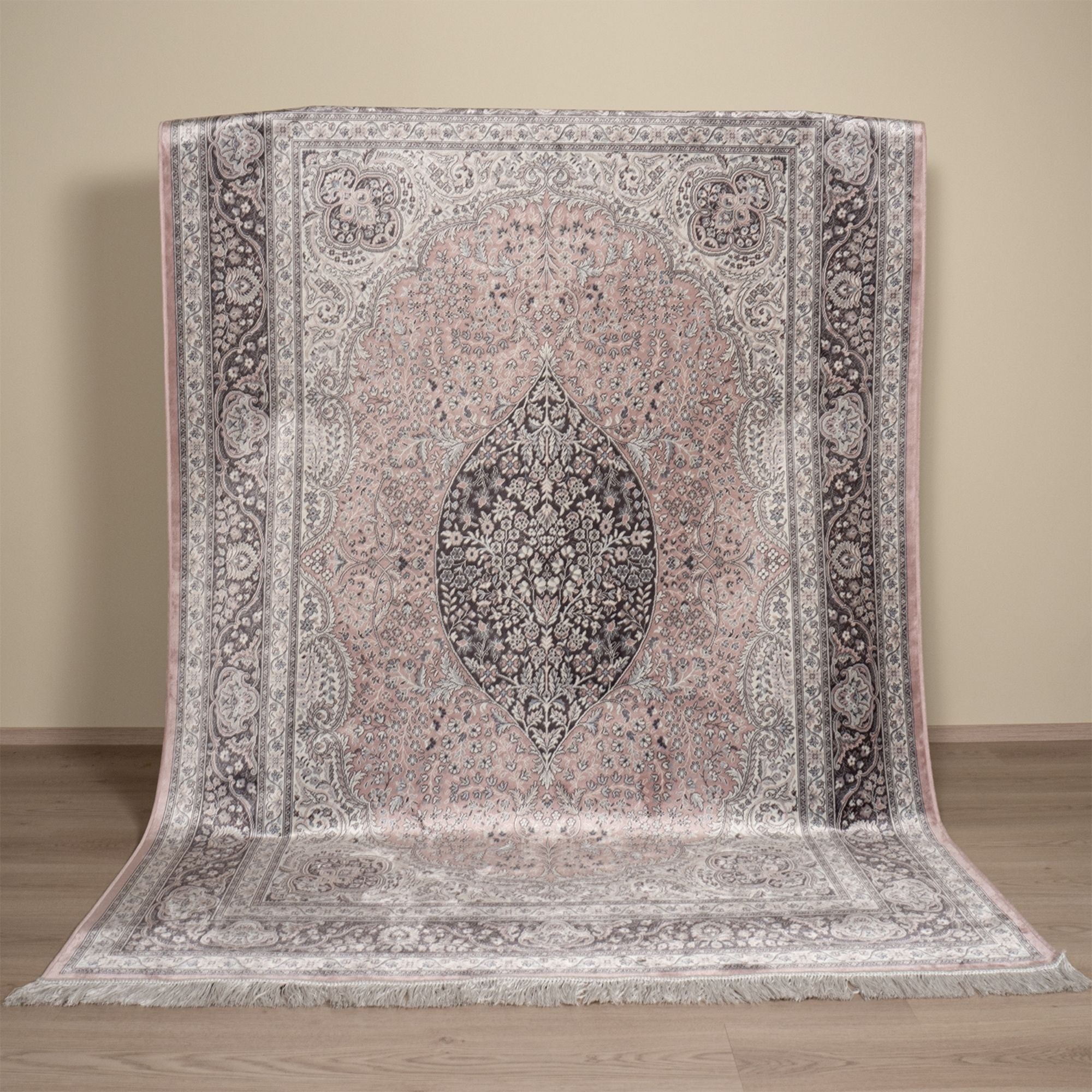
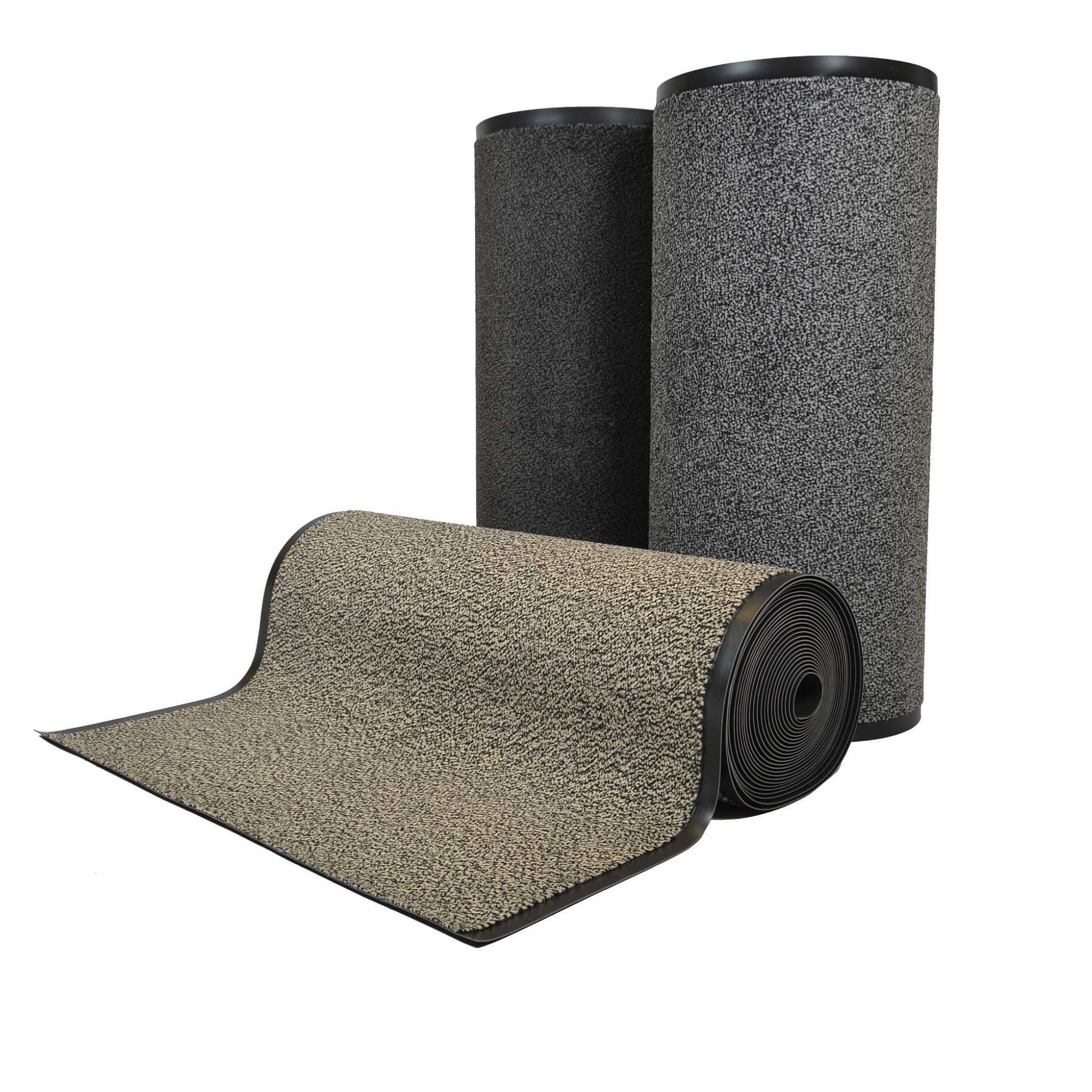
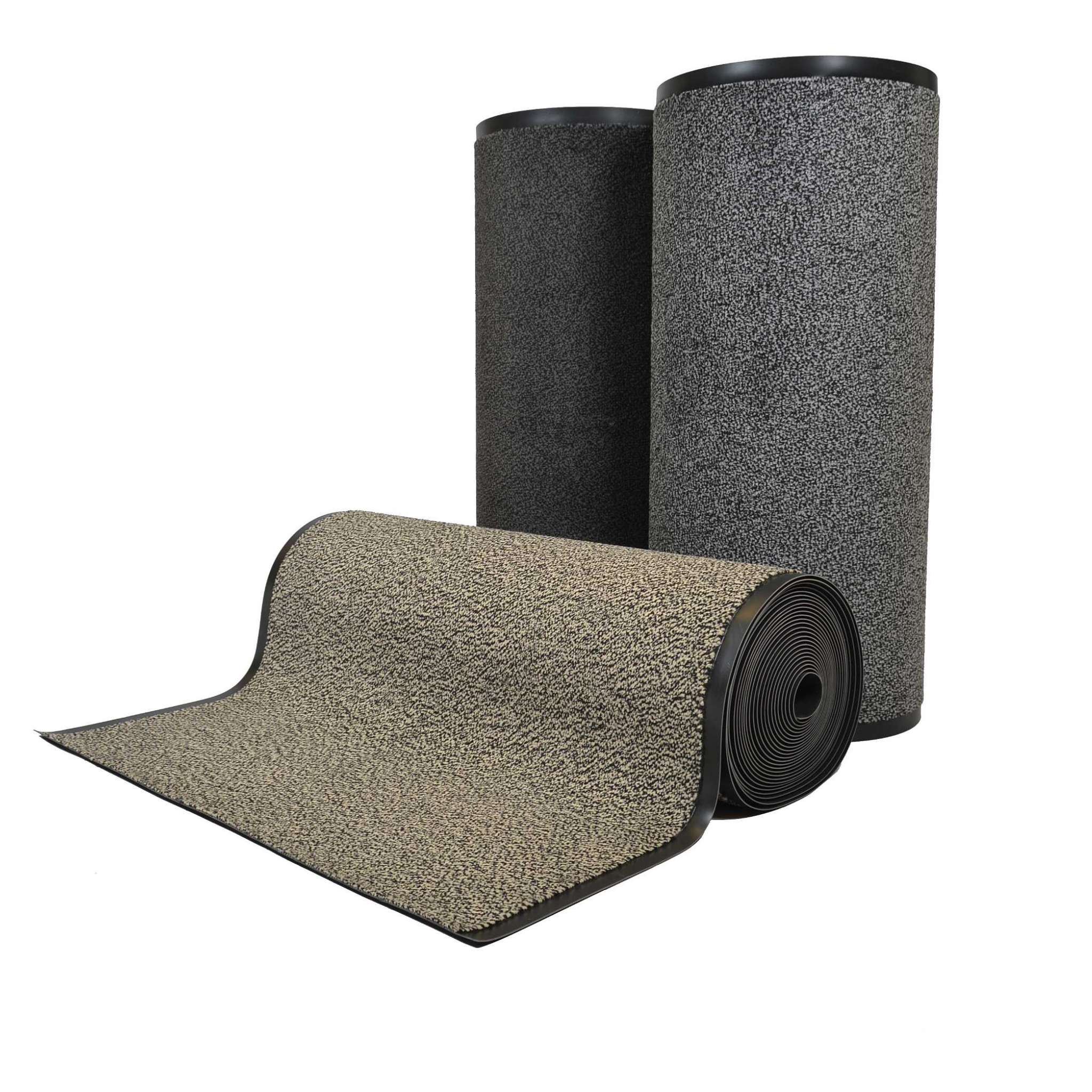
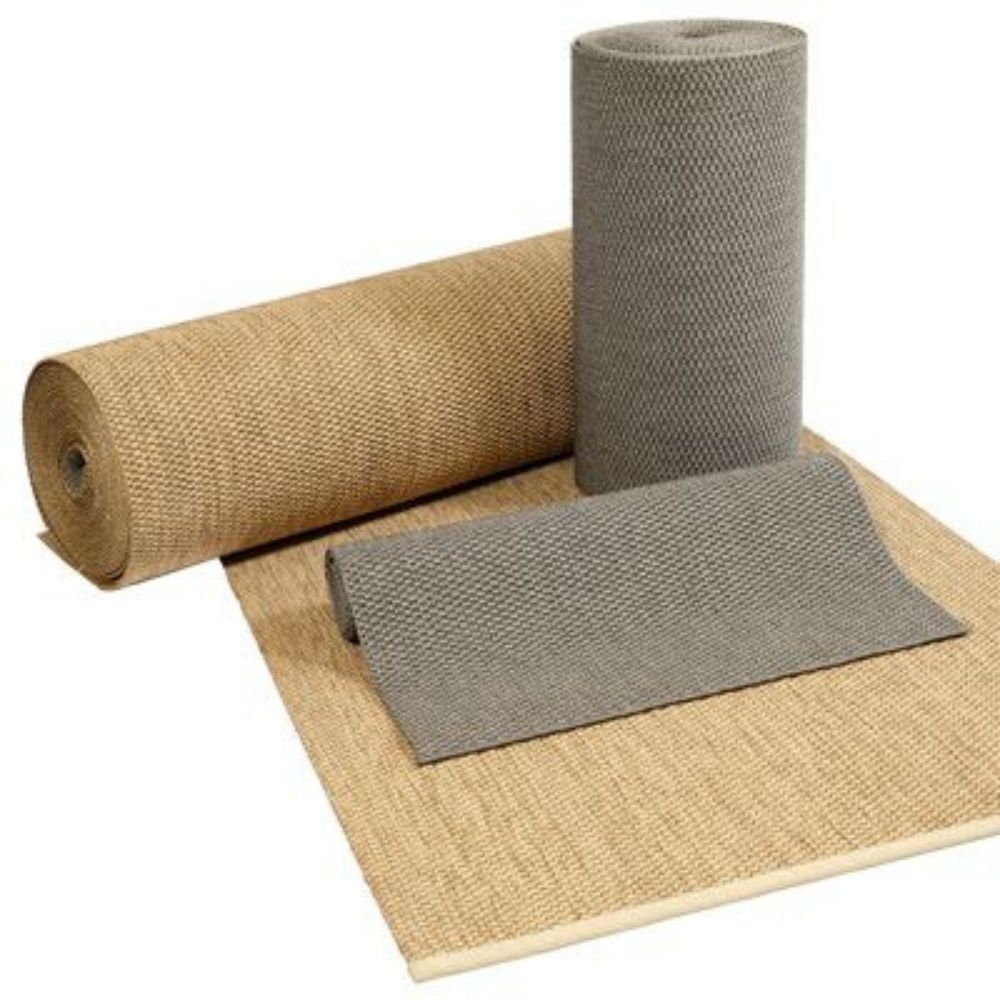
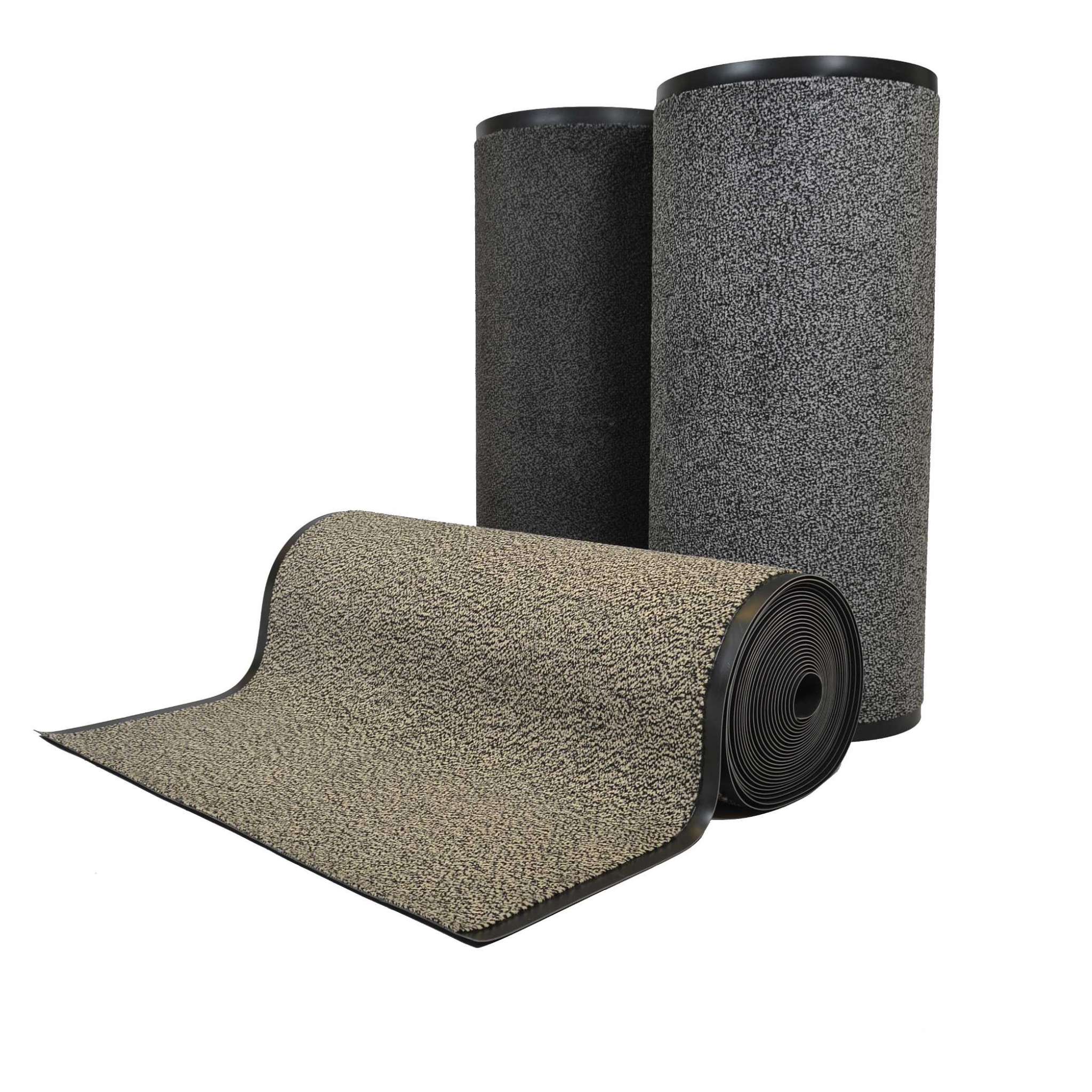
Our experience of comparing rugs online and in physical spaces has shown that size should not be judged while the rug is rolled, stacked or shown alone in a product image. A rug begins to look like the correct size only when it is considered alongside the furniture.
A large rug may appear imposing by itself. Beside a wide sofa, armchairs and a coffee table, however, its proportions can be completely natural. When shopping online, painter’s tape and careful furniture measurements make this relationship visible before ordering.
If you are deciding between the two approaches, begin by testing one larger rug. Mark its dimensions on the floor and give yourself time to see the complete arrangement. Only then test whether two smaller rugs genuinely improve the room’s structure or simply introduce more edges.
A successful rug arrangement is not determined by the number of rugs. It is created when the furniture, walking routes and different functions of the room work naturally together.