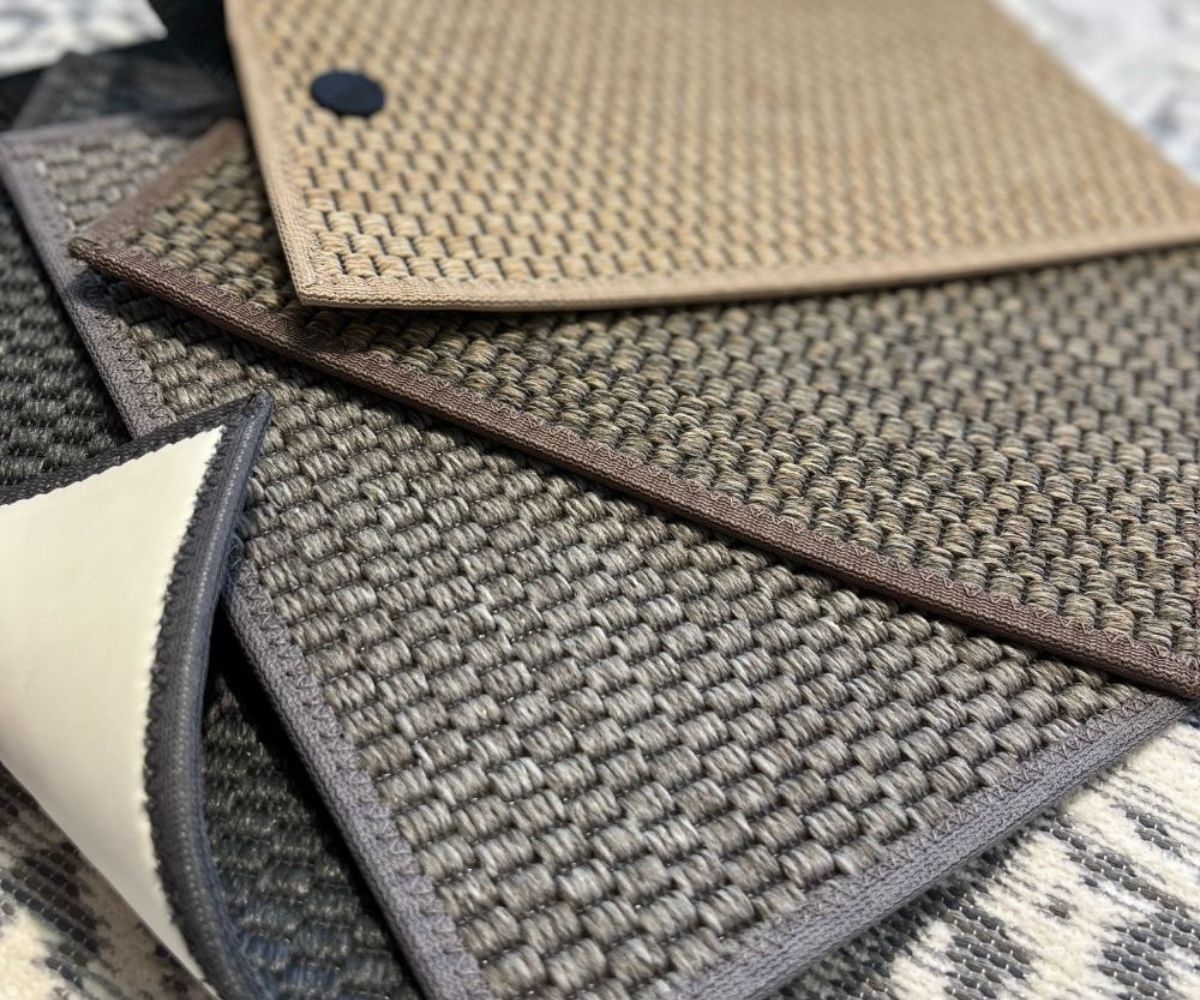
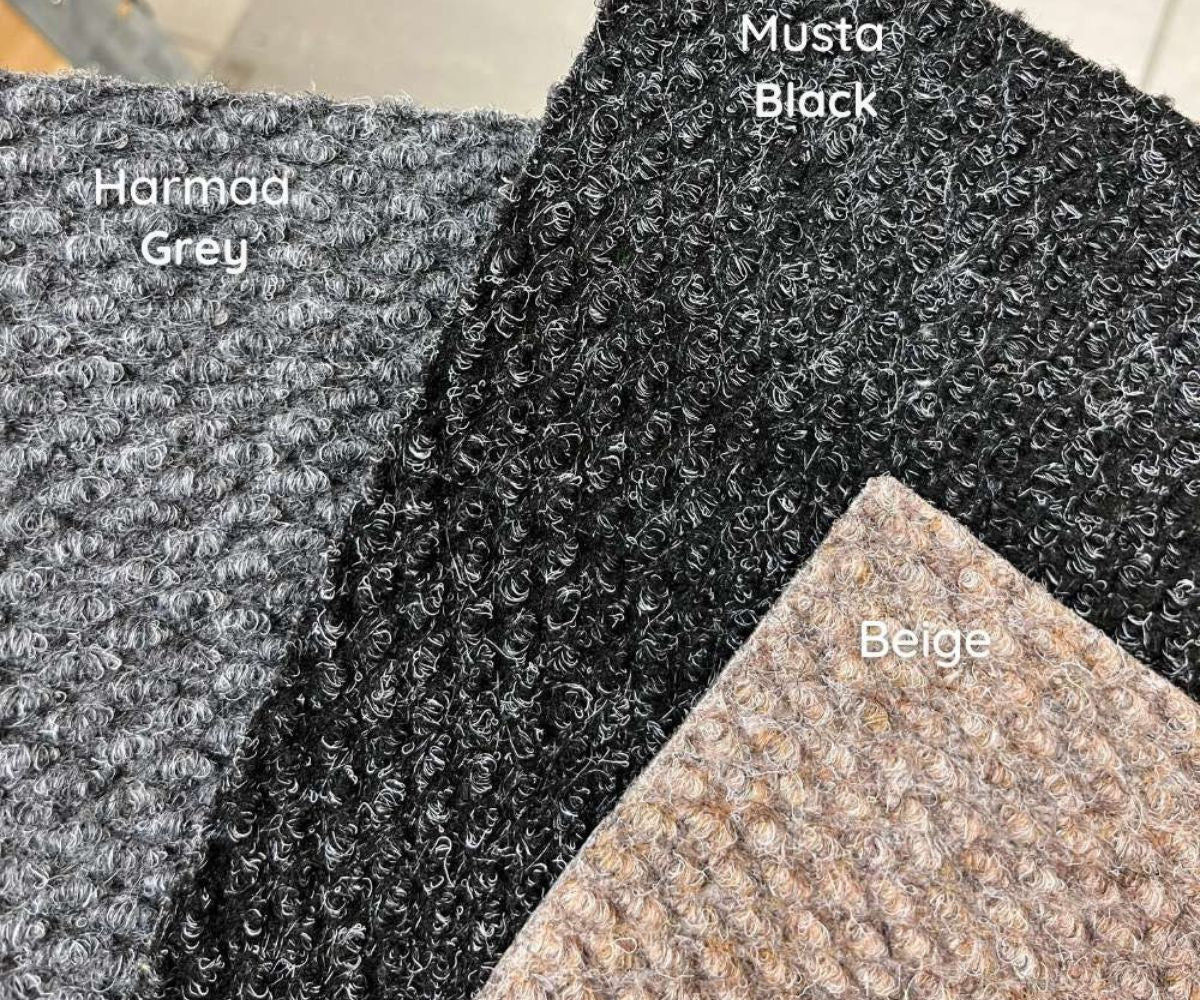
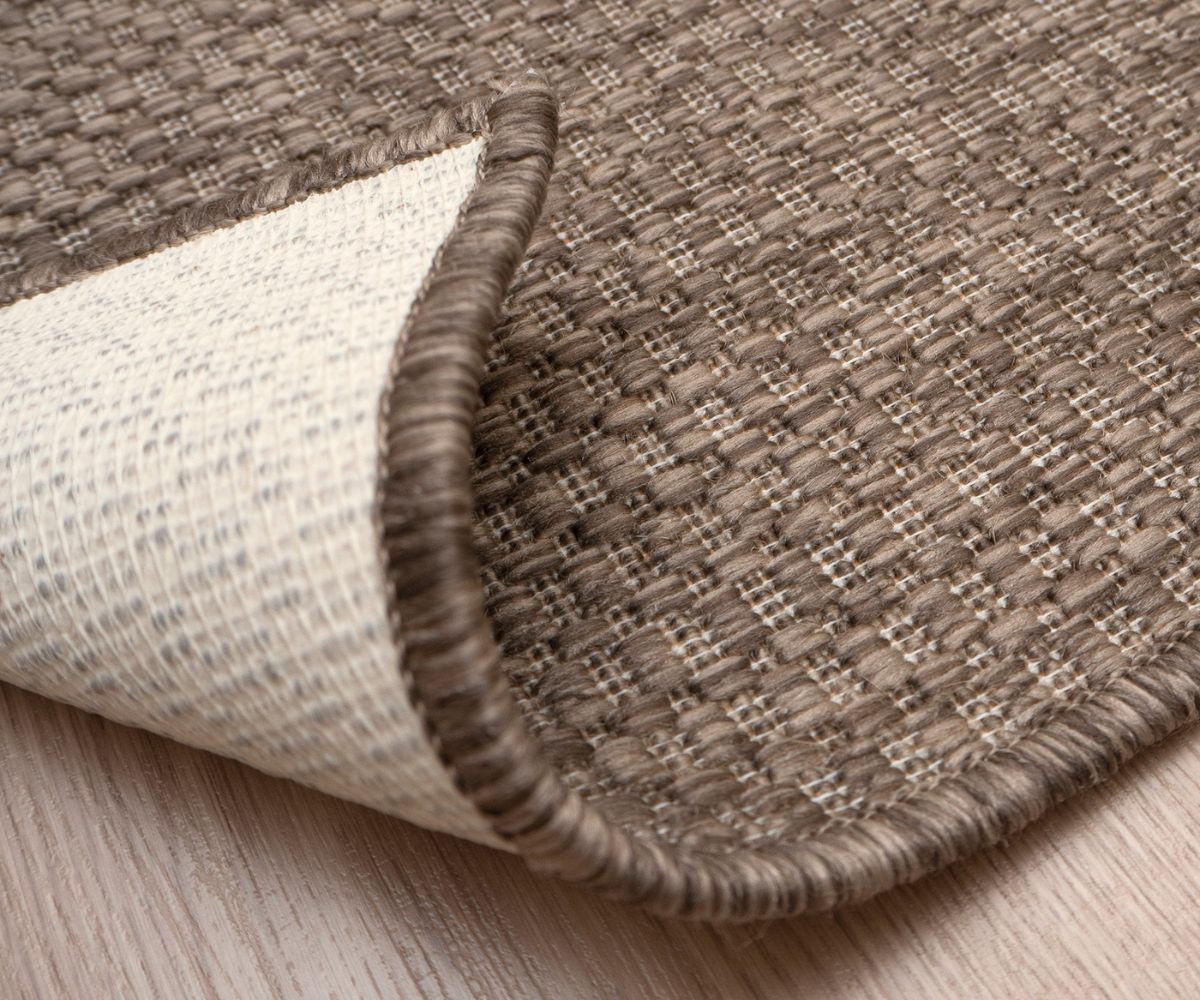
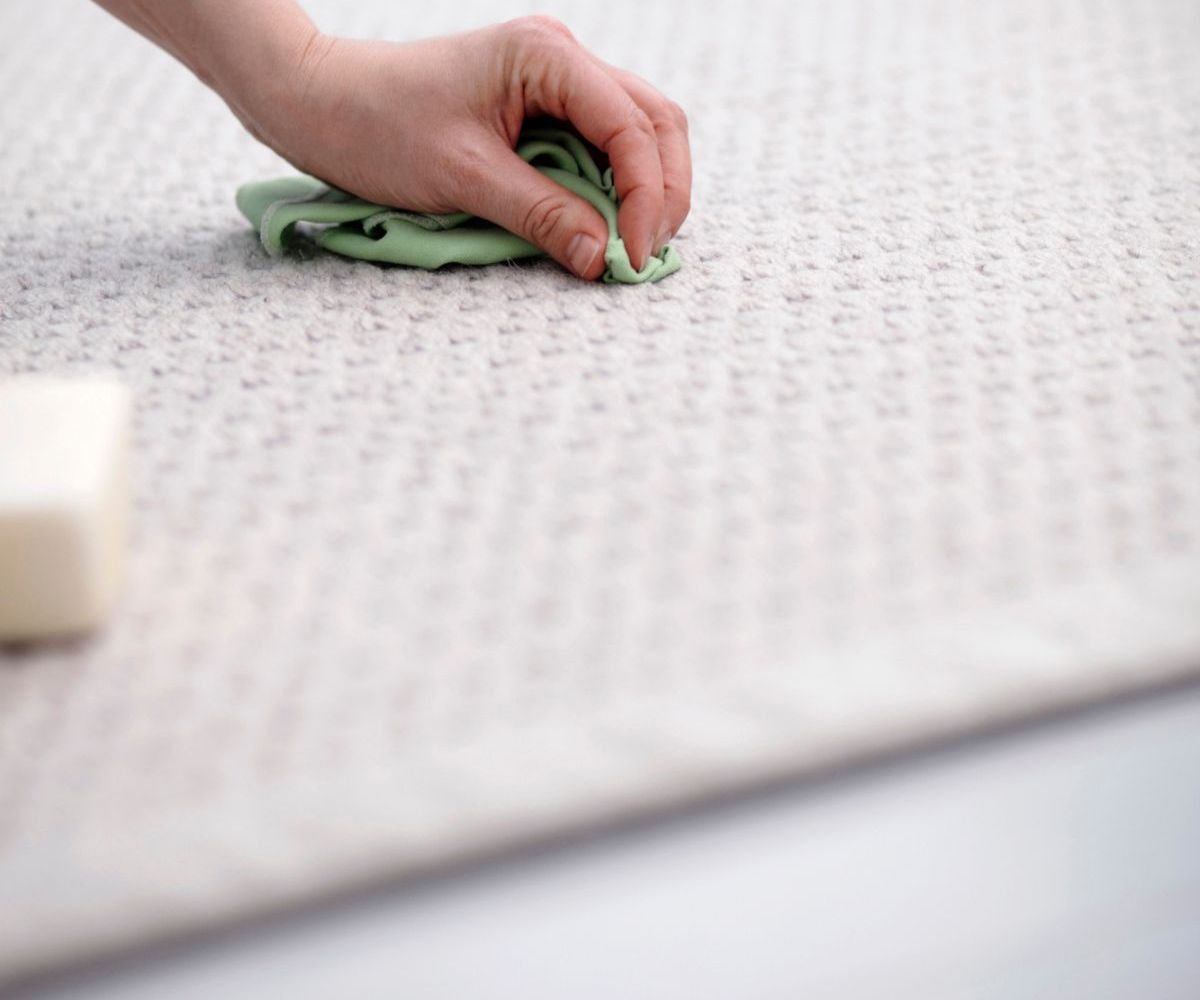
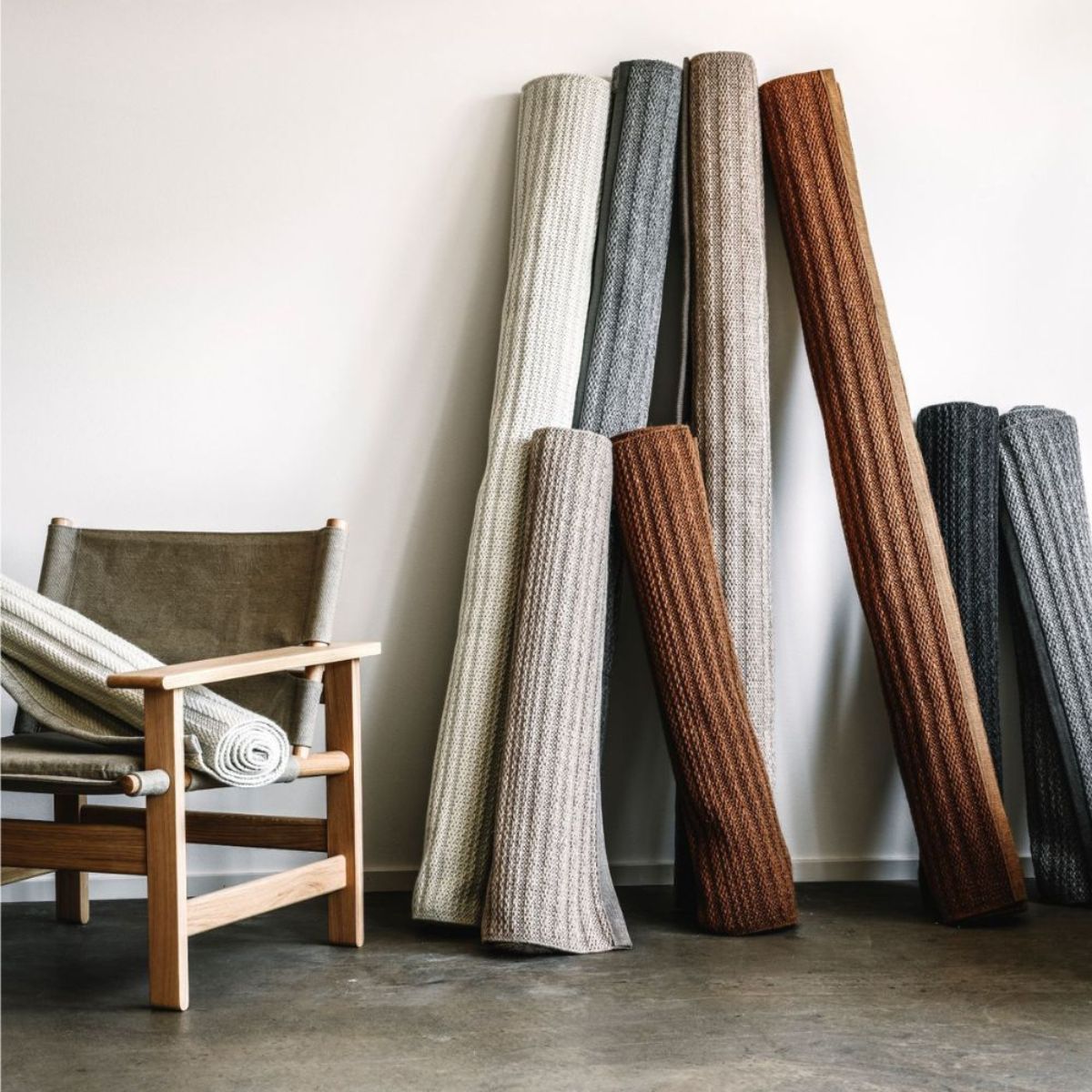
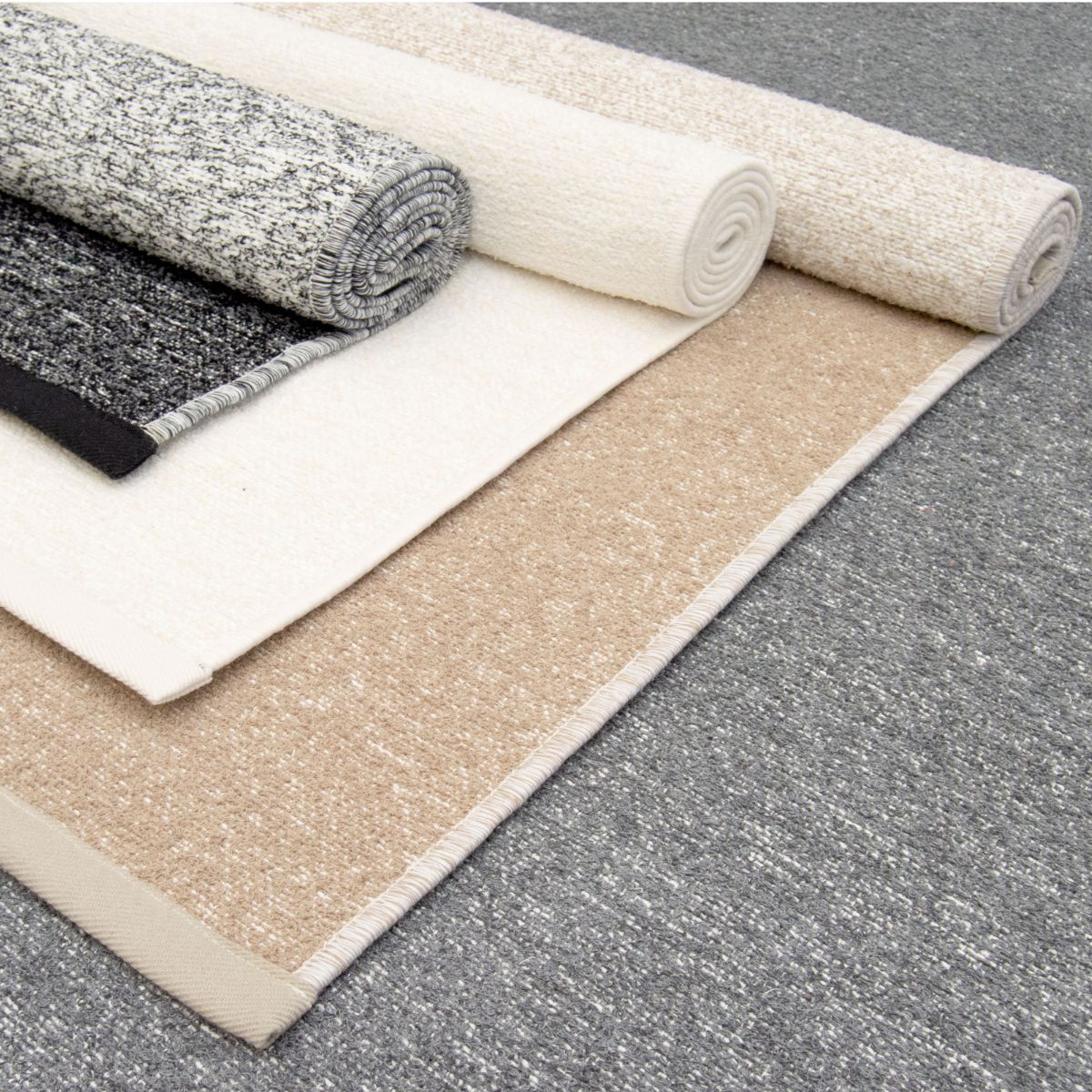
RUG MATERIALS

Rug Materials – A Complete Guide for Your Home

The material of a rug affects how it feels, how durable it is, how easy it is to care for, and where it works best in the home. In this guide, we go through the most common rug materials and help you choose the best option for your home.

Whether it’s for the living room, bedroom, kitchen, or children’s room, the right material makes everyday living easier and helps complete the overall look of your interior.

In this guide, we cover

  1. Why is rug material important?
  2. The most common rug materials
  3. Which rug material is best for different spaces?
  4. Rug care by material
  5. How to choose the right material
  6. Summary – the right material makes the rug perfect

Remember proper care – the material makes the difference

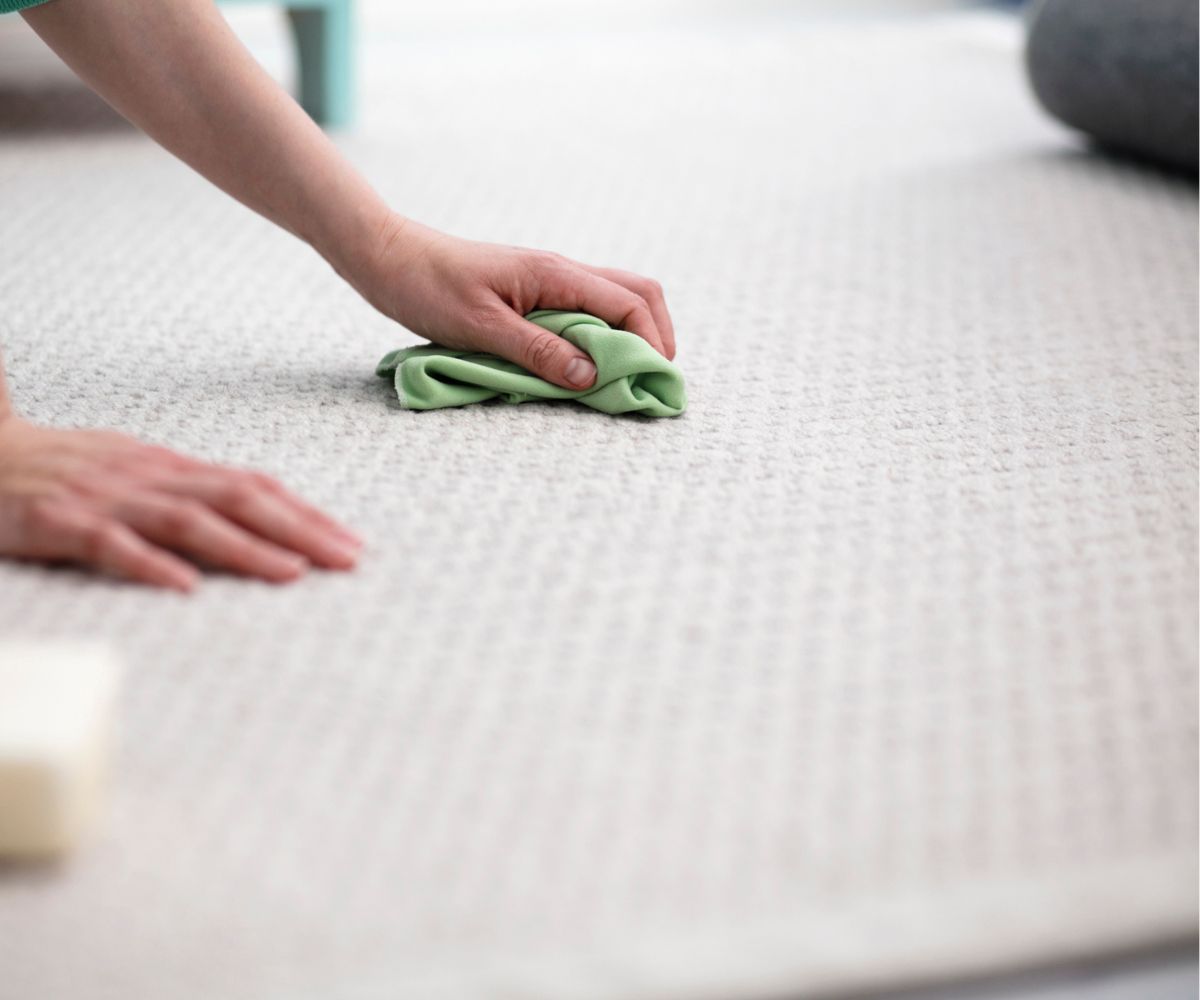
Choosing the right rug material is only the first step. To keep your rug looking good and lasting for years, it also needs care that suits the material.

Different materials require different care methods:

GO TO THE CARE INSTRUCTIONS PAGE

1. Why is rug material important?

When looking for a new rug, color and pattern are often the first things that catch the eye. In reality, however, the most important decision is what the rug is made of. The material of the rug directly affects how well it withstands everyday use, how it feels underfoot, how easy it is to keep clean, and how well it suits different spaces—especially in homes with children, pets, or underfloor heating.

Choosing the right rug material makes everyday life easier and helps create a more finished interior. The wrong material, on the other hand, can mean constant stress about stains, faster wear, or a rug that simply doesn’t work as expected in your home.

If you’re not yet sure about the right rug size, also take a look at

RUG SIZE GUIDE

2. The Most Common Rug Materials

The material of a rug has the biggest impact on how it feels, how well it withstands everyday use, and how easy it is to keep clean. Choosing the right rug material makes your home more comfortable, simplifies cleaning, and helps extend the rug’s lifespan.

Below are the most common rug materials, including their key characteristics, main advantages and disadvantages, and the spaces where they work best.

2.1 Wool (wool rug)

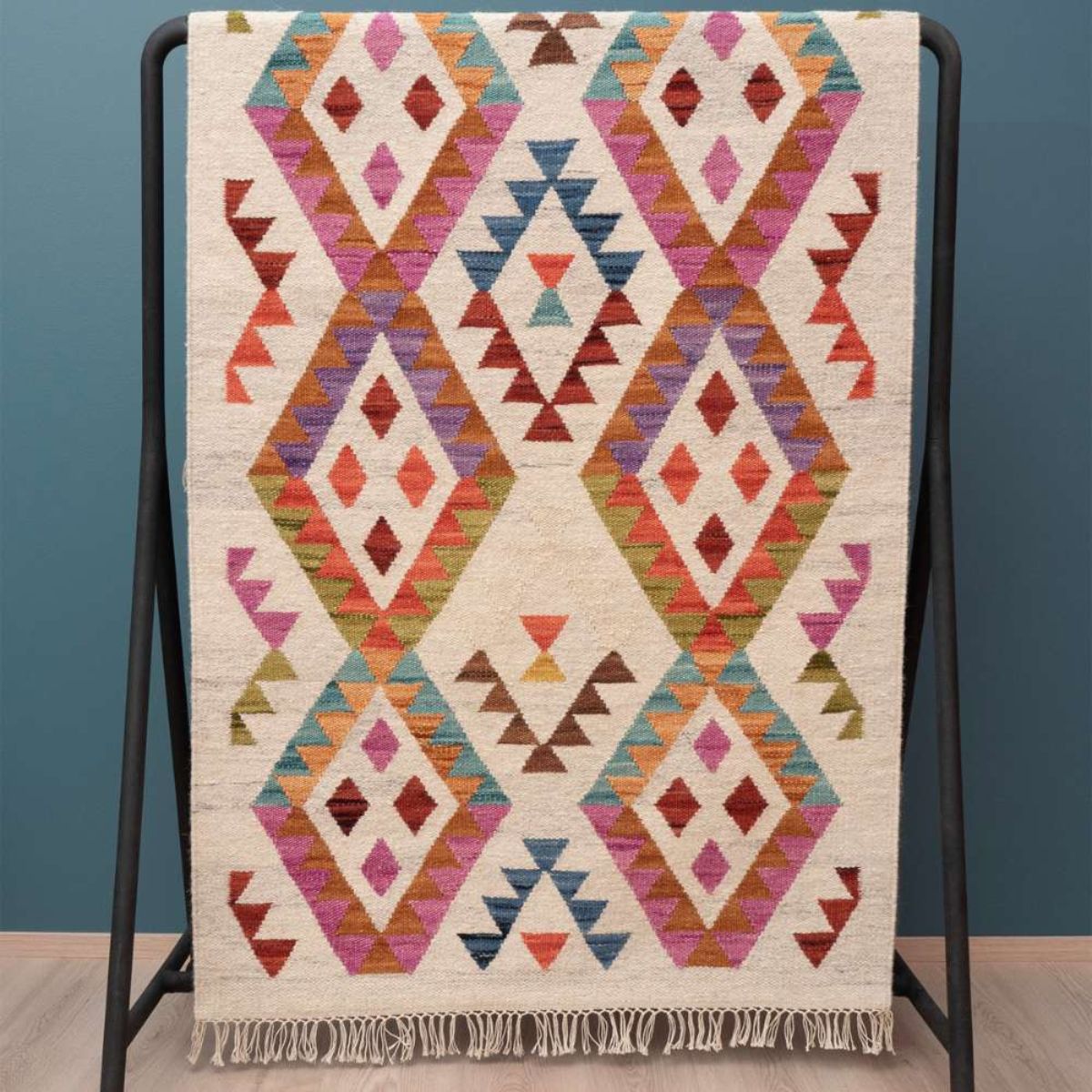
A wool rug is a classic choice because it is naturally durable, warm, and luxuriously soft. Wool is a natural fiber that works especially well in the living room and bedroom, where comfort and good acoustics are appreciated.

Pros

  • Very good durability (a high-quality wool rug can last for years)
  • Warm and soft feel that adds coziness to the home
  • Naturally dirt-repellent: wool contains lanolin
  • Improves acoustics and feels comfortable under bare feet

Cons

  • May shed fibers at first (normal, especially when new)
  • Often requires more gentle care (stains should be treated quickly)
  • Usually more expensive than synthetic alternatives

Tip: If you want “one rug that will still look great years from now,” a wool rug is often the safest premium choice.

ALL WOOL RUGS

2.2 Cotton (cotton rug)

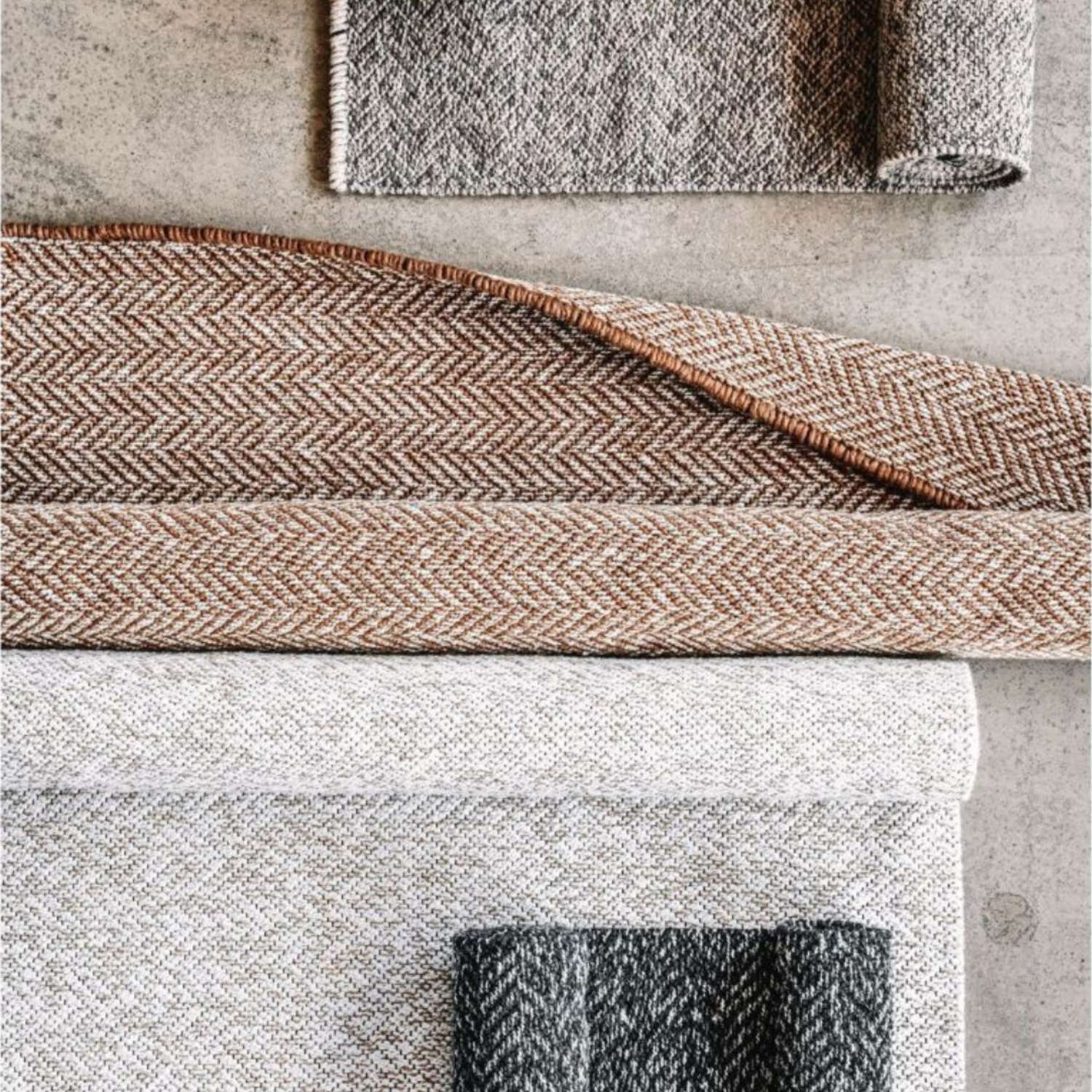
A cotton rug is a light, relaxed, and cozy option. It fits especially well with Scandinavian-style interiors and in spaces where you may want to change the rug seasonally.

Pros

  • Soft and natural feel
  • Often affordable and easy to match with different interior styles
  • Many models are easy to maintain (depending on the construction)

Cons

  • Usually not as durable as wool or polypropylene
  • May move on the floor (a rug pad is recommended)
  • Can absorb dirt and moisture more easily than synthetic materials

Tip: If you want a fresh look easily and on a budget, a cotton rug is an excellent choice.

ALL COTTON RUGS

2.3 Polypropylene (polypropylene rug)

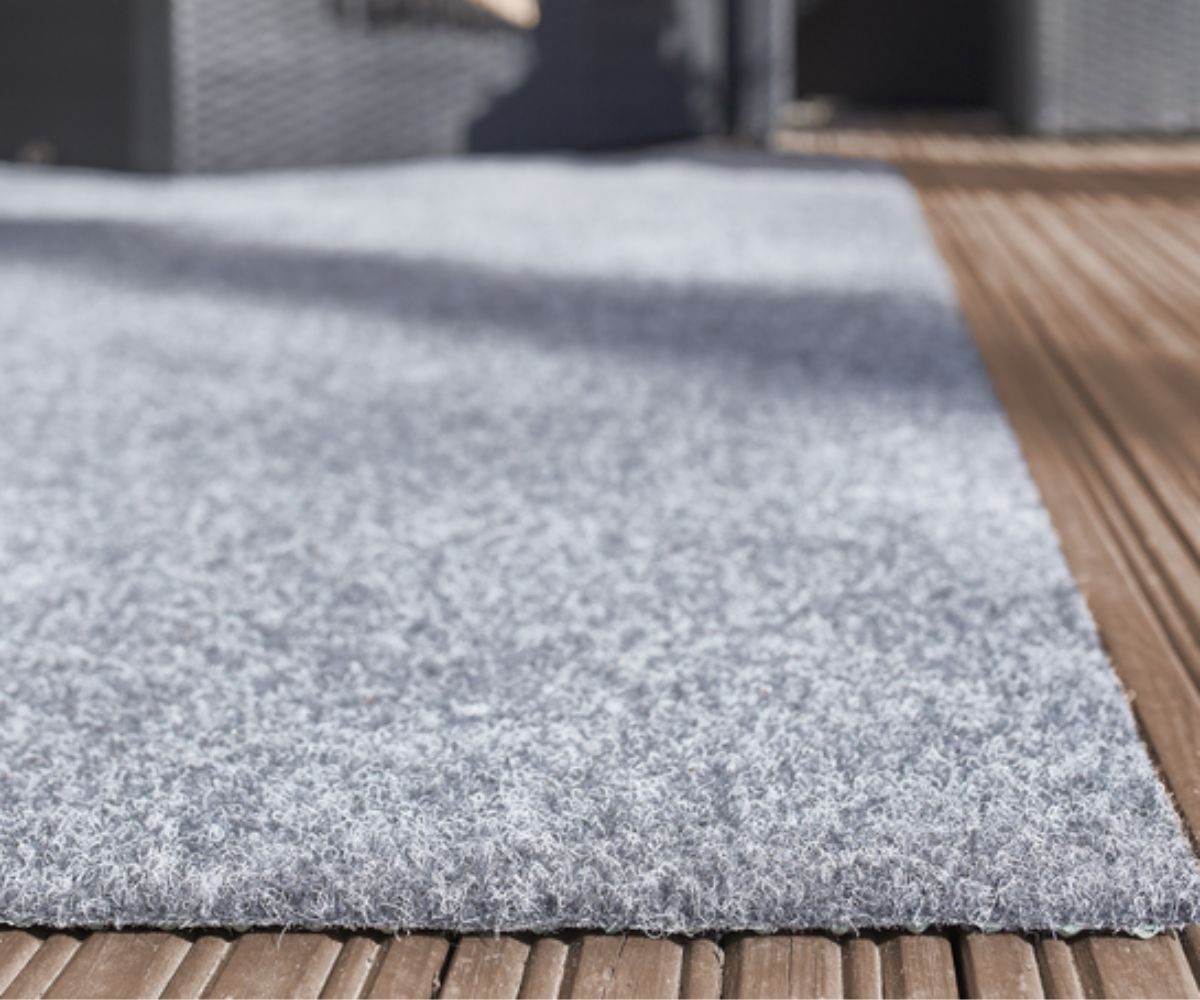
A polypropylene rug is one of the most popular choices for everyday use because it is easy to maintain, durable, and usually offers excellent value for money. Many people choose polypropylene rugs for hallways and kitchens.

Pros

  • Very easy to maintain: repels moisture and dirt
  • Good durability and well suited for everyday use
  • Often affordable with a wide selection of colors and patterns
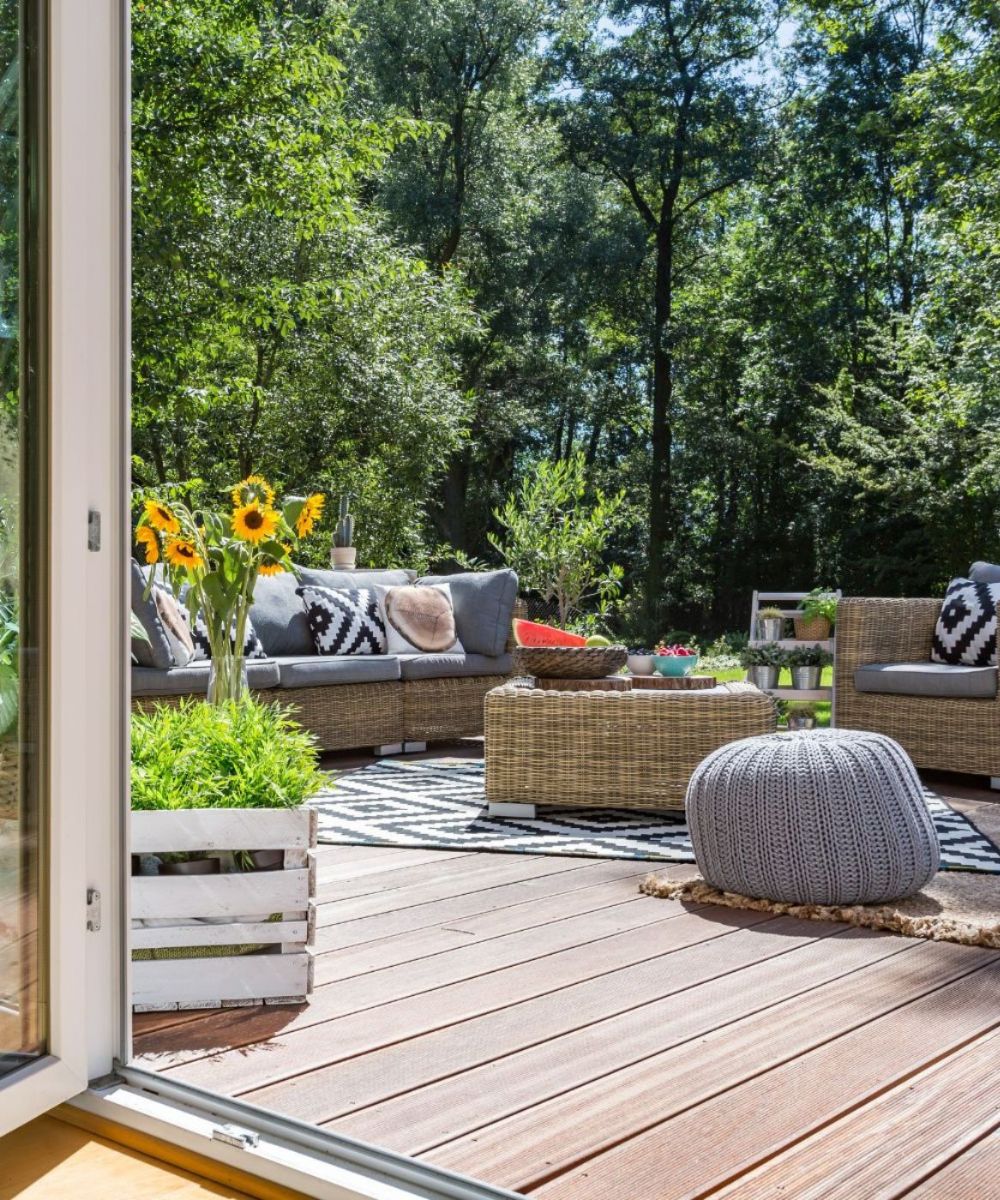
  • Many models are also suitable for covered outdoor areas (depending on the rug)

Cons

  • Does not feel as natural as wool
  • Cheaper rugs may have a less refined look and feel

Tip: If you’re looking for a worry-free rug for a home with children or pets, a polypropylene rug is often the most reliable choice.

2.4 Polyester (polyester rug)

A polyester rug is known for its softness and excellent color retention. It is an attractive option when you want a soft feel and a visually striking rug.

Pros

  • Soft and often plush feel (comfortable underfoot)
  • Good color brightness and appearance
  • Often affordable considering the level of softness

Cons

  • May build up static electricity in dry indoor air
  • Durability may not always match polyamide in heavy use
  • Greasy stains may stick more easily (choose carefully for kitchens or hallways)

Tip: If you want a soft and inviting rug for the living room or bedroom without the price of wool, a polyester rug is an excellent choice.

2.5 Polyamide (polyamide rug / nylon)

Polyamide is one of the most durable synthetic fibers used in rugs. It withstands heavy wear well and recovers from pressure marks, making it a great choice for high-traffic areas.

Pros

  • Very durable and resilient (recovers well from dents and pressure marks)
  • Excellent choice for hallways, entryways, and busy areas of the home
  • Often easy to clean when stains are treated quickly

Cons

  • May be more expensive than polypropylene
  • Can build up static electricity in certain conditions

Tip: If you want a rug that can handle busy everyday life and heavy foot traffic, a polyamide rug is a smart and reliable choice.

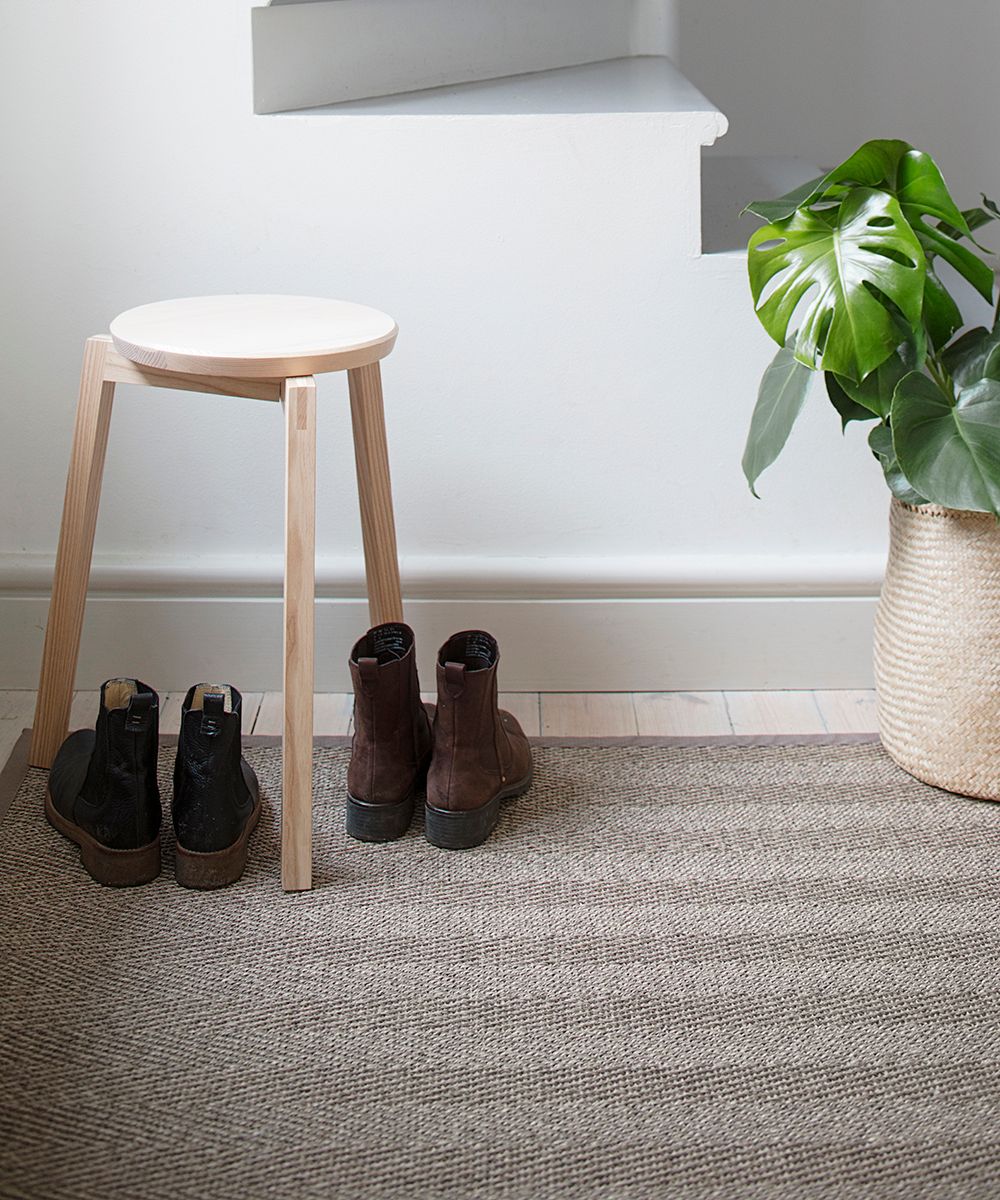
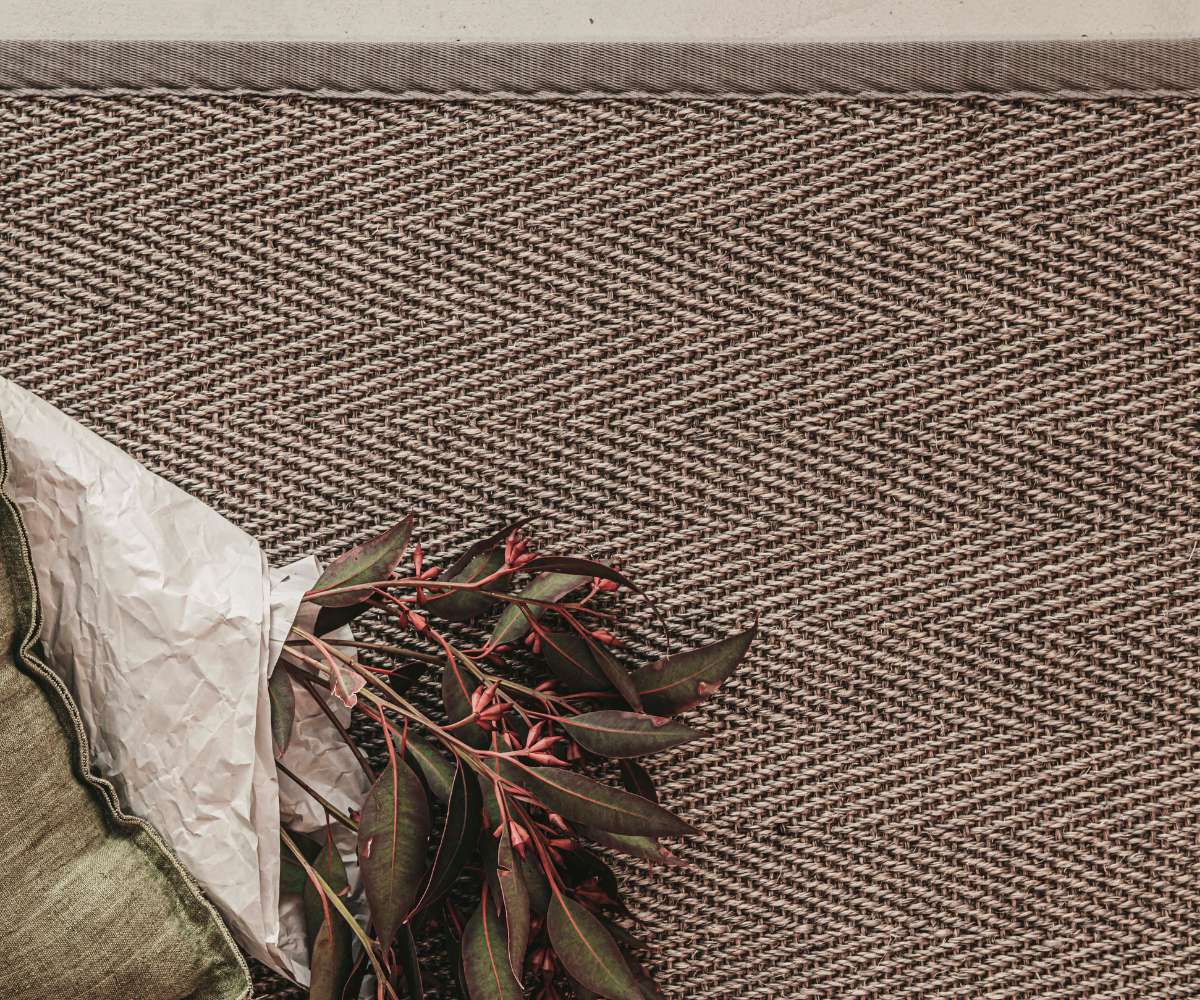
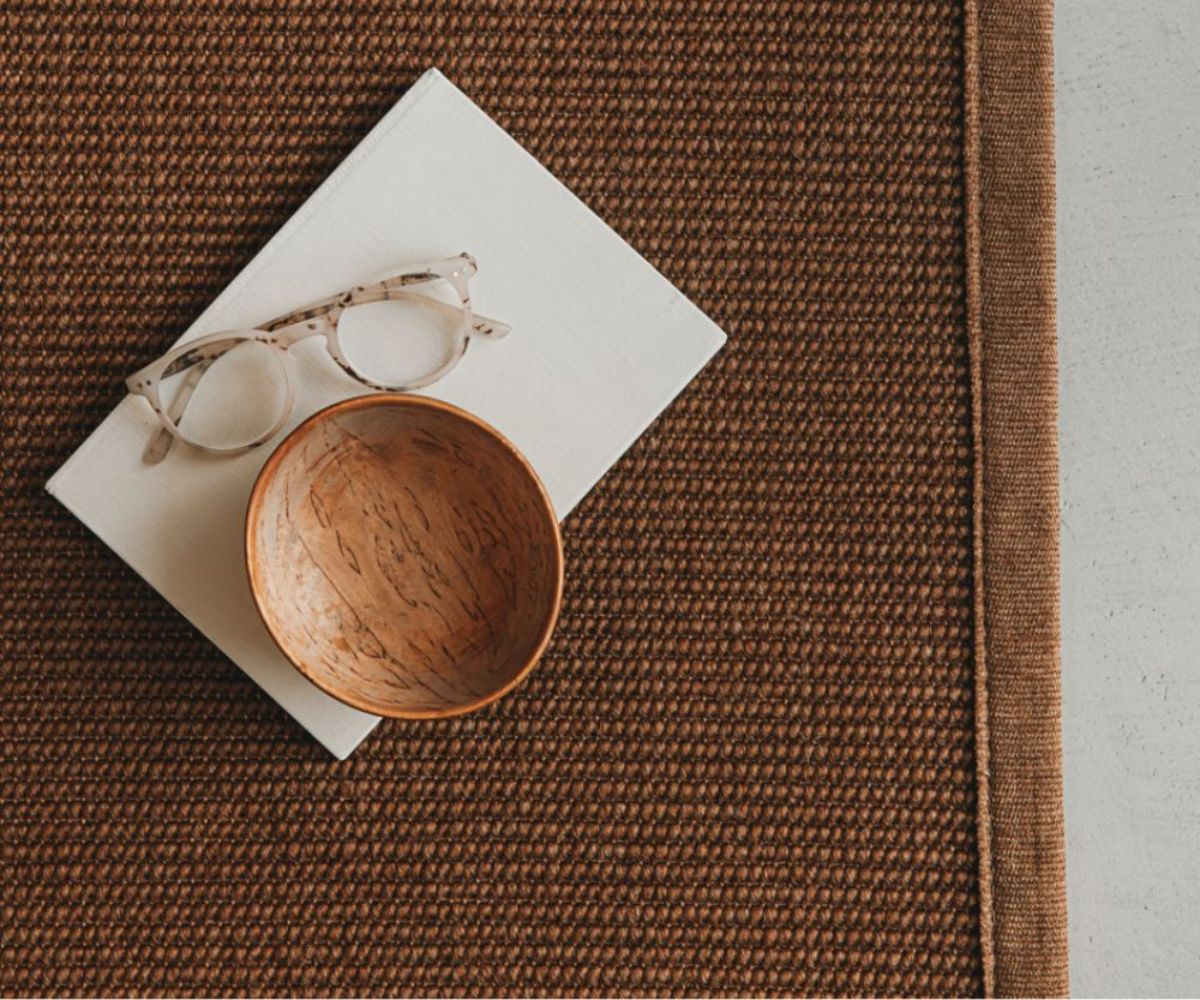
2.6 Sisal (sisal rug)

A sisal rug is made from natural fibers and is known for its textured, timeless look. It gives a space a structured feel and works especially well in dry indoor areas.

Pros

  • Very firm and structured surface
  • Natural and timeless appearance
  • Highly resistant to mechanical wear in dry conditions

Cons

  • Does not tolerate moisture well and may stain easily
  • Rougher texture, not always ideal for bare feet
  • Stains can be more difficult to remove

Tip: If you want a natural and stylish foundation for your interior, a sisal rug instantly brings a premium feel to the space.

ALL SISAL RUGS

2.7 Paper yarn (paper yarn rug)

A paper yarn rug is a lightweight option with a natural look. It often resembles jute or sisal, but typically has a cleaner and more modern appearance.

Pros

  • Lightweight, clean-lined, and decorative
  • Natural look that fits well with Scandinavian interiors
  • A good choice for dry indoor spaces

Cons

  • Does not tolerate moisture well
  • May be more sensitive to wear than sisal (depending on quality)
  • Stain removal requires careful handling

Tip: If you want a natural look with a cleaner and more modern feel, a paper yarn rug is worth considering.

2.8 Viscose (viscose rug)

A viscose rug is a “silk-like” decorative rug that looks luxurious and reflects light beautifully. It is an excellent choice when appearance and atmosphere are the top priorities.

Pros

  • Beautiful sheen and luxurious surface
  • Soft feel and an elegant look in the living room
  • Quickly elevates the interior to a “hotel-like” level

Cons

  • Sensitive to moisture and stains (requires careful maintenance)
  • Not the best choice for heavy wear or entryways
  • Pressure marks may be more visible

Tip: If you want a true statement piece and a refined interior, a viscose rug is a stylish choice—especially for more formal living spaces.

ALL VISCOSE RUGS

2.9 Jute (jute rug)

A jute rug is a very popular natural fiber rug because it has a warm, relaxed look and works well with many interior styles—from boho to Scandinavian.

Pros

  • Natural texture that is softer and less rough than sisal
  • Stylish and timeless, easy to combine with many interiors
  • Great balance between price and visual appeal

Cons

  • Does not tolerate moisture well and stains may set easily
  • Fibers may shed slightly at first
  • Not the best choice for areas where spills are common

Tip: If you want your home to look effortlessly styled, a jute rug adds warmth and a trendy natural feel with very little effort.

ALL JUTE RUGS

3. Which Rug Material Is Best for Different Spaces?

The right rug material depends mainly on where the rug will be placed and what everyday life looks like in your home. An entryway requires durability and easy maintenance, the living room emphasizes comfort and style, and in the kitchen the material needs to withstand spills.

Below is a clear guide to the best rug materials for each room in your home.

Entryway & Vestibule (Highest Wear)

In the entryway, rugs face the toughest conditions in the home: sand, dirt, moisture, and shoes quickly wear down the surface. That’s why it’s best to choose a rug that emphasizes durability and easy maintenance—one that stays neat in everyday use with minimal effort.

Best materials for entryways

  • Polypropylene – a very practical choice: durable, easy to maintain, and moisture-repellent, making it ideal for everyday use at the entrance.
  • Polyamide (nylon) – one of the most durable synthetic rug fibers: resilient and highly resistant to wear, making it a great option for hallways and other high-traffic areas.

Underfloor heating in the entryway – an important note

If your entryway has underfloor heating, pay attention to the rug backing. A very dense or thick backing can reduce heat transfer and slow down how quickly the floor feels warm. For underfloor heating, rugs with a breathable or lighter backing often work best, or alternatively a rug pad designed for underfloor heating placed under the rug.

A latex backing can be practical for preventing slipping, but it is not always the most breathable option, so compatibility should be checked especially when underfloor heating is used.

Usually best avoided in entryways

  • Viscose, jute, sisal, and paper yarn – these materials are generally more sensitive to moisture and stains, so their surface may wear more quickly in entryway conditions.

Tip: When you choose a polypropylene or polyamide rug for the entryway, you get a worry-free everyday solution: cleaning is easier, the rug withstands heavy use, and your entrance stays tidy longer.

🔥 Explore entryway rugs →

Hallway & Stairs (Constant Foot Traffic)

Hallways and staircases receive a lot of foot traffic, and pressure marks can appear easily. The most important qualities here are durability, resilience, and structure so the rug maintains its shape.

Best materials

  • Polyamide – extremely durable and recovers well from pressure marks
  • Polypropylene – a reliable everyday option that is easy to clean
  • Wool – works well as a high-quality option when the construction is dense and properly maintained

Tip: In busy passageways, always choose a material that can handle daily use—it directly affects how long the rug lasts.

🔥 Browse hallway rugs →

Kitchen (Spills & Easy Maintenance)

In the kitchen, rugs often face spills and crumbs, so easy cleaning and moisture resistance are essential.

Best materials

  • Polypropylene – excellent for everyday use, moisture-repellent and easy to maintain
  • Polyamide – durable and a good option if there is a lot of movement in the kitchen

Often best avoided

  • Viscose, jute, sisal, paper yarn – spills and stains may show more easily.

Tip: Choosing a practical kitchen rug material pays off in everyday life—cleaning becomes easier and the rug looks tidy longer.

🔥 Explore kitchen rugs →

Living Room (Comfort & Interior Focal Point)

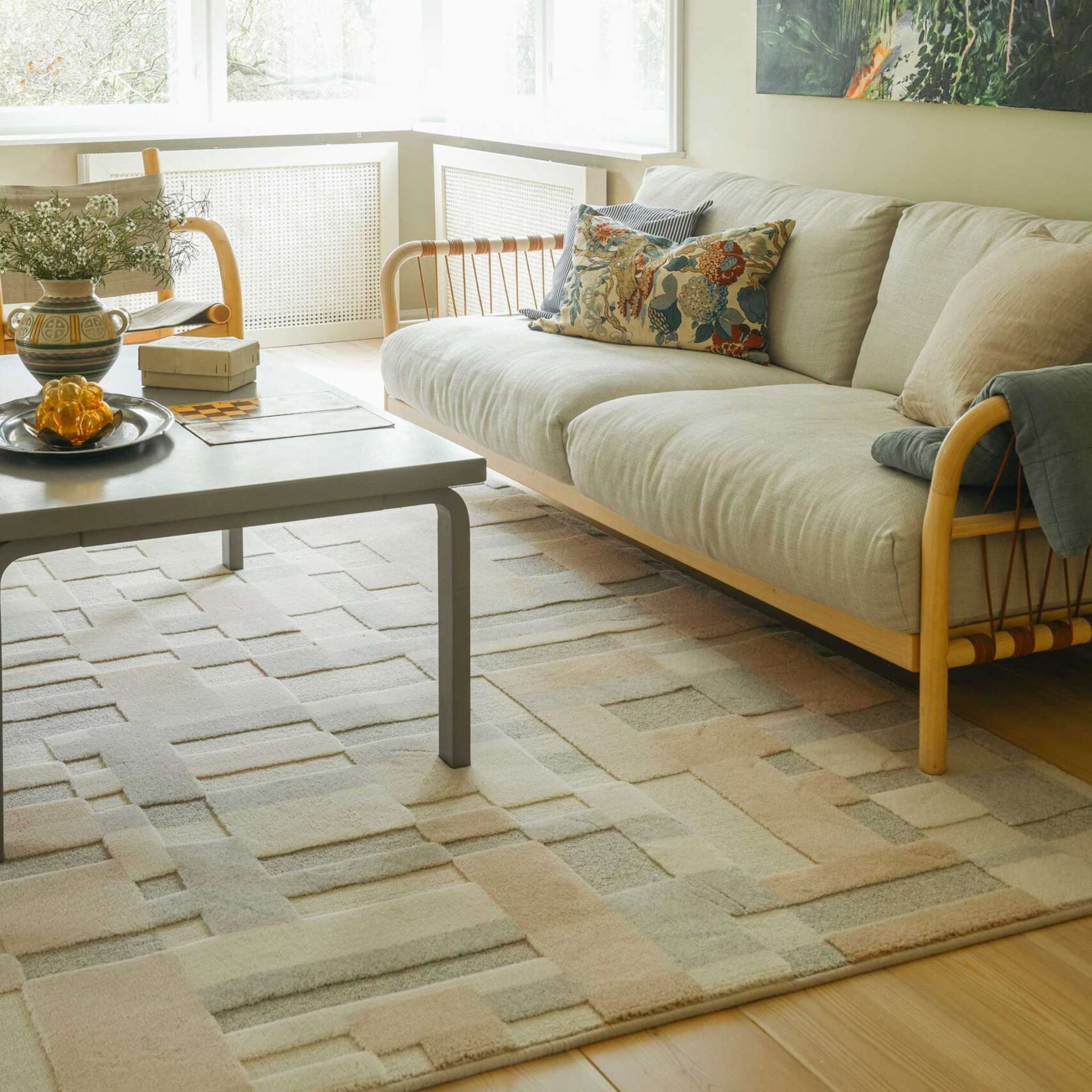
In the living room, the rug defines the atmosphere: it softens acoustics, connects furniture, and completes the space. Here, feel, appearance, and durability are key.

Best materials

  • Wool – warm, durable, and luxurious, timeless in appearance
  • Polyester – soft and comfortable, great when you want plushness and visual appeal
  • Viscose – very stylish with a silky look, perfect for a hotel-like atmosphere (best in calmer, dry areas)
  • Polypropylene – a practical option for busy homes with children, pets, or heavy use

Tip: If you want one long-lasting rug for the living room, wool is often the best choice. For softness and easy maintenance, polyester or polypropylene are also excellent options.

🔥 Browse living room rugs →

Dining Area (Crumbs & Stain Risk)

Under the dining table, the rug needs to withstand crumbs, stains, and moving chairs. Choose a material that is durable and easy to clean.

Best materials

  • Polypropylene – practical and easy to maintain
  • Polyamide – durable with good resilience, ideal under chairs
  • Wool – possible when choosing a dense construction and treating stains quickly

Tip: In dining areas, practicality matters most—an easy-care material makes everyday life much simpler.

🔥 Explore dining room rugs →

Bedroom (Softness & Warmth Underfoot)

In the bedroom, comfort and a calm atmosphere matter most. A soft rug makes a noticeable difference in the morning.

Best materials

  • Wool – warm with a natural feel
  • Polyester – an especially soft option when comfort is the priority
  • Cotton – light and relaxed for a more airy look
  • Viscose – elegant and soft when the space has lighter use

Tip: In the bedroom, it’s worth investing in comfort underfoot—this is where softness matters most in daily life.

🔥 Browse bedroom rugs →

Children’s Room (Spills, Play & Easy Cleaning)

In a children’s room, rugs experience heavy use: play, crafts, and everyday surprises are part of the routine. The material should be durable, easy to clean, and comfortable.

Best materials

  • Polypropylene – easy to clean and durable
  • Polyamide – extremely resistant to wear
  • Polyester – soft for play when choosing a practical construction

Tip: Choosing an easy-care material saves time and keeps the rug looking neat longer.

🔥 Explore children room rugs →

Home Office (Pressure Marks & Chair Movement)

Office chairs, wheels, and constant movement require resilience and durability. Surfaces that are too soft or delicate may wear quickly.

Best materials

  • Polyamide – best choice for durability and resilience
  • Polypropylene – a good basic option for lighter use
  • Low-pile wool – works well when you want a natural, premium look

Tip: Choose a dense and durable material so the rug stays looking good under chair use.

Lounge Areas & Decorative Spaces

(entry halls, reading corners, alcoves)

If the rug’s main purpose is to complete the interior, the material can emphasize appearance and atmosphere.

Best materials

  • Viscose – striking, luxurious, and visually elegant
  • Wool – timeless and high quality
  • Jute / sisal / paper yarn – natural and trendy, best in dry spaces

Tip: When you want a finished interior look quickly, a natural fiber rug or viscose rug often elevates the entire space.

Underfloor Heating – Quick Note

With underfloor heating, rugs with breathable and heat-permeable structures are usually recommended. Very thick rugs or dense backings can reduce the feeling of warmth. Also ensure that the rug pad used is compatible with underfloor heating.

🔥 Explore rugs suitable for underfloor heating →

4. Rug Care by Material

Each material requires the right kind of care. With proper maintenance, your rug stays clean, withstands everyday use, and looks great for years.

Read more about rug care and cleaning tips.

RUG CARE INSTRUCTIONS

5. How to Choose the Right Rug Material – 4 Questions to Find the Perfect Option

Choosing the right rug material is surprisingly easy once you know what your everyday life really requires. Different rug materials behave in different ways: some are highly durable and easy to maintain, while others bring natural warmth and a luxurious feel to your home.

Answer the questions below and you’ll quickly find the rug material that best suits your needs.

1) Will the rug be in a high-traffic area?

If the rug will be placed in the entryway, hallway, kitchen, or another busy area, the most important factors are durability and easy maintenance so the rug stays neat in everyday use.

Recommended materials for high-traffic areas

  • Polyamide – extremely durable and resilient, ideal for constant foot traffic
  • Polypropylene – easy to maintain, durable, and a practical everyday rug
  • Wool – a high-quality and durable natural material when a dense construction is chosen

Tip: When you choose a durable material for busy areas, the rug will look good longer and you’ll spend less time cleaning.

2) Are there children or pets at home?

In homes with children or pets, the rug needs to handle real life: stains, hair, playtime, and occasional spills. In this case, easy cleaning and everyday durability are essential.

Best choices for homes with children or pets

  • Polypropylene – the everyday favorite: easy to maintain and very practical
  • Polyamide – extremely durable and well suited for busy spaces
  • Polyester – soft and comfortable when choosing an easy-to-clean construction

Often best avoided

  • Viscose and more delicate natural fibers in heavy everyday use if stains occur easily.

Tip: When the material is easy to maintain, the rug stays neat without stress—and your home looks tidy every day.

3) Do you prefer a natural material or an easy-care option?

This question helps you decide whether you value natural texture and appearance or maximum practicality in everyday life.

Natural materials – when you value authenticity and warmth

  • Wool – warm, timeless, and high quality
  • Cotton – light, cozy, and easy to style
  • Jute / sisal / paper yarn – natural and trendy, best suited for dry spaces

Easy-care options – when you want low maintenance

  • Polypropylene – moisture-repellent and easy to keep clean
  • Polyamide – durable and resilient in everyday use
  • Polyester – soft and comfortable, often with a good price-to-quality ratio

Tip: If you’re unsure, an easy-care material is the safest choice—it works well in many spaces and handles everyday life easily.

4) Is there underfloor heating in the room?

Underfloor heating affects which type of rug works best. Generally, it’s recommended to choose materials and constructions that allow heat to pass through well.

Good options for underfloor heating

  • Polypropylene and polyamide – often excellent for everyday use
  • Cotton – usually thin and heat-permeable
  • Low-pile wool – works well when the construction is not too thick

Important note

Very thick rugs or dense backings can reduce the feeling of warmth from the floor. It’s therefore wise to choose a rug with a breathable backing or use a rug pad suitable for underfloor heating.

Tip: When the rug is compatible with underfloor heating, you get the warmth of the floor and the comfort of a rug at the same time.

When you answer these questions, the right material becomes easy to find

When you know:

  • whether the space has heavy foot traffic
  • whether there are children or pets at home
  • whether you prefer a natural material or an easy-care option
  • and whether the room has underfloor heating

you can quickly find the rug material that best suits your home.

The right material shows in everyday life:

your rug stays neat, feels comfortable, and stands up to daily use for years.

6. Summary – The Right Material Makes the Perfect Rug

A rug may look great in a photo, but the right material is what truly makes it perfect for your home. The material affects how well the rug withstands everyday use, how easy it is to keep clean, how it feels underfoot, and whether it fits your daily life—especially if you have children, pets, or underfloor heating.

When you choose the material based on the room and how the rug will be used, you get a rug that:

  • withstands wear and maintains its structure over time
  • is easy to maintain and stays clean in everyday life
  • feels comfortable and completes the interior
  • works practically in the space where the rug is placed

A simple rule of thumb is this: in high-traffic areas, it’s best to choose durable and easy-care materials such as polypropylene or polyamide. In the living room or bedroom, you can focus more on comfort and atmosphere, such as wool or soft polyester. For a natural and trendy look, materials like jute, sisal, and paper yarn work beautifully, while viscose brings a luxurious, elegant sheen to the space.

When you answer a few simple questions—Will the rug be in heavy use? Are there children or pets at home? Do you prefer a natural material or an easy-care option? Is there underfloor heating?—you’ll quickly find the material that makes your rug a truly successful choice.

The right choice shows every day: the rug looks great, feels great, and stands up to everyday use for years to come.

VIEW ALL RUGS
Asiakaskokemuksia onnellinen asiakas

Customer Experiences

We want to offer our customers a seamless, safe, and memorable shopping experience.

Read what our customers think about our service and products.

READ MORE

Reliable & Fast Delivery

We ship all our products quickly and reliably from our Finnish warehouses.

All orders over €199 are delivered free of charge to your doorstep anywhere in Finland!

We also deliver to countries within the EU region.

Read more delivery methods and also check out return policies.

Here you can find more detailed information about the available payment methods.

In addition, we offer free delivery when the product is picked up from the Mattokeidas Tampere or Mattokeidas Turku store.

Fast deliveries

European-wide deliveries straight to your door.

Satisfied customers

Most of our customers recommend us

Do you need to return something?

14-day exchange and return policy

Secure payments

Choose from several options or pay later with Klarna!