Where do ceiling lights work best?
Ceiling lights are suitable for almost every room – the key is to choose the right model and light output for each space.
Living room ceiling lights
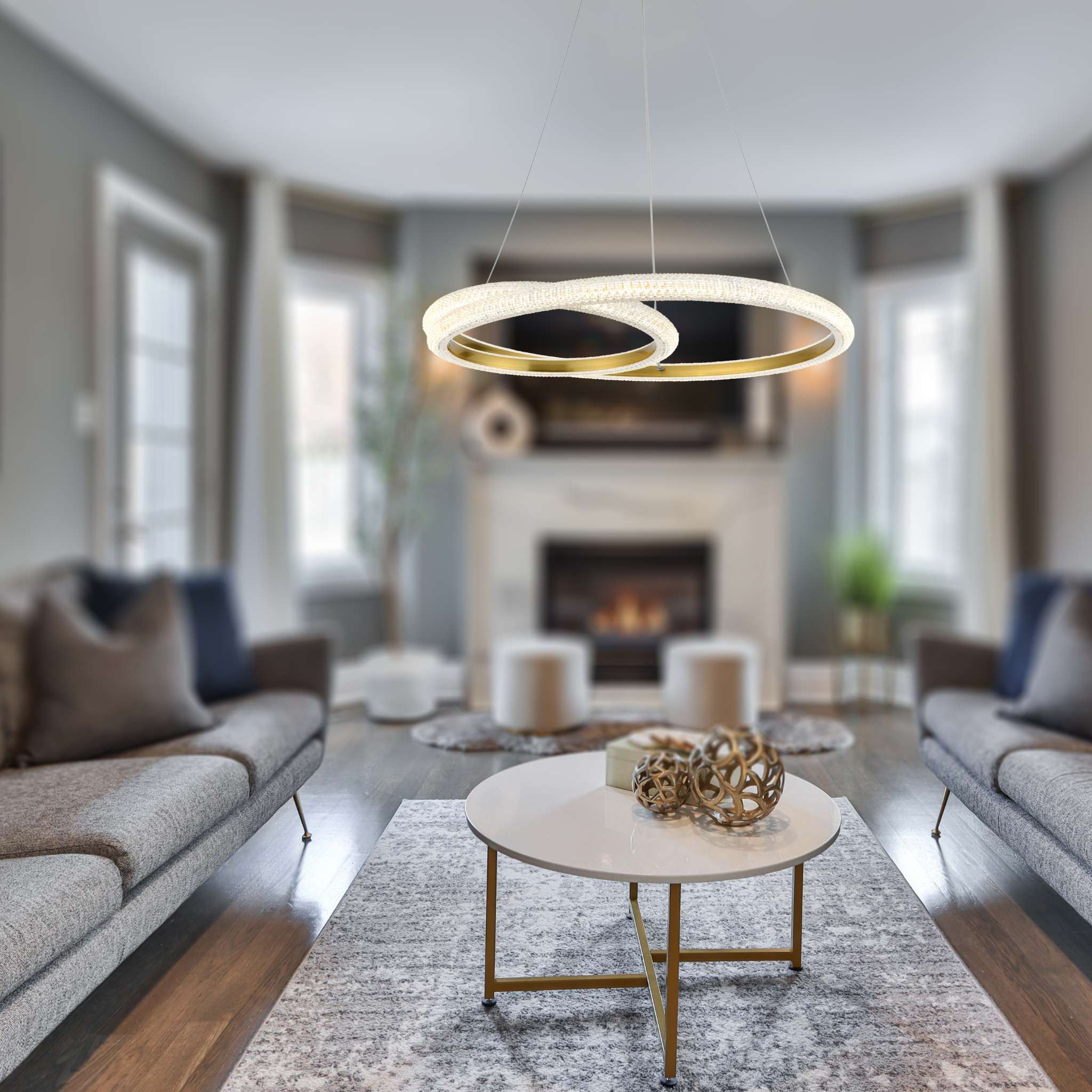
In the living room, a ceiling light should give enough general light without causing glare. Many people combine a living room ceiling light with floor lamps and table lamps to create flexible, layered lighting for different occasions.
Kitchen ceiling lights
In the kitchen, a ceiling light takes care of even, practical general lighting. A pendant light above the dining table is a great addition, but a bright LED ceiling light often works best for the main kitchen area where you cook and work.
Bedroom ceiling lights
Bedroom ceiling lights should feel soft and comfortable. A warm-toned or dimmable ceiling light creates a calm evening atmosphere, while still giving enough light for dressing and cleaning when needed.
Hallway and corridor ceiling lights
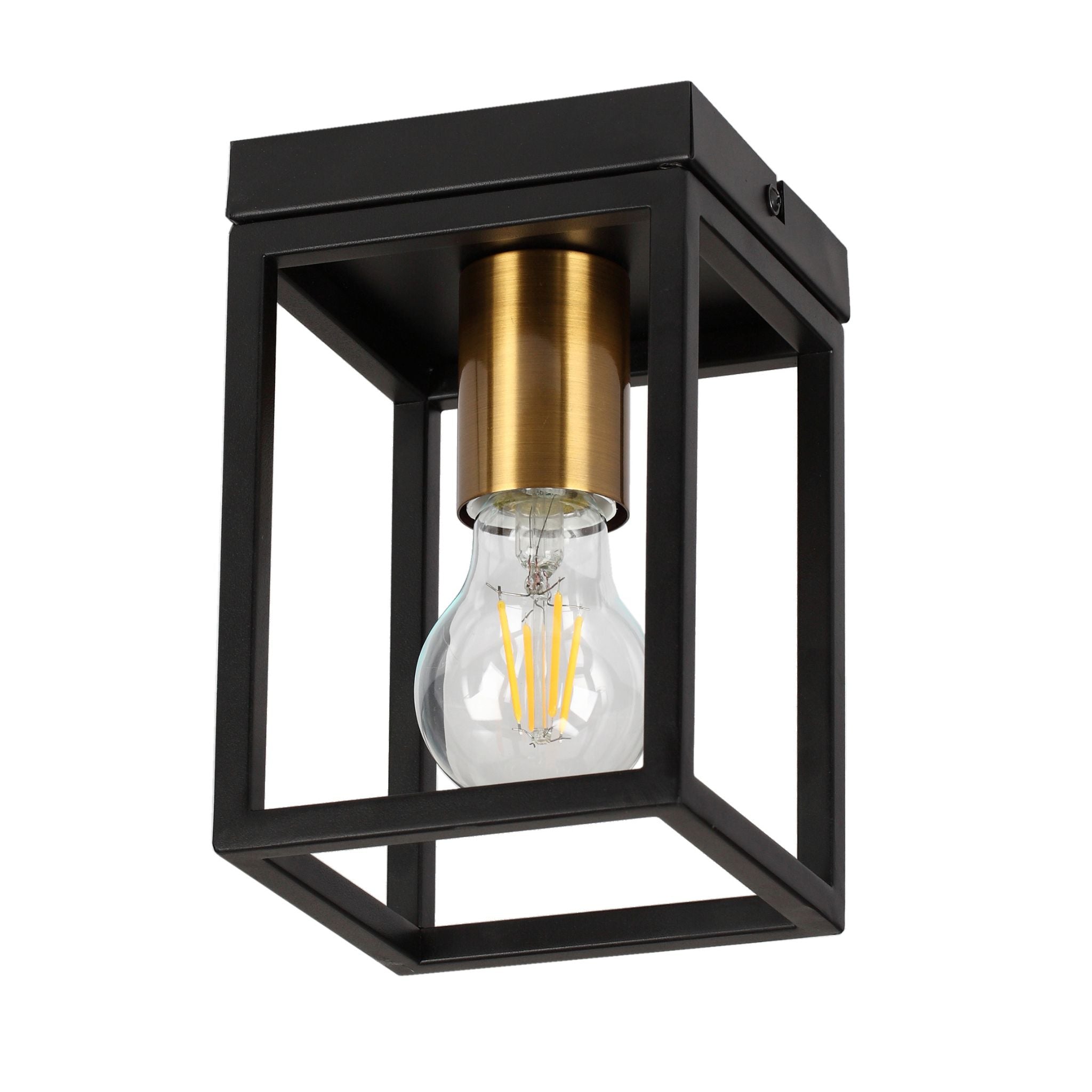
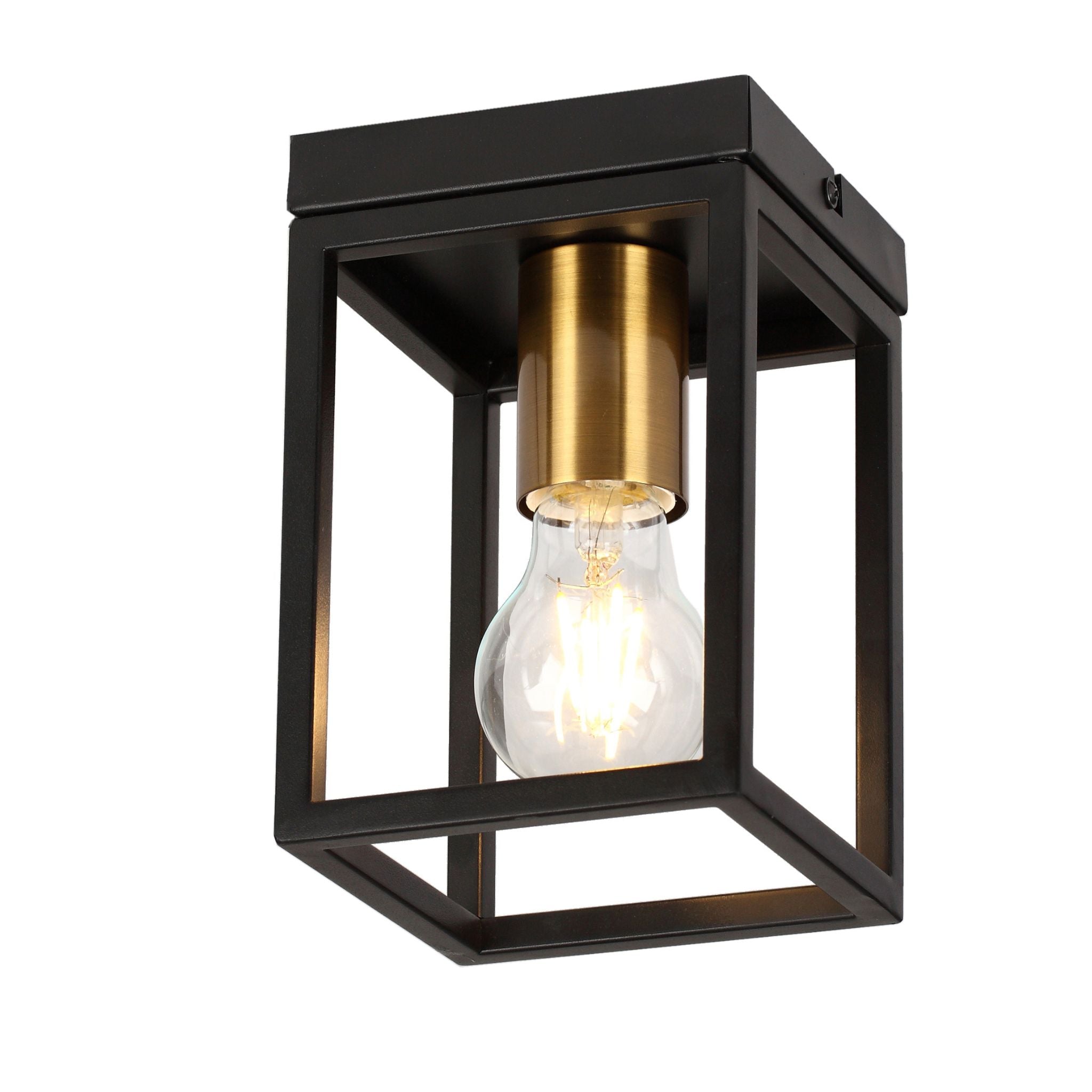
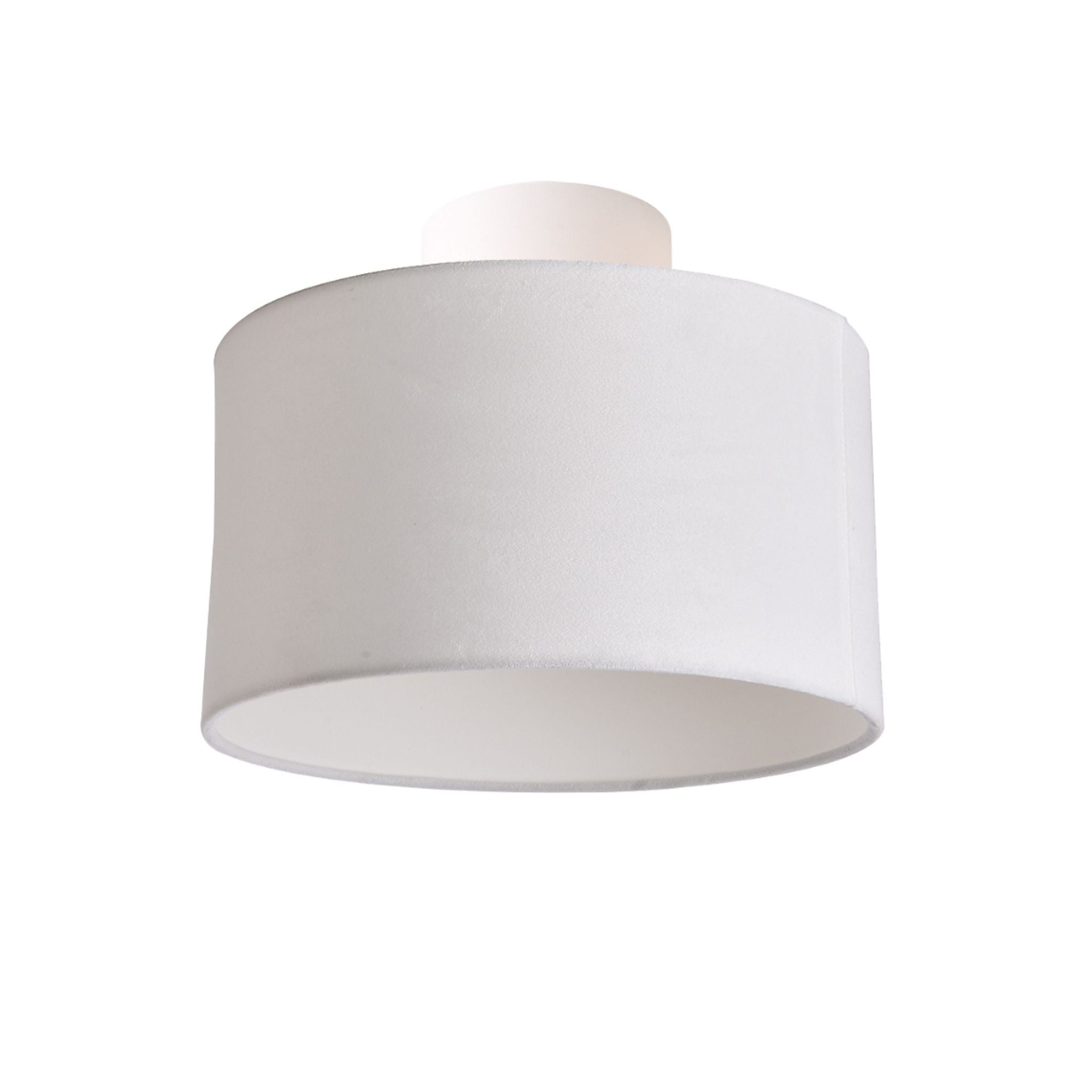
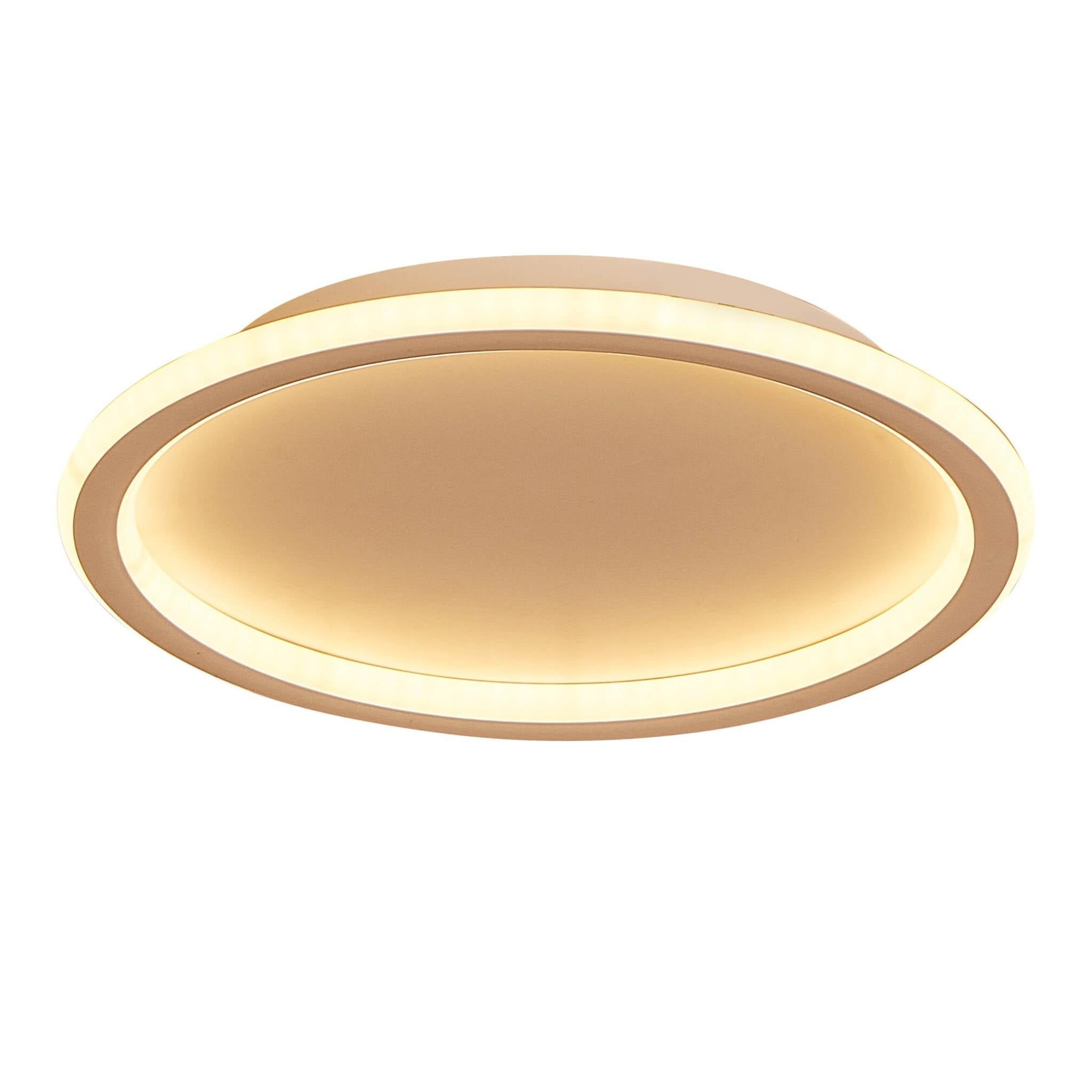
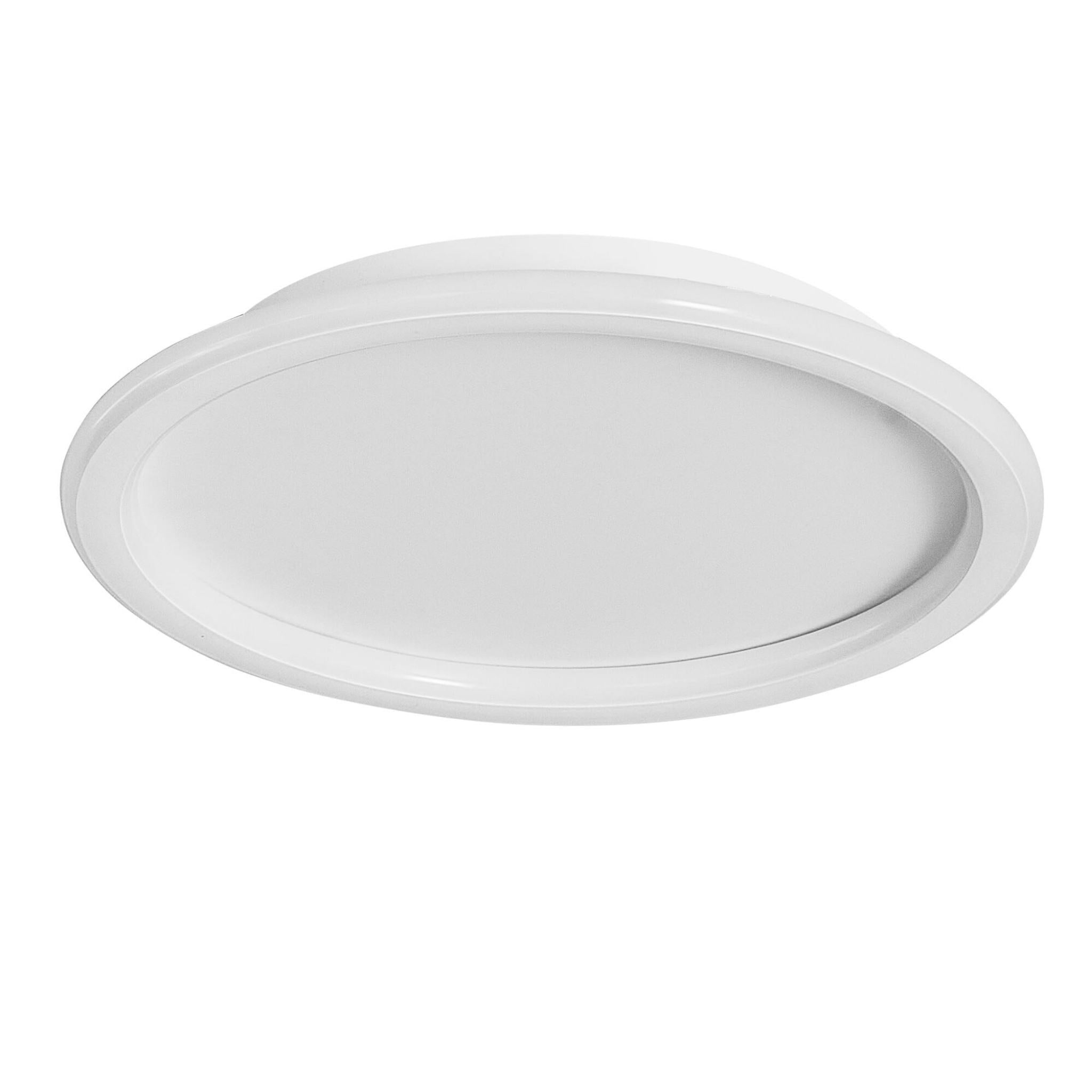
In entrances and corridors, ceiling lights are essential for safety and everyday functionality. Low-profile flush-mount ceiling lights and plafonds are ideal options when you need bright light in a compact space.
How to choose the right ceiling light
Choosing the best ceiling light depends on the size of the room, how you use the space and your interior style.
Room size and light output
Smaller rooms usually need just one compact ceiling light, while larger living rooms or open-plan kitchens may require a more powerful LED ceiling light or several light sources. Check the lumen output to make sure the ceiling light is bright enough for the space.
Colour temperature
Warm white light (around 2700–3000 K) is ideal for living rooms and bedrooms, where you want a cosy feel. Neutral white light (3000–4000 K) works well in kitchens, hallways and workspaces where clarity is important.
Dimmable ceiling lights
A dimmable ceiling light makes a room much more versatile. You can have bright light for cleaning or cooking, and a softer, more atmospheric light for relaxing, watching movies or dining.
LED ceiling lights – efficient and long-lasting
LED ceiling lights are one of the most popular choices today, and for good reason. They offer:
excellent energy efficiency
very long lifespan
pleasant, even light distribution
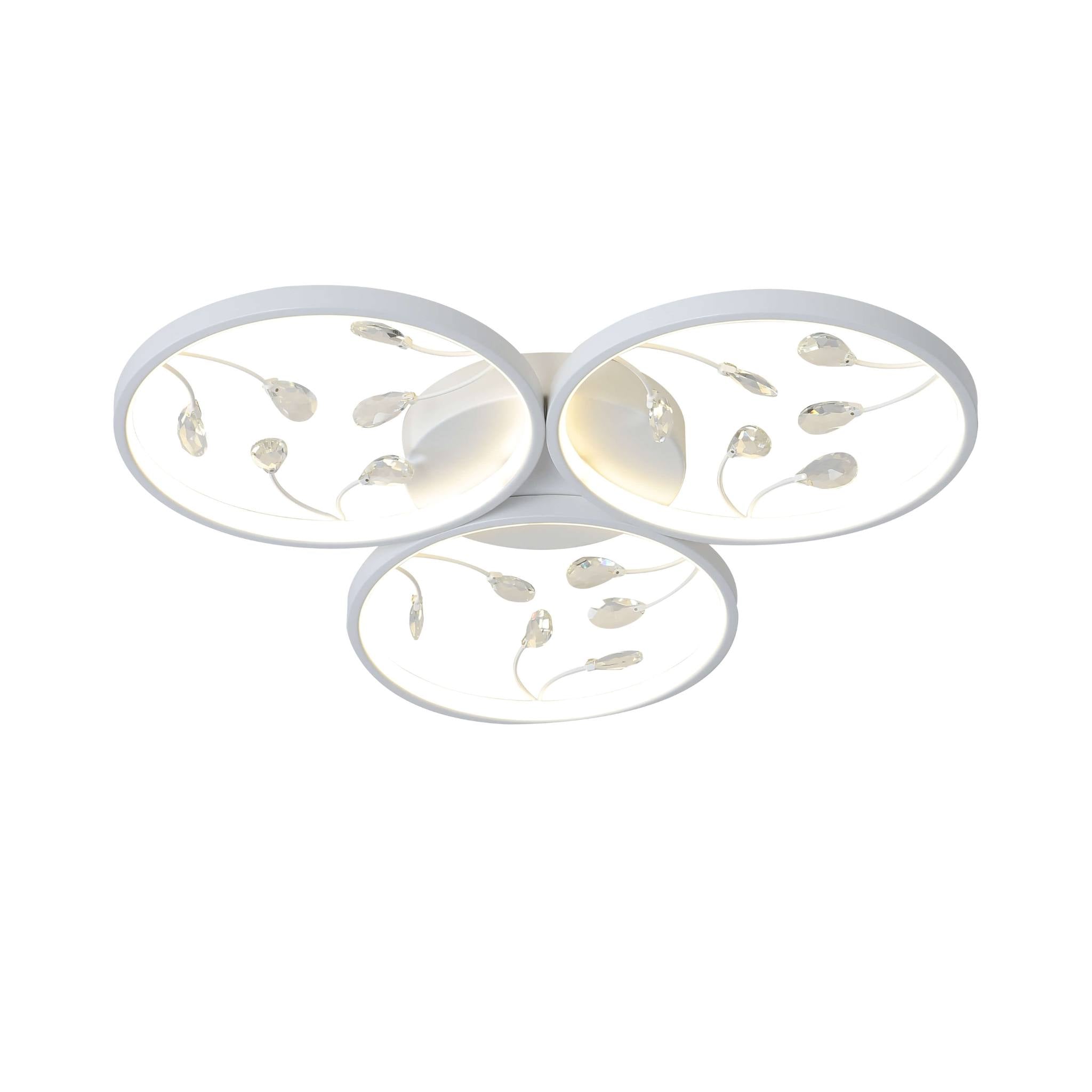
Because an LED ceiling light consumes far less electricity than traditional bulbs, it is perfect for spaces where lights are on for many hours a day – such as kitchens, hallways and living rooms. Some LED ceiling lights have integrated LEDs, while others use replaceable LED bulbs, giving you flexibility in both style and maintenance.
Ceiling lights for low and high ceilings
Ceiling height plays a big role in choosing the right ceiling light.
For low ceilings
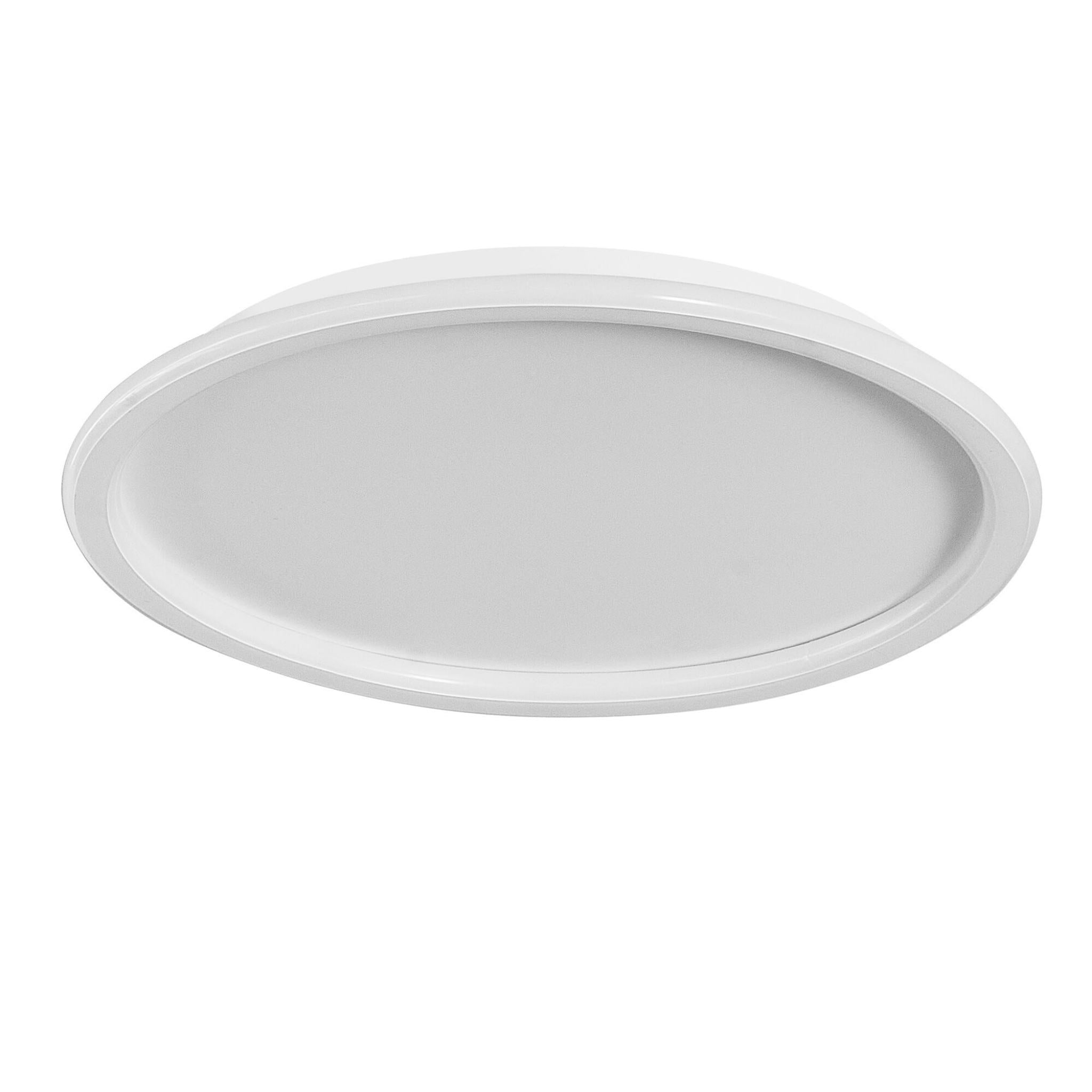
In rooms with lower ceilings, flat or low-profile ceiling lights and plafonds are often the most practical choice. They sit close to the ceiling so they don’t get in the way, and they help the room feel more open.
For high ceilings
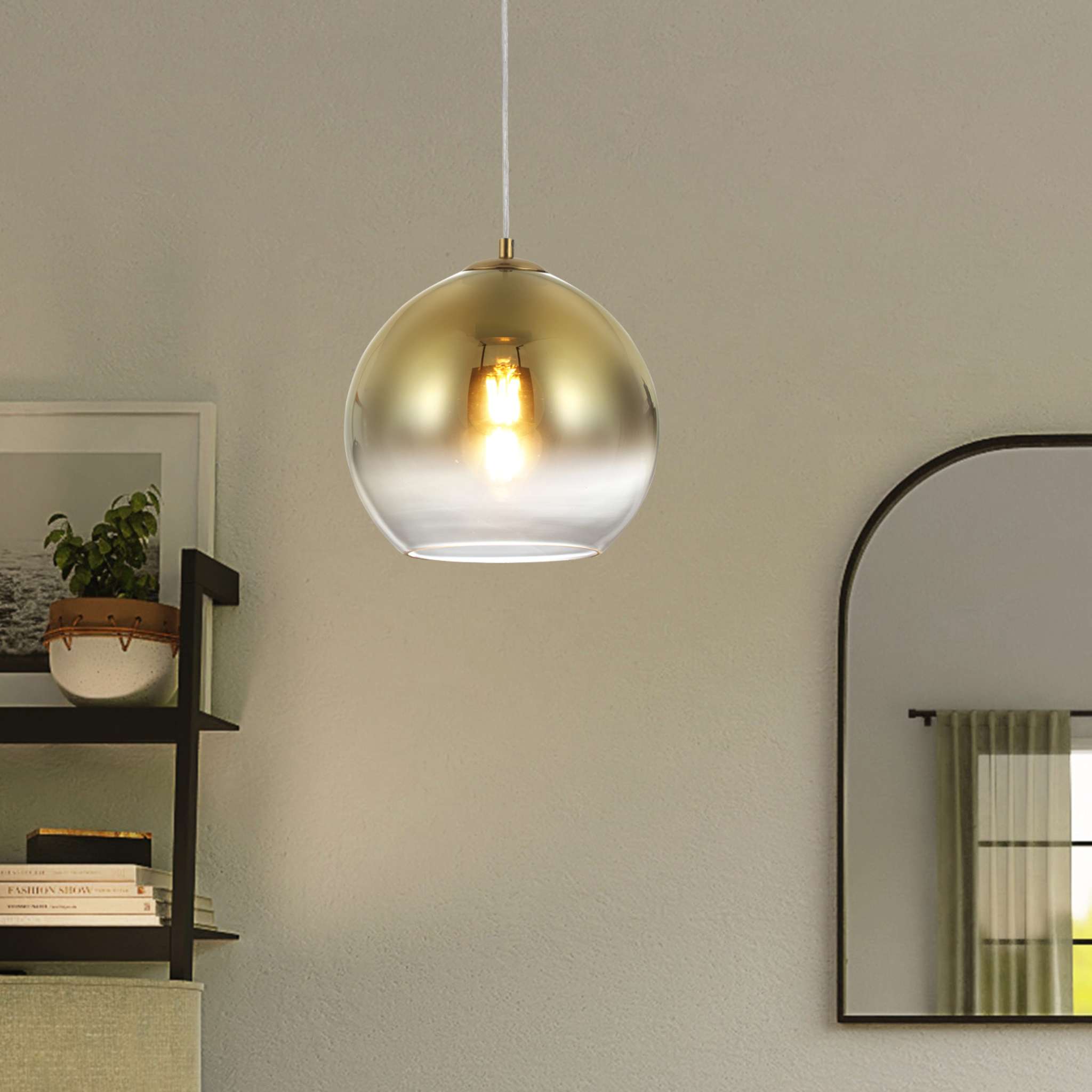
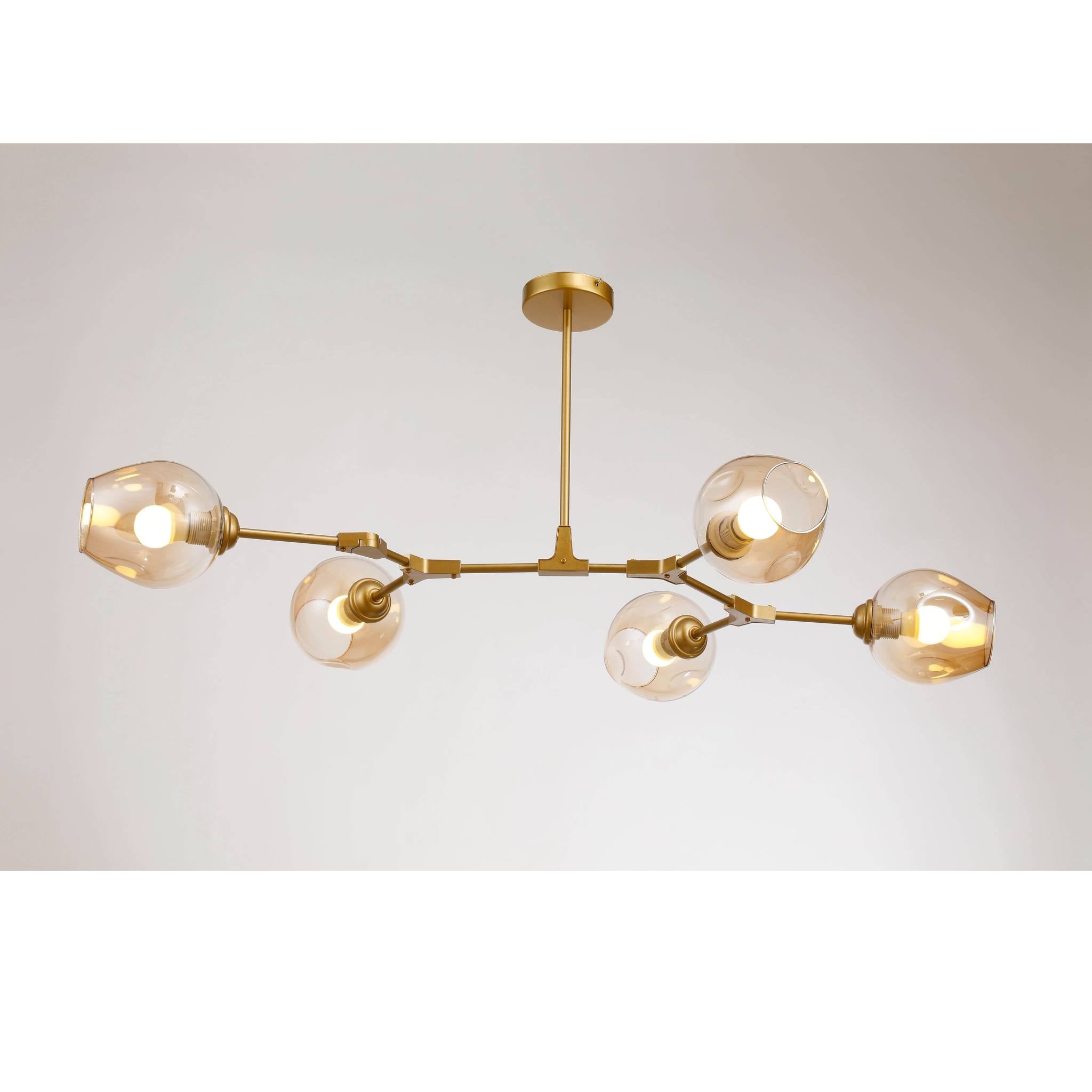
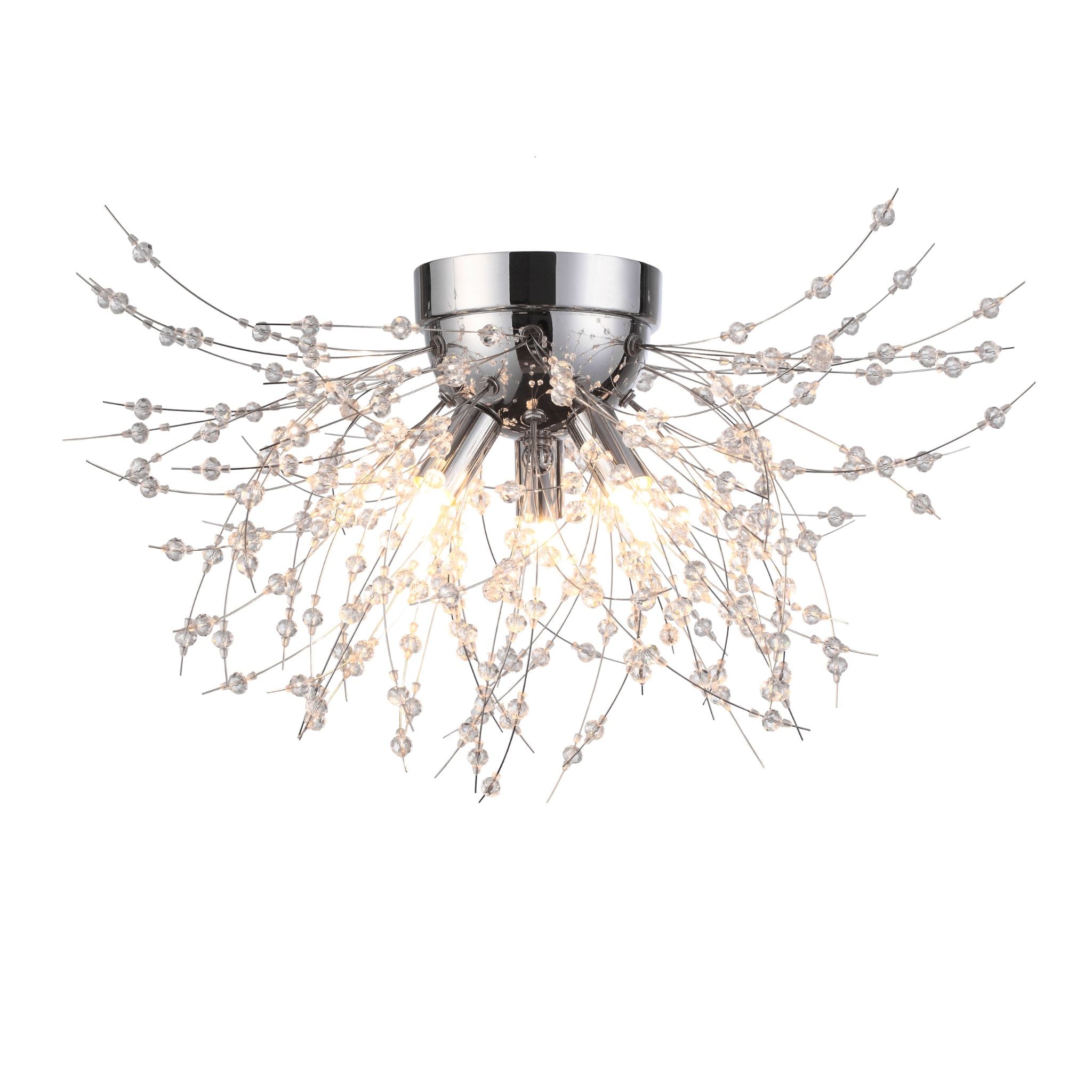
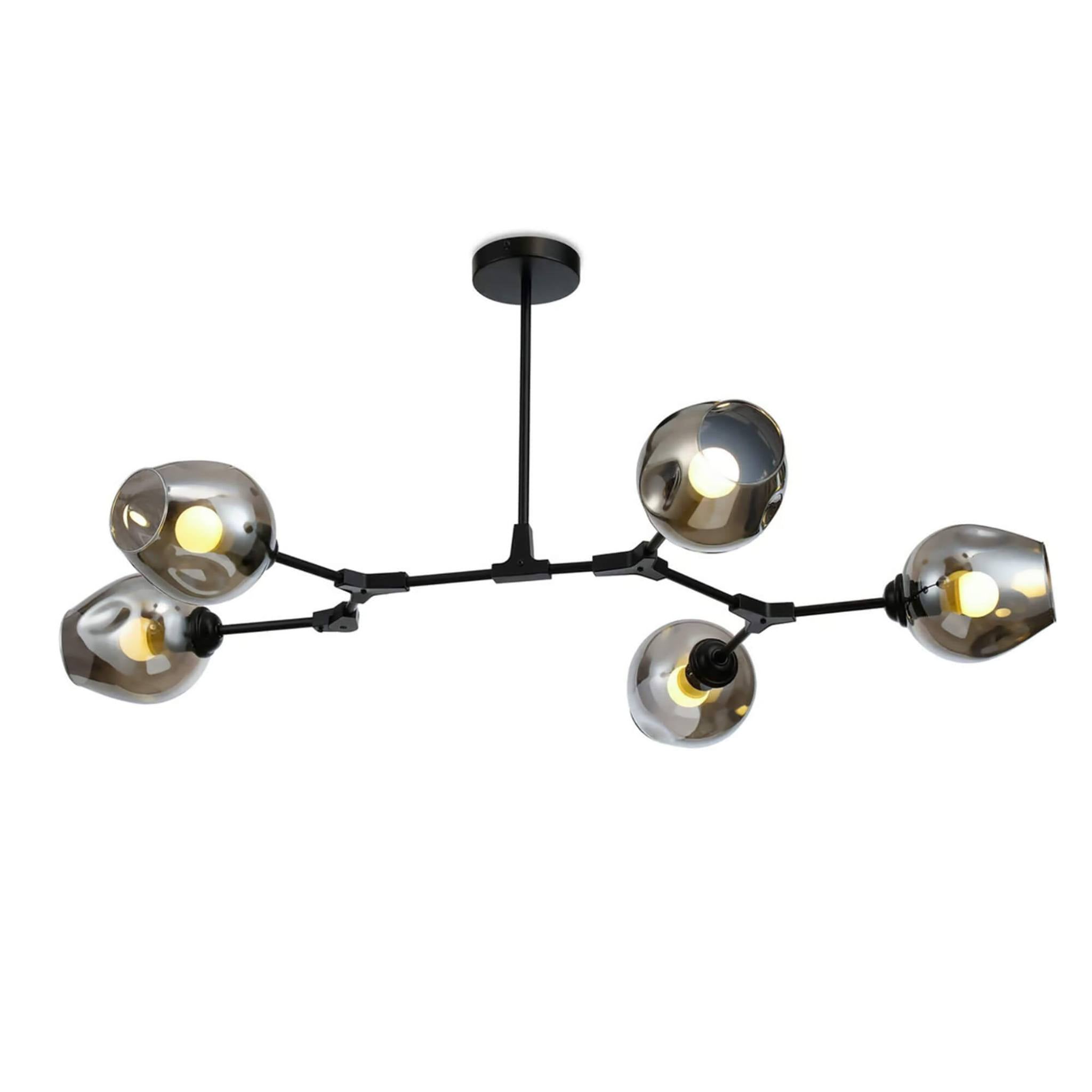
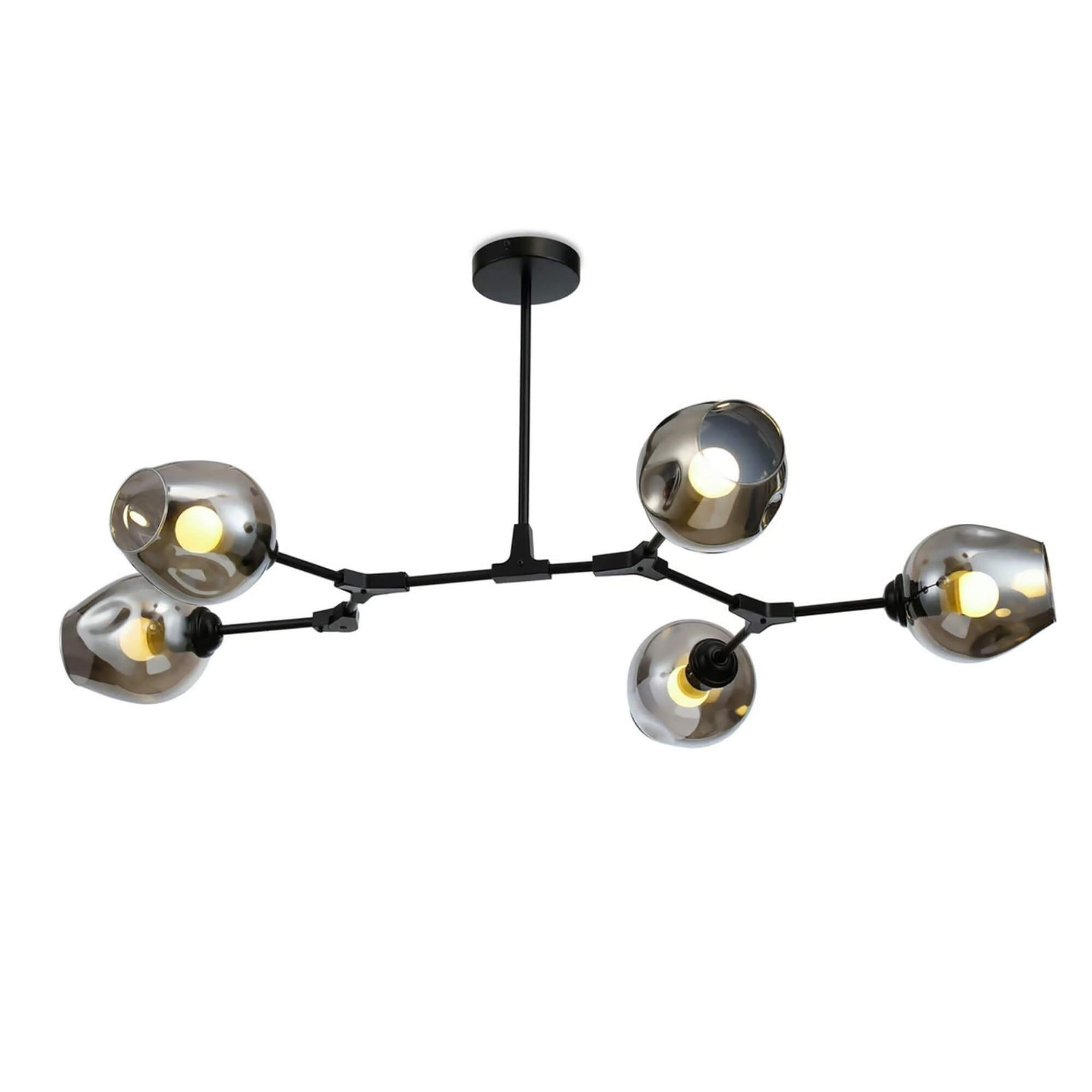
In rooms with high ceilings, like tall living rooms or stairwells, you can choose a more eye-catching ceiling light or even a semi-flush or pendant-style design that hangs a little lower. This emphasises the height of the room and adds character to the interior.
Style – modern, Scandinavian or classic ceiling lights?
Ceiling lights have a big impact on the overall look of a room, so appearance is just as important as technical features.
Modern ceiling lights
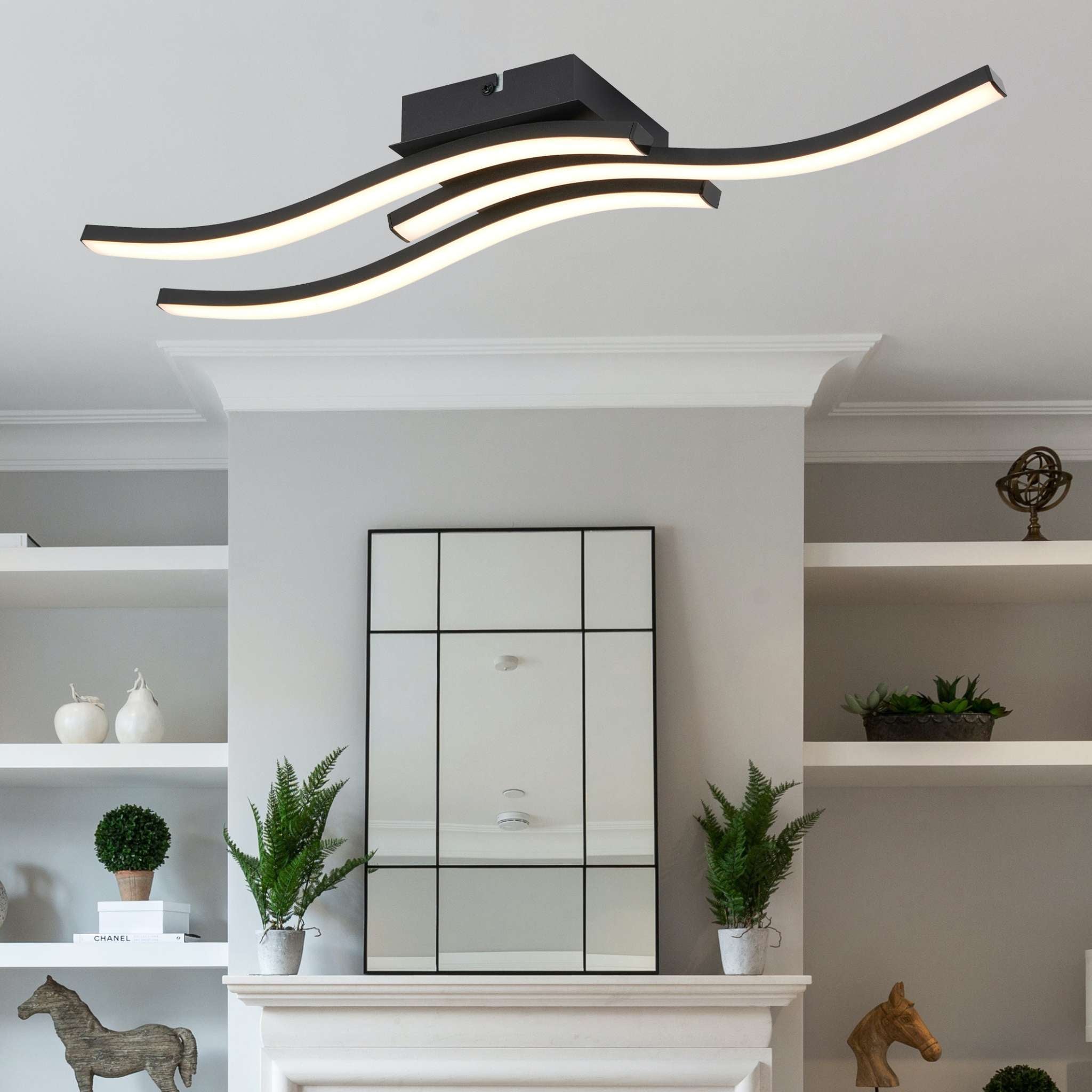
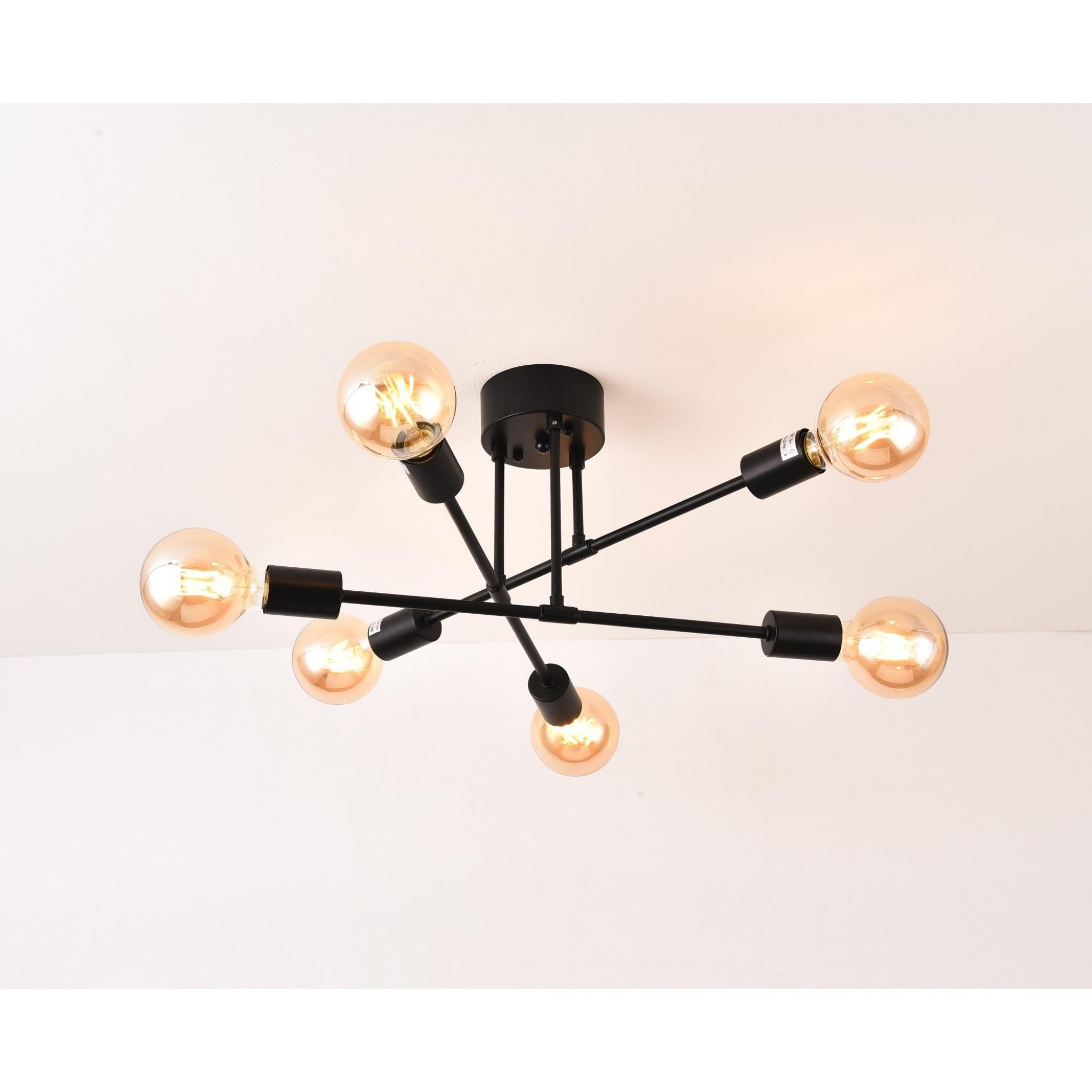
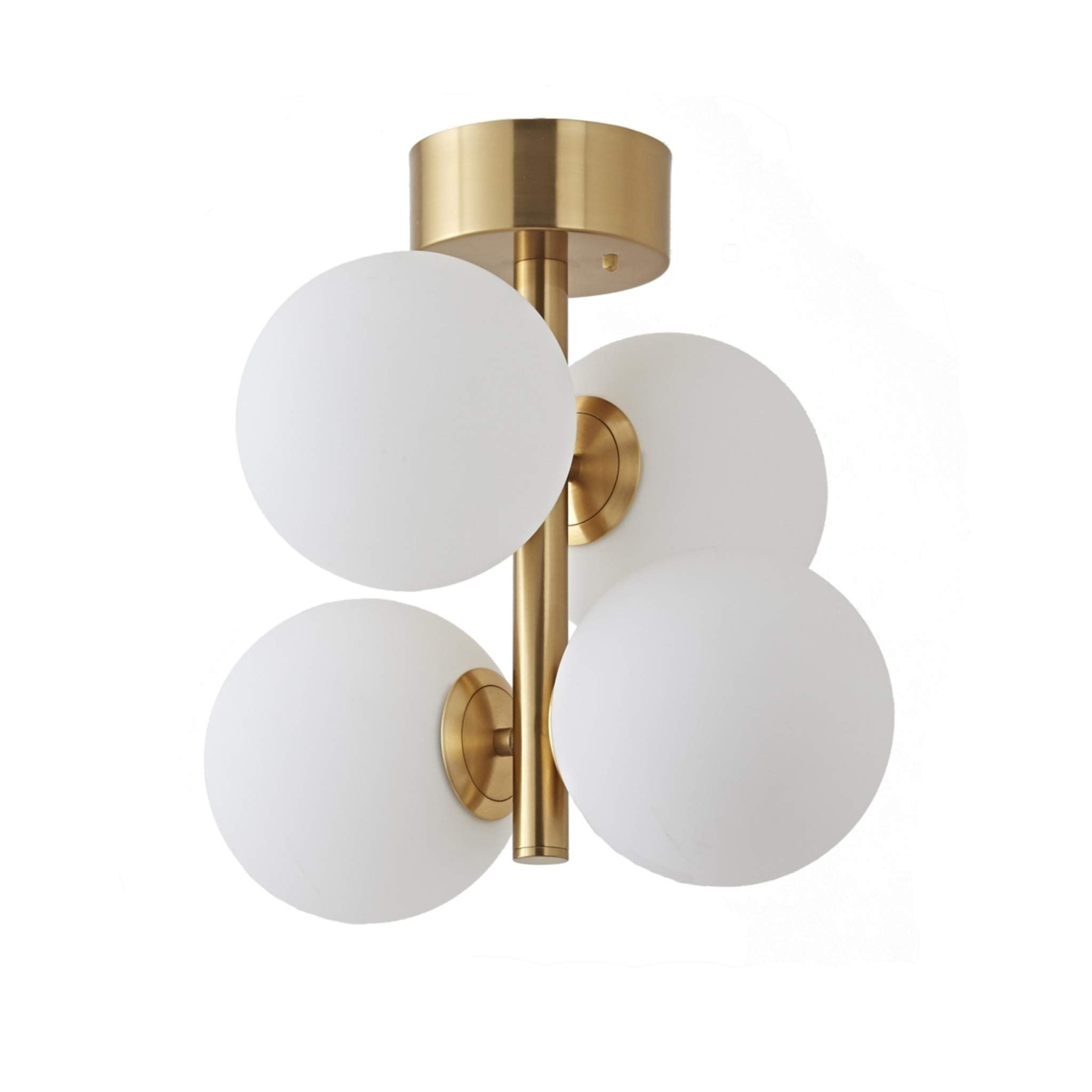
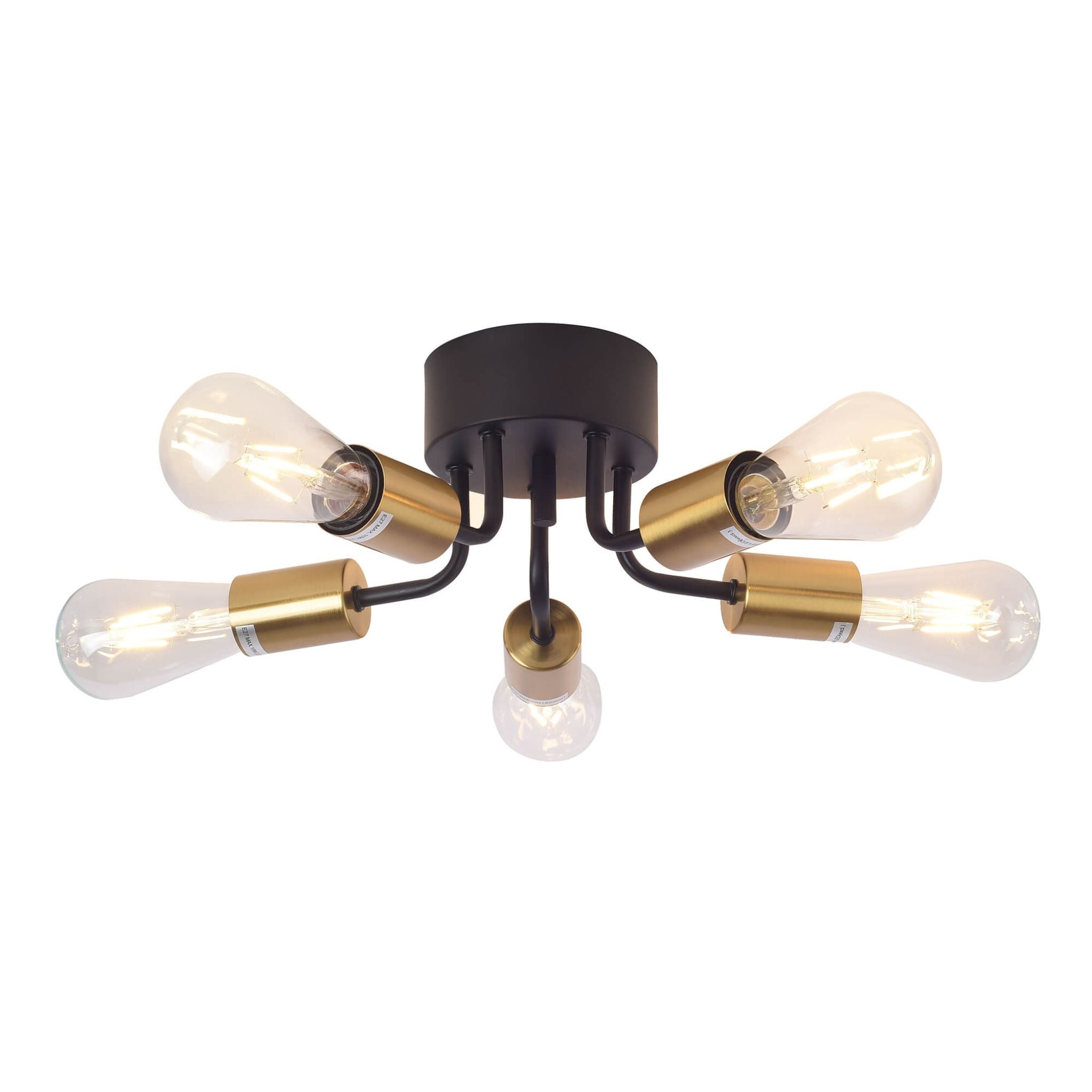
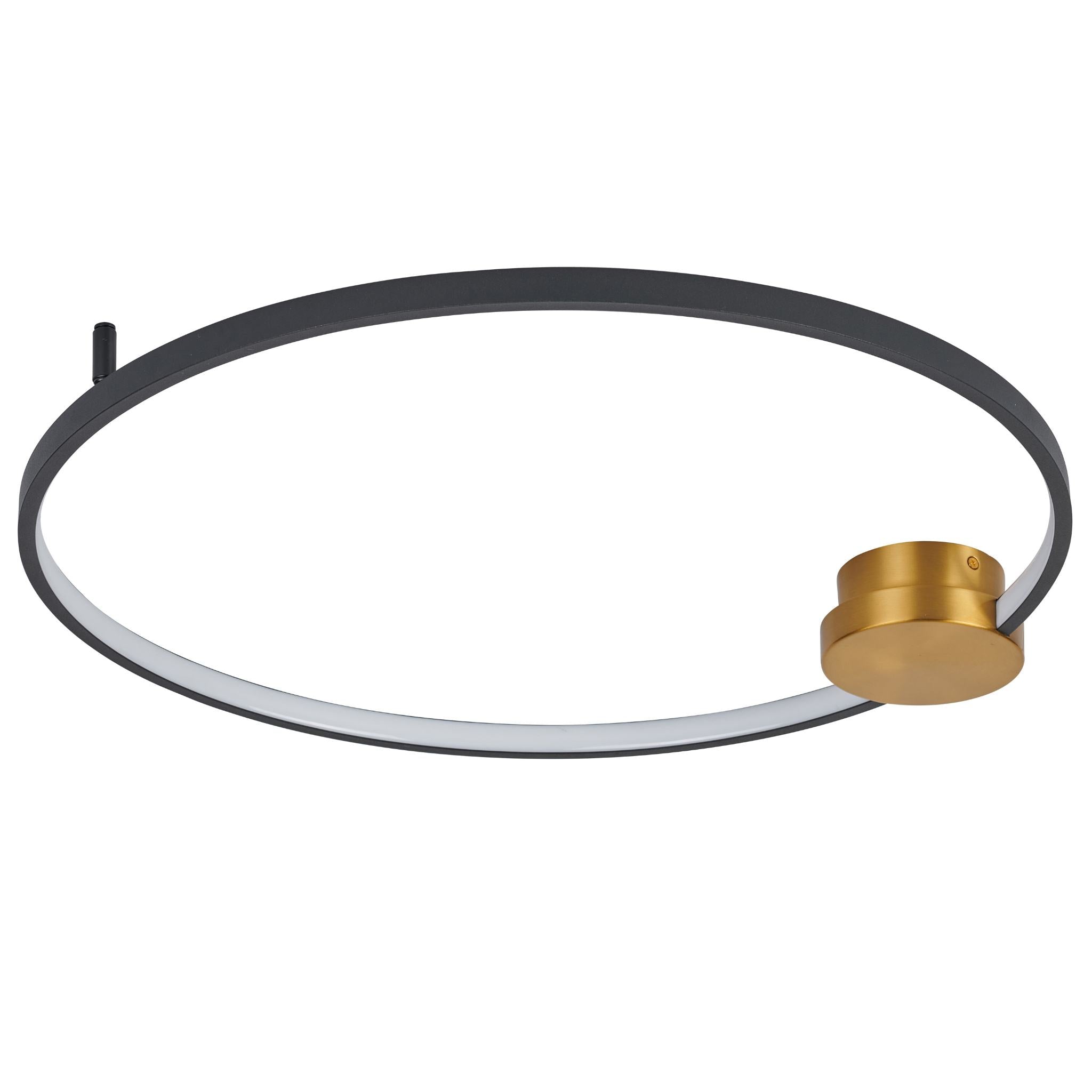
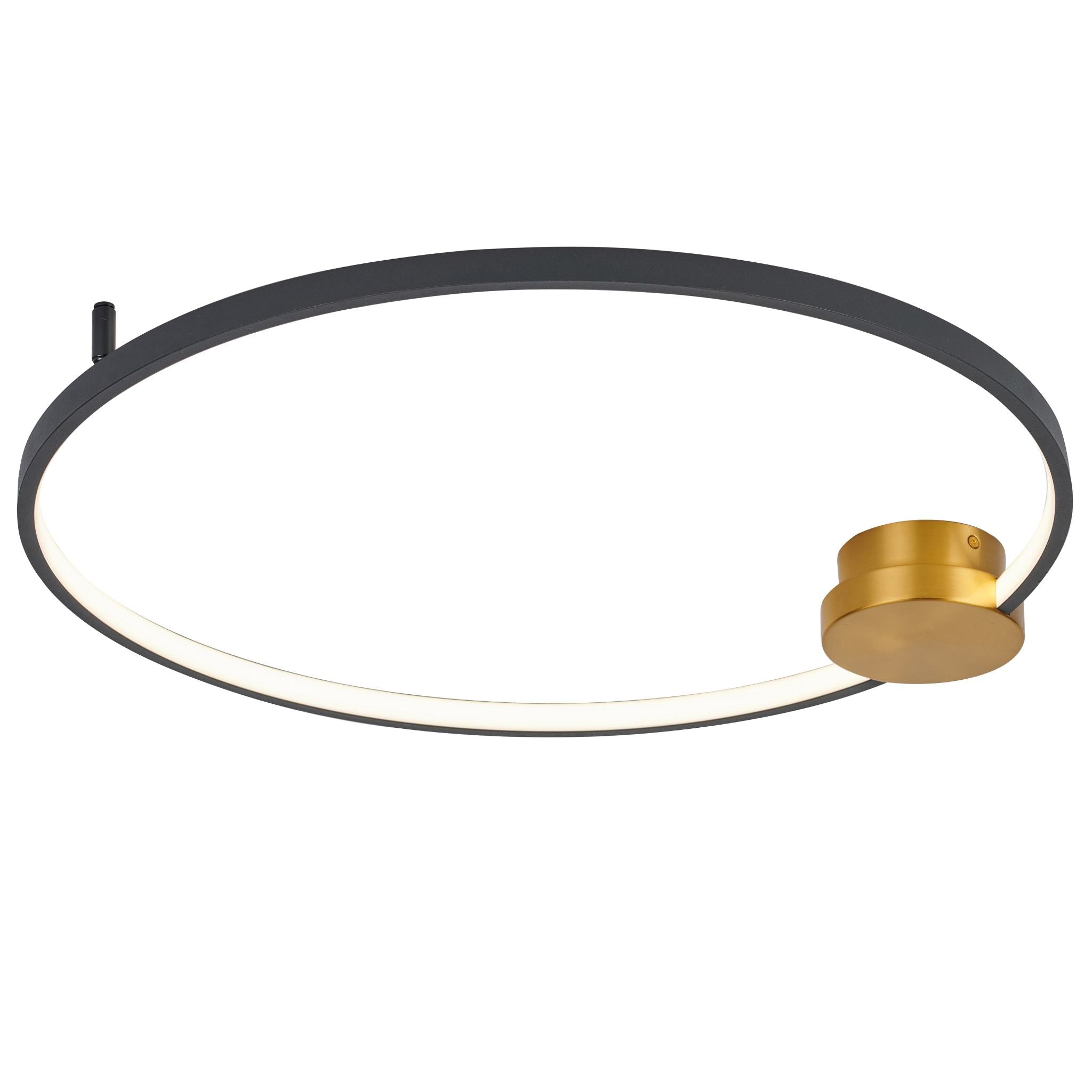
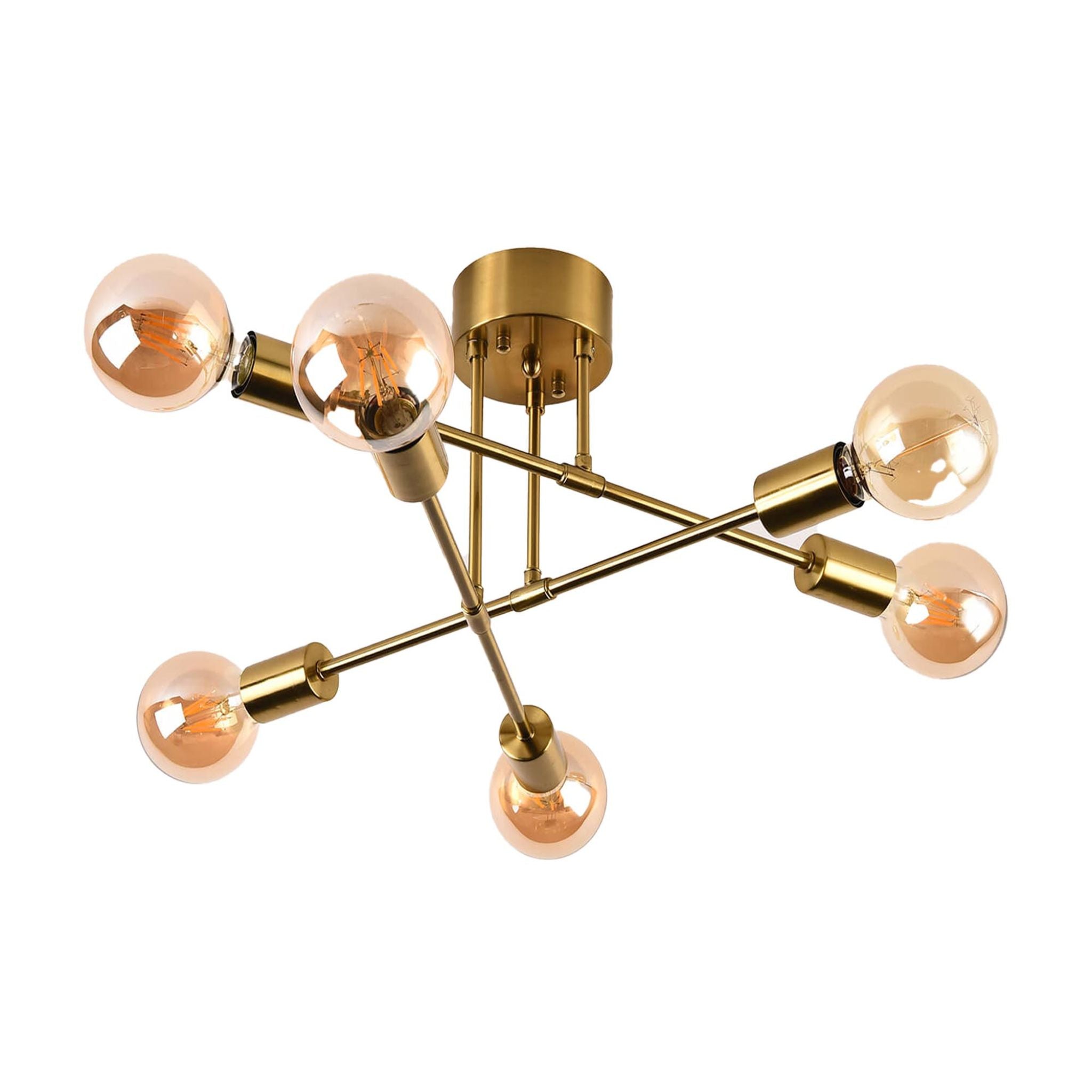
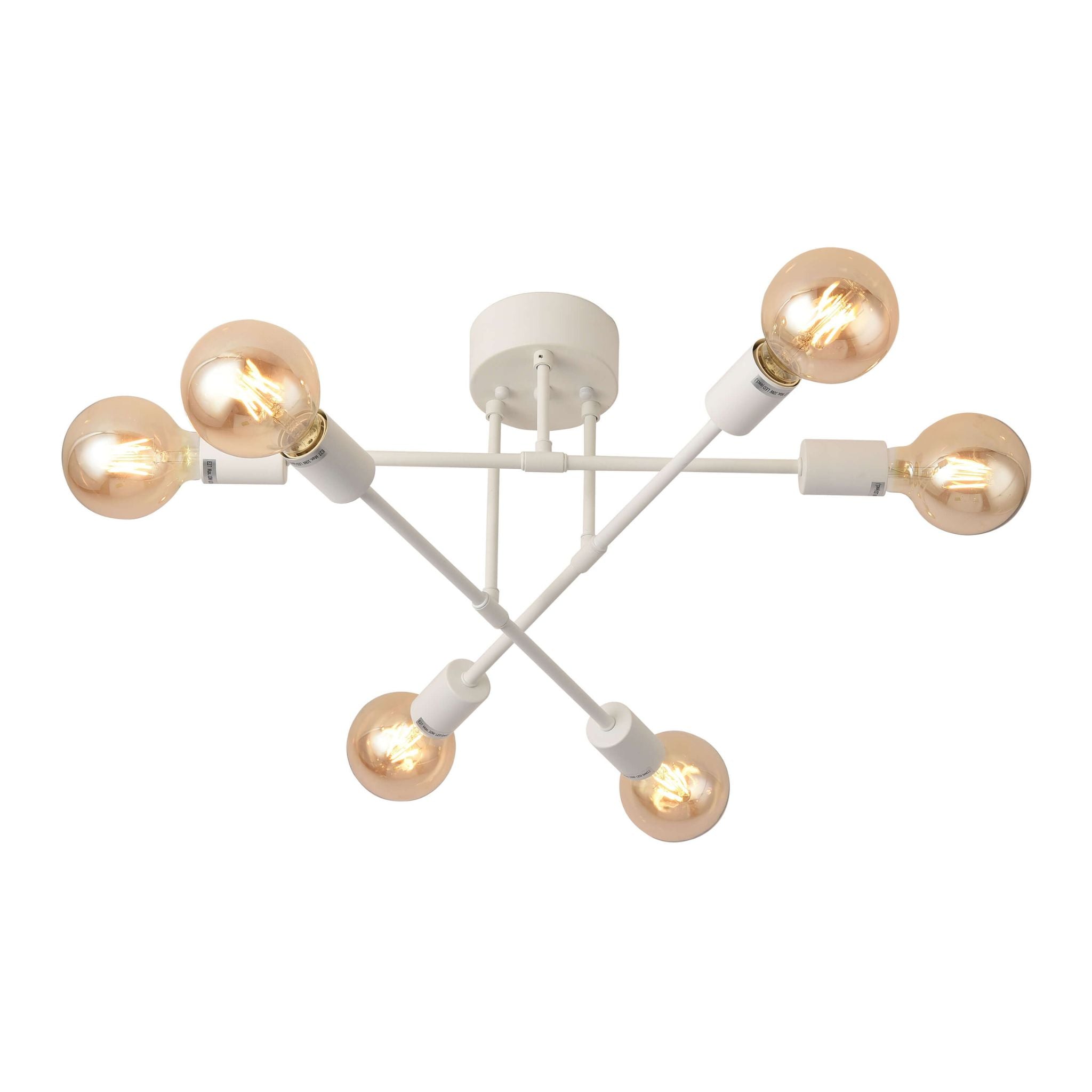
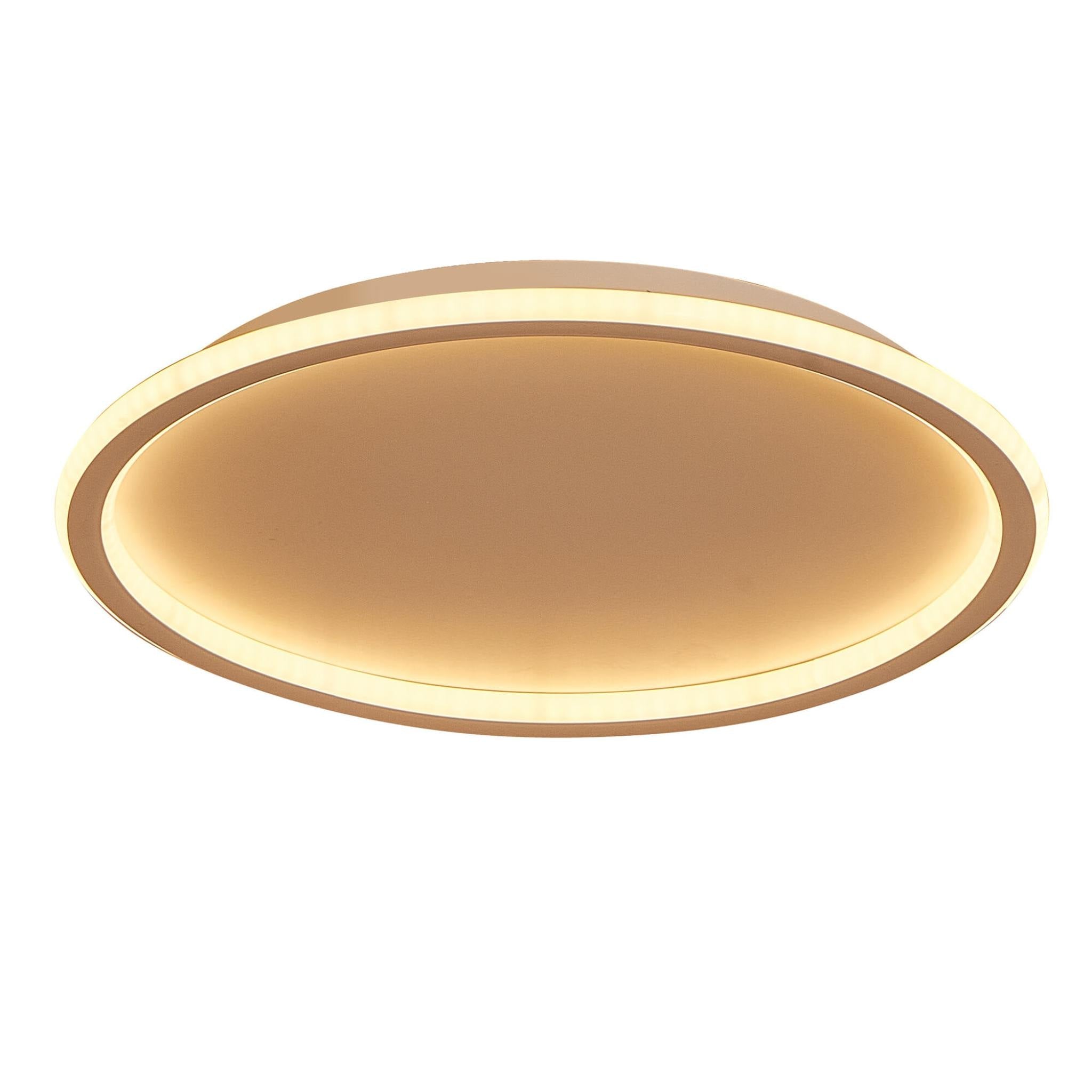
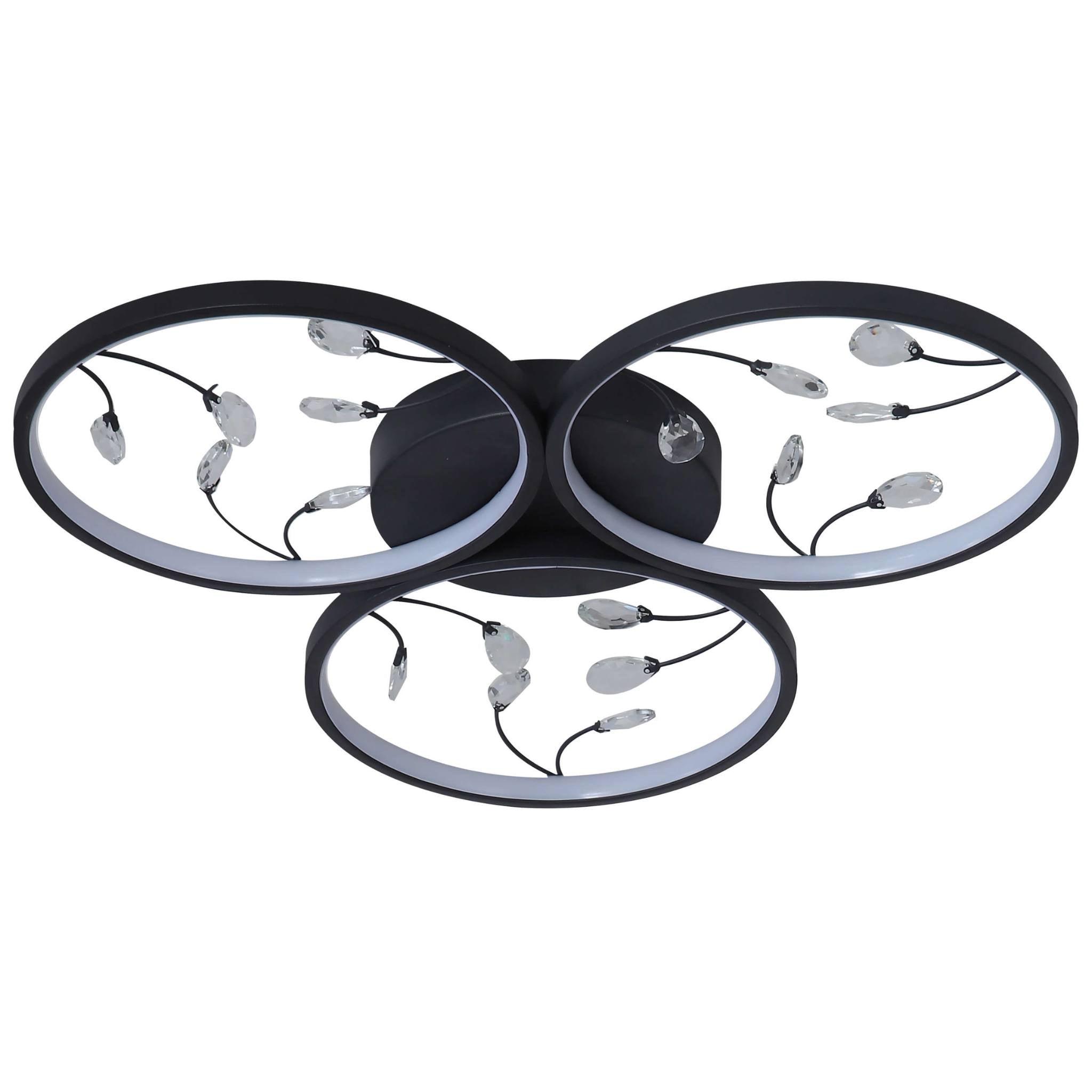
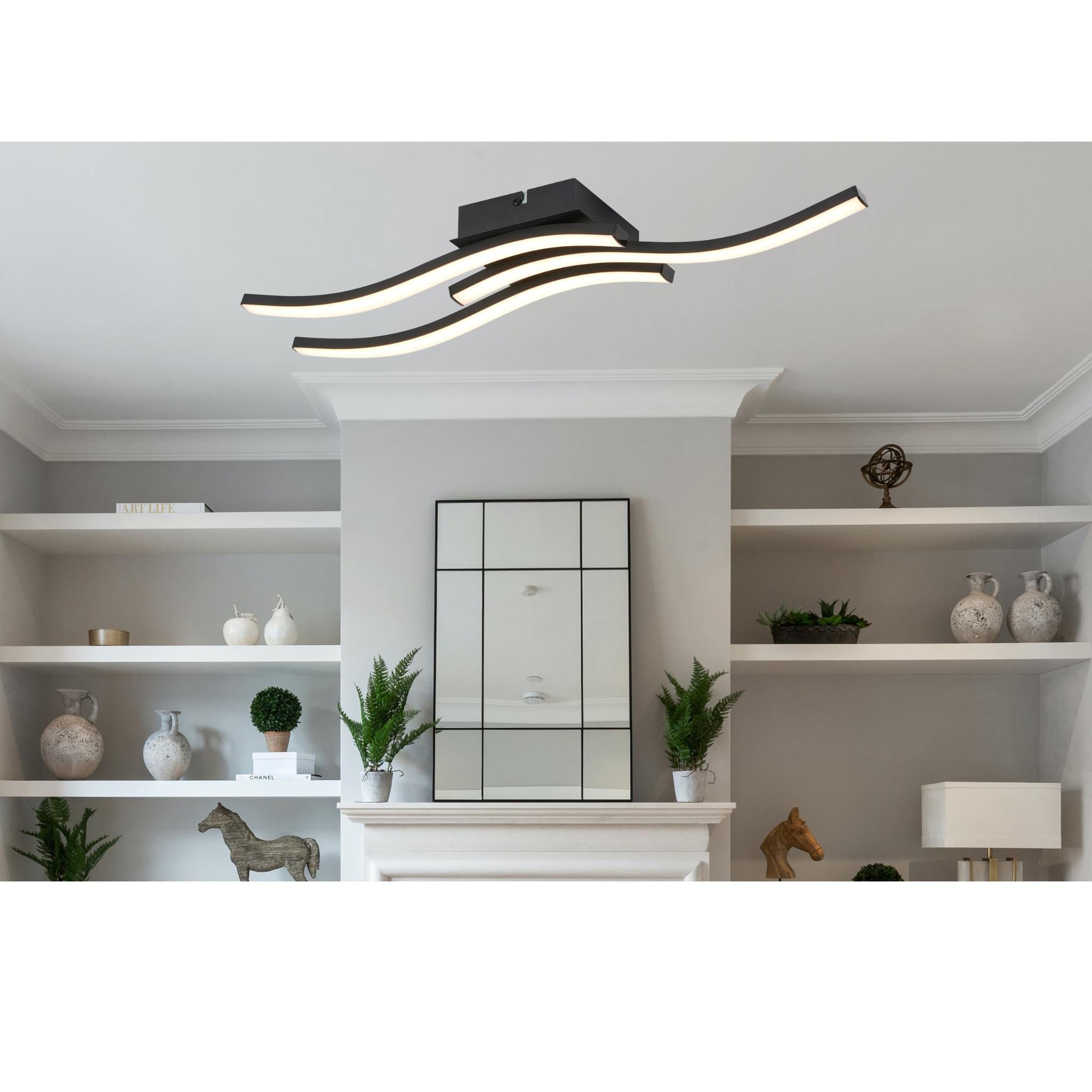
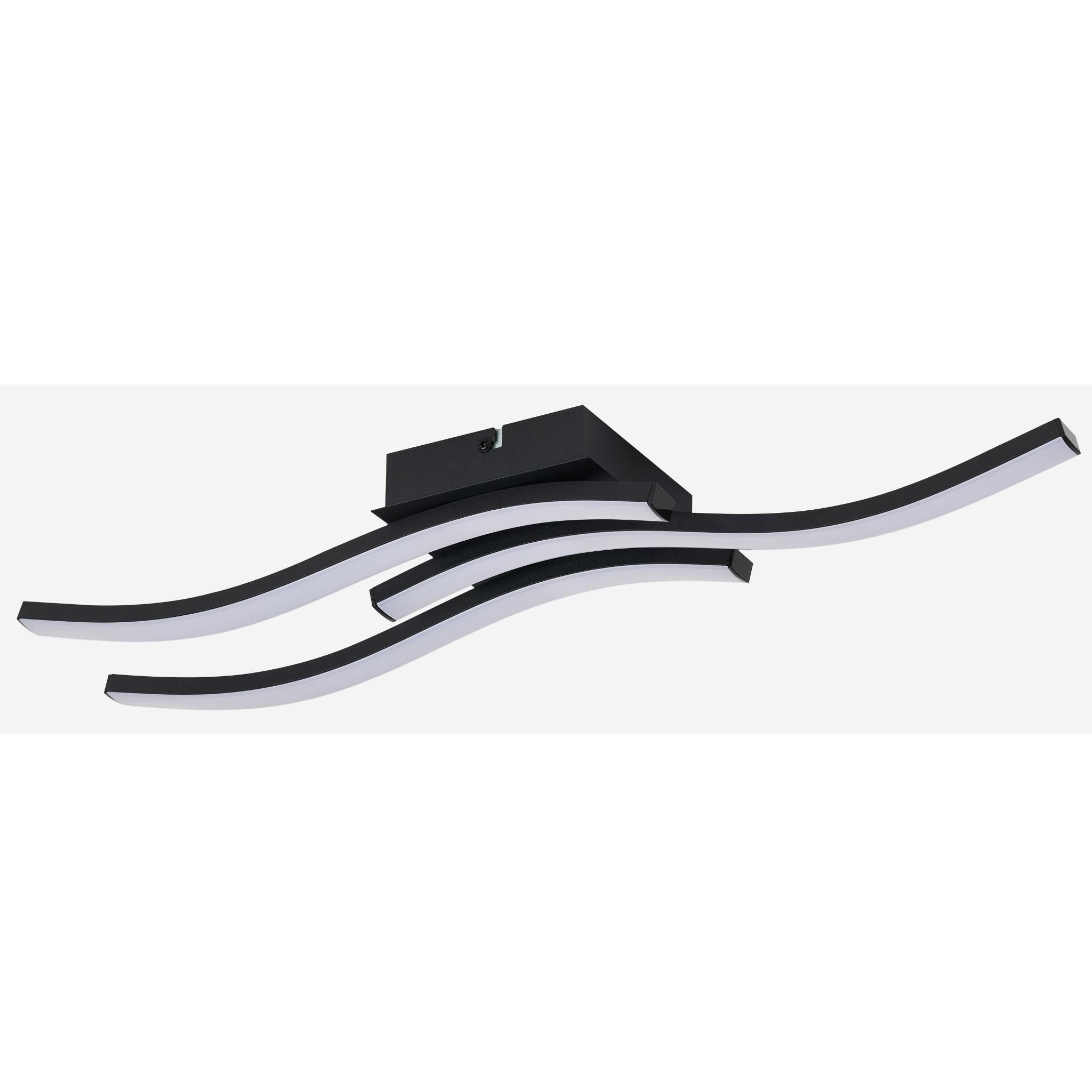
Clean lines, slim shapes, black or white metal and opal glass make modern ceiling lights a great match for contemporary and minimalist interiors. Many modern ceiling lights also include integrated LEDs.
Scandinavian ceiling lights
Light colours, simple forms and natural materials define Scandinavian design. Scandinavian ceiling lights are easy to combine with a wide range of textiles, colours and furniture.
Classic ceiling lights
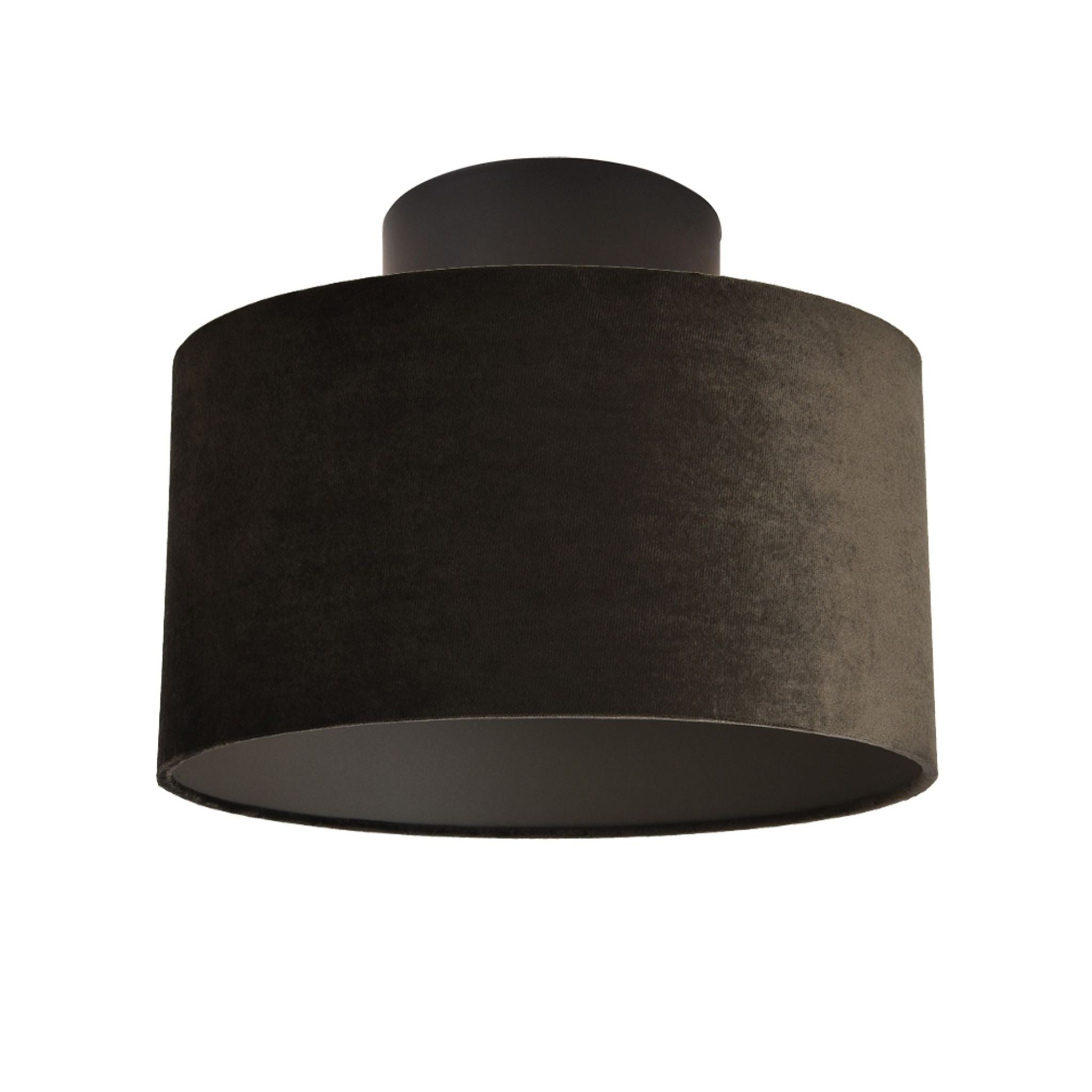
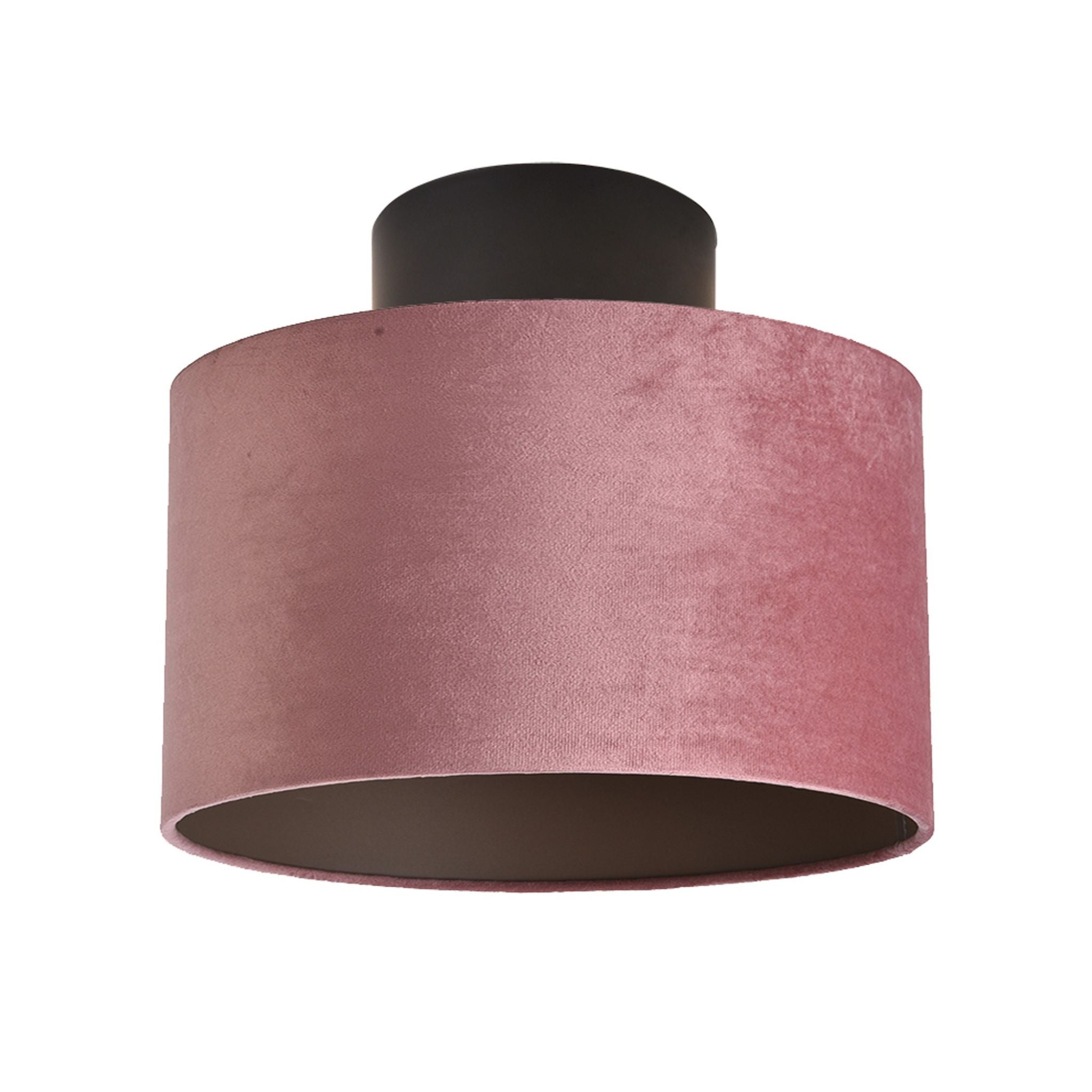
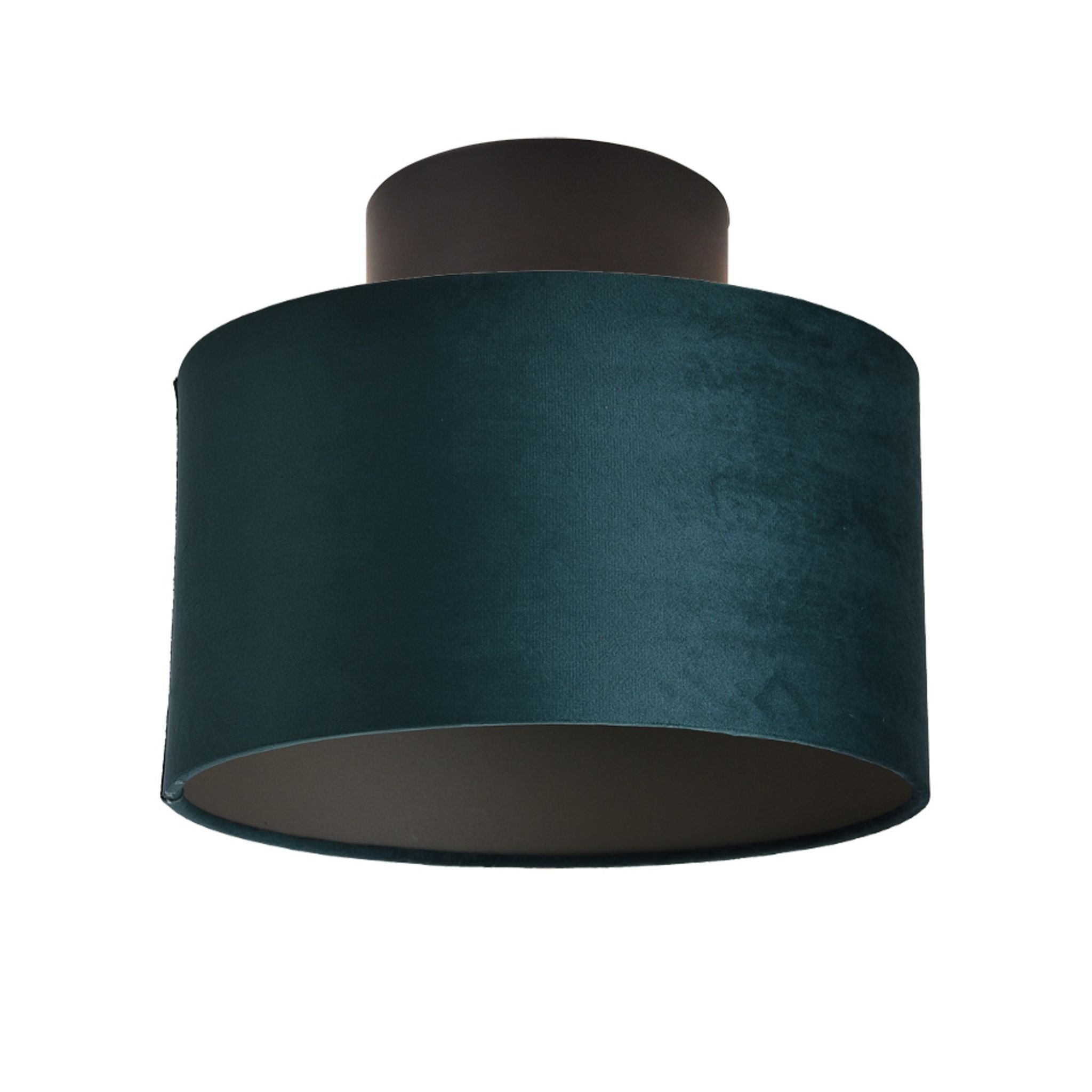
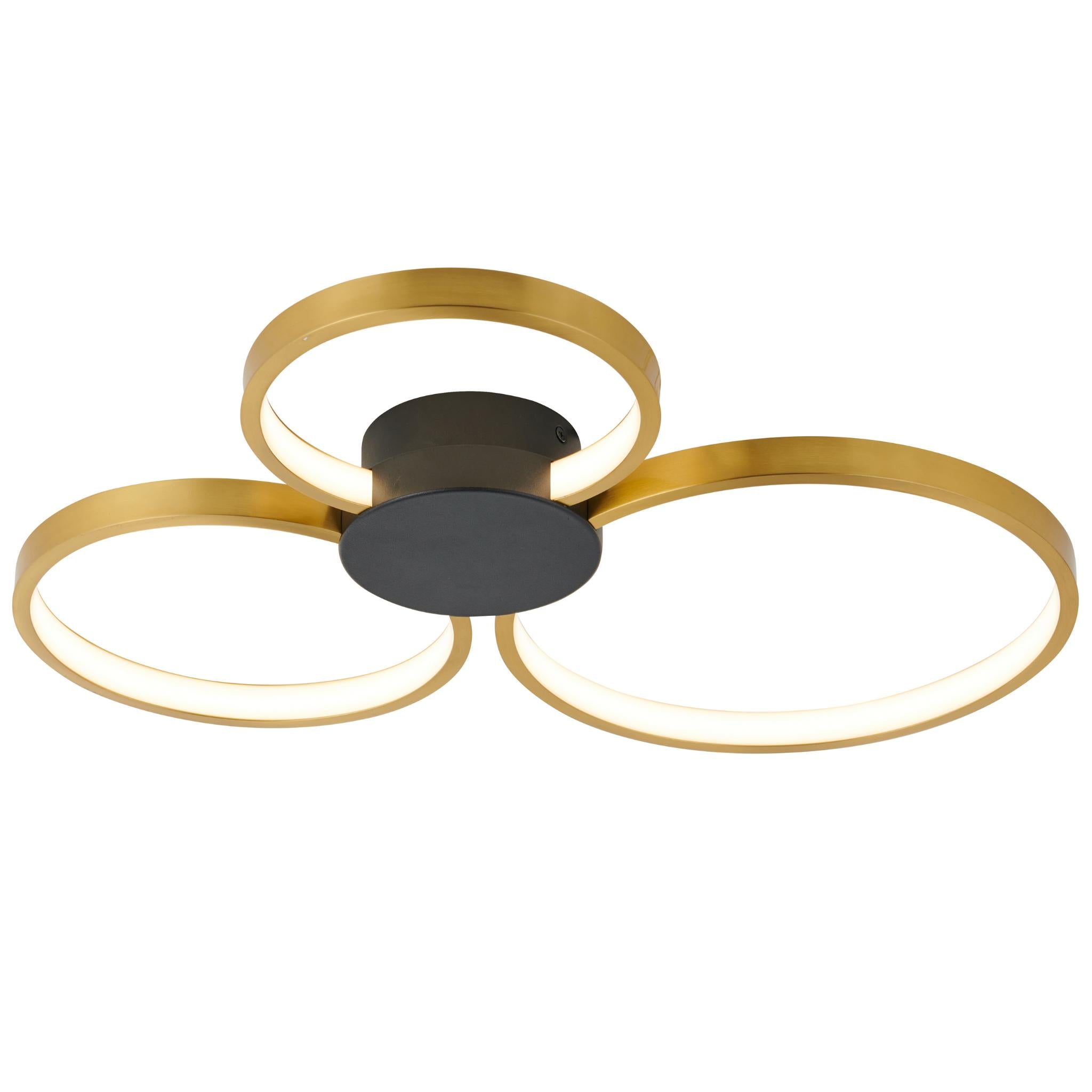
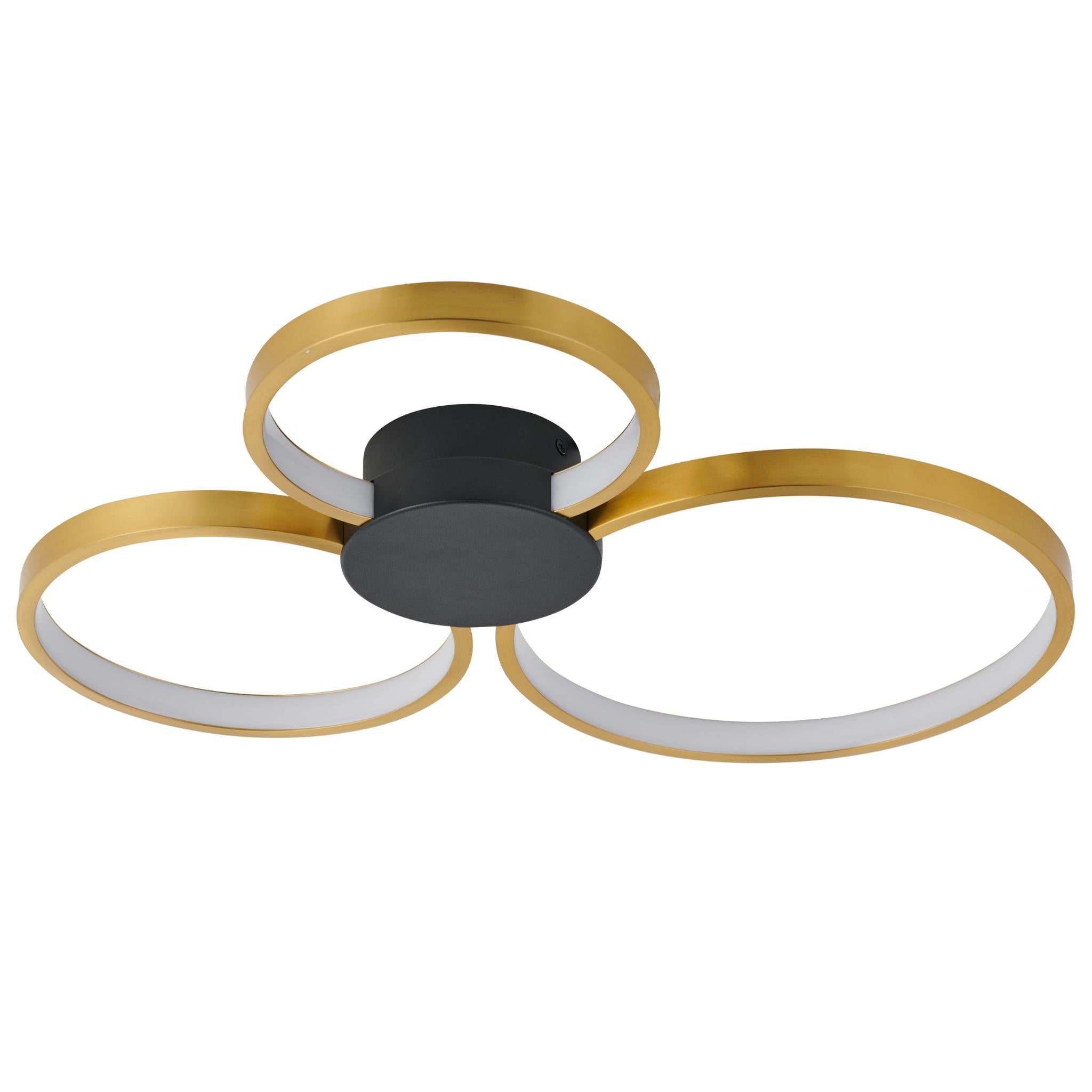
More traditional shapes, fabric shades and brass or chrome details suit timeless, elegant interiors. A classic ceiling light can bring a warm, homely feel to living rooms and bedrooms.
In our collection you’ll find ceiling lights for every style of home – from bold statement pieces to discreet designs that blend seamlessly into the room.
Frequently asked questions about ceiling lights
How bright should a ceiling light be for a living room?
As a general guideline, a living room of around 15–20 m² often needs a total light output of roughly 800–1500 lumens from the ceiling light, depending on how many additional light sources you have. If you also use floor lamps and table lamps, the ceiling light doesn’t need to be quite as bright.
What kind of ceiling light is best for a low ceiling?
For low ceilings, a flat or low-profile ceiling light or a flush-mount design is usually best. These ceiling lights sit close to the surface, so they don’t hang down into the room or interfere with movement. Avoid long, hanging models in very low spaces.
Can I replace the bulbs in a ceiling light with LEDs?
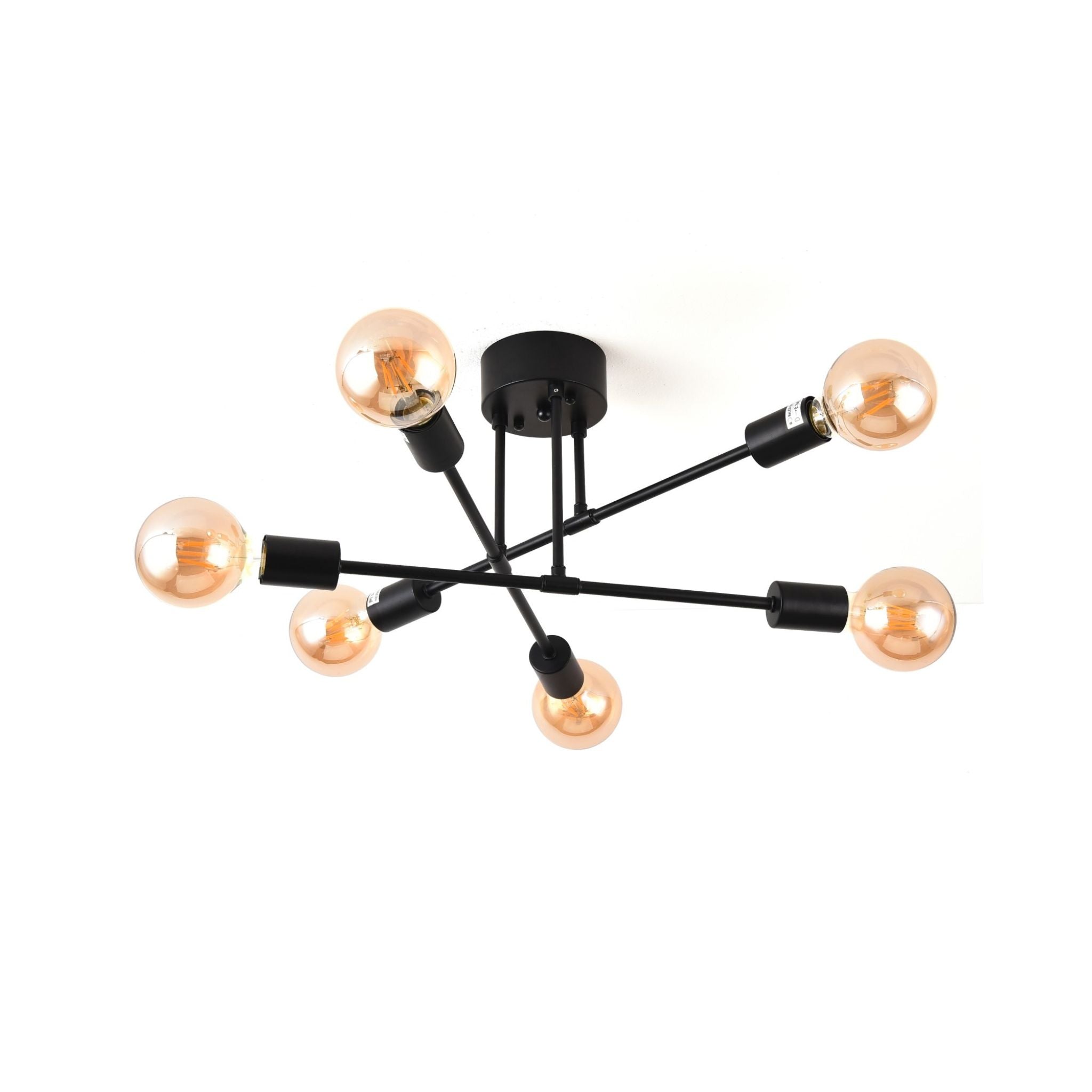
In many traditional ceiling lights you can simply replace old bulbs with LED bulbs, as long as the base type (such as E27 or E14) matches. This makes your existing ceiling light more energy-efficient and longer-lasting. If the ceiling light has integrated LEDs, the light source is built in and the whole fixture is replaced at the end of its lifespan.
Do I need a dimmable ceiling light?
You don’t have to choose a dimmable ceiling light, but it adds a lot of comfort and flexibility. In living rooms, bedrooms and dining areas, being able to adjust the brightness is often a big advantage. Just make sure both the LED ceiling light and the dimmer switch are compatible.
How high should a ceiling light be installed?
A ceiling light should be installed high enough that people can walk under it comfortably and it doesn’t shine directly into the eyes. In dining areas, a pendant-style ceiling light above the table is usually positioned so that the bottom of the light is about 60–80 cm above the tabletop. In other rooms, consider ceiling height, traffic routes and seating positions to avoid glare.