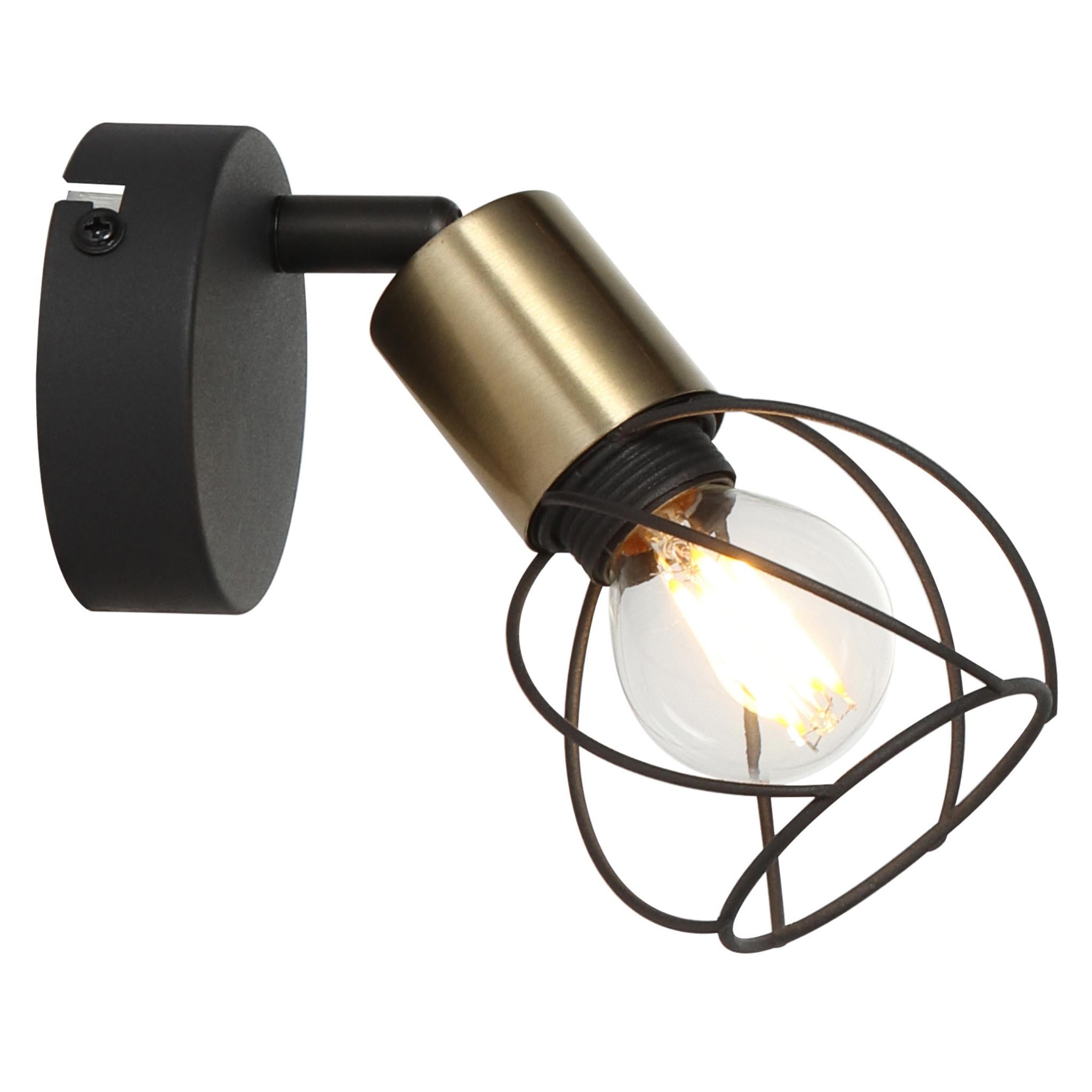
Where do spotlights work best?
Spotlights are extremely versatile and can be used in almost any room when the right model and beam direction are chosen.
Kitchen spotlights
In the kitchen, spotlights are ideal as task lighting. Ceiling spotlights or track lights help illuminate worktops, the kitchen island and dining area without glare, so cooking and food prep are safer and more comfortable.
Living room spotlights
In the living room, spotlights can highlight artwork, a TV wall, bookshelves or architectural details. Directional spotlights add depth to the space and let you change the mood for reading, relaxing or entertaining.
Hallway and entrance spotlights
In hallways and entrances, spotlights direct light exactly where it’s needed – towards wardrobes, mirrors, shoe racks or key areas. They are also a space-saving option in narrow or low rooms.
Staircase and landing spotlights
Spotlights in staircases improve safety and emphasise the structure of the stairs. The beam can be directed onto the steps or along the wall to create an eye-catching, practical lighting effect.
Home office and workspace
In home offices, adjustable spotlights provide clear, focused light on the desk or work surface, helping to reduce eye strain and keep you alert.
Ceiling spotlights, wall spotlights or track lighting?
There are several types of spotlights, each suited to slightly different needs.
Ceiling spotlights
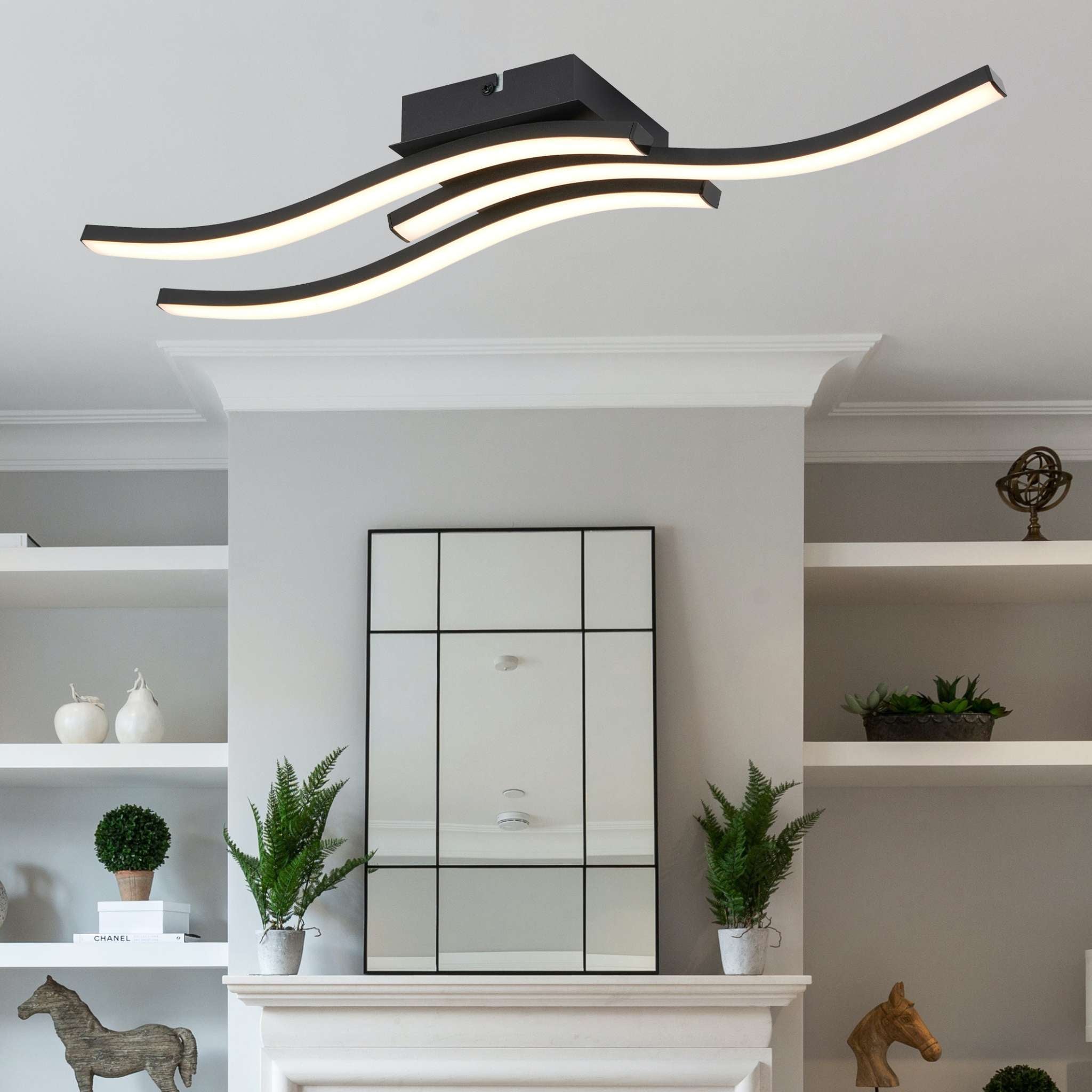
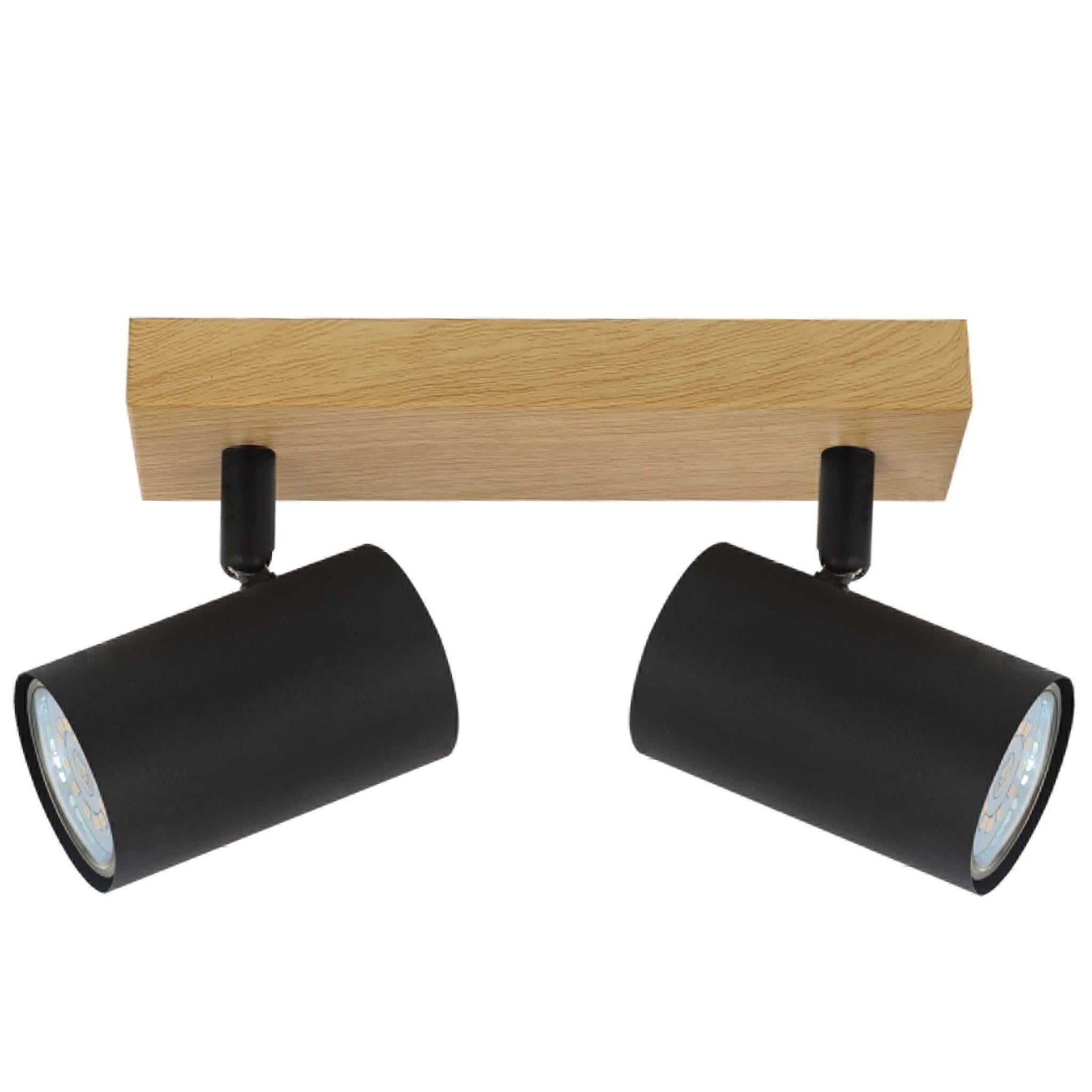
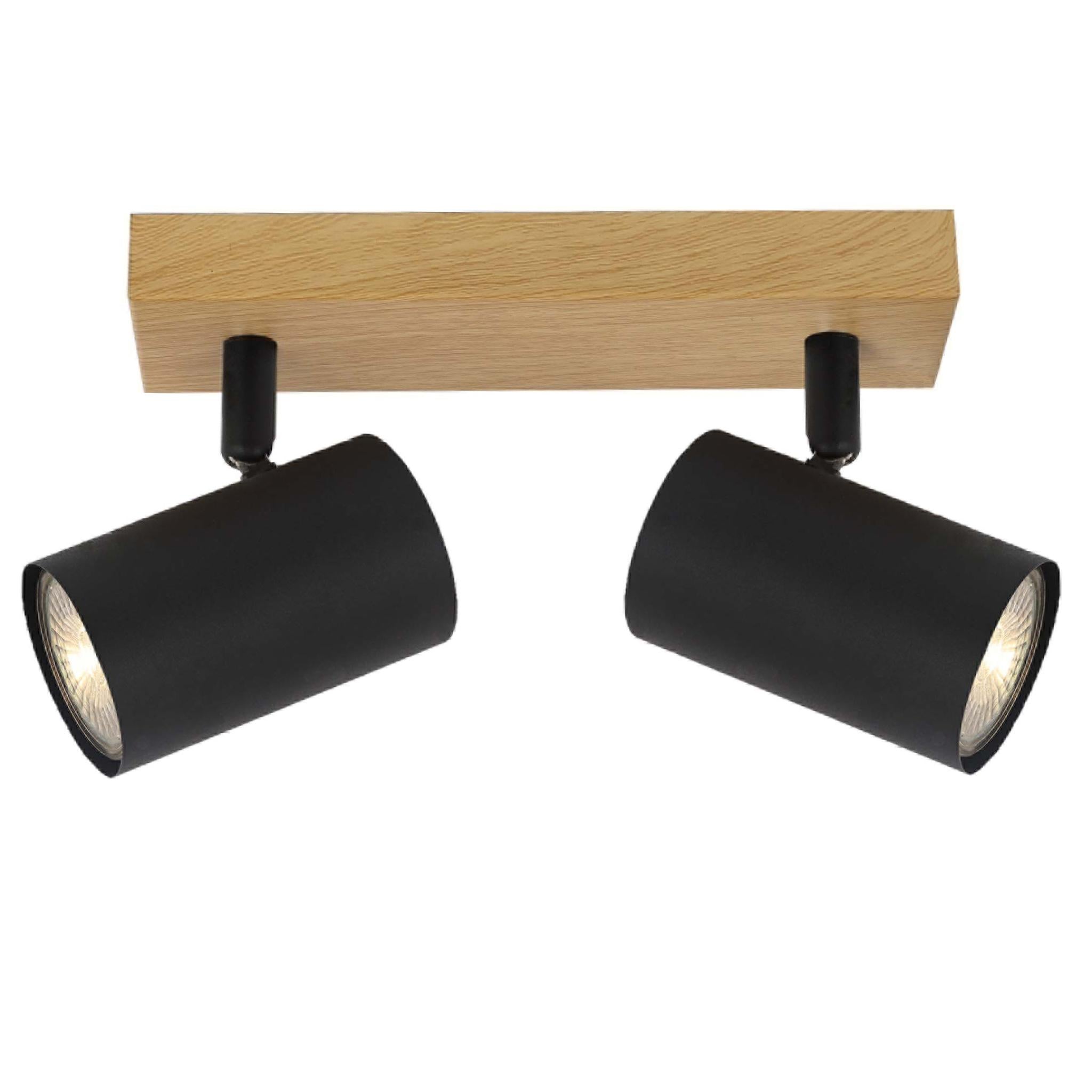
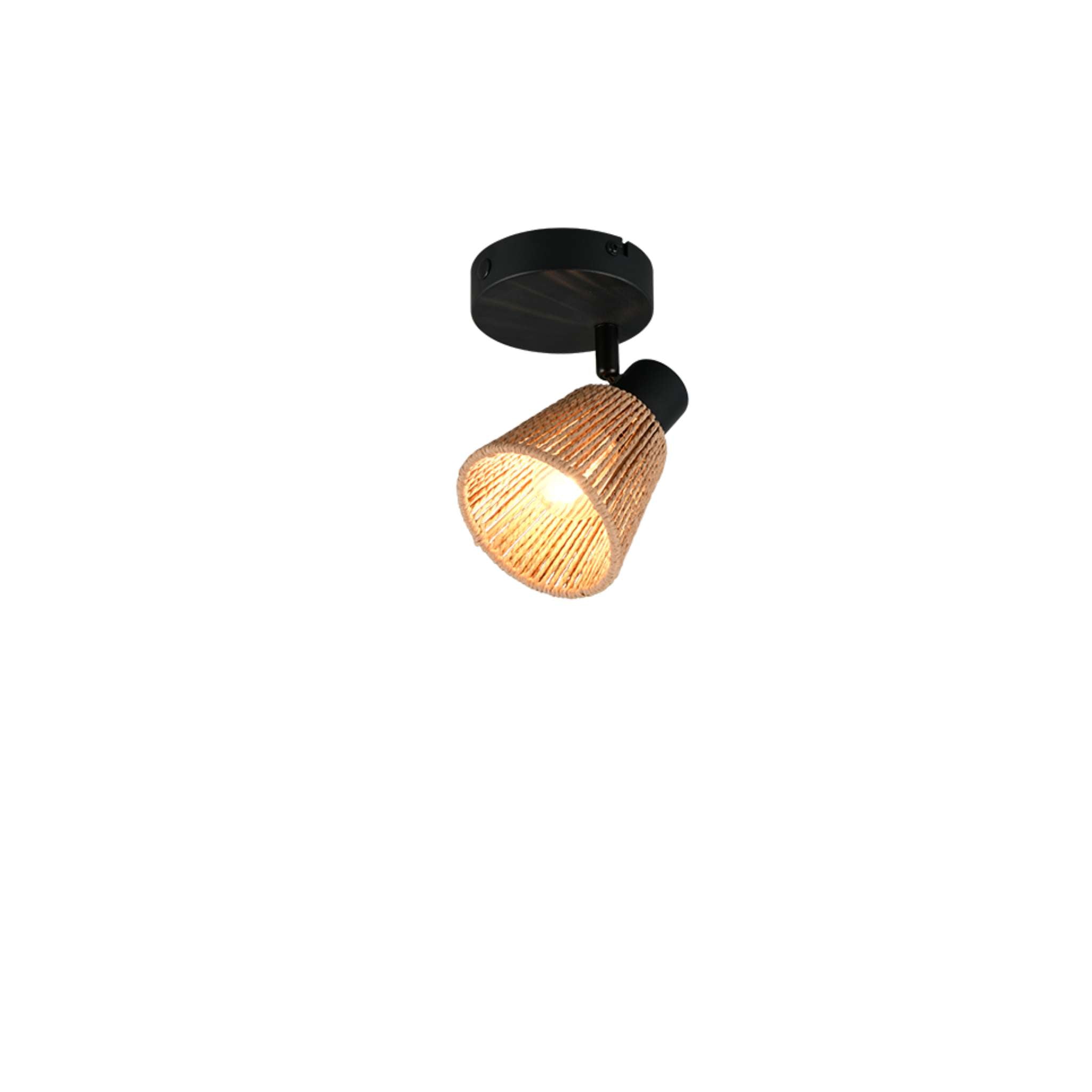
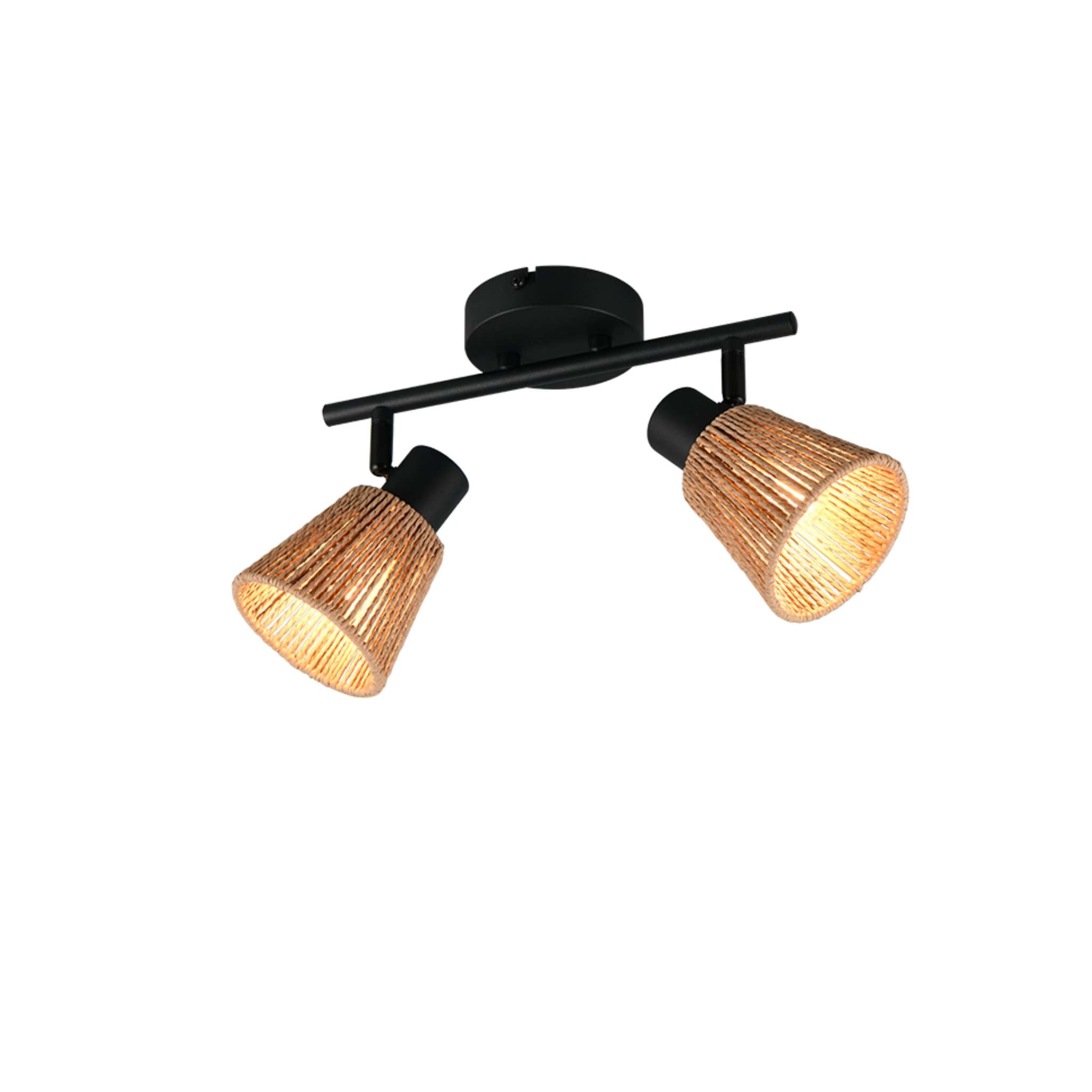
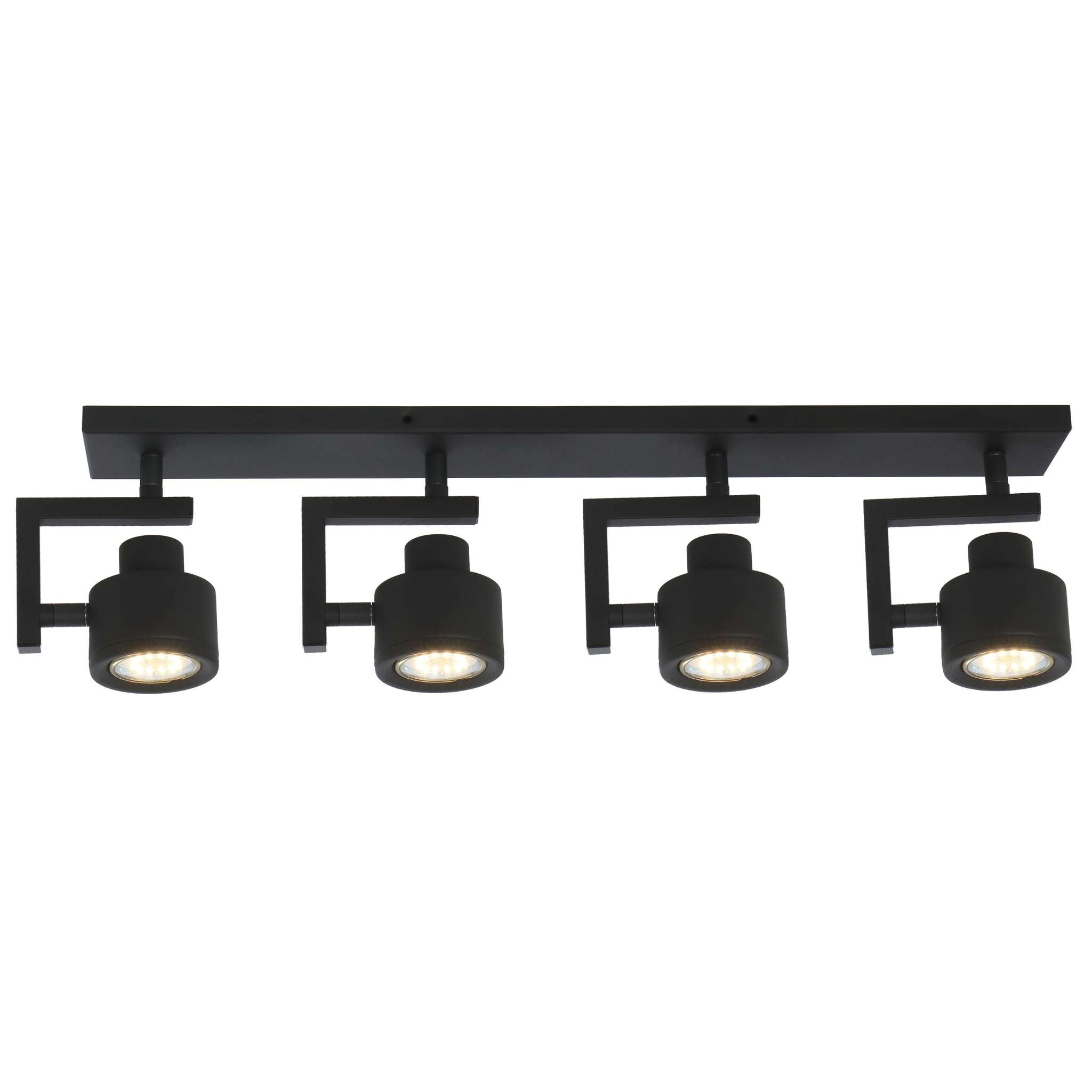
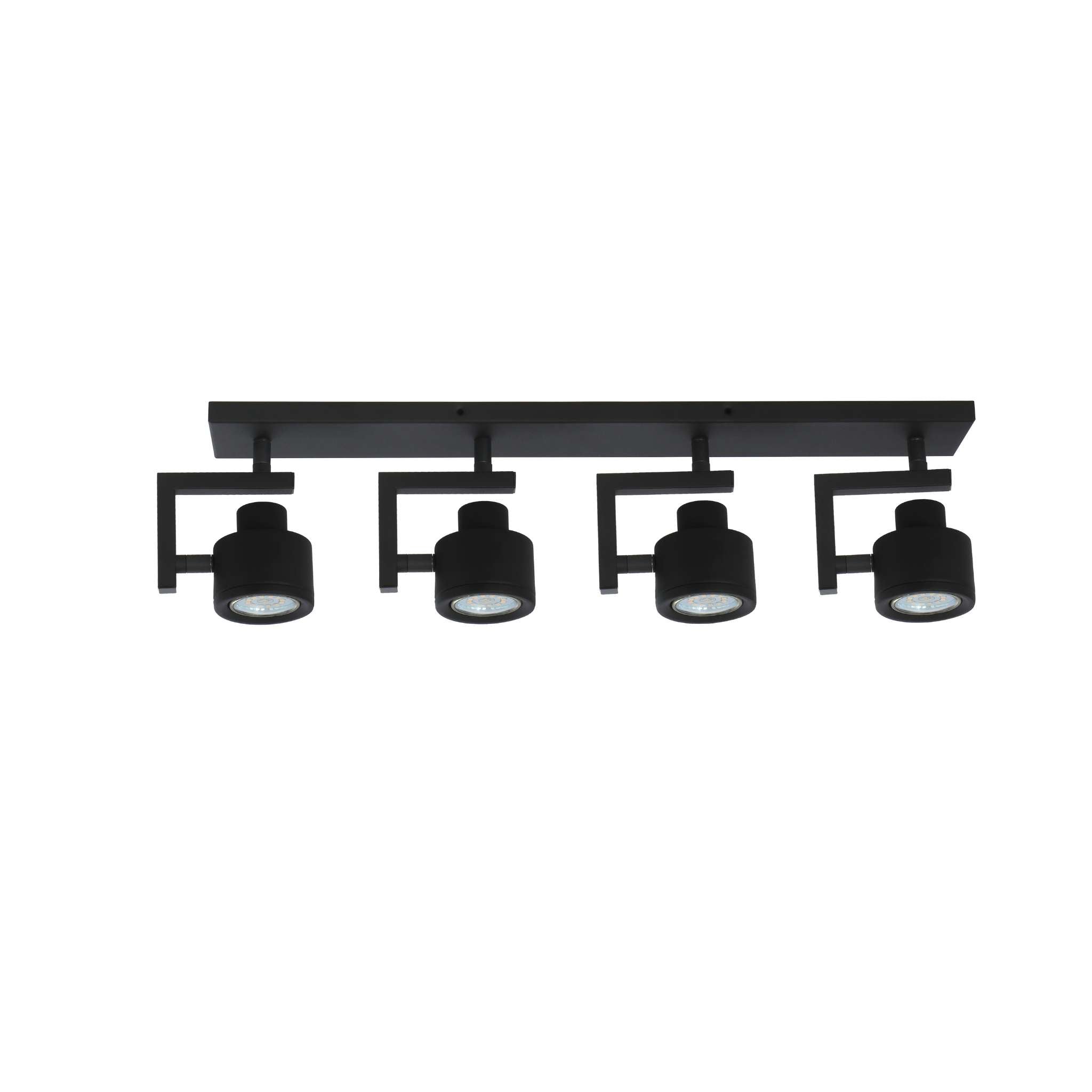
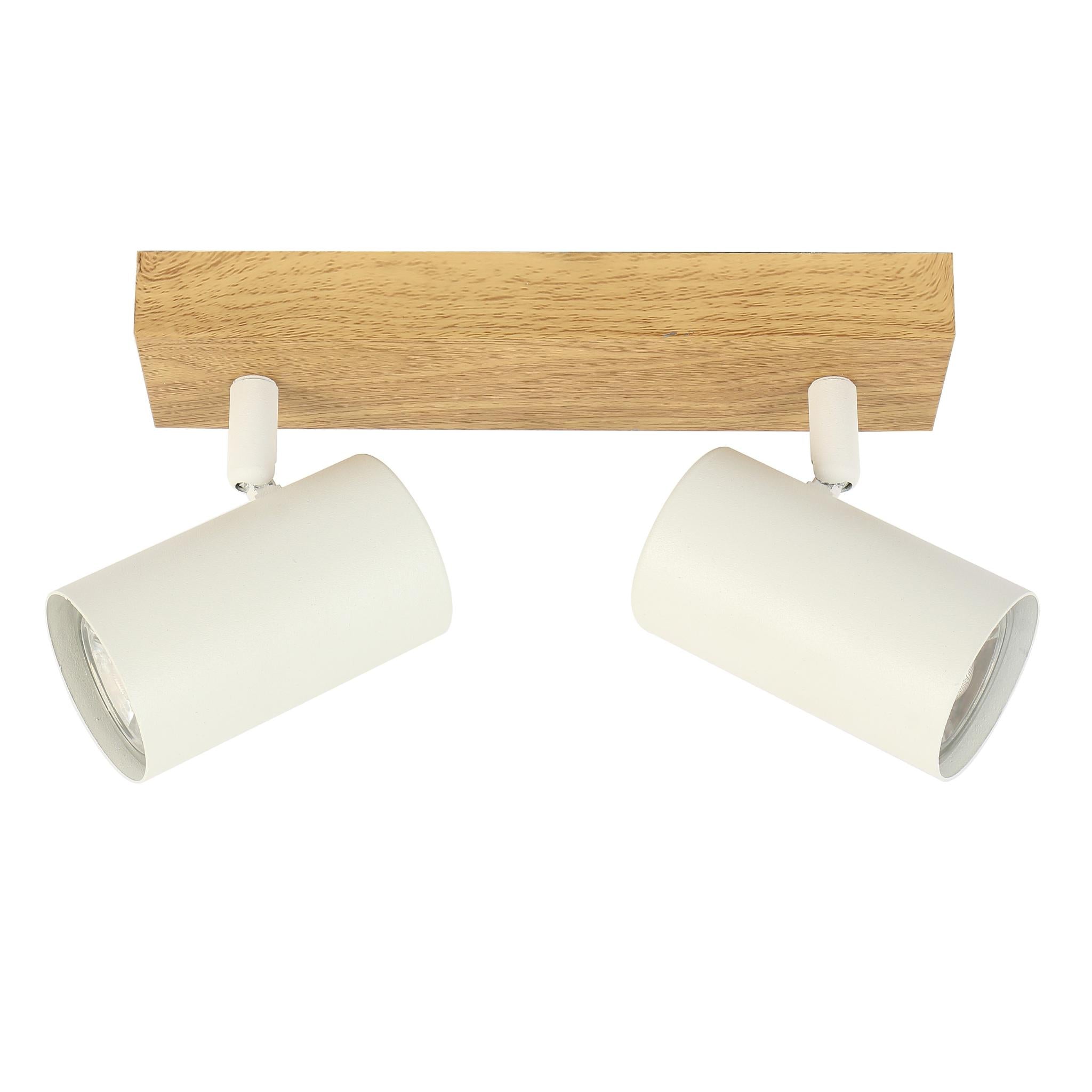
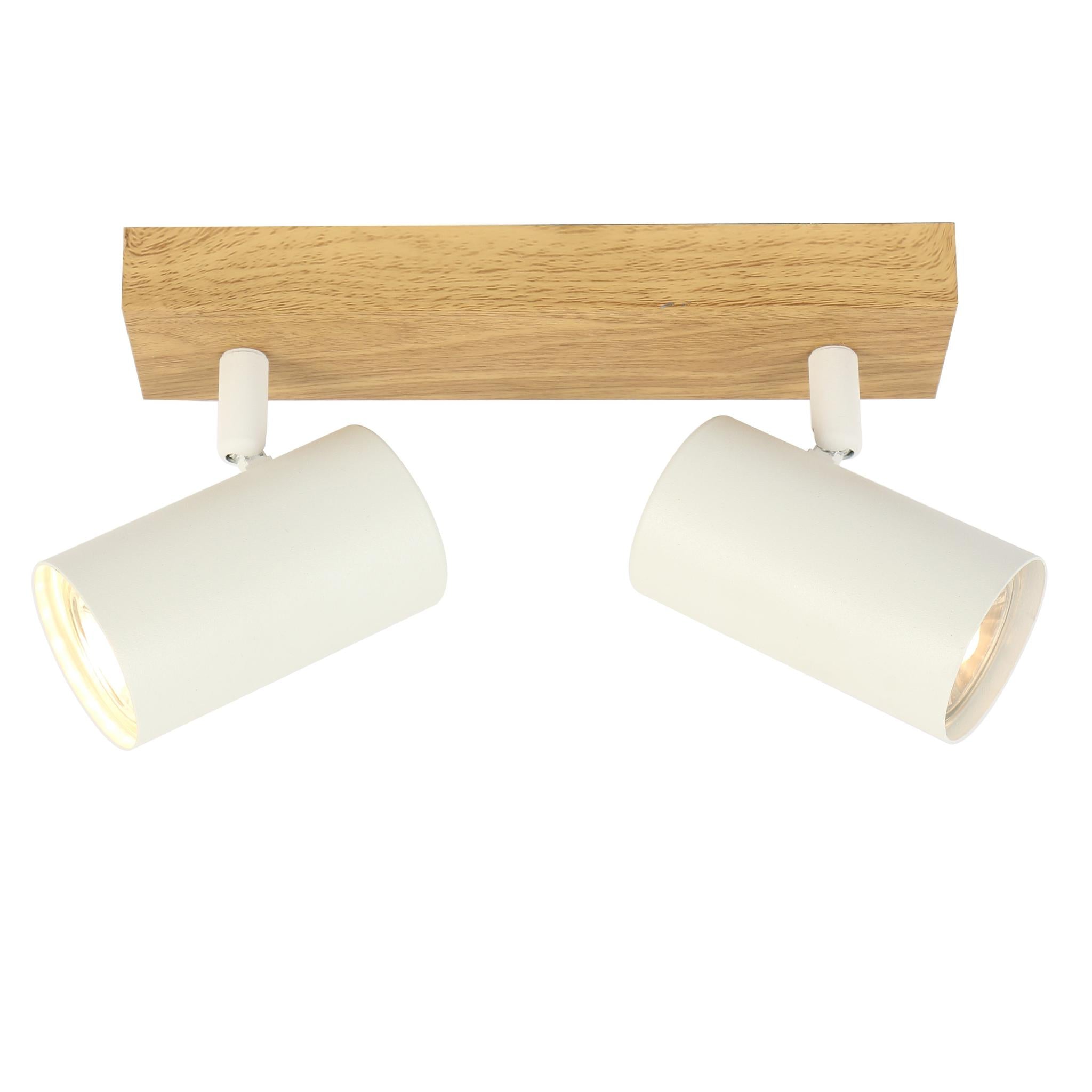
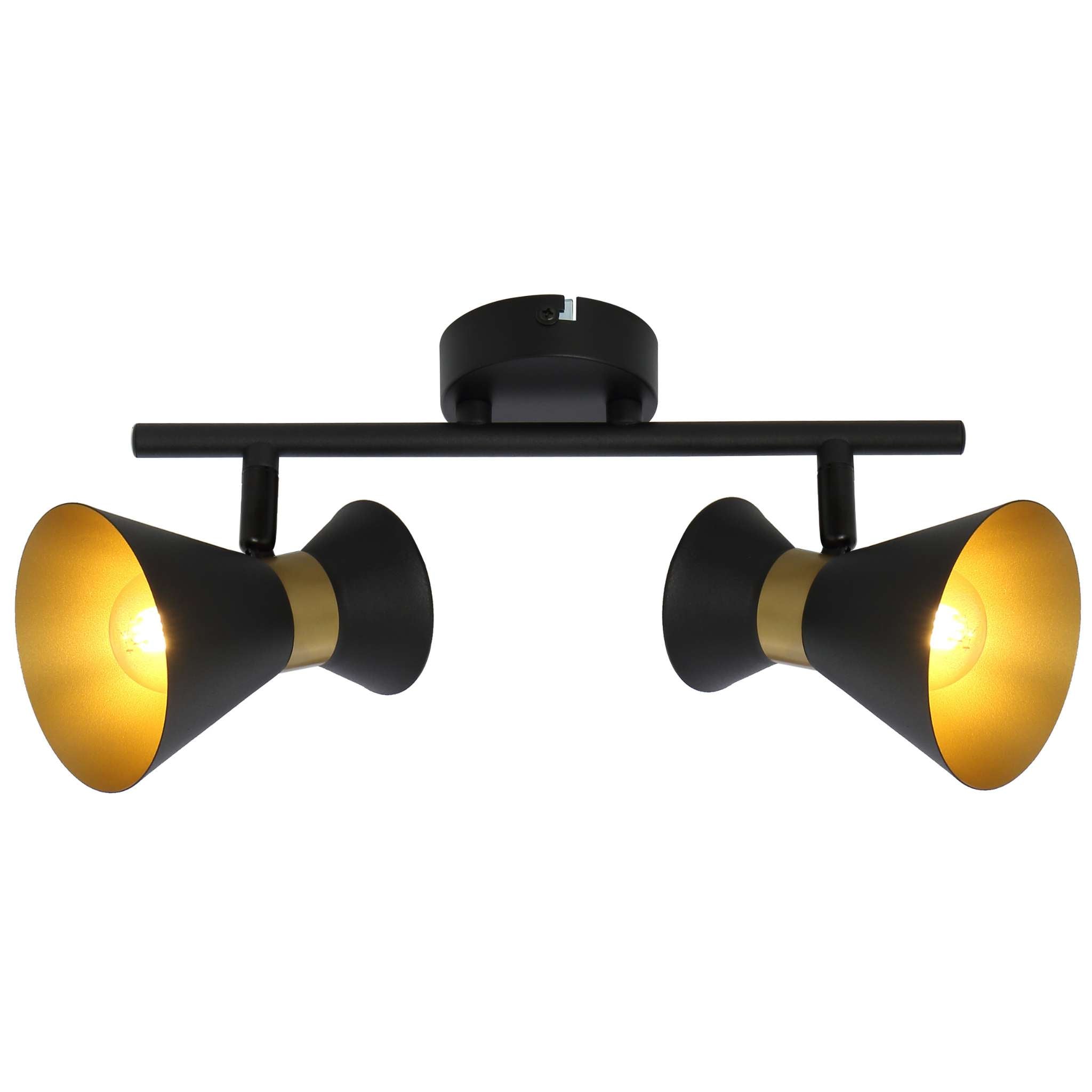
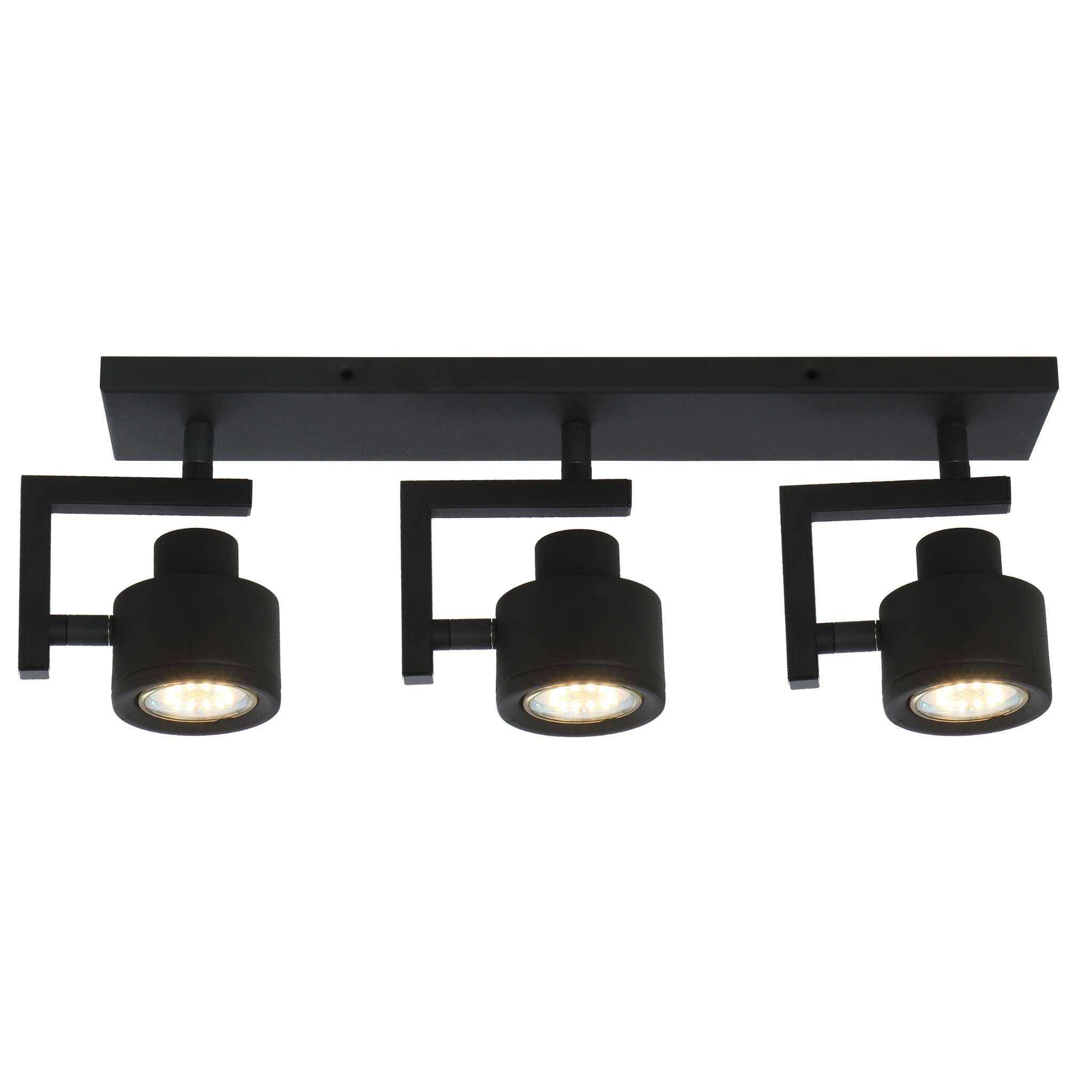
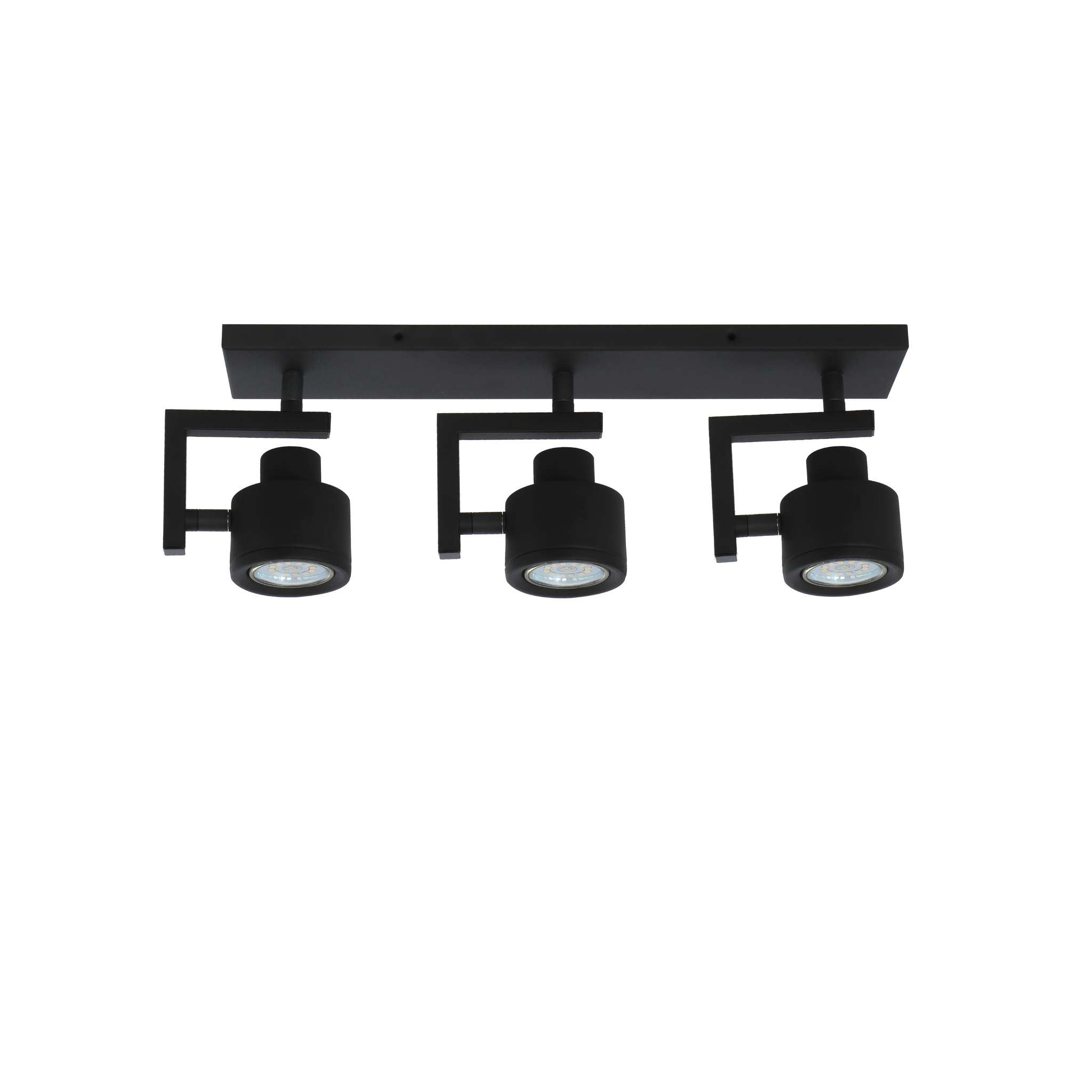
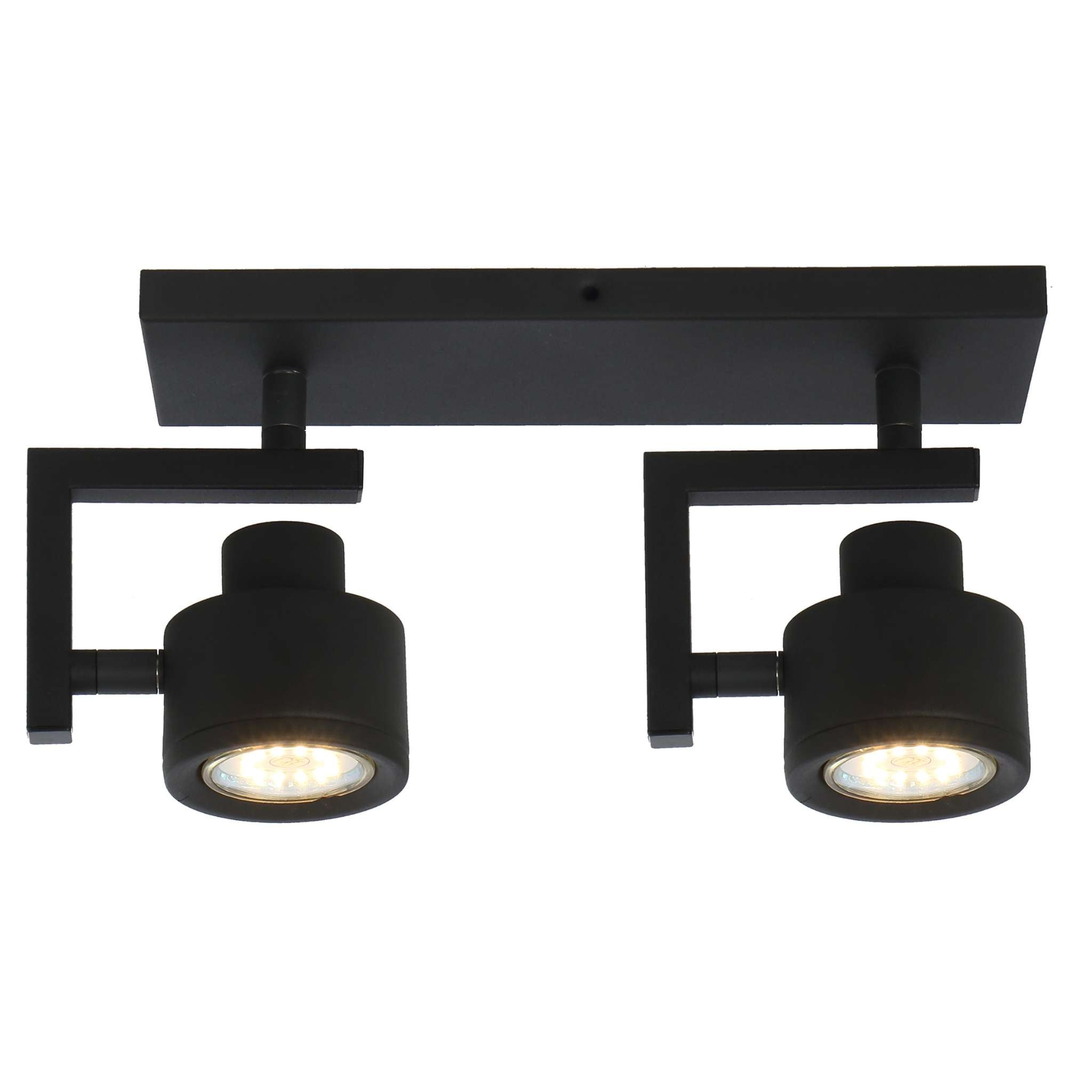
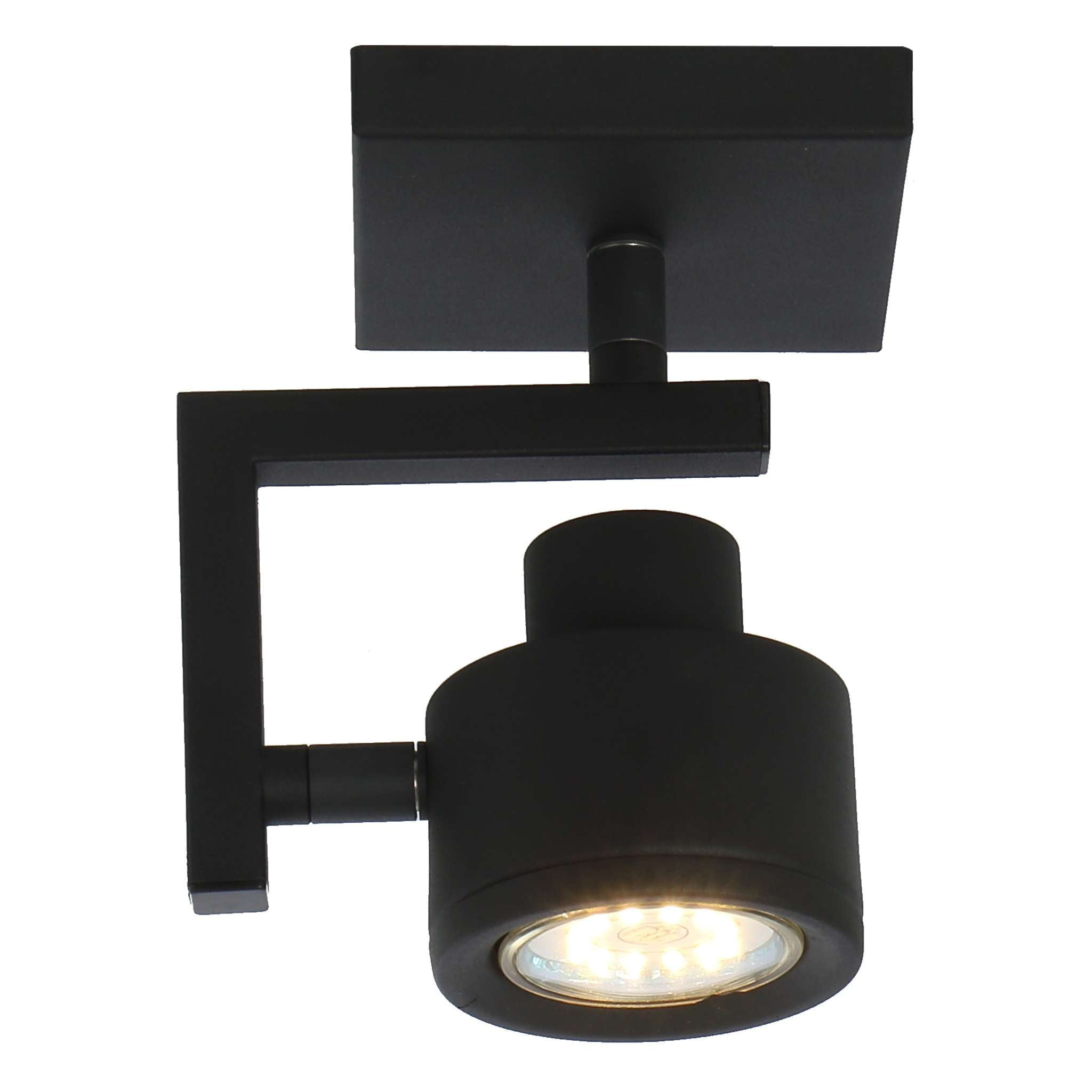
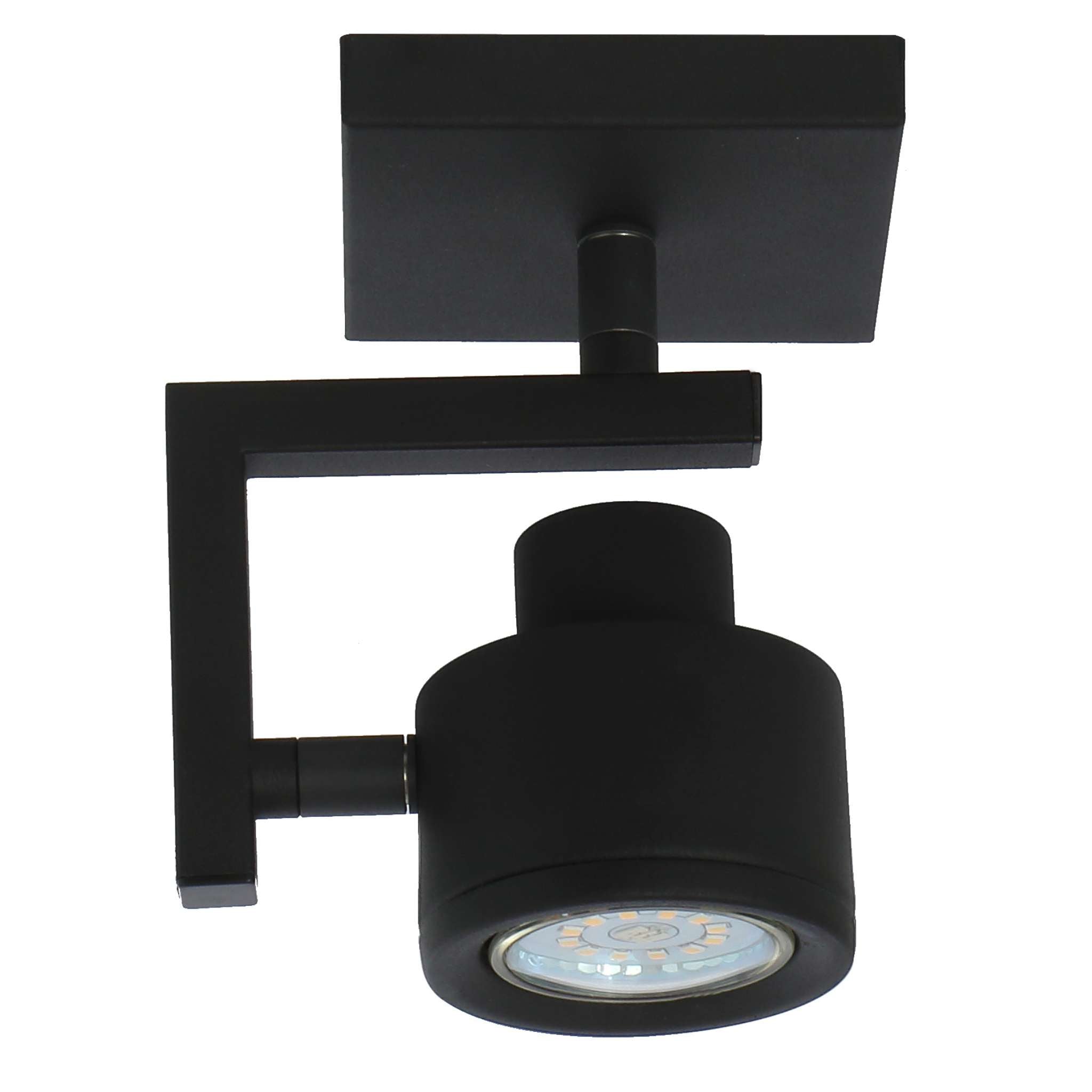
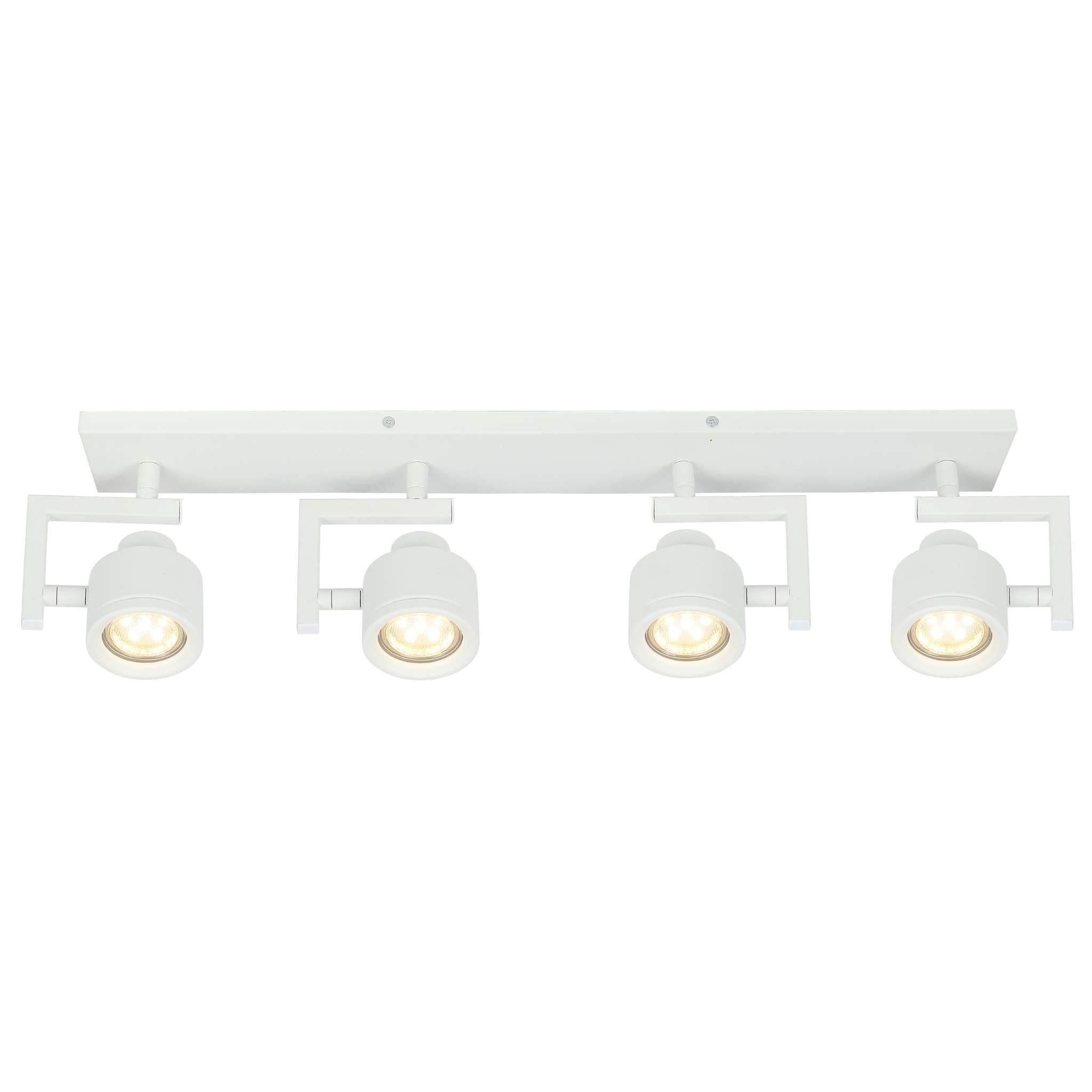
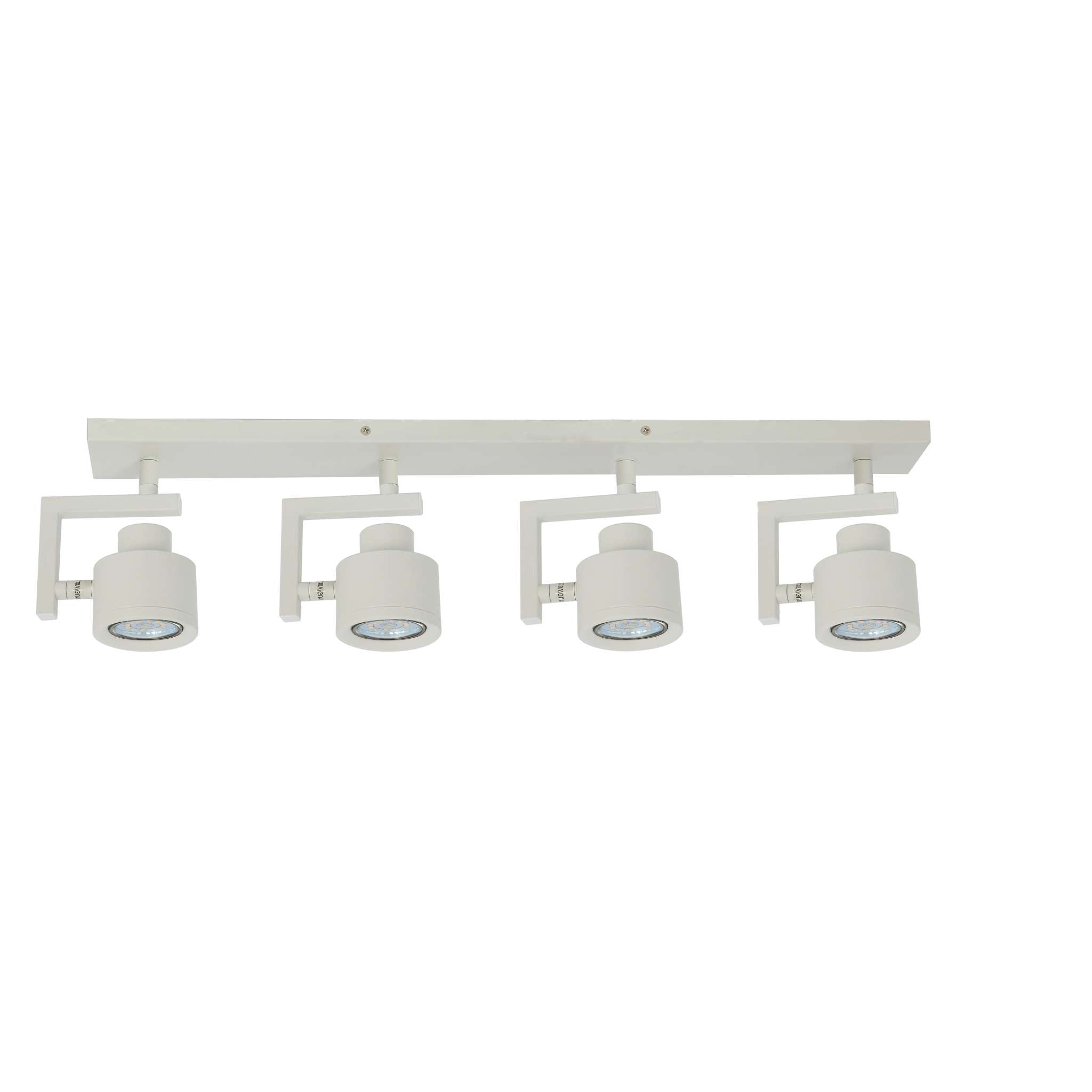
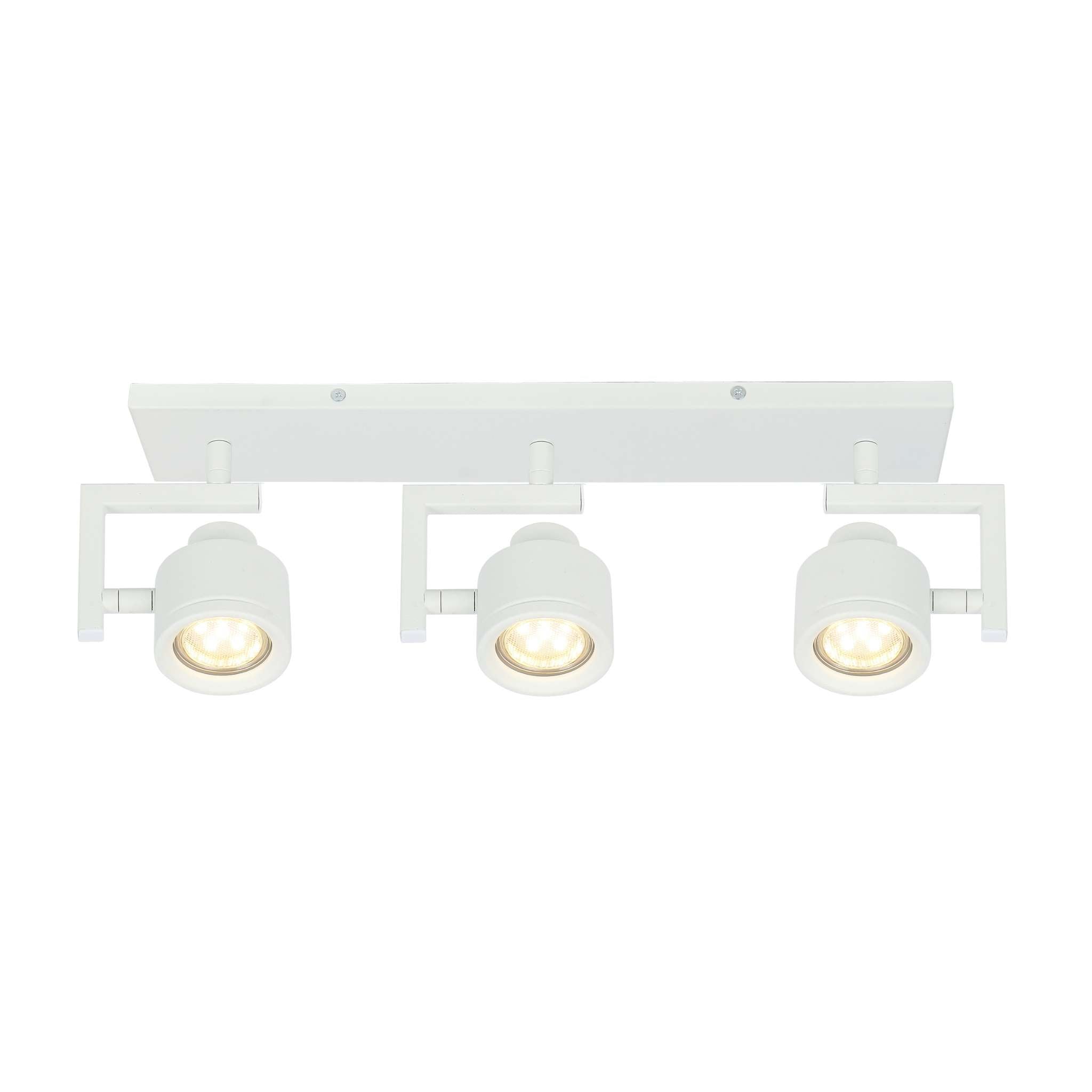
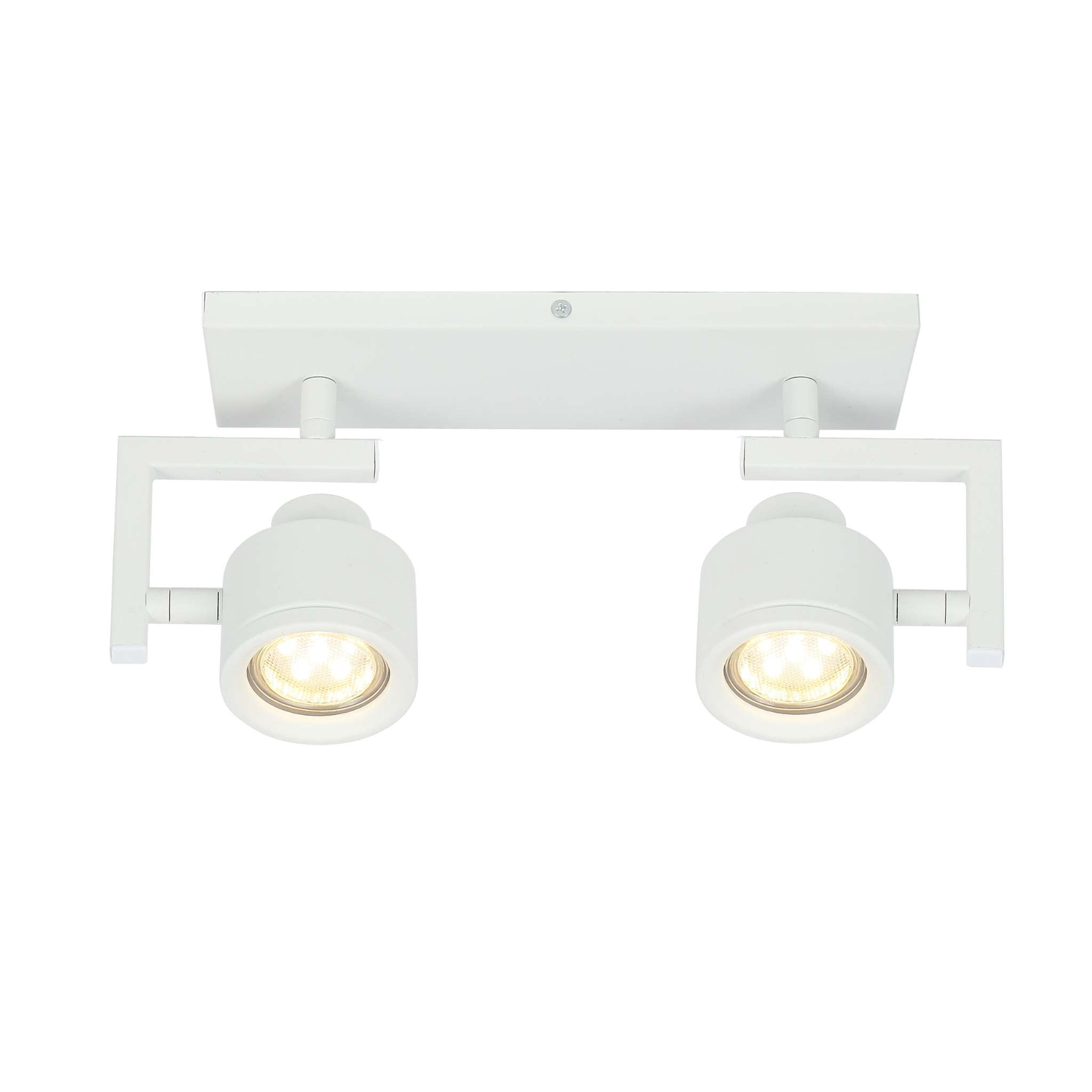
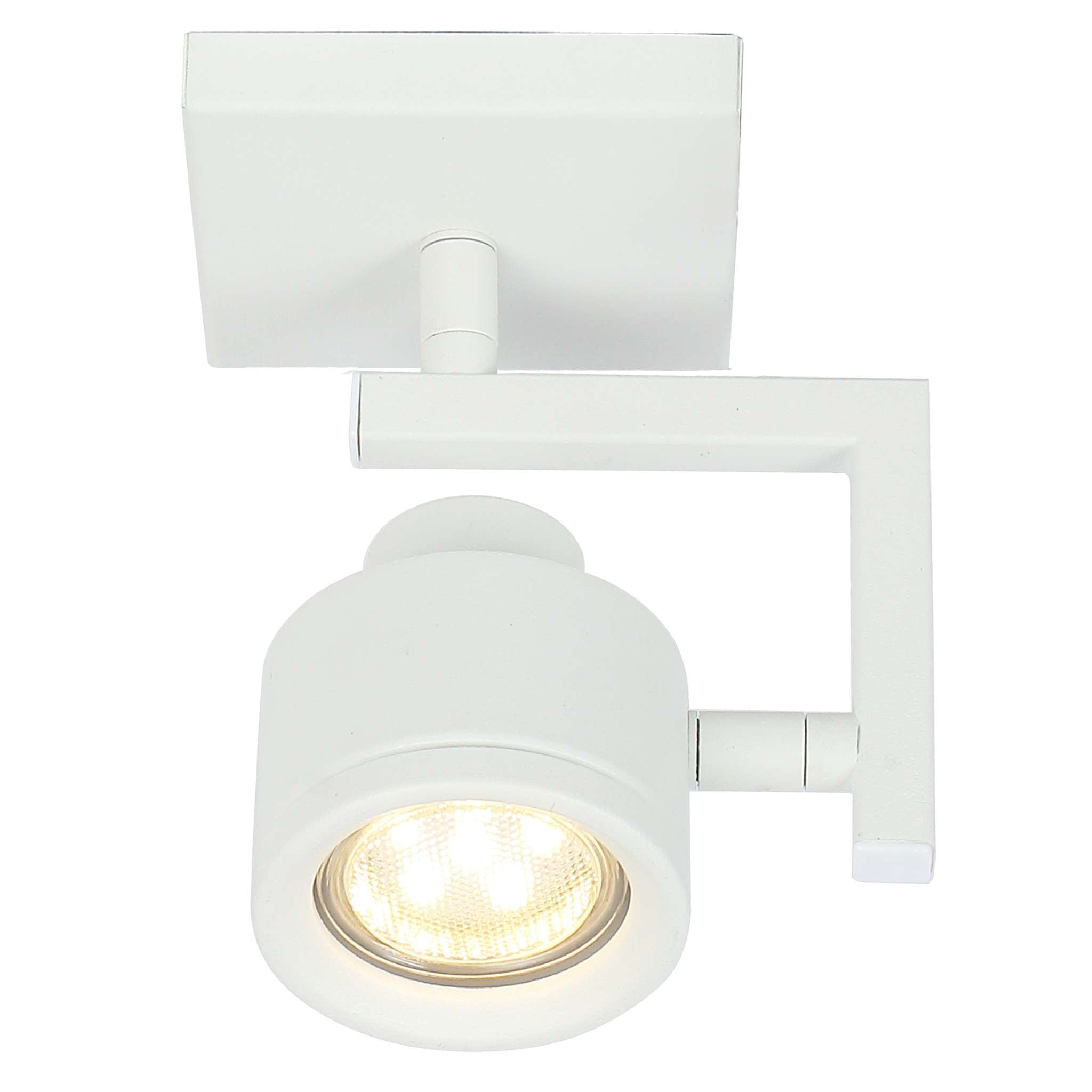
Ceiling spotlights are a popular choice for kitchens, hallways and living rooms. Multi-head ceiling spotlights let you direct light to different parts of the room from a single fitting.
Wall spotlights
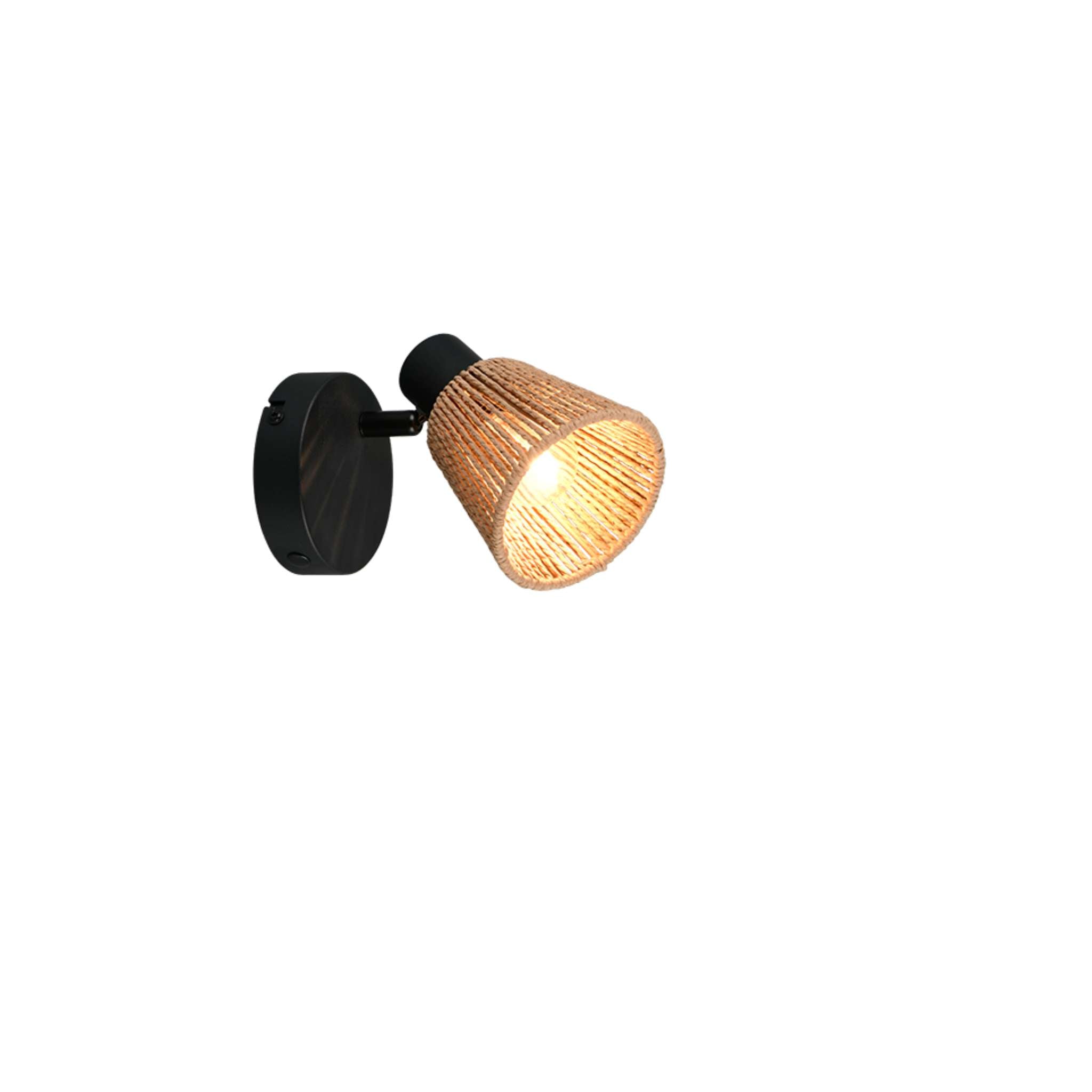
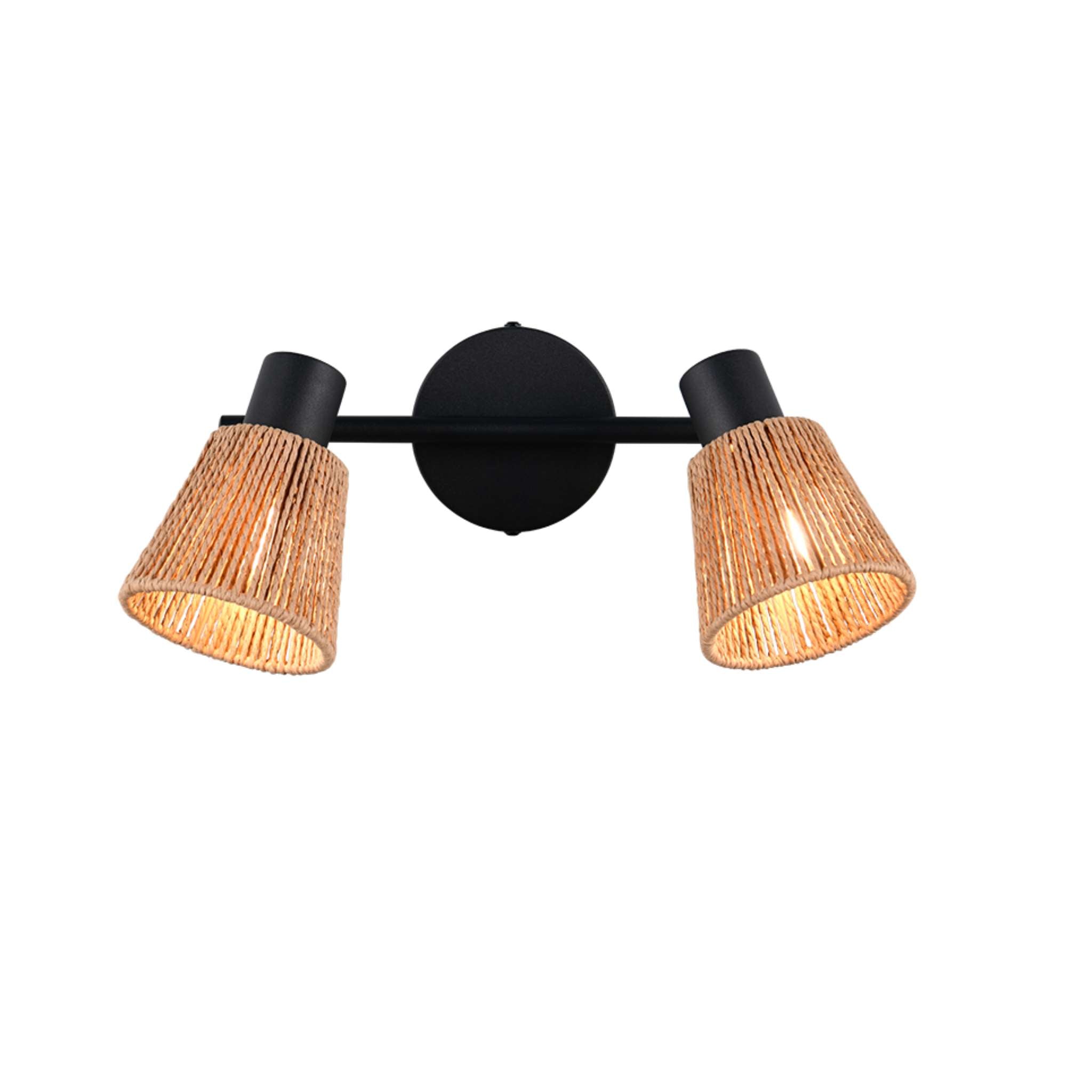
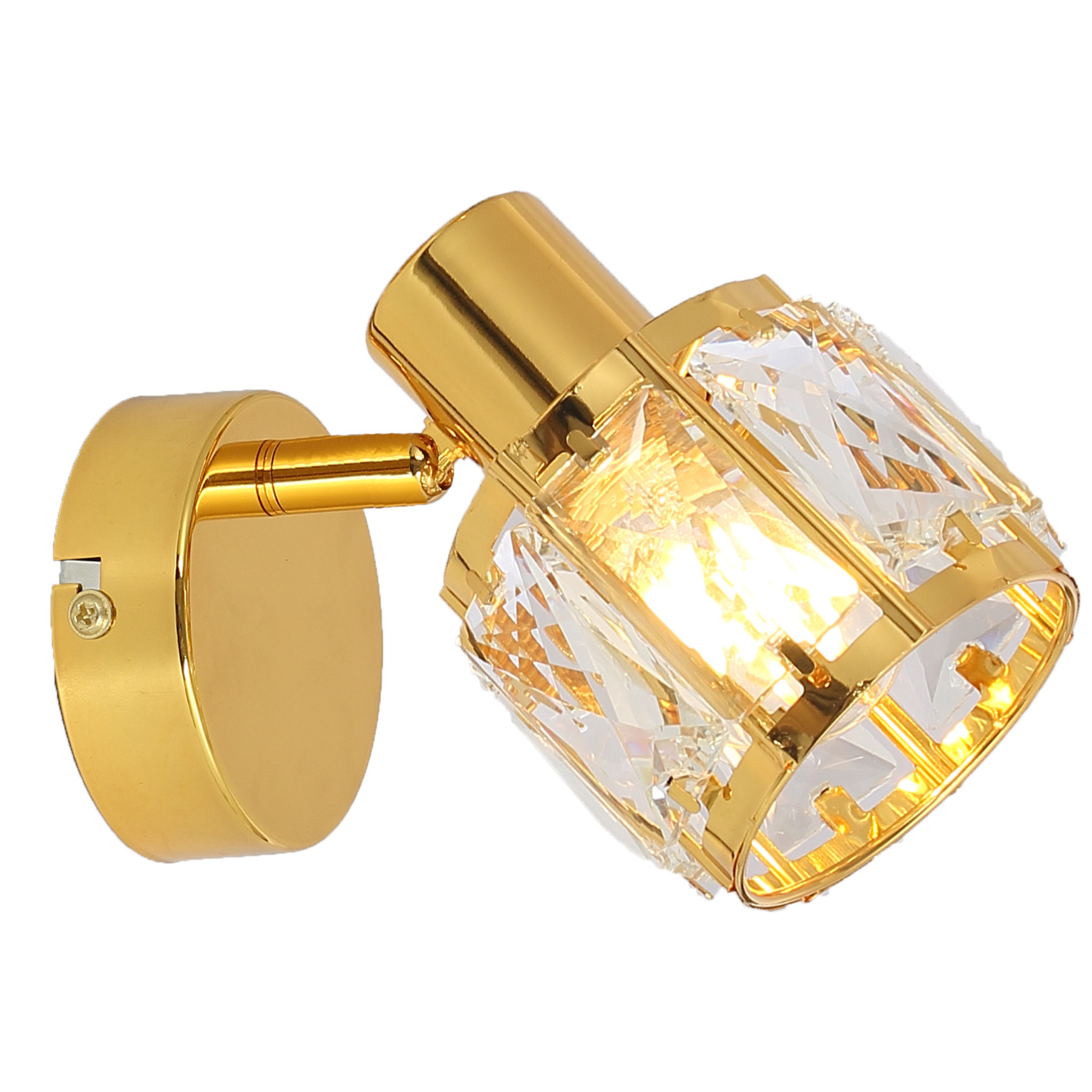
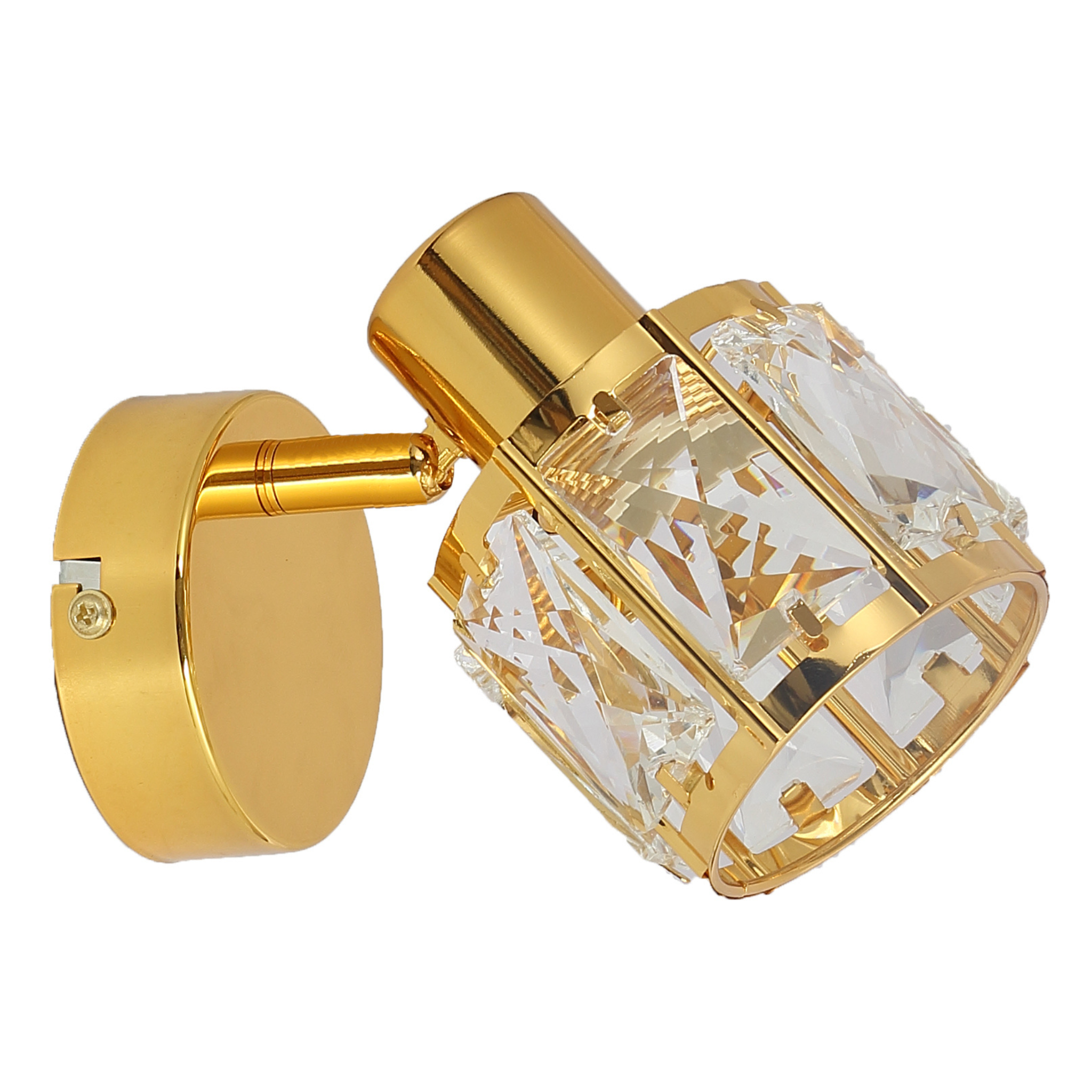
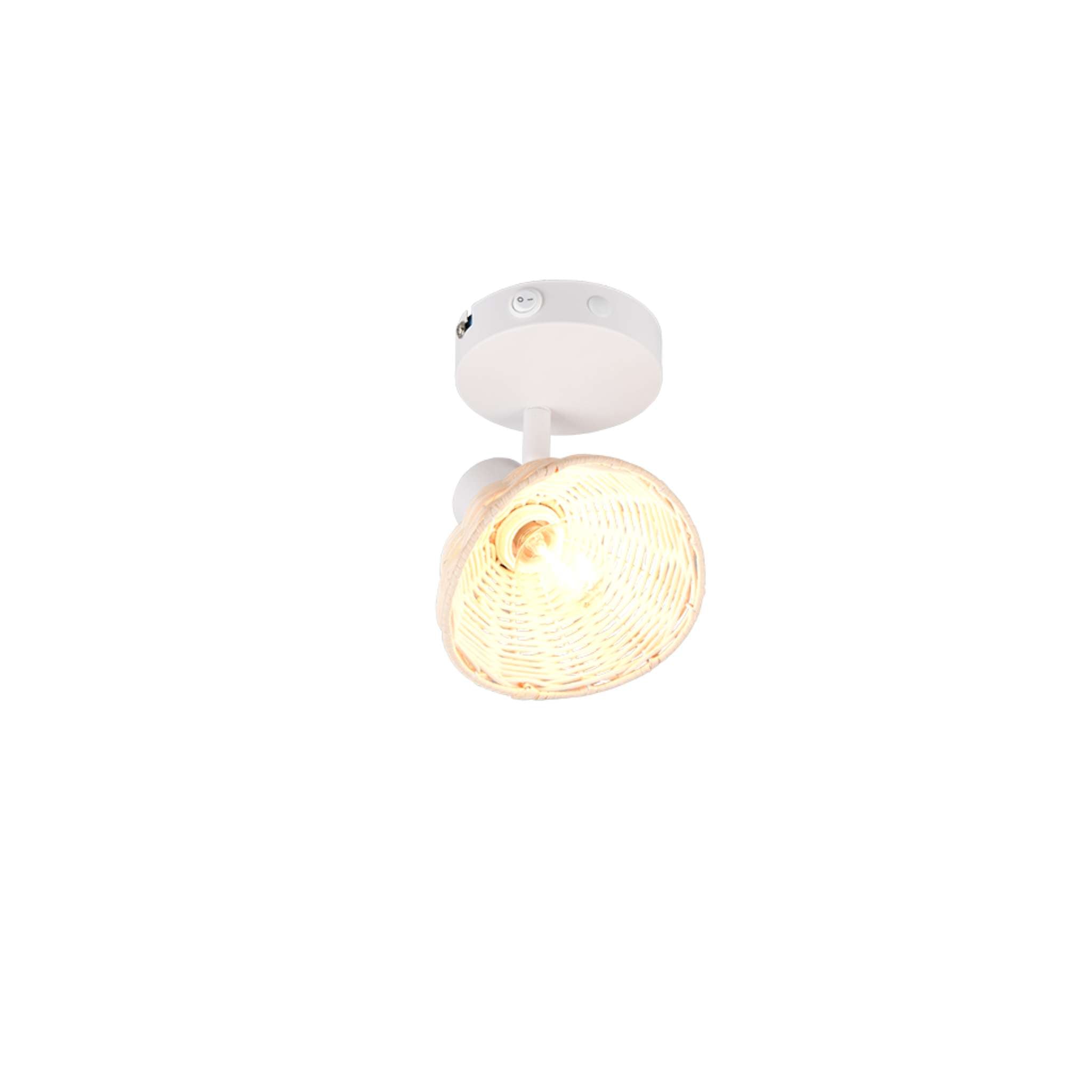
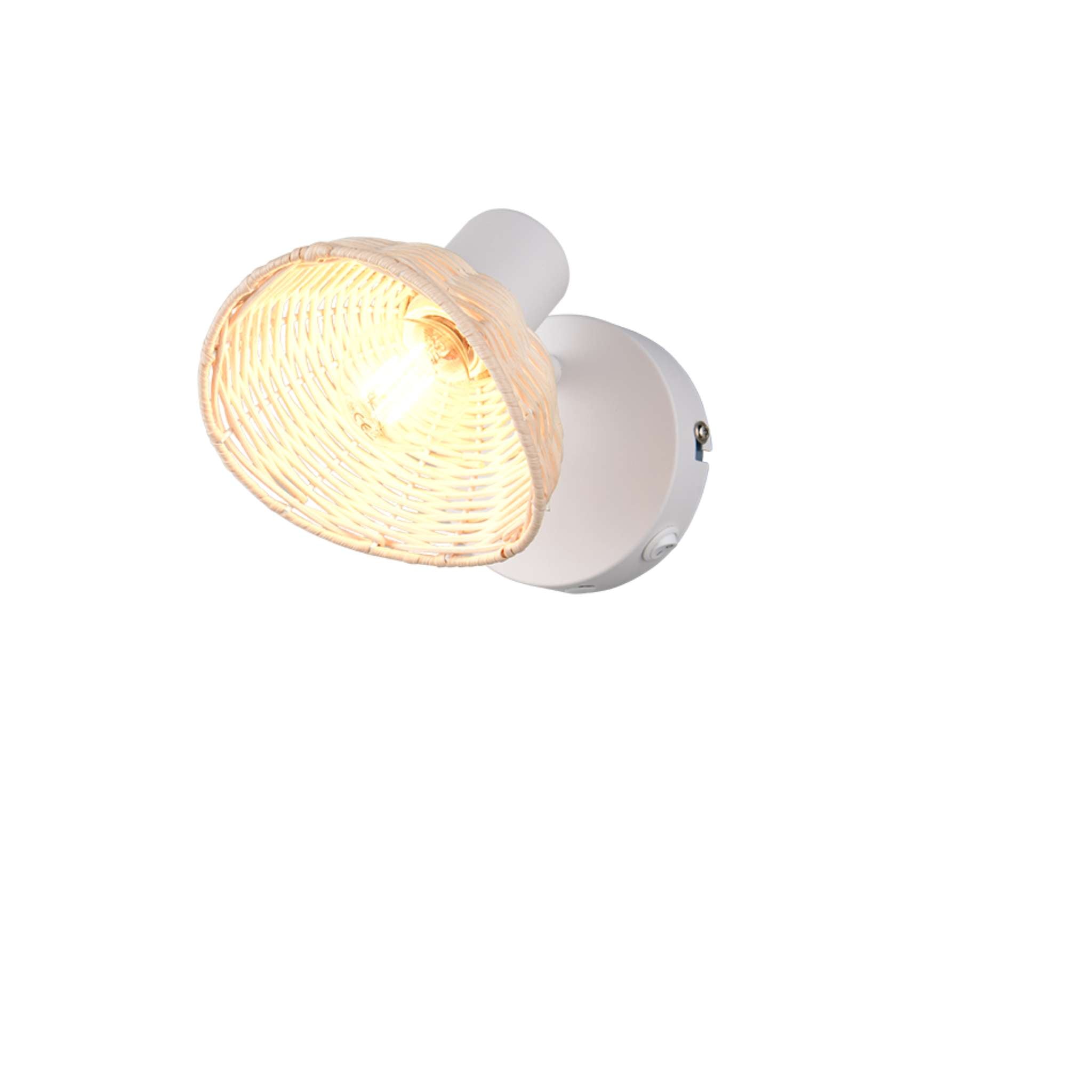
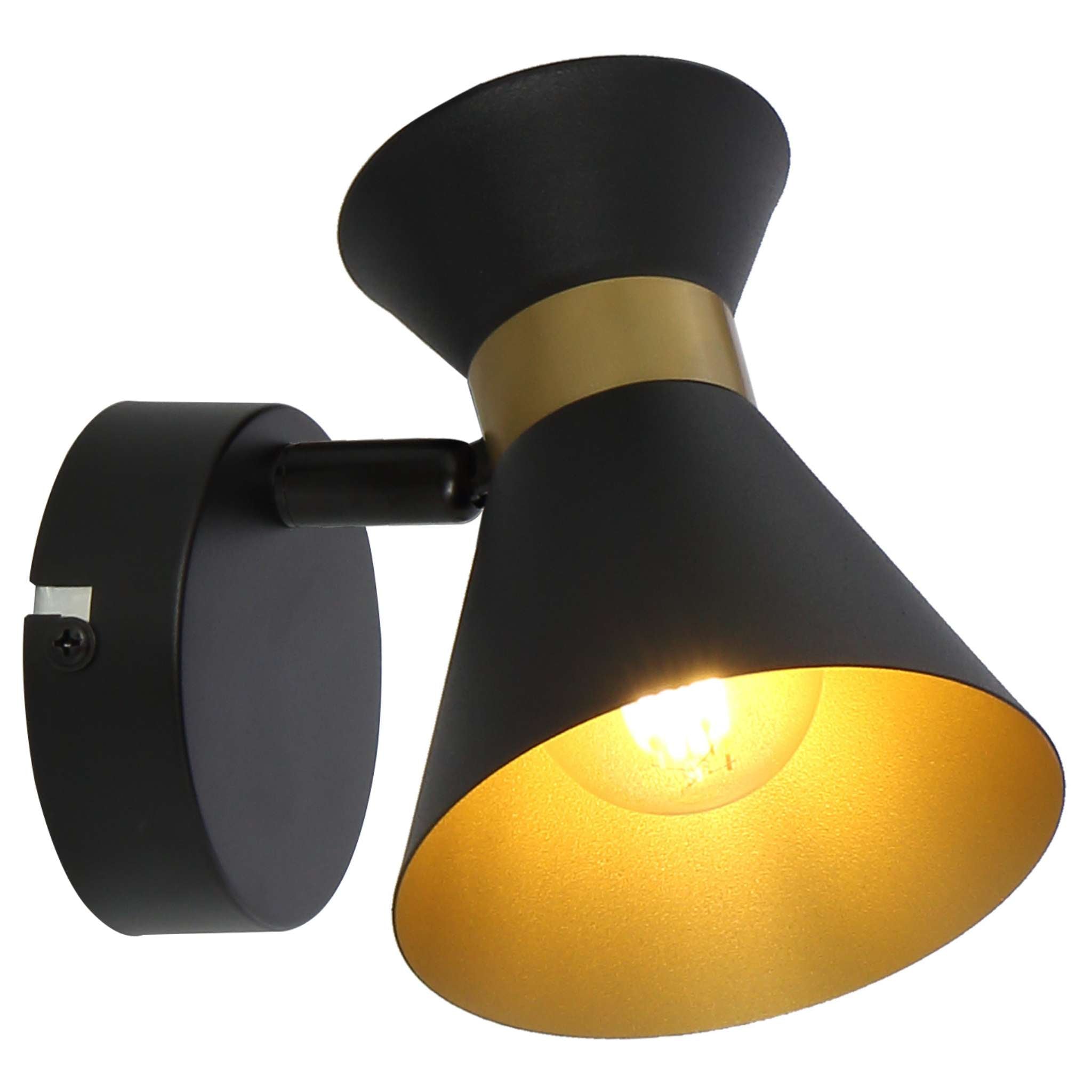
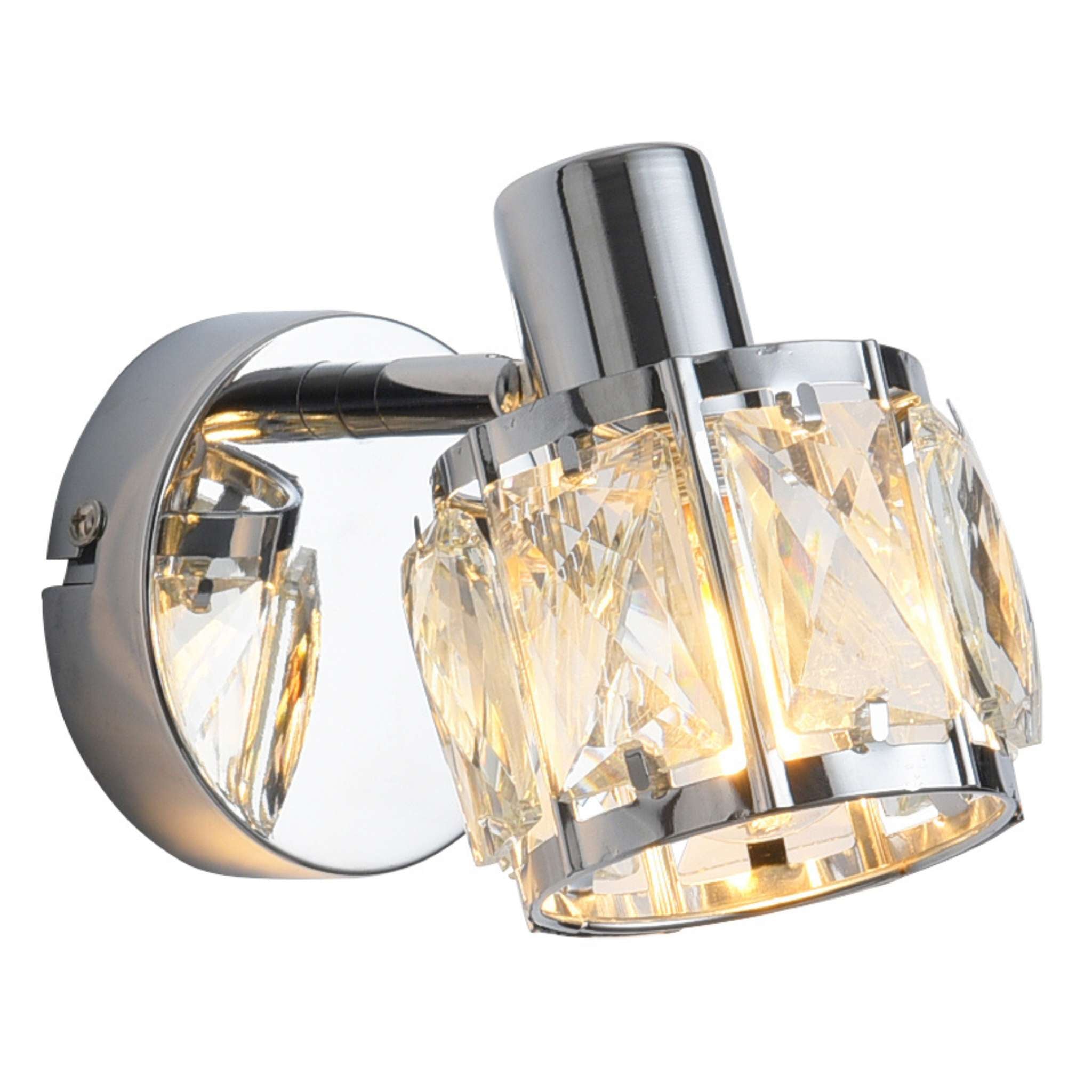
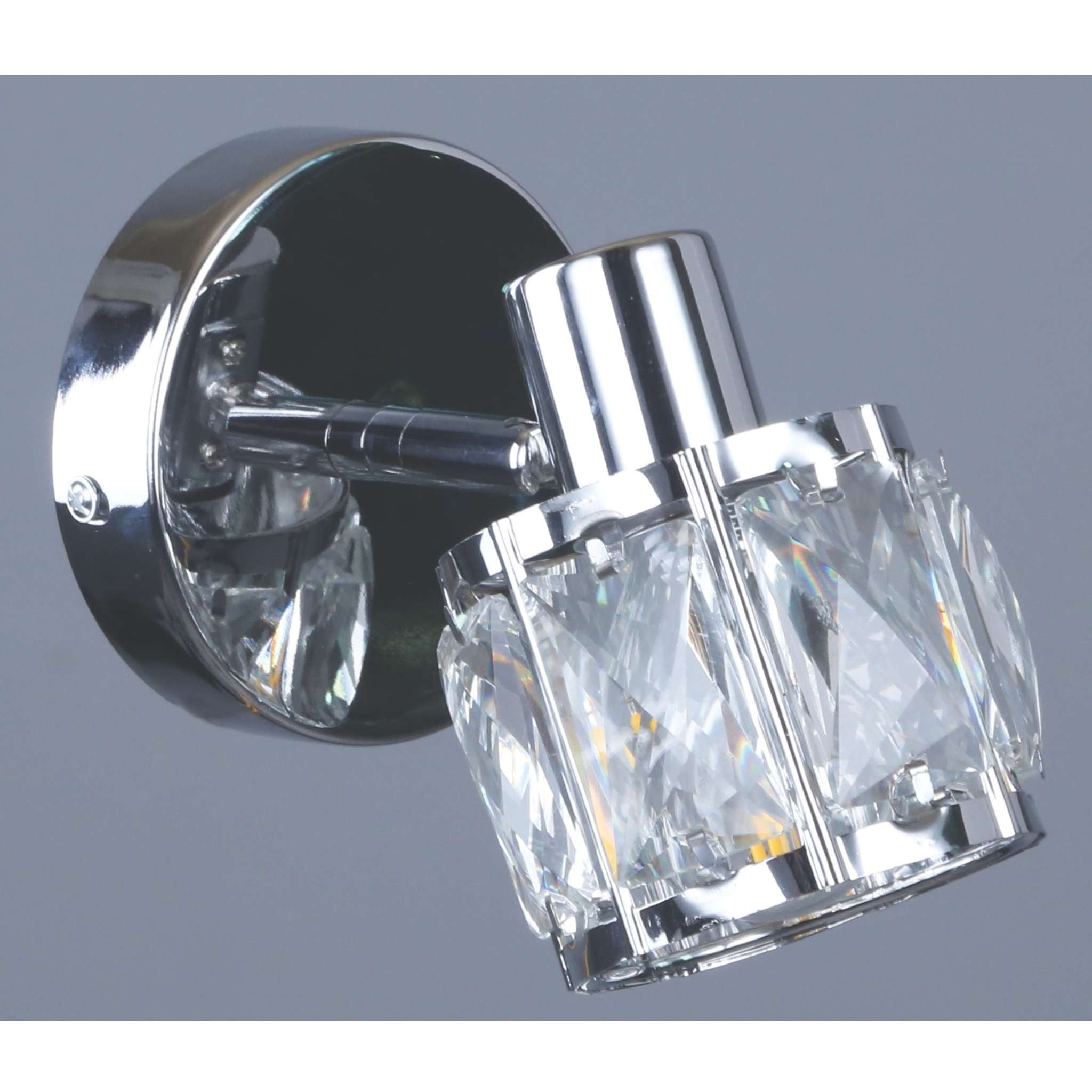
Wall-mounted spotlights are ideal for highlighting pictures, display cabinets and decorative objects. A wall spotlight can also work perfectly as a reading light next to a sofa or armchair.
Track lighting and spotlight rails
Track lighting systems offer maximum flexibility. You can move the spotlights along the rail and adjust them as your furniture layout changes. Track spotlights are excellent for open-plan spaces, long corridors and rooms where you want to combine general, task and accent lighting in one solution.
LED spotlights – efficient, bright and modern
LED spotlights have become the go-to option for modern homes because they:
are very energy efficient
have a long lifespan
provide bright, focused and comfortable light
LED spotlights are perfect for rooms where lights are used for many hours a day, such as kitchens, offices, hallways and staircases. You can choose between integrated LED spotlights and models that take replaceable LED bulbs (such as GU10).
For the best result, match the colour temperature to the room:
Warm white (around 2700–3000 K) – cosy and welcoming, ideal for living rooms and bedrooms.
Neutral white (around 3000–4000 K) – clear and fresh, ideal for kitchens, workspaces and hallways.
How to choose the right spotlights
When you choose spotlights for your home, it’s worth considering a few key points:
Beam direction and adjustability
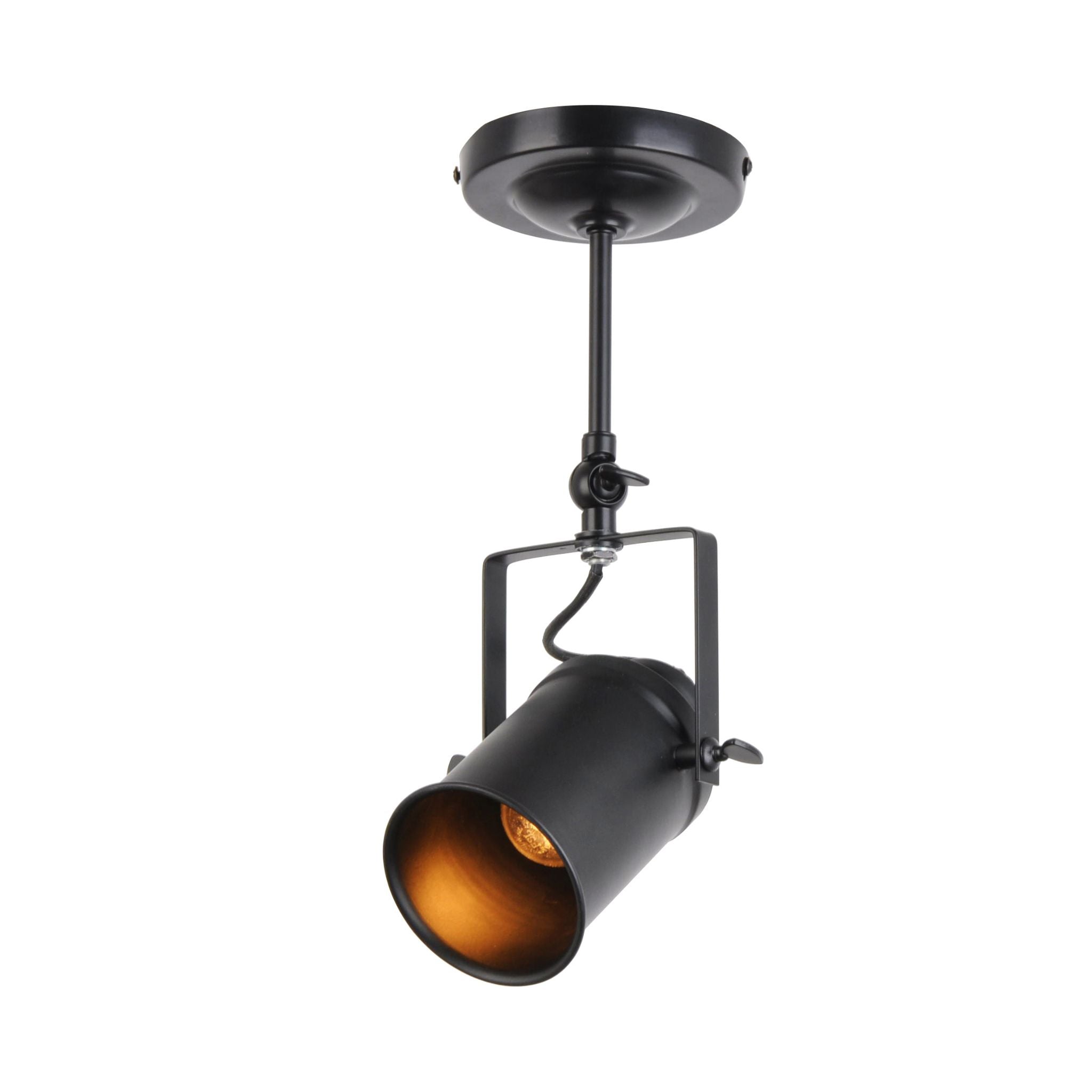
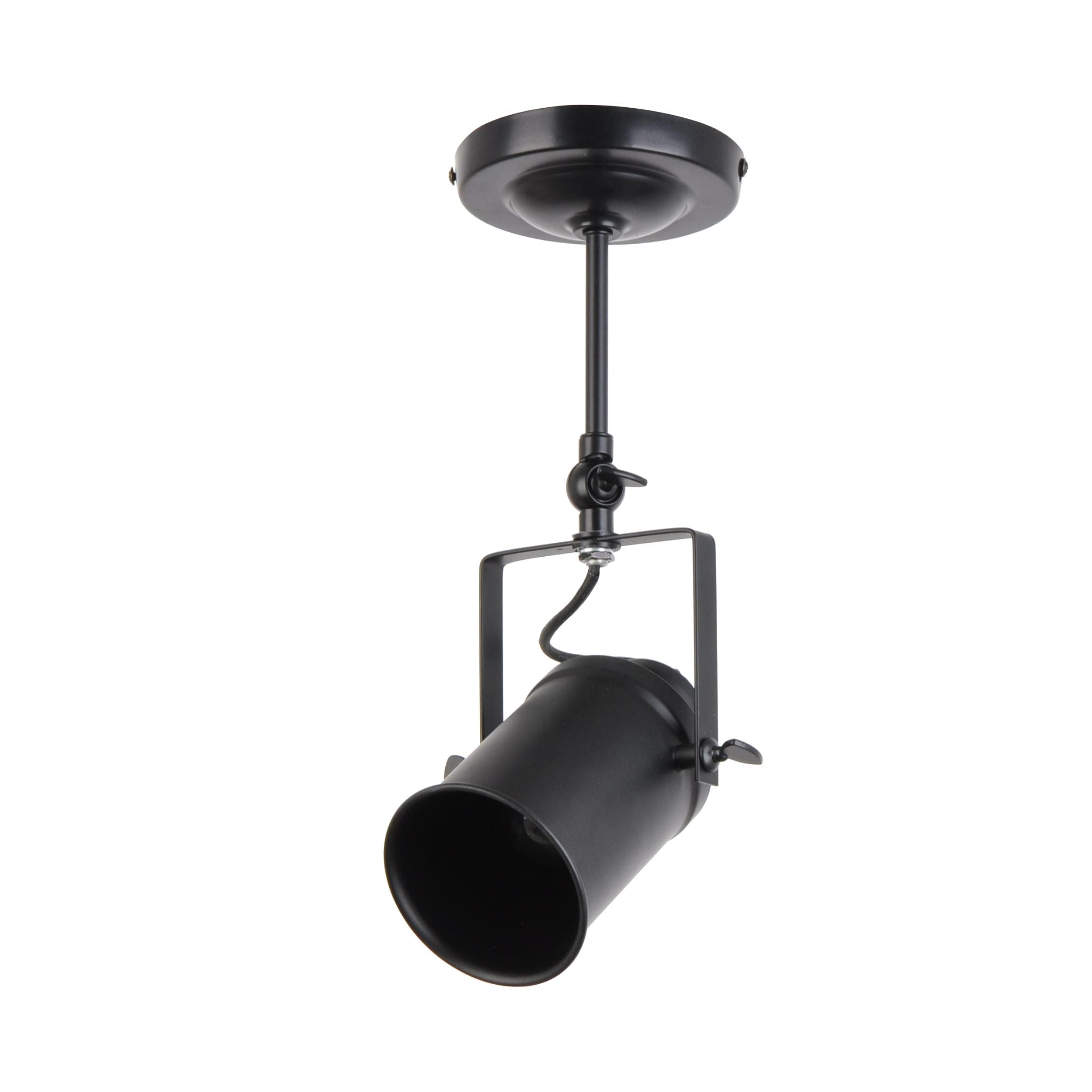
Adjustable spotlights are extremely practical because you can tilt and rotate the beam towards different areas. This is especially useful in living rooms and open-plan spaces where you might rearrange furniture over time.
Light output (lumens)
The brightness you need depends on what you are lighting. Kitchen worktops and desks require stronger light than a picture on the wall. Check the lumen value to make sure your LED spotlights are powerful enough for the task.
Dimmable spotlights
Dimmable spotlights give you the freedom to change the atmosphere. Use a brighter setting for cleaning and working, and dimmed light for movie nights or relaxed evenings.
Style and finish
White, black, grey, chrome, brass or matt metal – the finish of your spotlights has a big impact on the room. You can choose discreet spotlights that blend into the ceiling or bold design pieces that stand out as part of the interior.
Frequently asked questions about spotlights
Where are spotlights most useful?
Spotlights are especially useful in kitchens, living rooms, hallways, corridors, staircases and home offices. They’re the best choice whenever you want to highlight a specific area or object – such as a worktop, picture, shelf, reading nook or decorative wall.
How many spotlights do I need in the kitchen?
The number of kitchen spotlights depends on the size of the room and the length of the worktops. As a general guideline, spotlights are often spaced around 60–80 cm apart above work surfaces, positioned so that the light falls in front of you rather than casting shadows from behind.
Can spotlights be the only light source in a room?
In small spaces like compact hallways or narrow corridors, spotlights can be the main and only light source. In larger rooms such as living rooms and kitchens, it’s usually best to combine spotlights with ceiling lights, wall lights and floor lamps to create flexible, layered lighting.
Are all spotlights compatible with LED bulbs?
Most modern spotlights are LED compatible if they use common bulb bases such as GU10. Many newer models also come with integrated LEDs. Product information will indicate whether the fitting is an LED spotlight and whether it is dimmable.
Can I install spotlights myself?
Plug-in spotlights and some track lighting systems can often be installed by the user, following the manufacturer’s instructions. Any spotlight that needs to be wired directly into the mains must always be installed by a qualified electrician to ensure safety and compliance with local regulations.