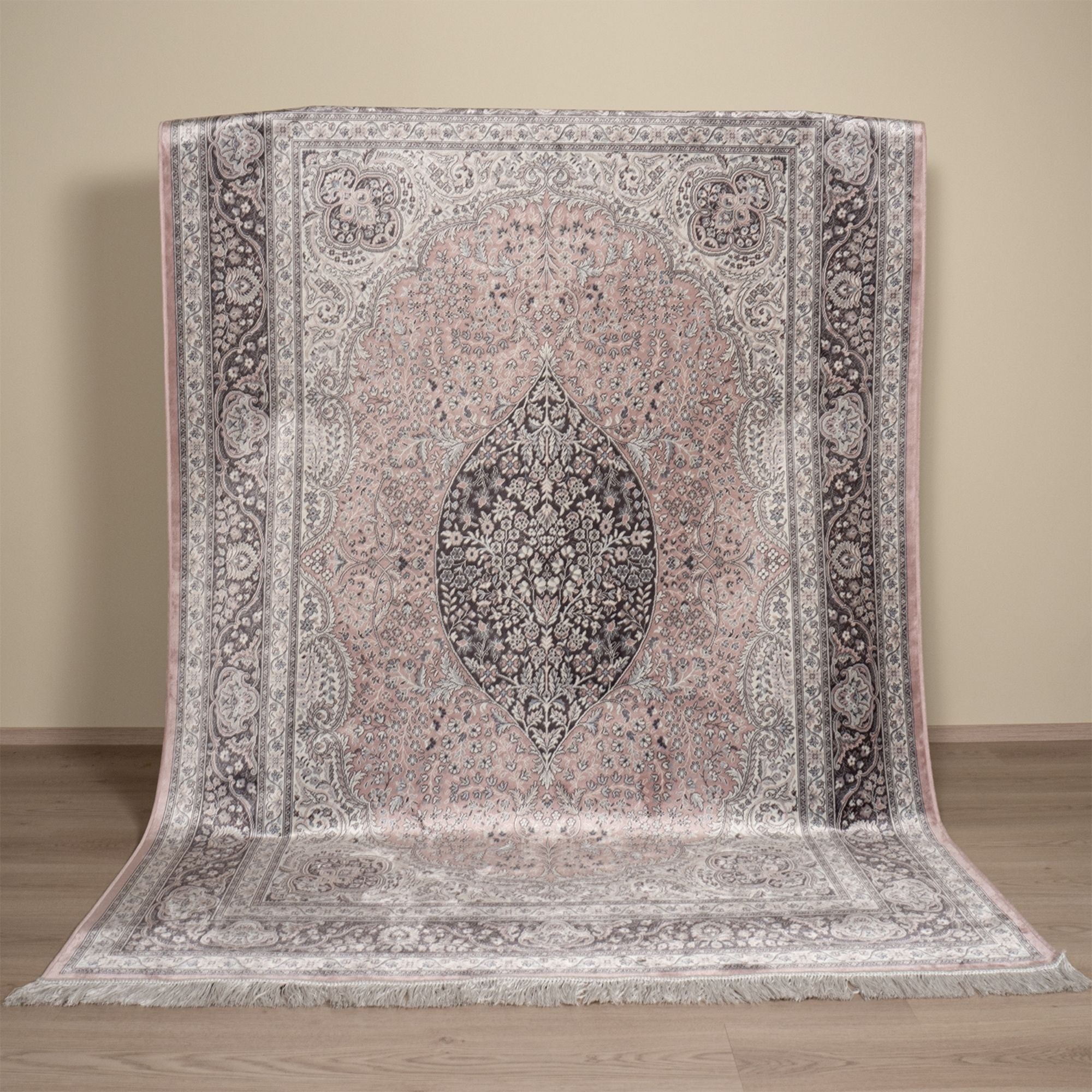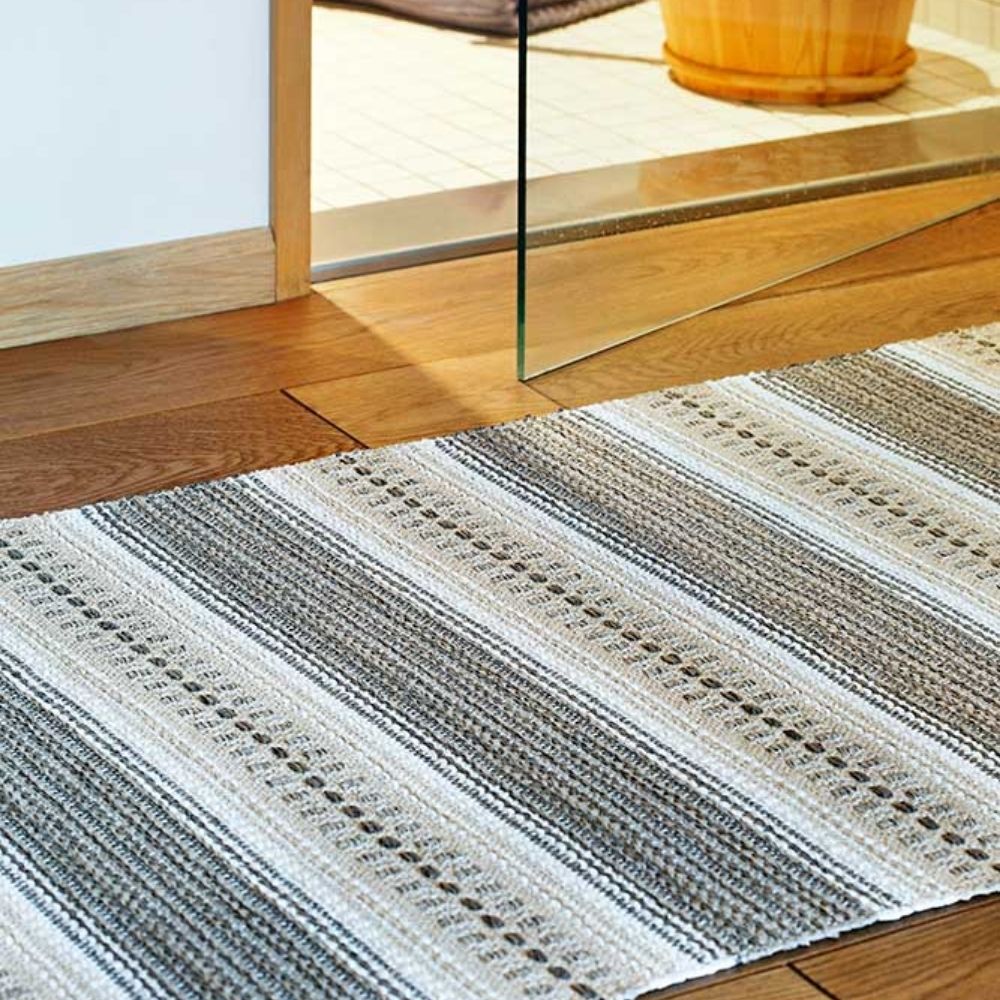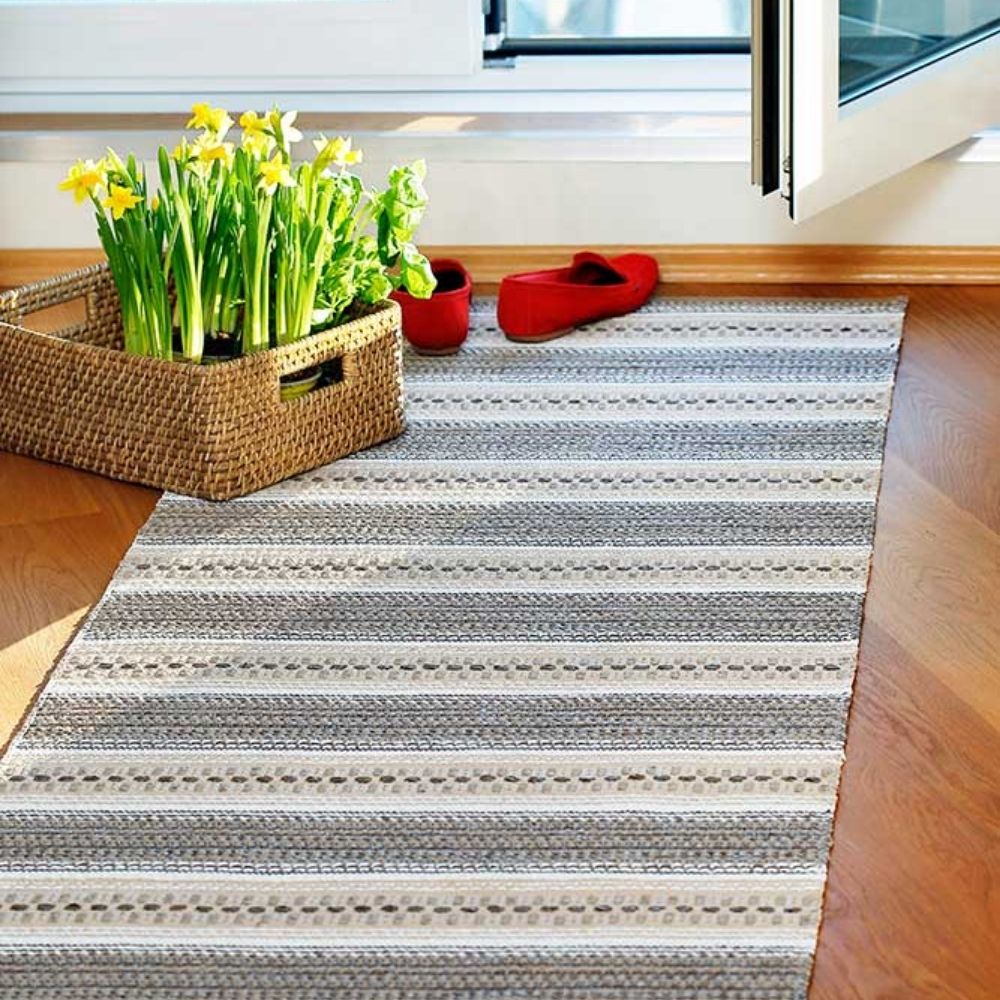






Can You Successfully Buy a Rug Online?
You can successfully buy a rug online when the decision is based on more than one product image. Before ordering, check the dimensions of the room, the position of the furniture, the rug material, surface construction, total thickness, colours, care instructions and whether a sample is available.
Online shopping makes it possible to compare different sizes, colours, materials and price ranges at your own pace. However, a rug can look larger or smaller in a photograph than it will in your room. Screen settings, lighting and surrounding colours can also affect how the shade appears.
Our practical experience of helping people choose rugs both online and in physical stores has shown the value of combining detailed information with concrete comparisons. Online, the decision is supported by product specifications, photographs, guides and filters. In a physical store, the surface, colour, construction and scale can be examined more directly.
The two approaches highlight the same point: a successful rug choice rarely depends on one feature alone. The size, material, surface, colour and intended use need to work together.
This guide takes you through the selection process in the order in which the decisions should be made.
Begin with the Intended Use, Not the Appearance
The colour or pattern may be the first feature that attracts your attention, but the selection process should begin with the room and the type of use the rug needs to handle.
A living-room rug may need to feel comfortable, be large enough and bring the furniture together. Under a dining table, an even surface, easy chair movement and practical stain care may matter more. An entrance rug is exposed to regular wear and dirt carried in from outdoors. In a bedroom, softness and a calm appearance may be the main priorities.
Before browsing an online rug selection, answer these questions:
- Which room will the rug be placed in?
- Which pieces of furniture will stand on the rug?
- How much foot traffic does the room receive?
- Will people eat or drink near the rug?
- Are there children or pets in the home?
- Will the rug be cleaned with a conventional or robot vacuum?
- Is there underfloor heating?
- How frequently can the rug be cleaned?
- Can a large rug be moved when necessary?
- What kind of surface feels comfortable for the intended use?
Once the intended use is clear, the available options become easier to evaluate. Instead of searching only for a beige rug, you can look for a sufficiently large, low-pile beige rug with care instructions suitable for an actively used living room.
Measure the Room and Furniture Before Choosing a Size
Rug size affects the overall appearance of a room more than many other individual features. A rug that is too small can look disconnected even when its colour and material are otherwise ideal. A sufficiently large rug helps bring the furniture together.
The dimensions on a product page may be clear, but it can still be difficult to imagine what a 160 × 230 cm or 200 × 300 cm rug will look like in your room.
Mark the rug size on the floor
One of the most practical ways to test a size is to mark the rug’s outline on the floor with painter’s tape. You can also use sheets of newspaper, a bedsheet or another movable material to represent the area.
Follow these steps:
- Measure the space available for the rug.
- Mark the corners of the first size on the floor.
- Use tape to outline the complete rug area.
- View the marked area from different parts of the room.
- Position the furniture as it would be used.
- Check walking routes, doors and drawers.
- Mark the next larger size if space allows.
- Compare which size connects the furniture more successfully.
This simple test can reveal details that are difficult to understand from numbers alone. You can see whether the rug stops too far in front of the sofa, extends into a busy walkway or leaves enough room for dining chairs.
Measure the furniture, not only the room
The overall dimensions of the room do not determine the correct rug size on their own. In a living room, the width of the sofa, the position of armchairs and the size of the coffee table all matter.
In a dining area, measure both the table and the extra space required when chairs are pulled back. In a bedroom, measure the bed and decide how far you want the rug to extend along the sides and foot of the bed.
Detailed room-by-room measuring advice and example layouts are available in the rug size guide.
Examine Every Available Product Image
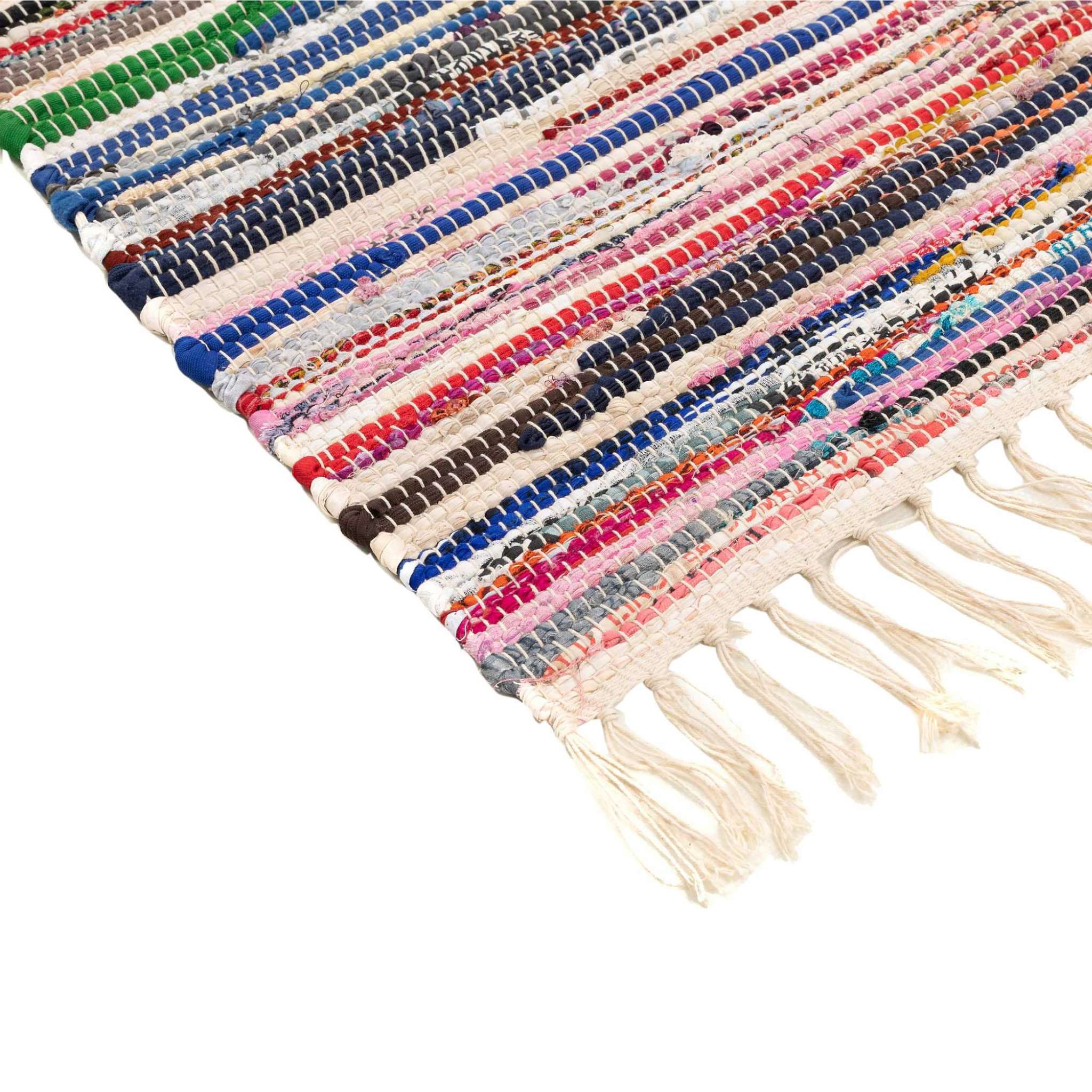
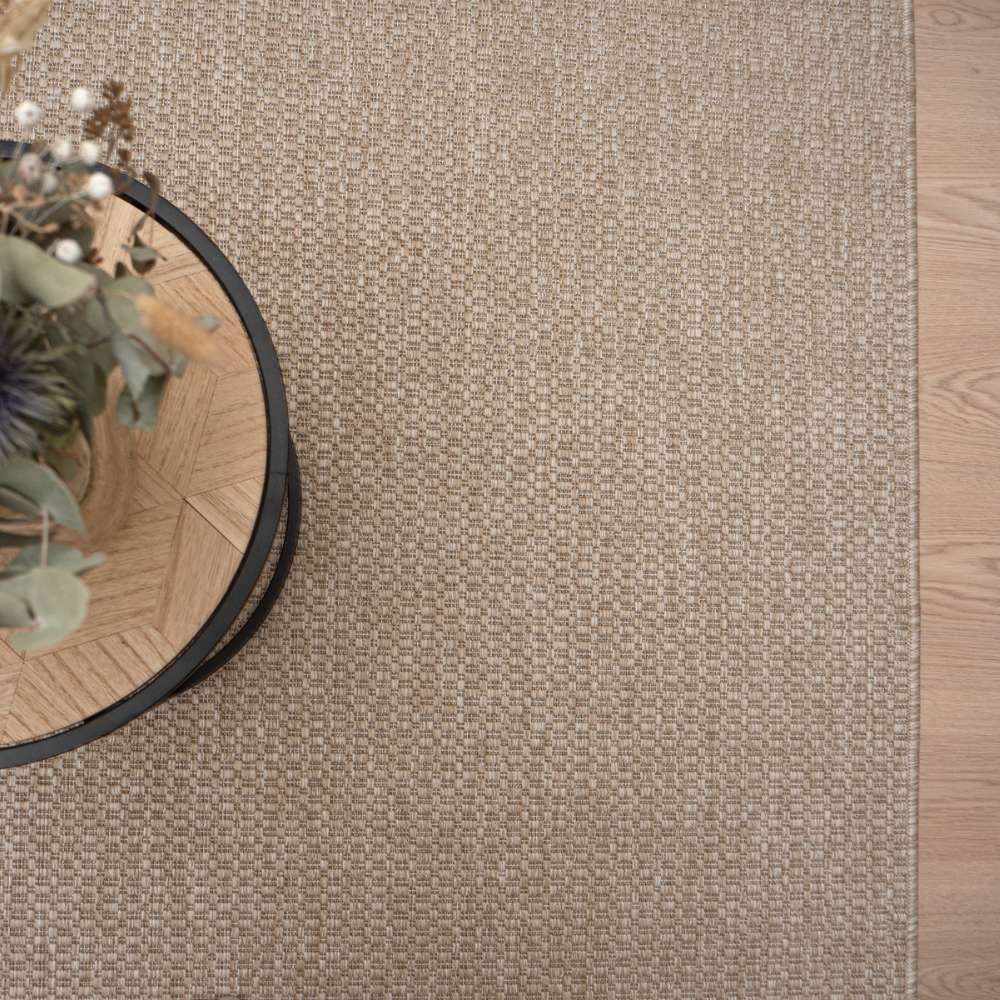
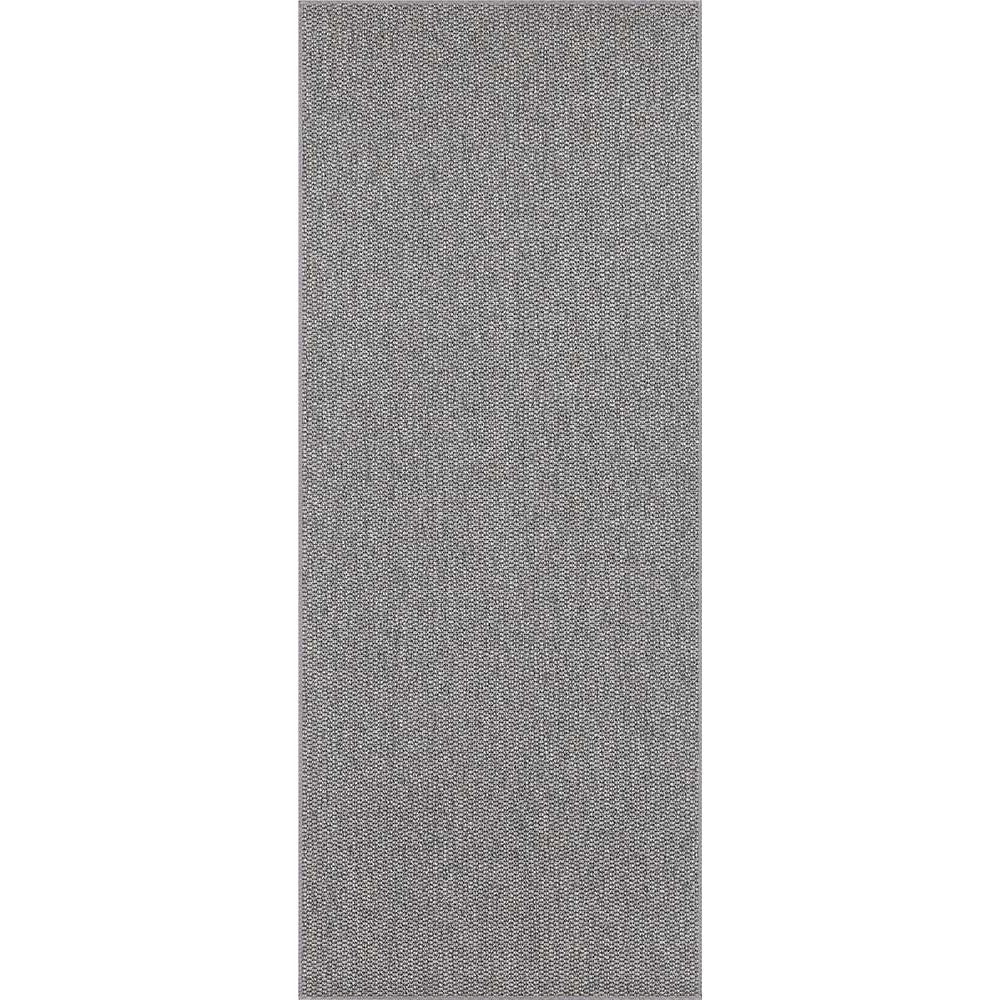
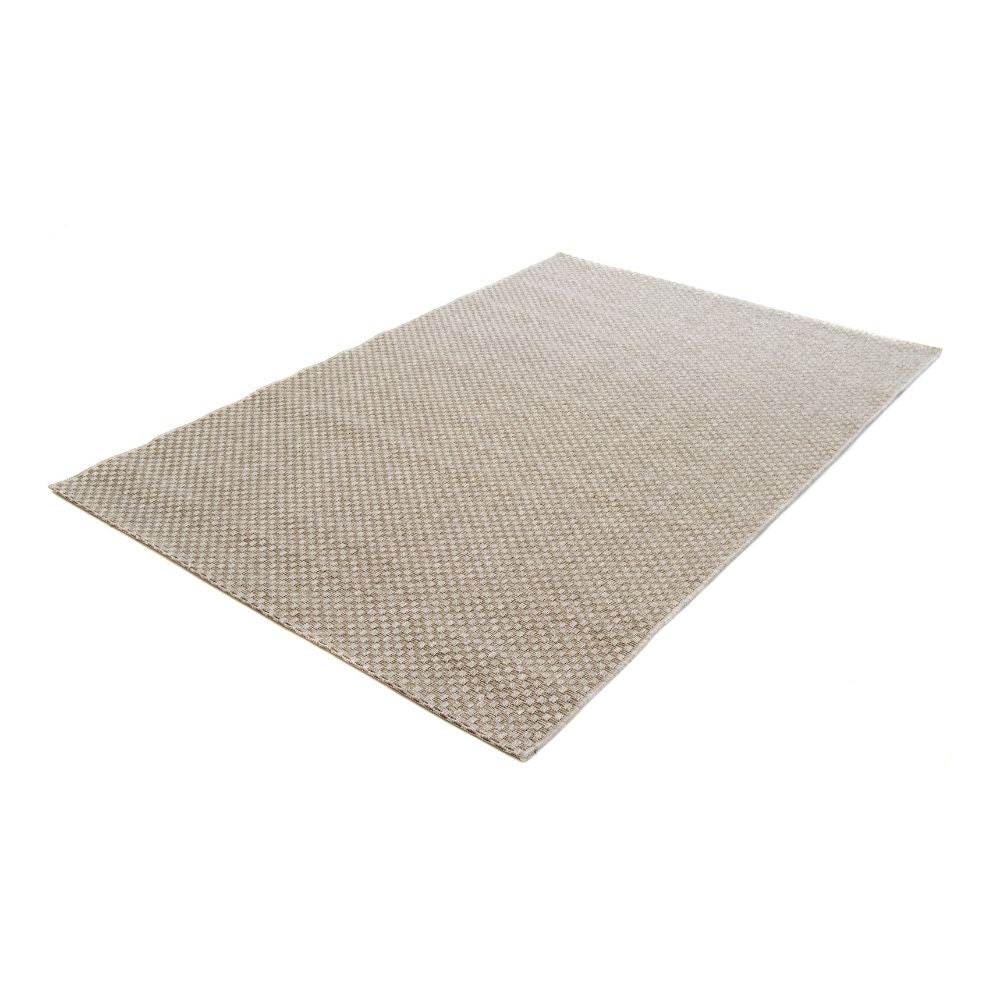
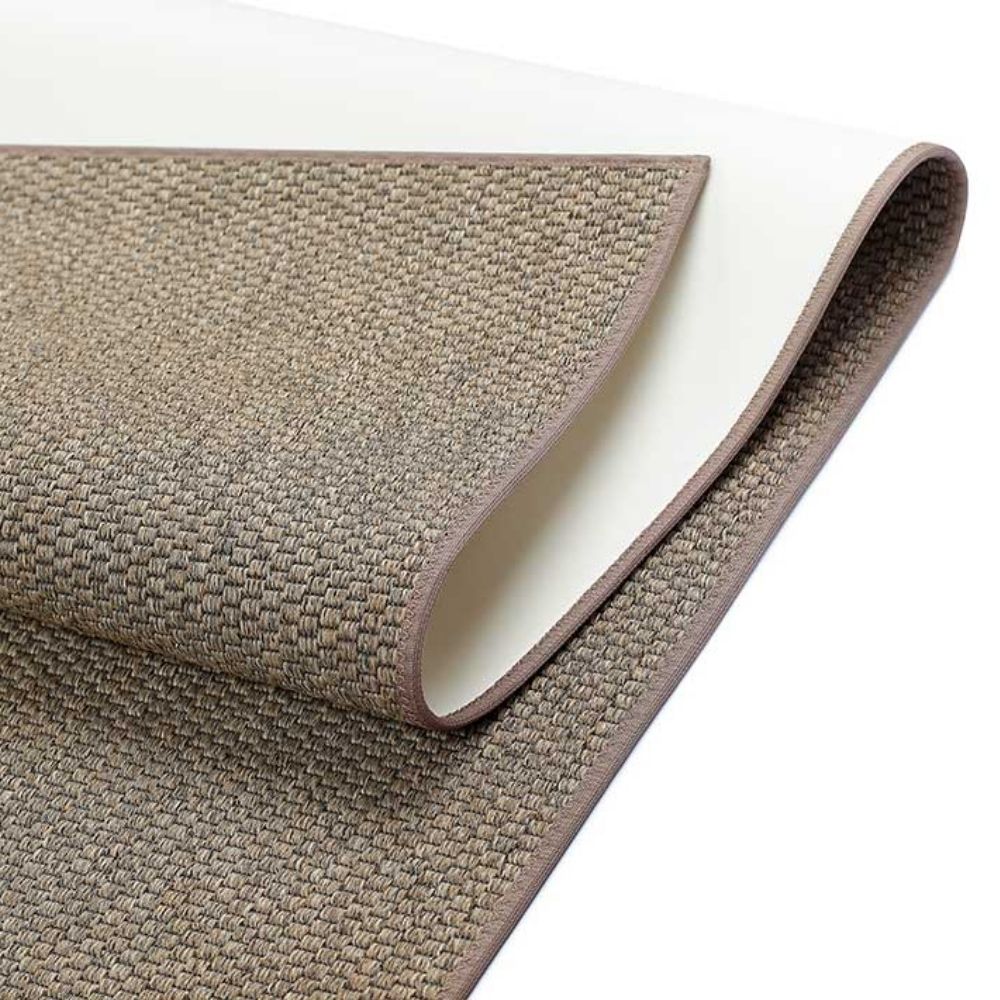
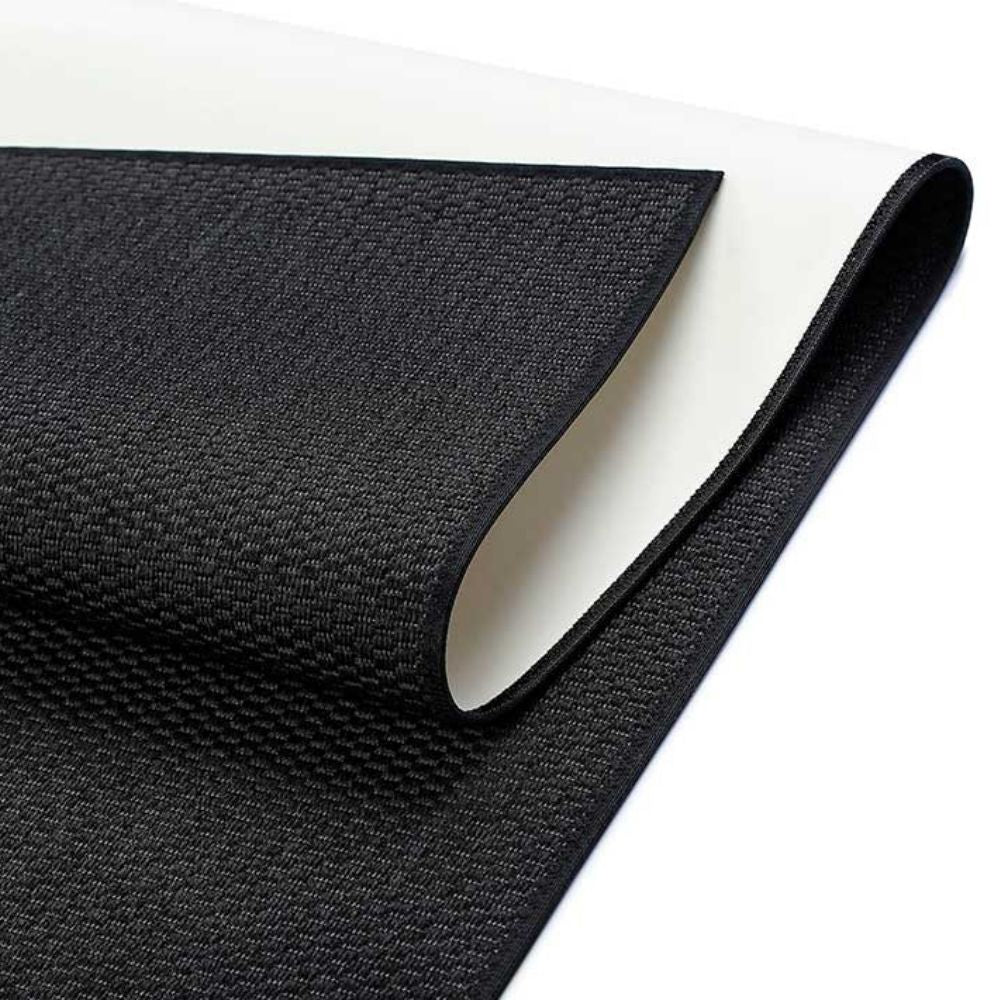
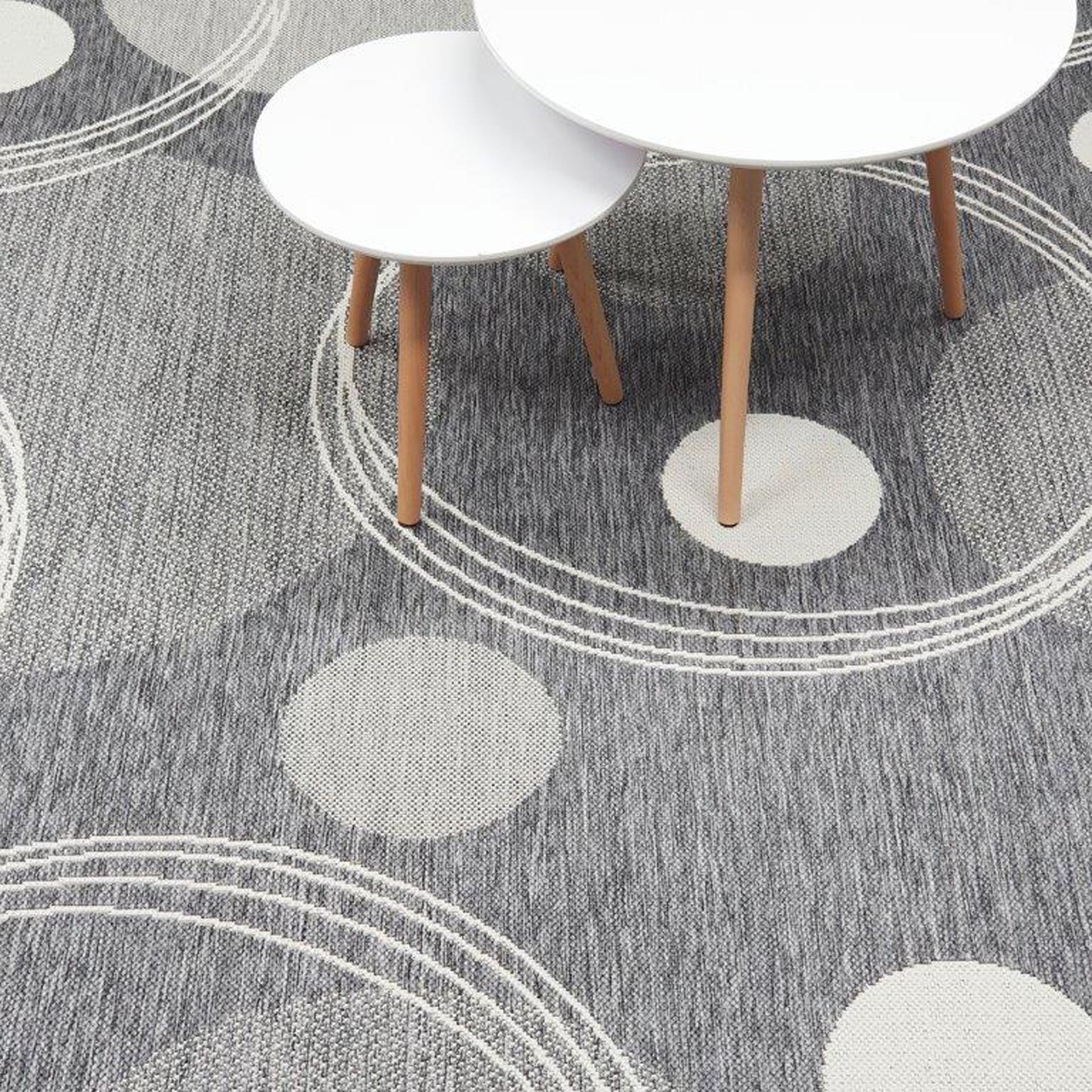
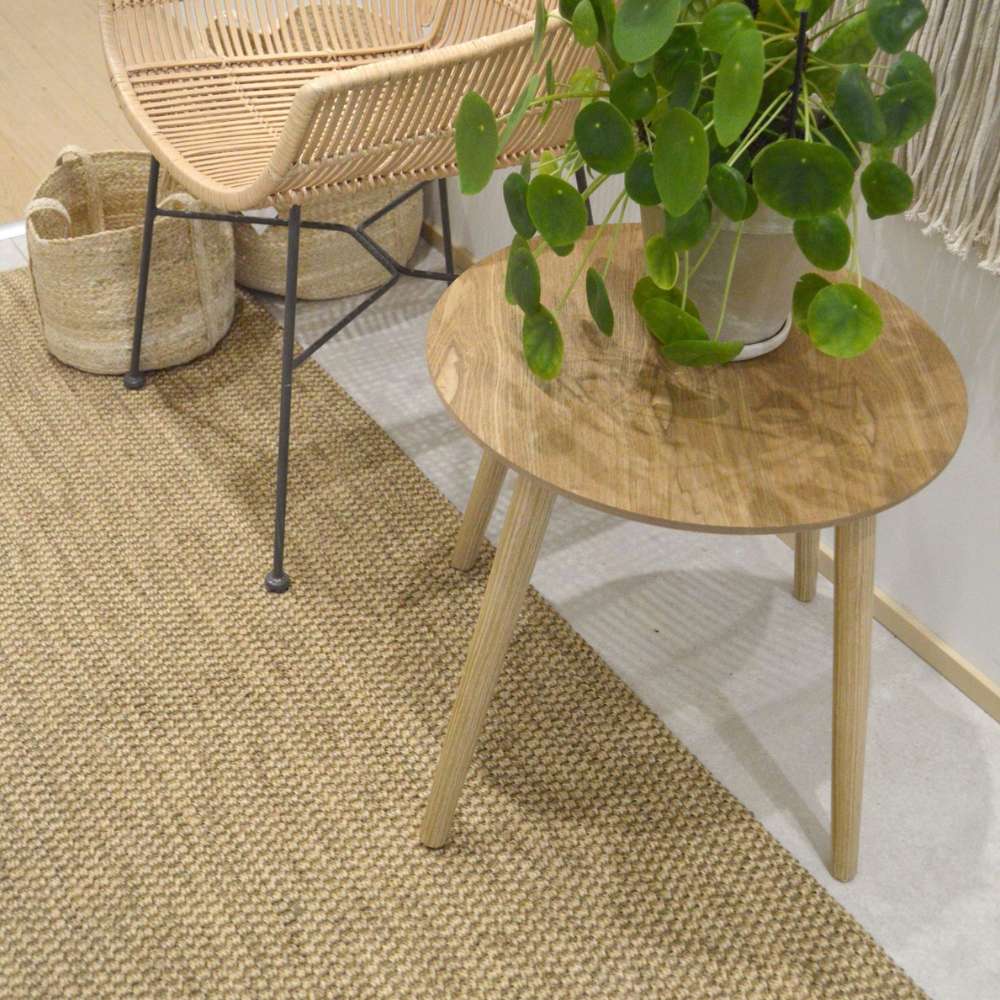
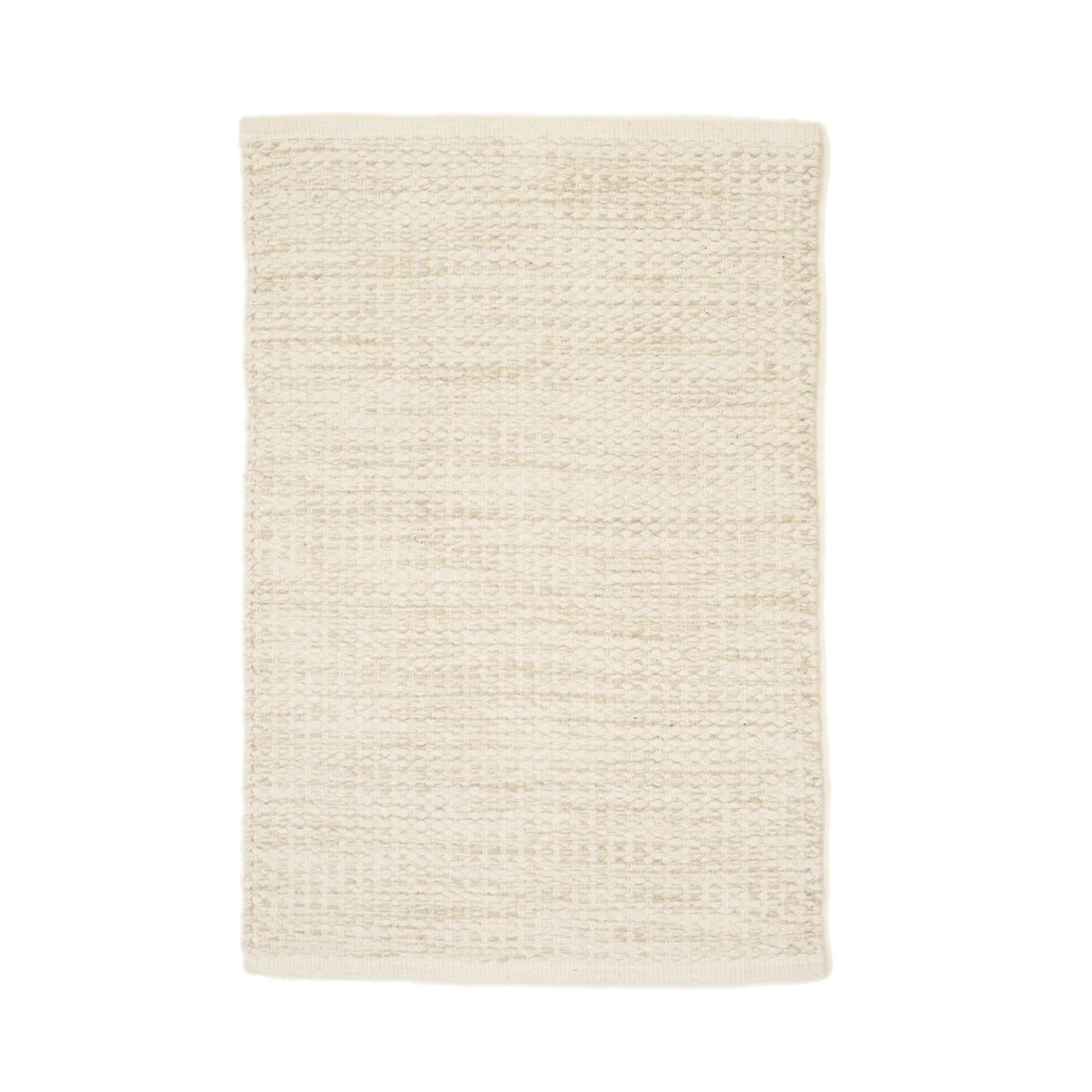
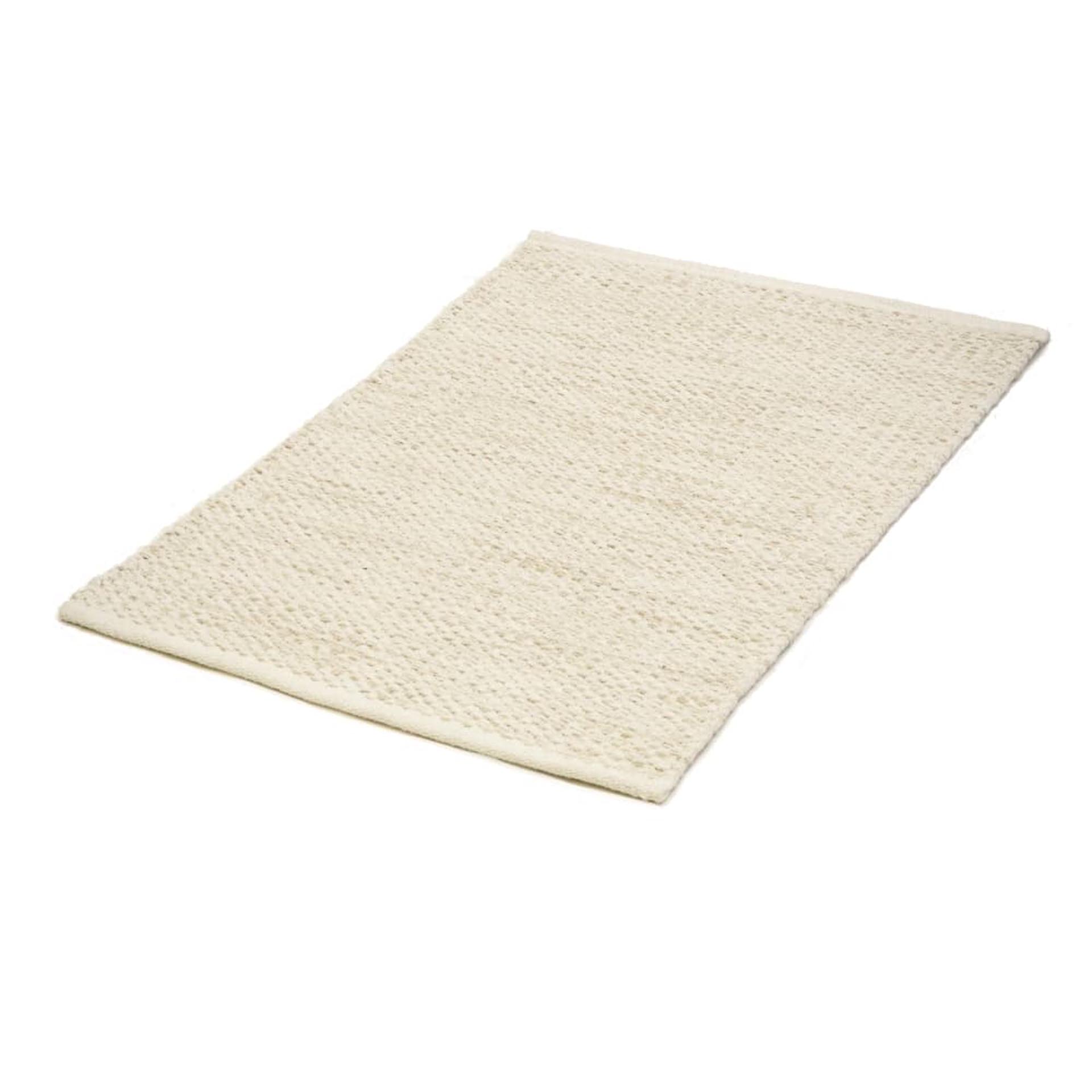
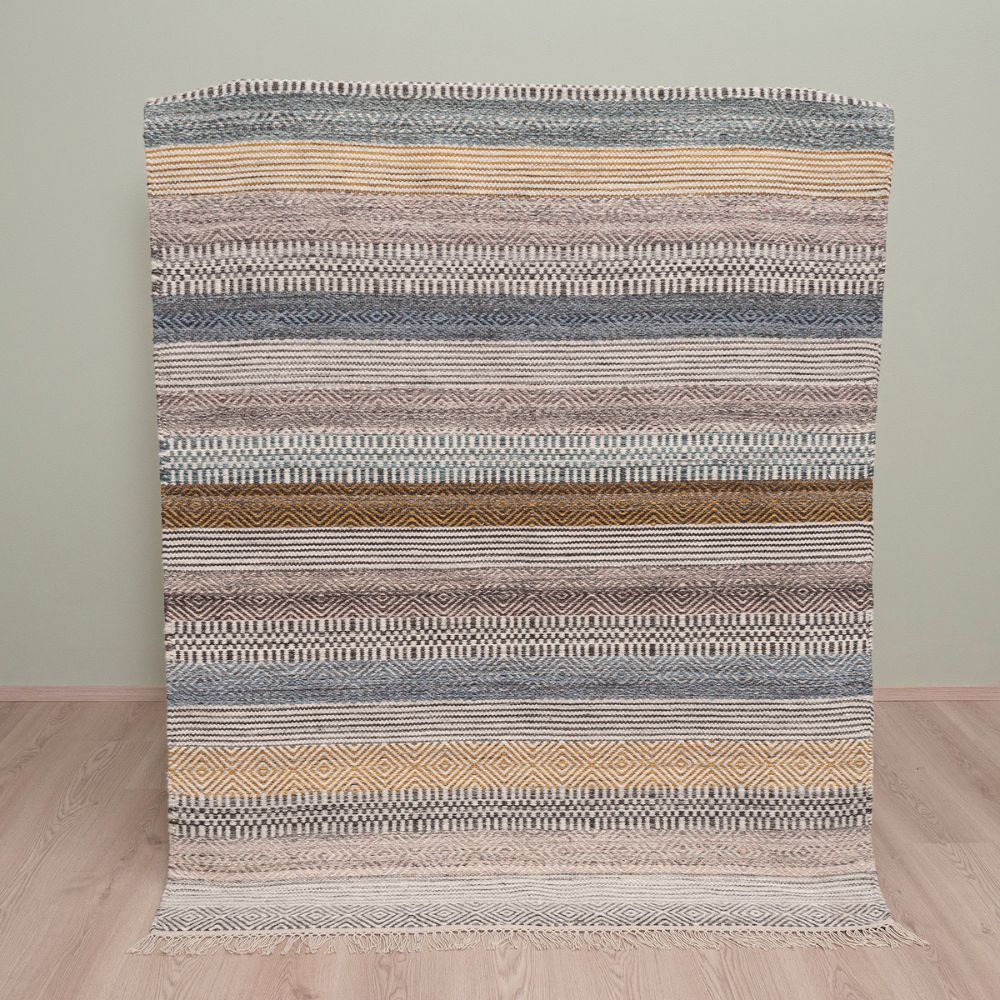
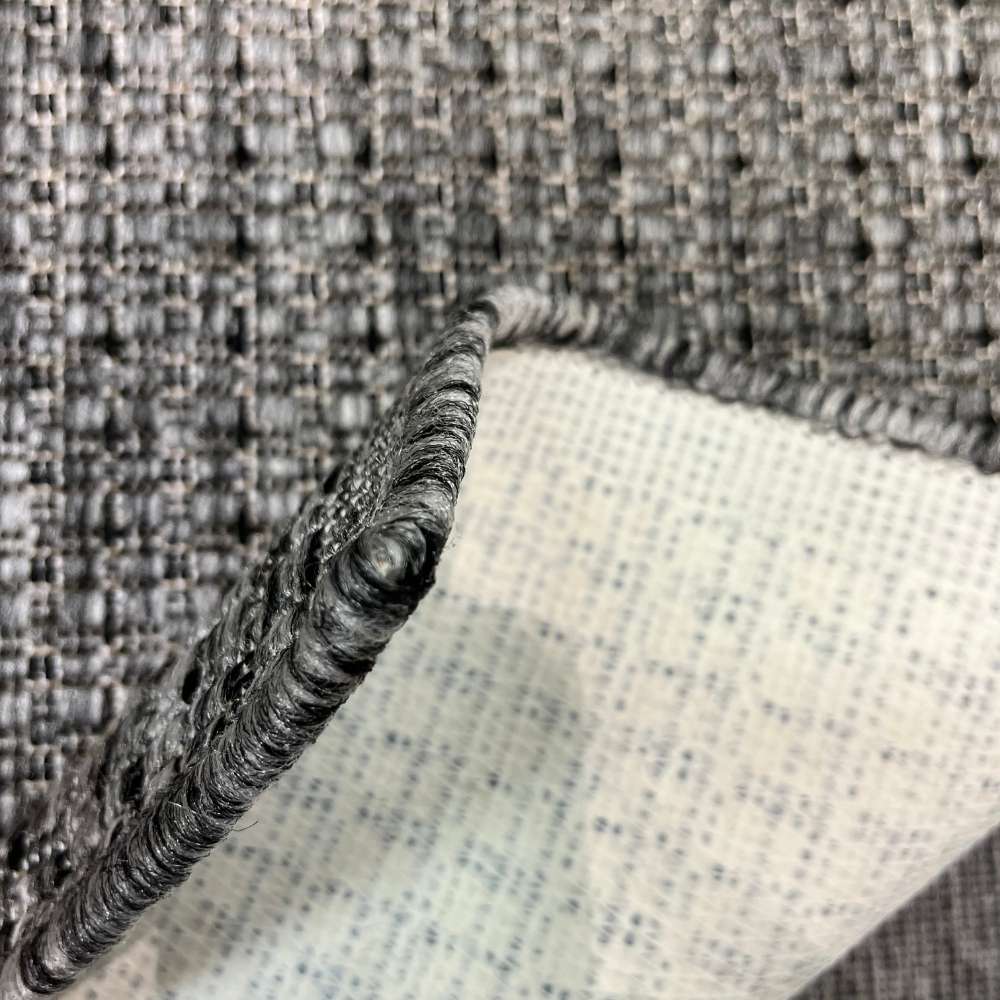
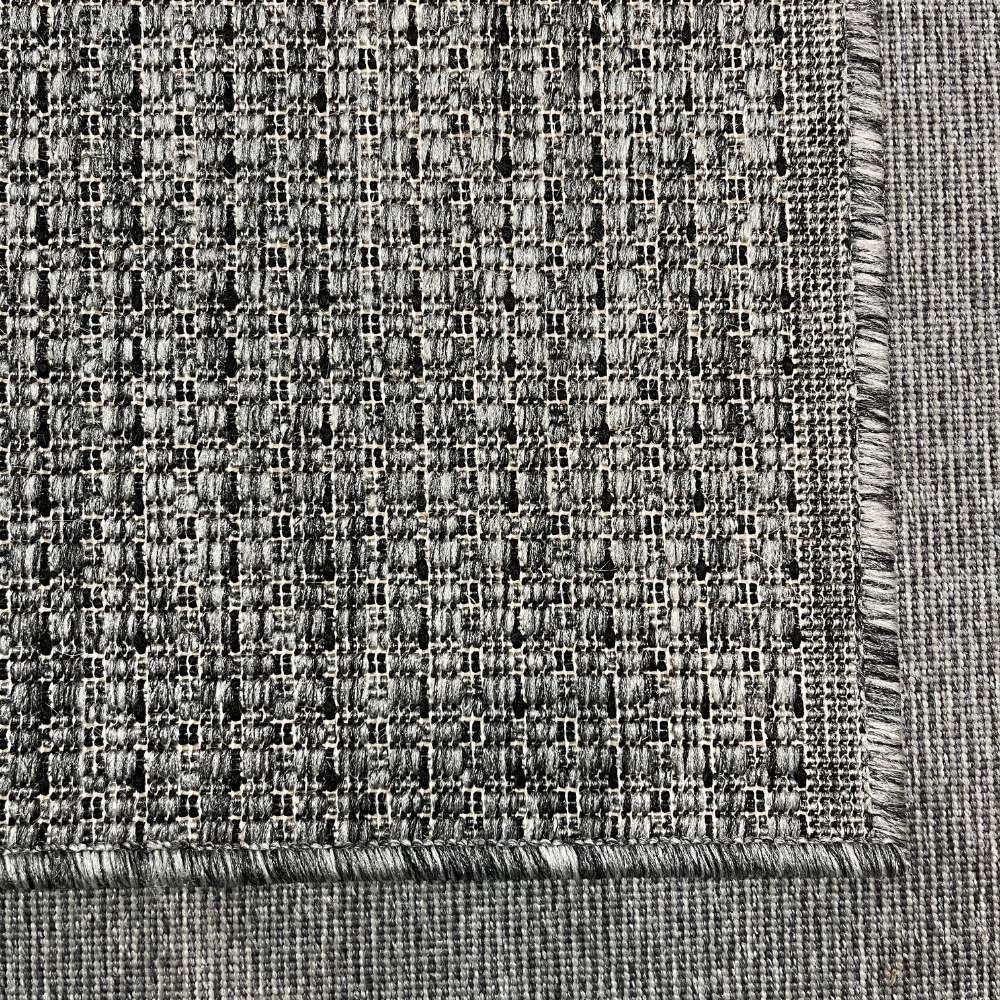
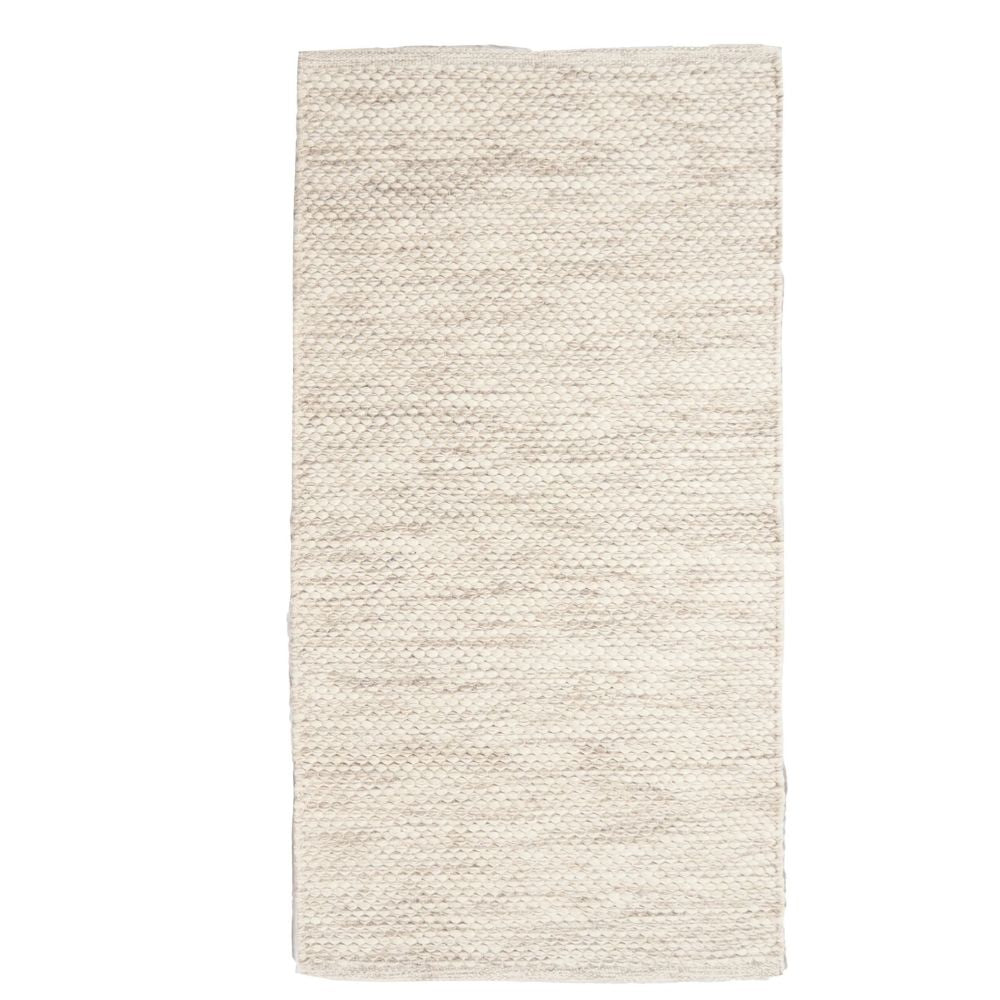
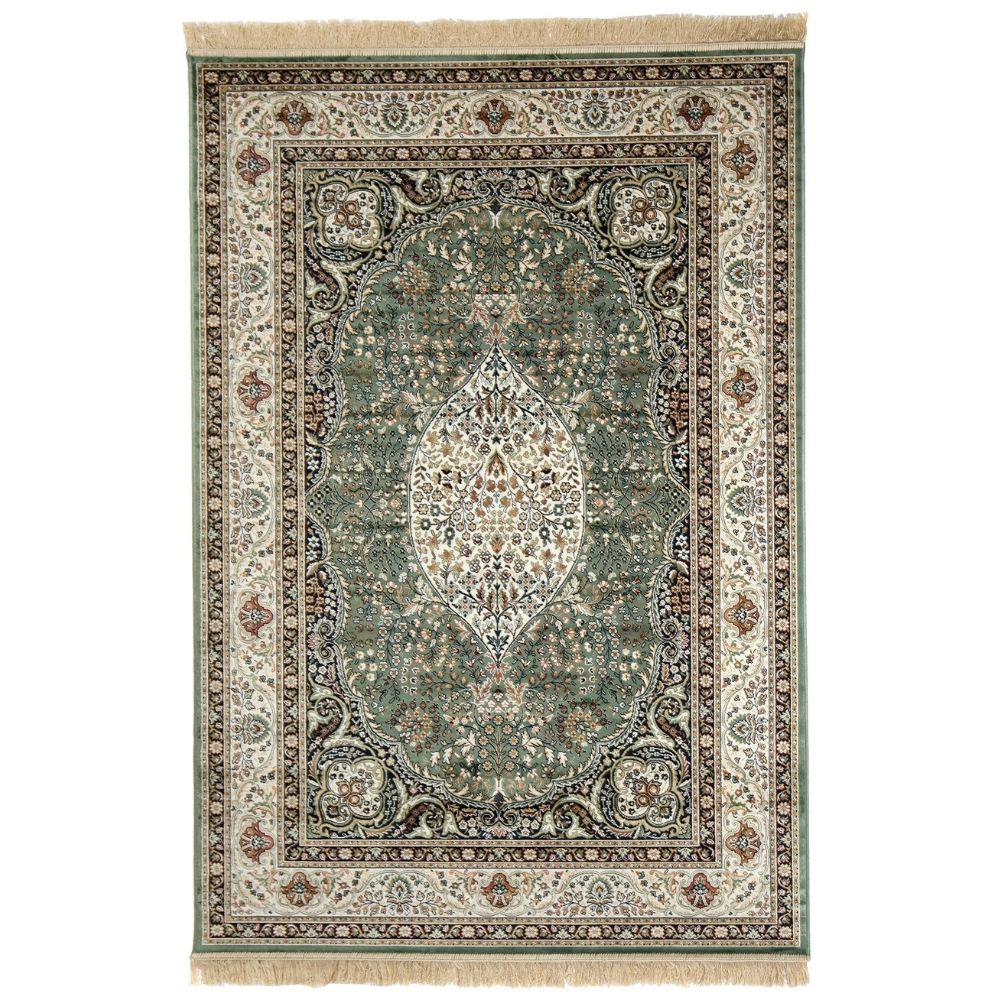
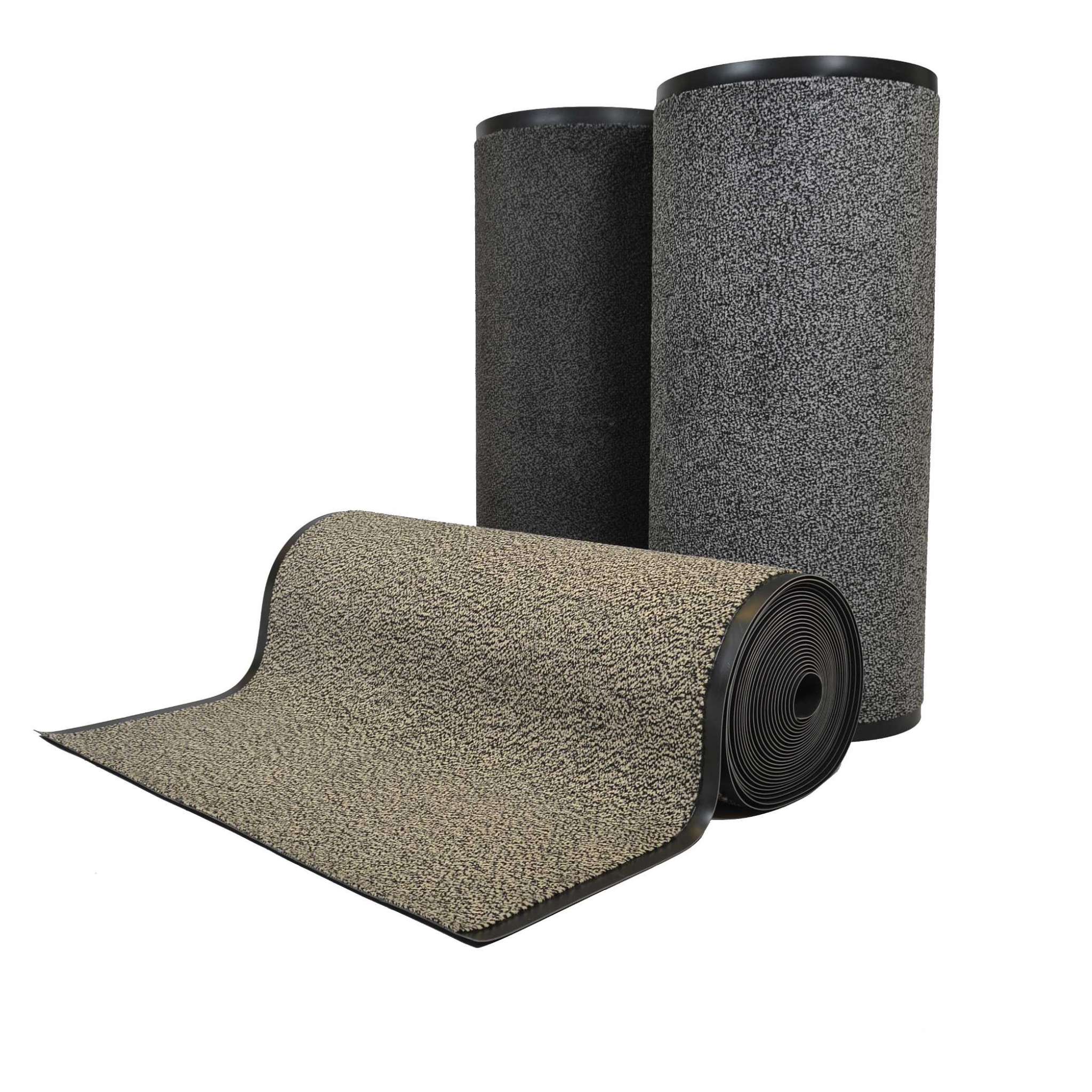
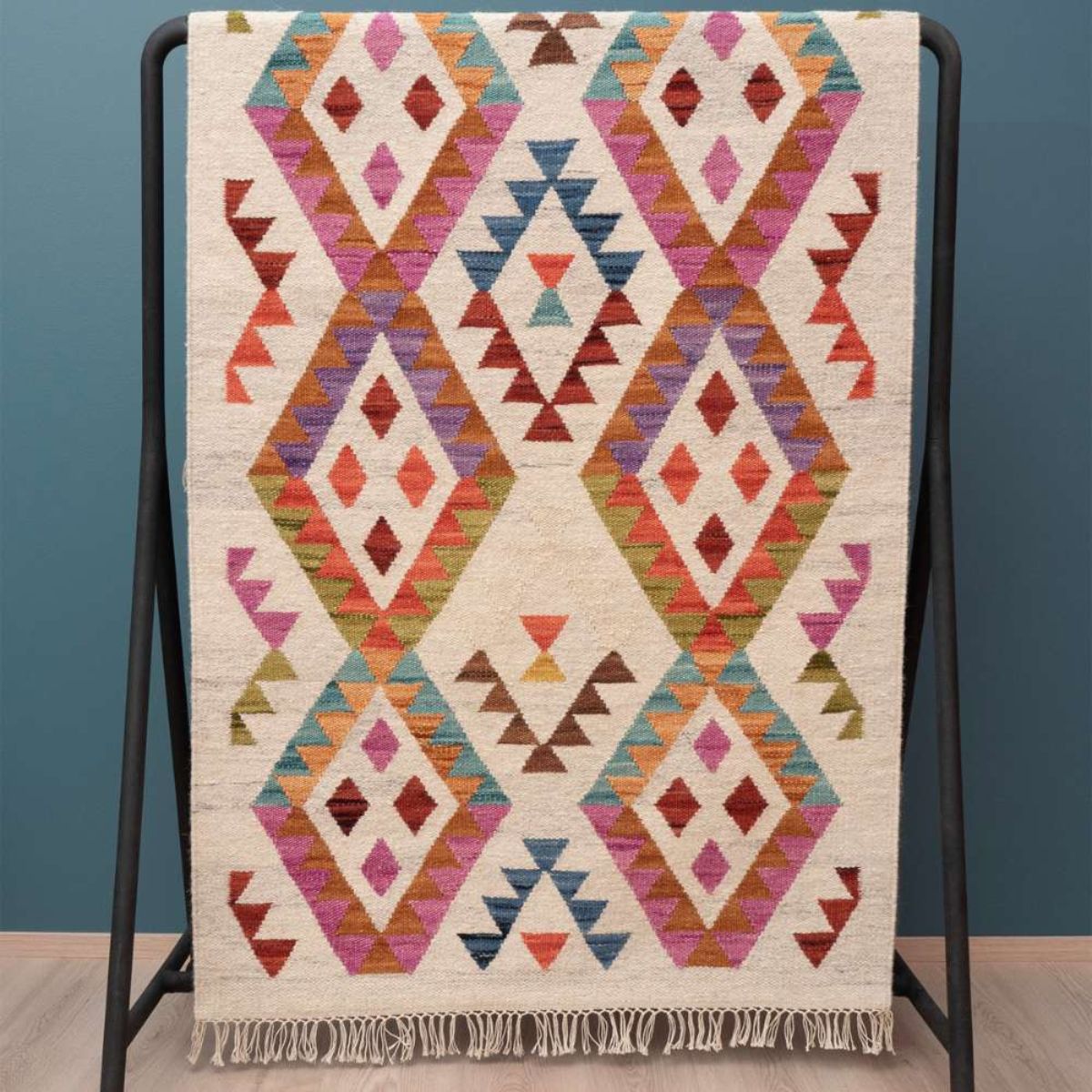
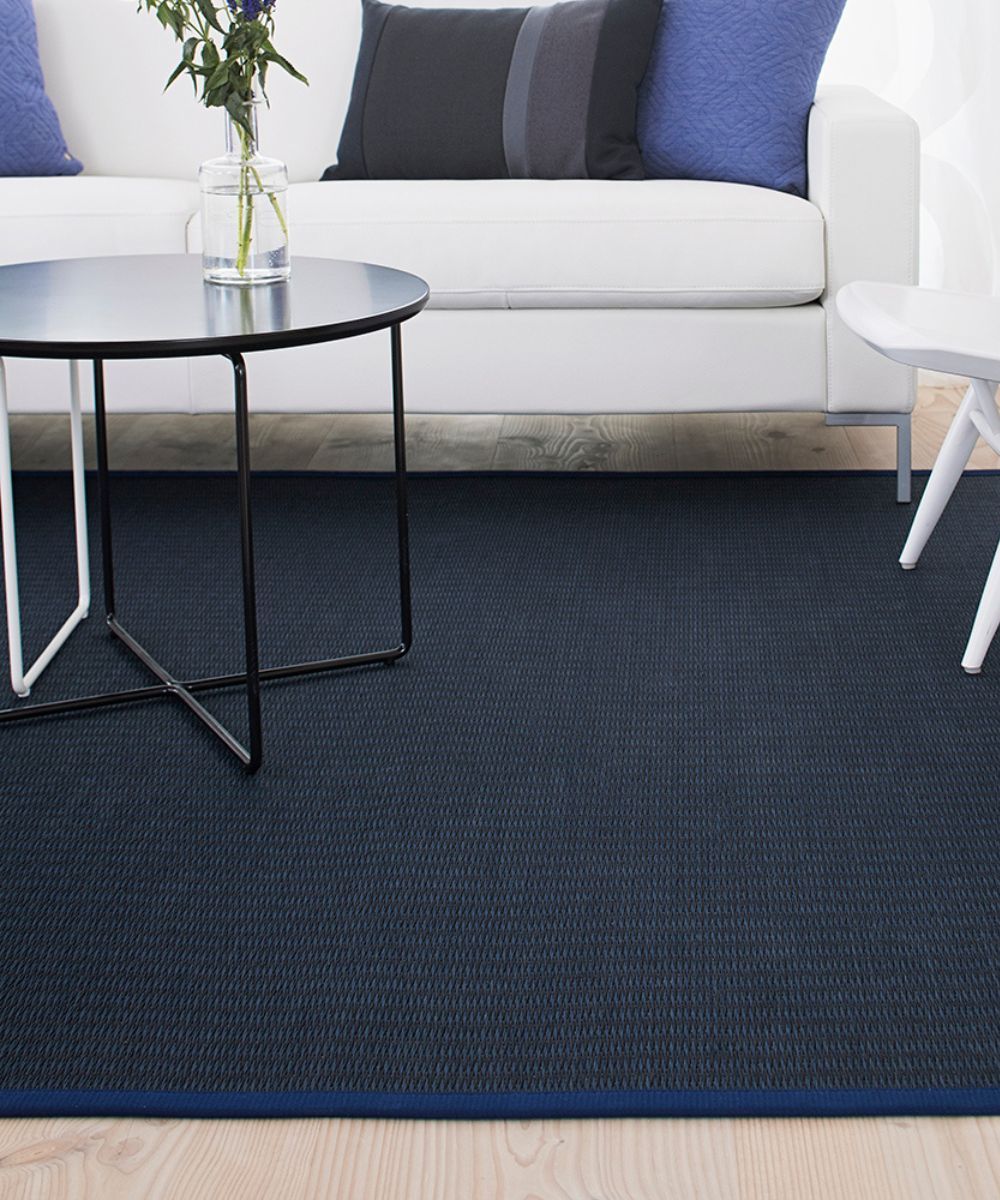
The first product photograph is usually designed to present the rug clearly, but it does not show how the rug will look at every distance, in different lighting conditions or as part of a furnished room.
Review all available images and check:
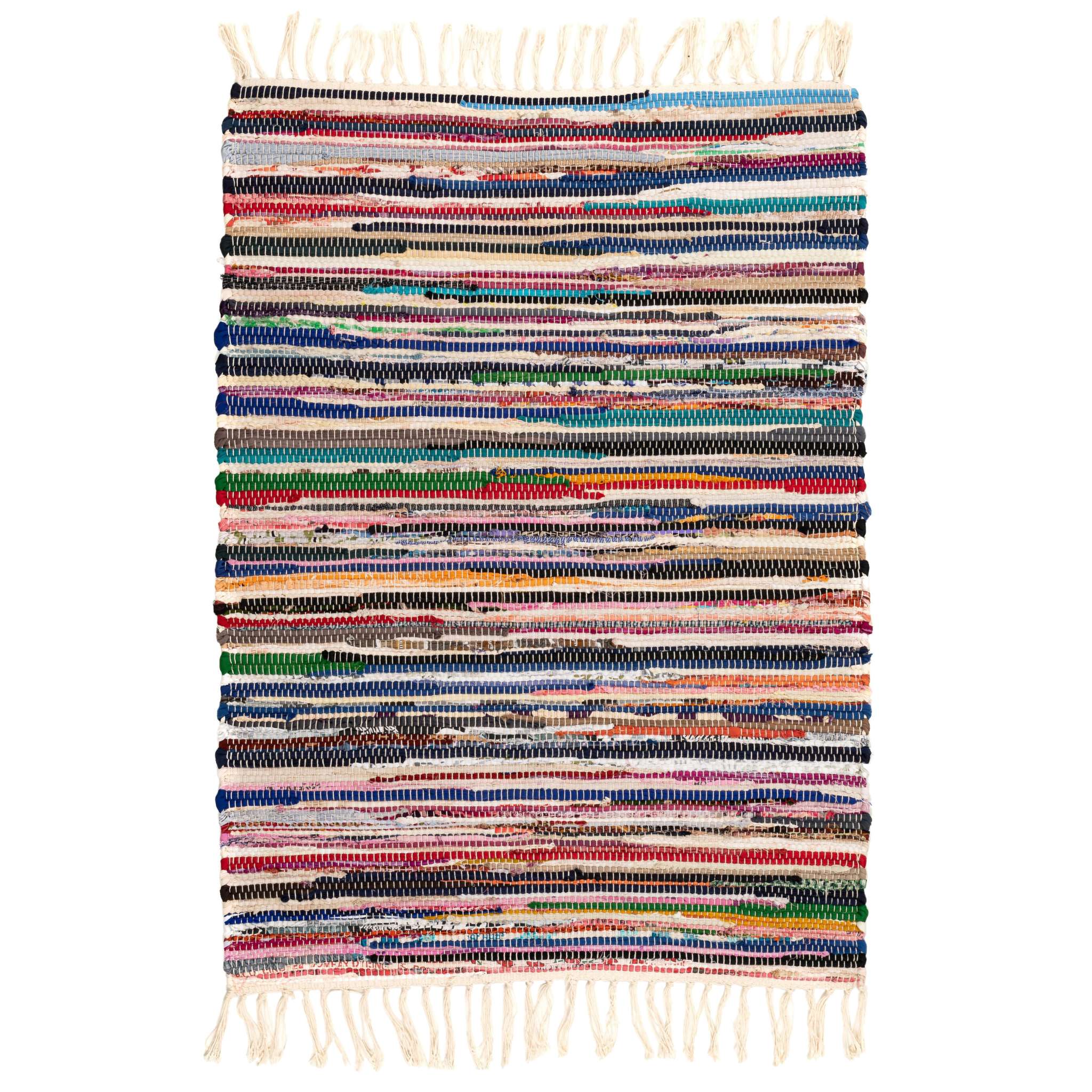
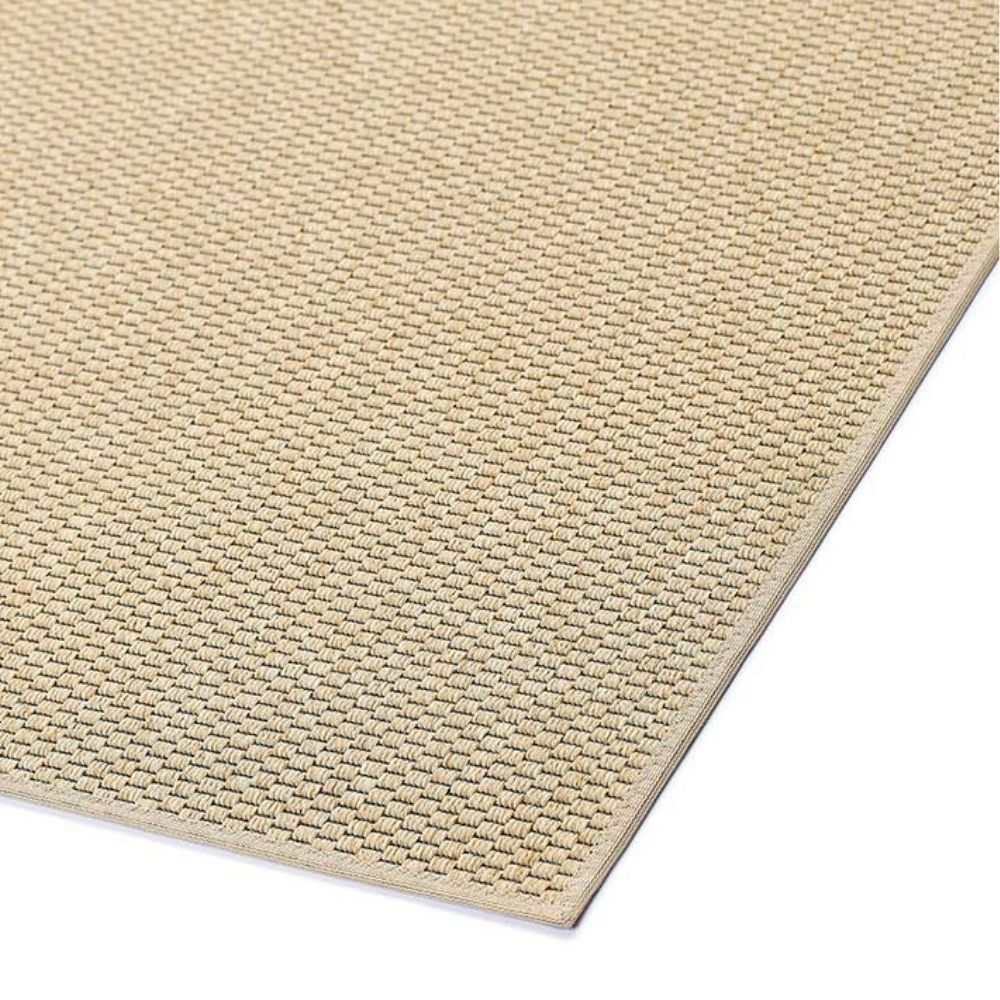
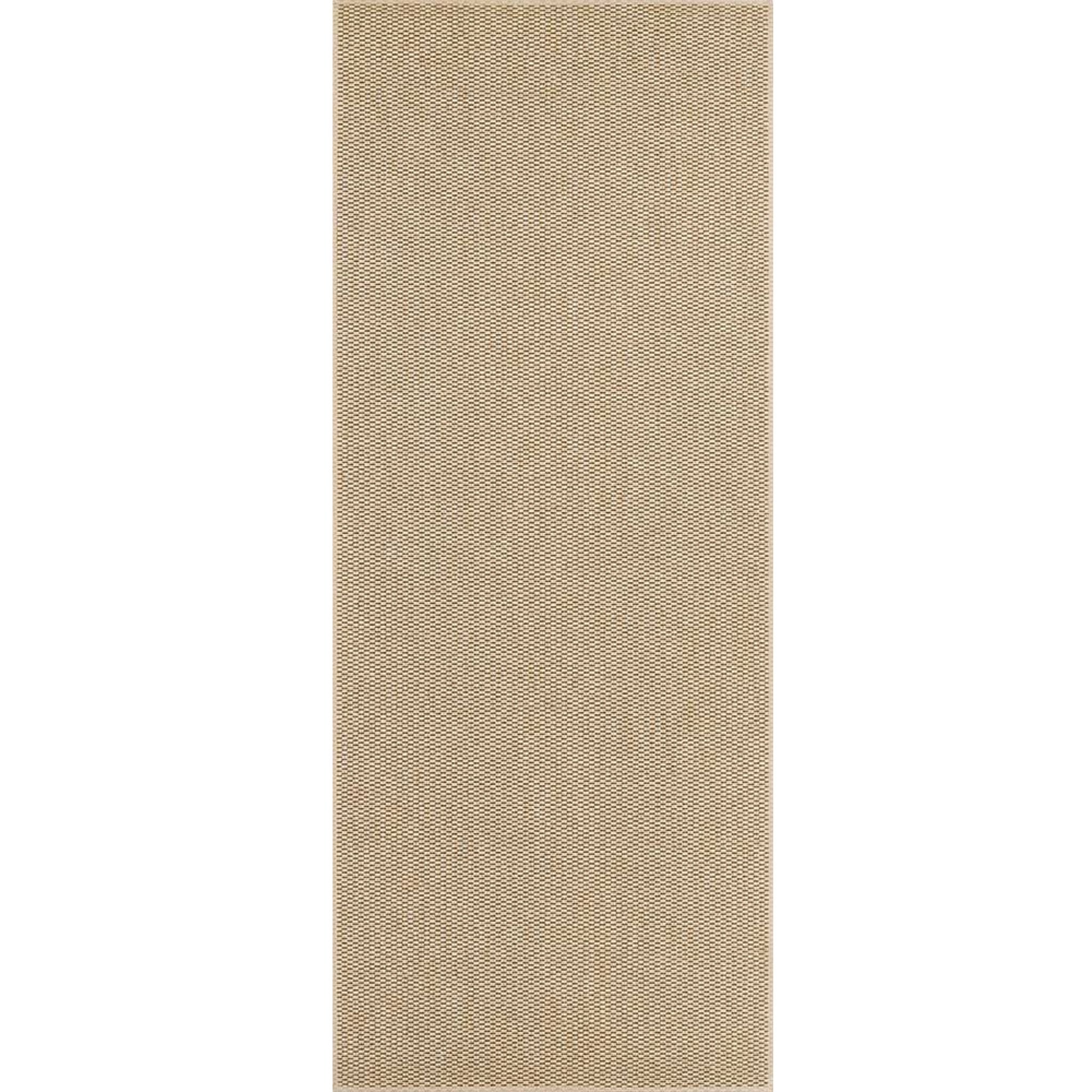
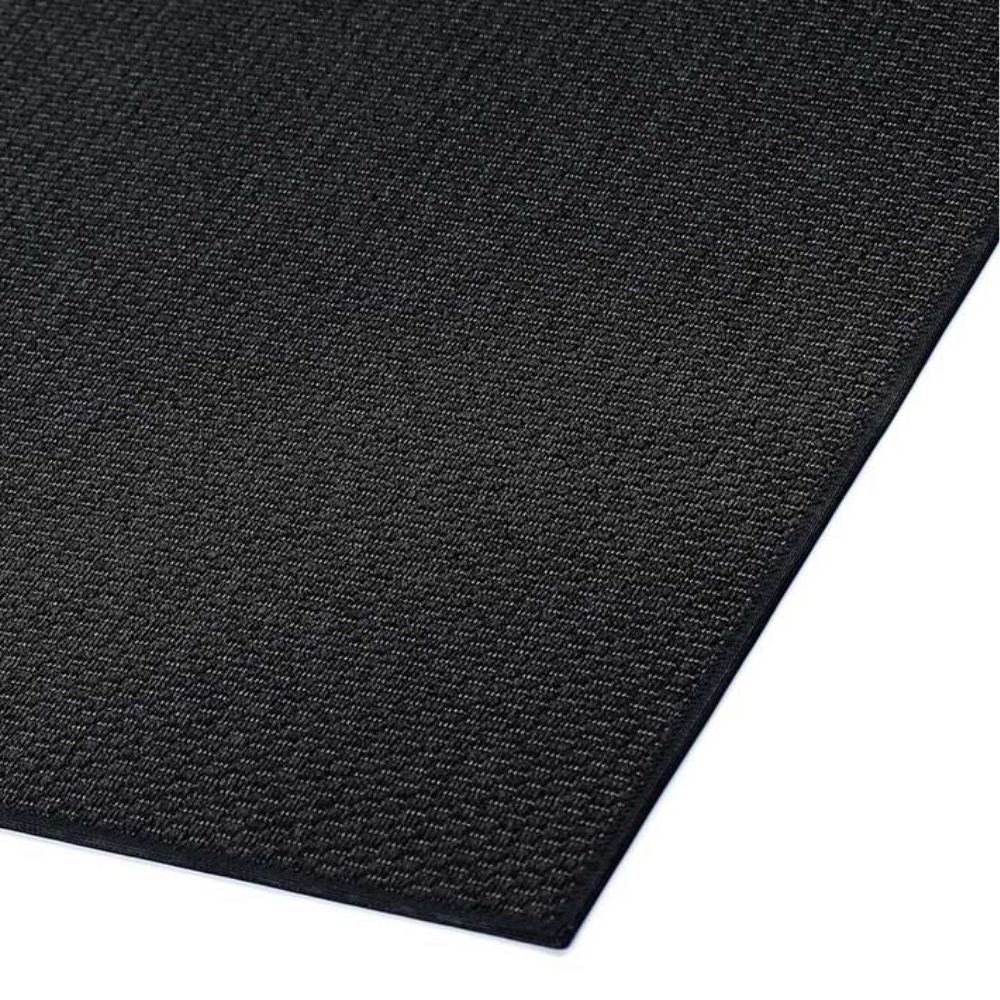
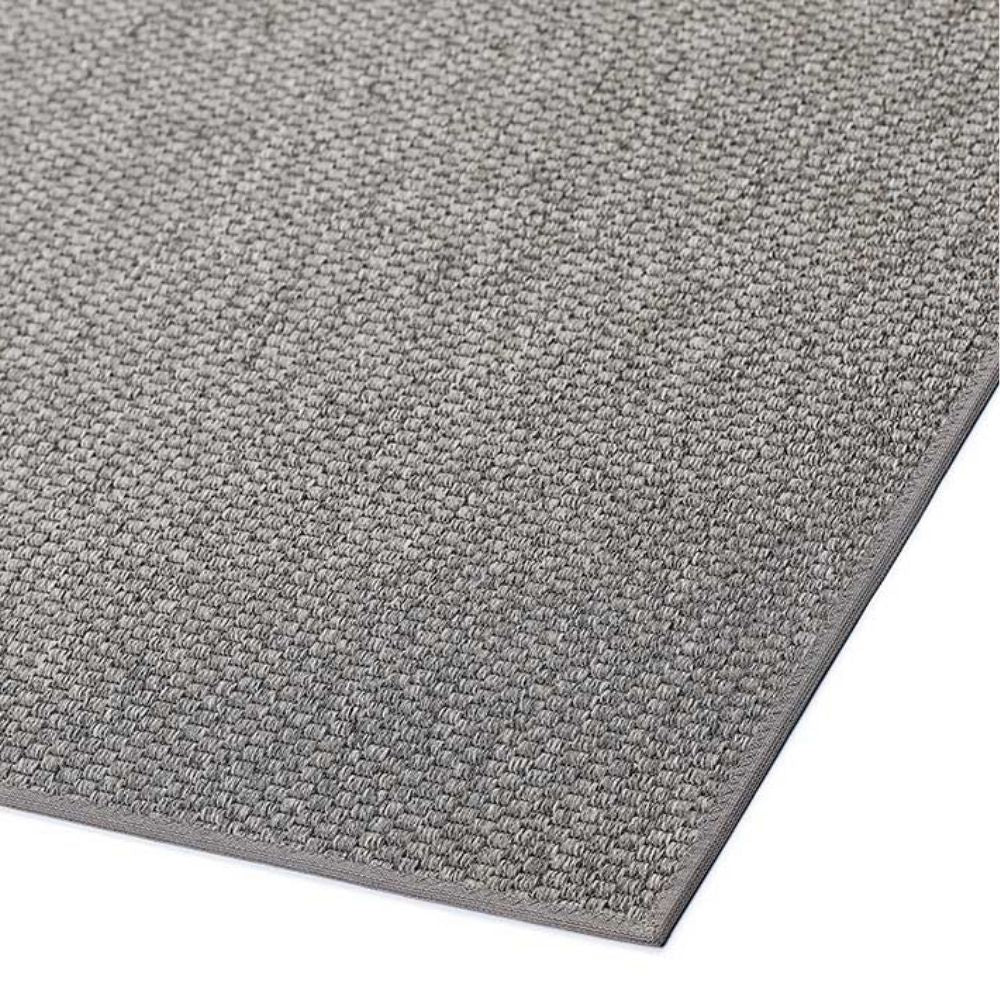
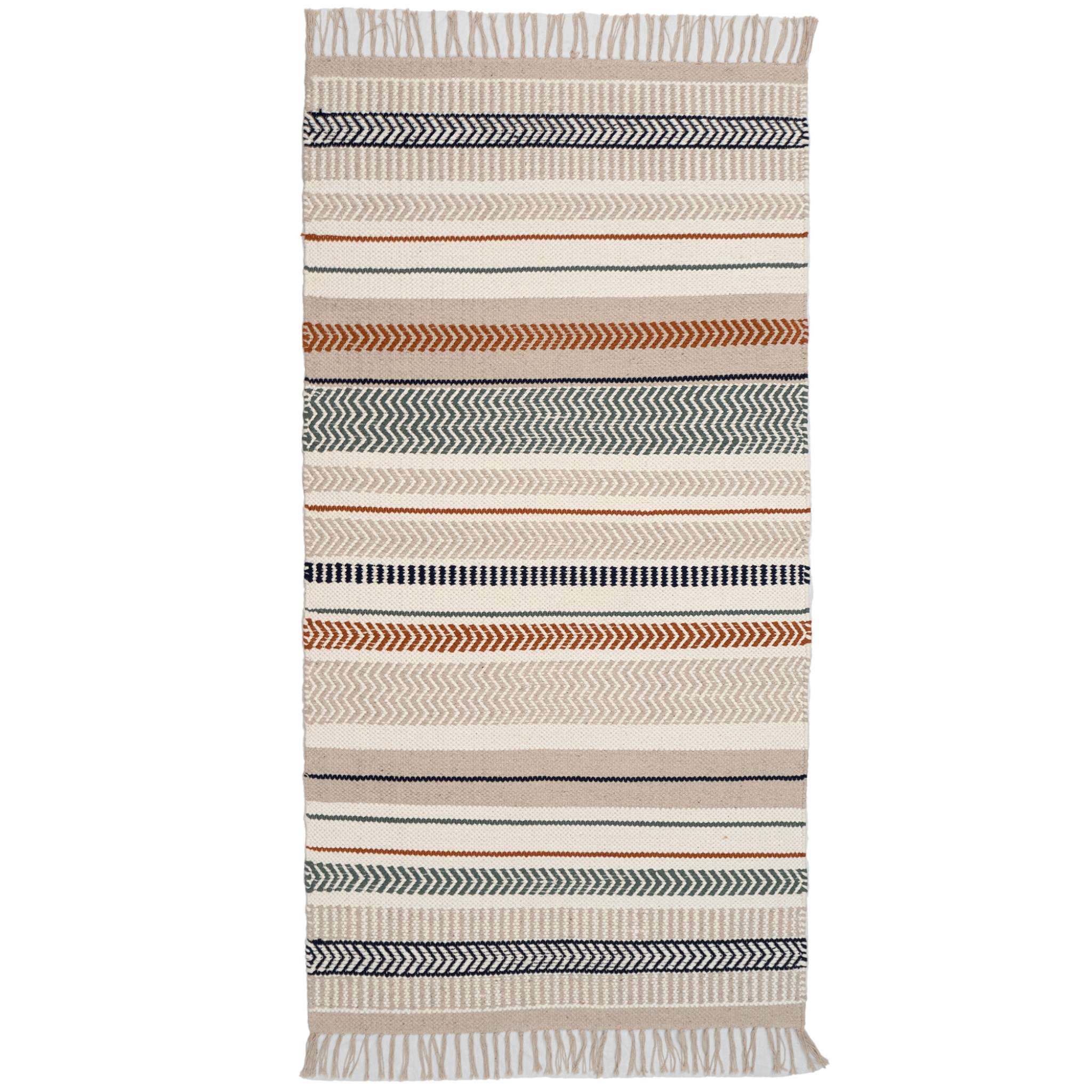
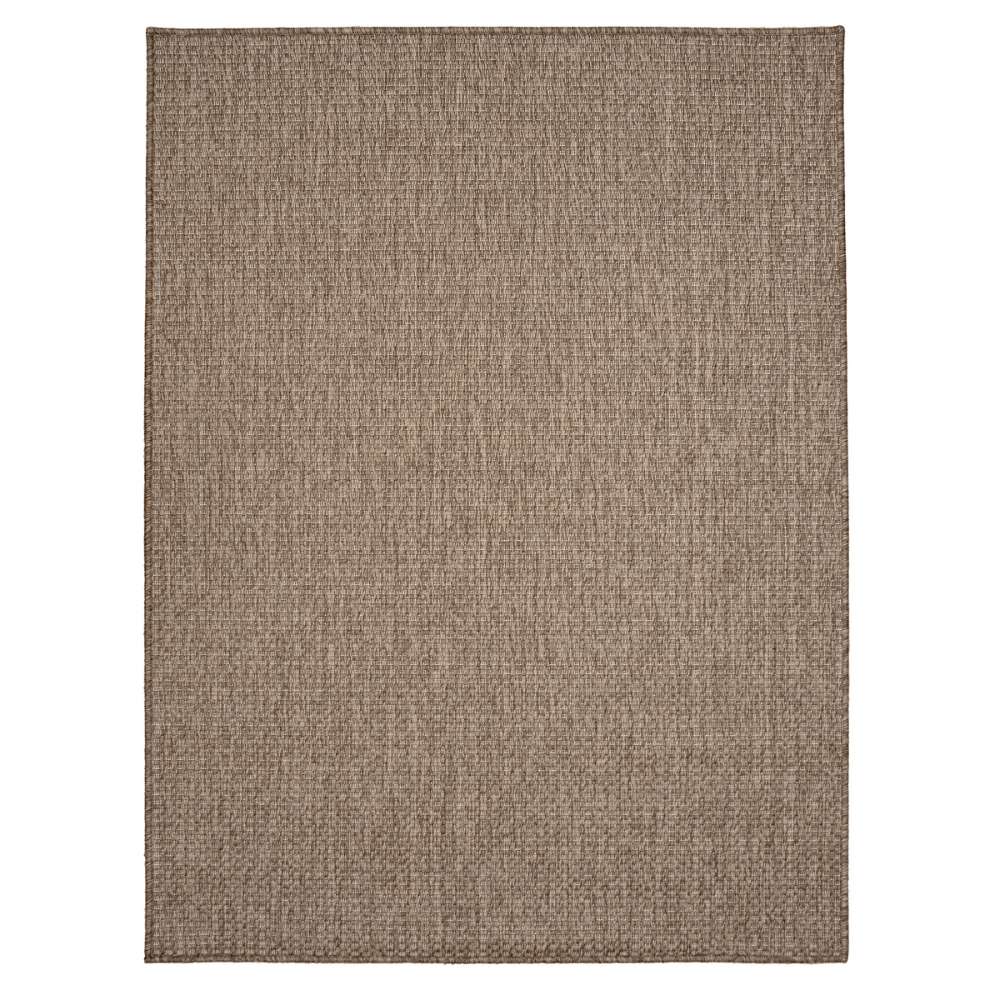
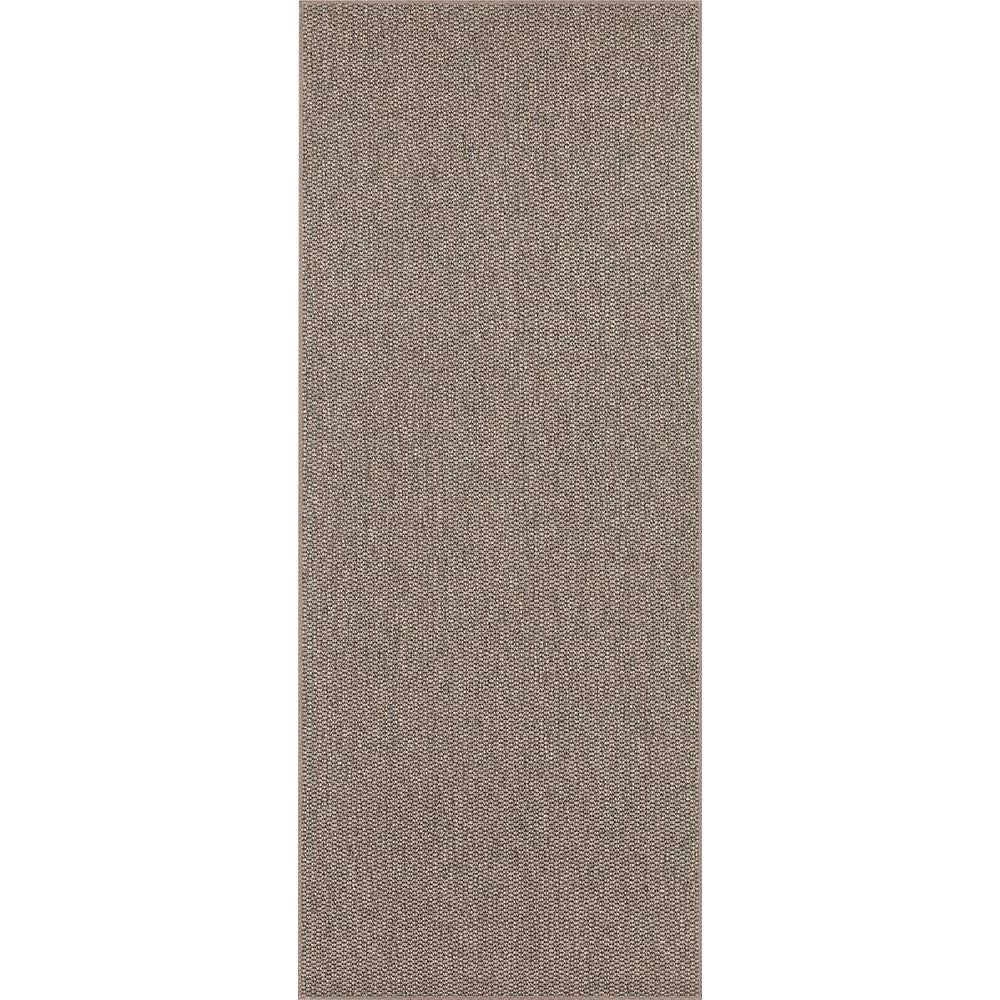
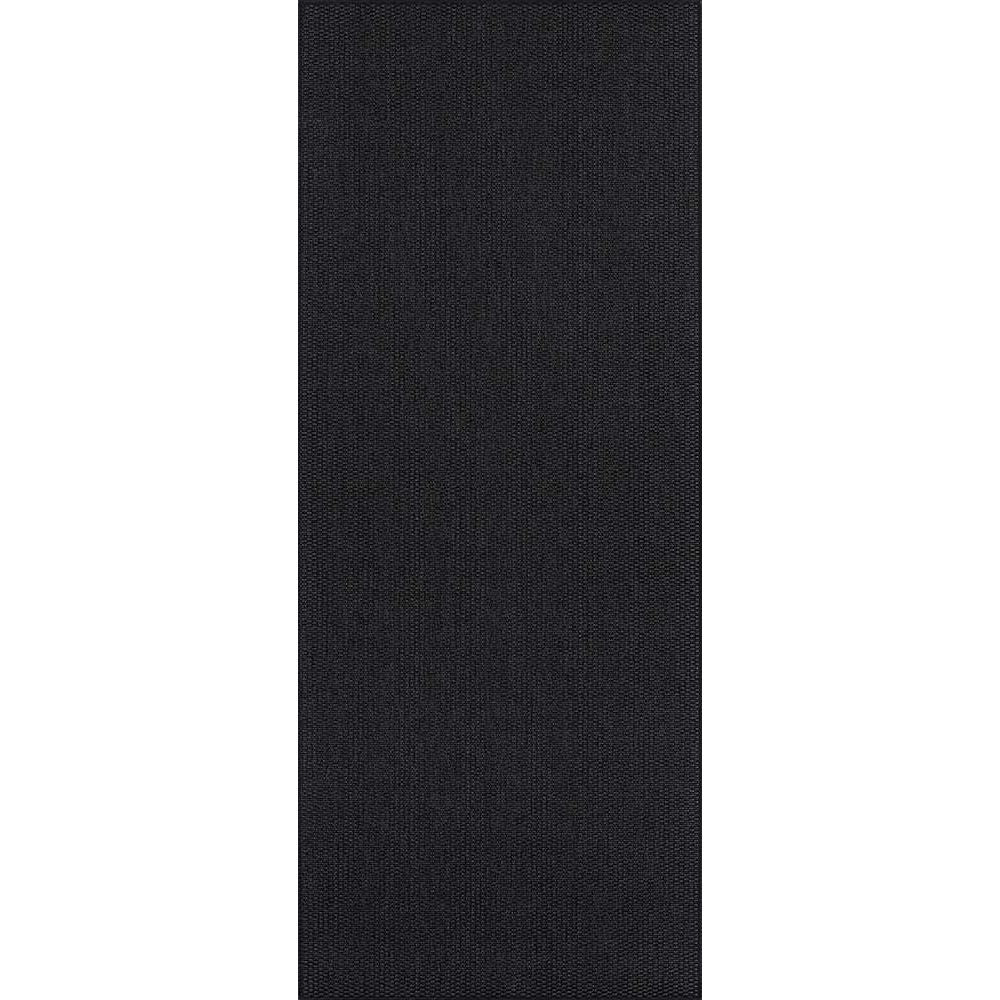
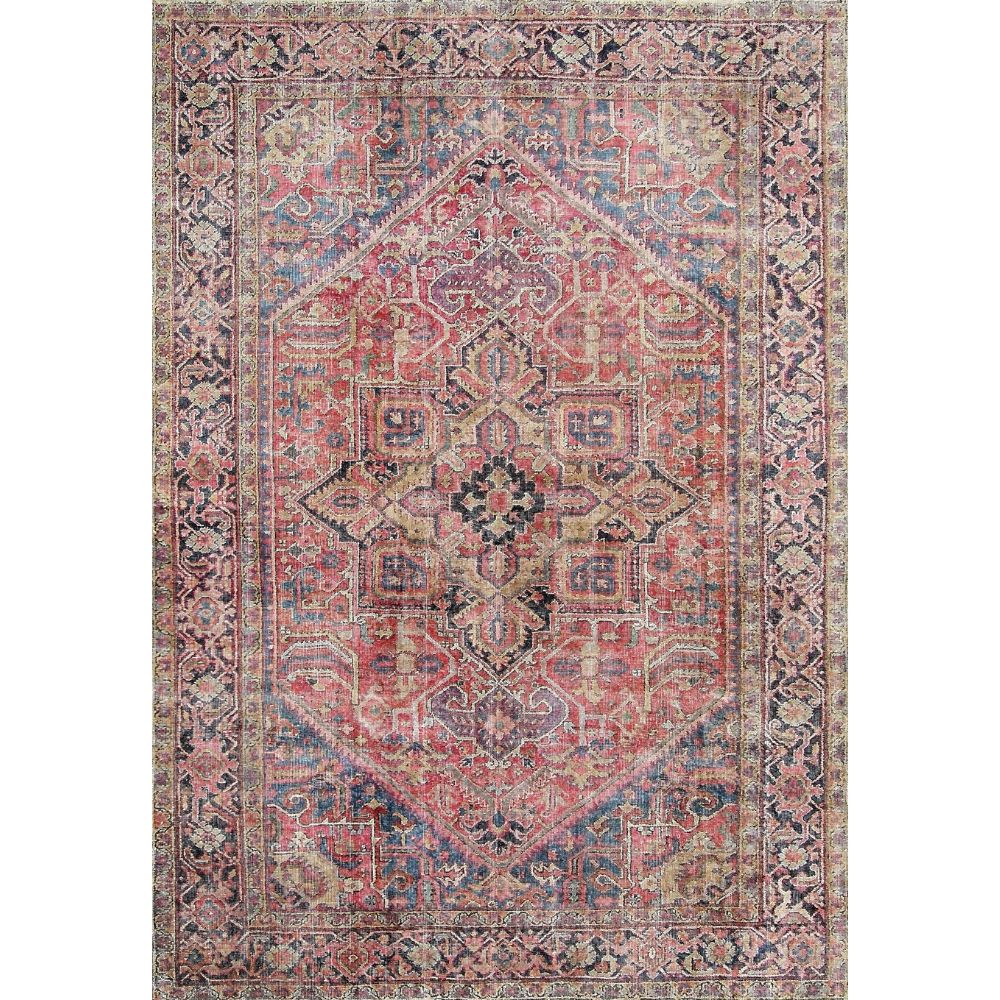
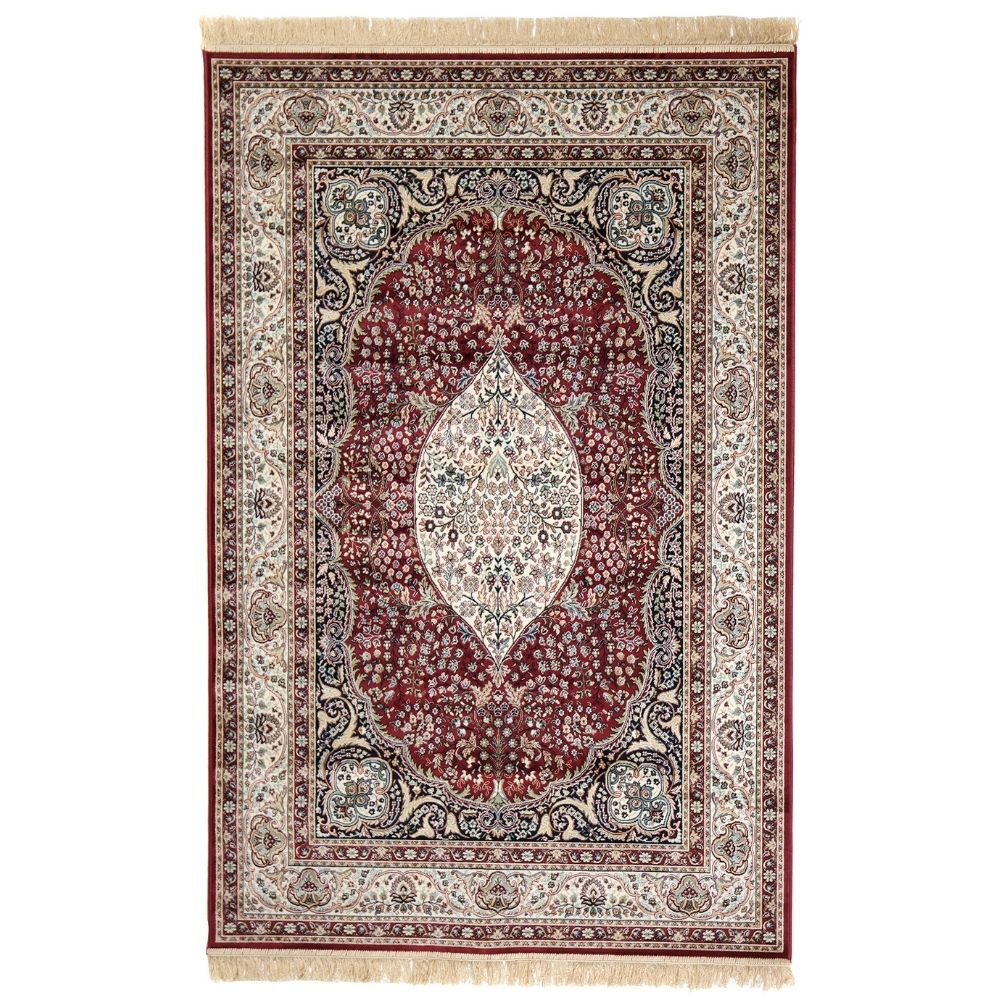
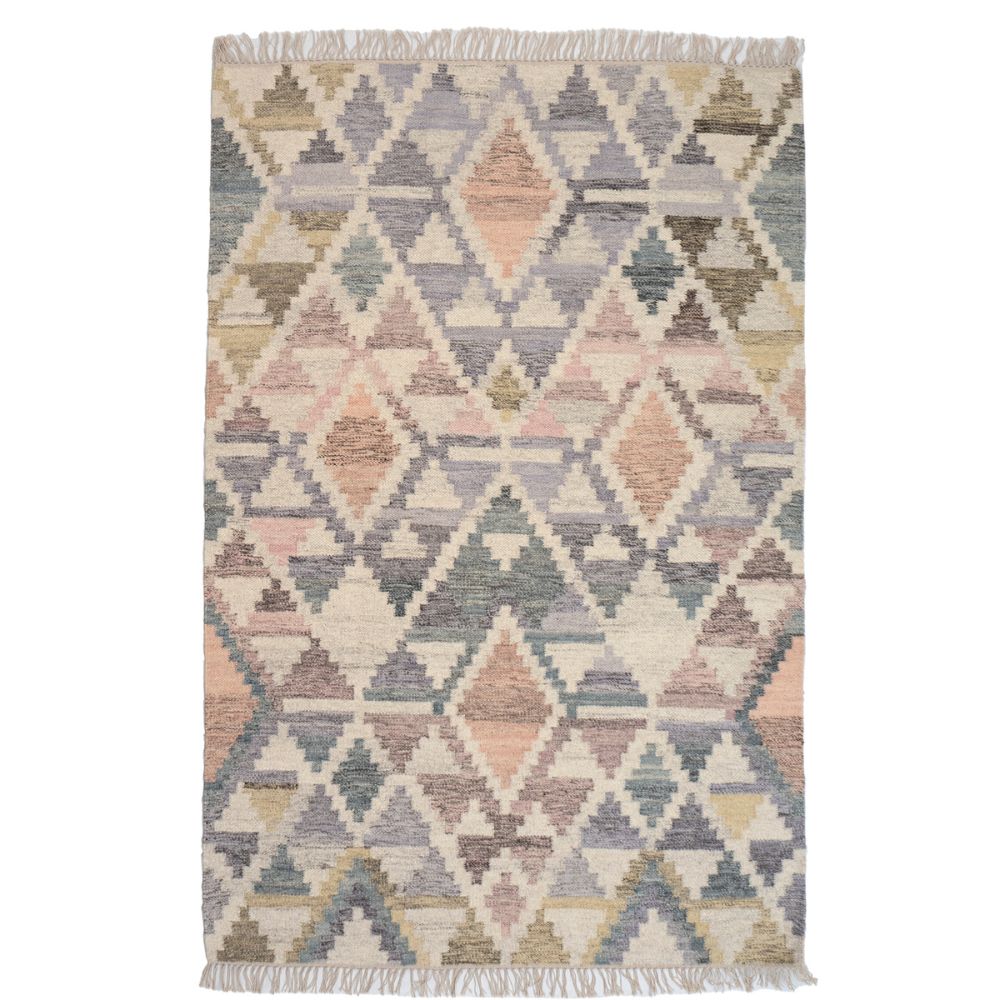
- whether the entire rug is shown from above
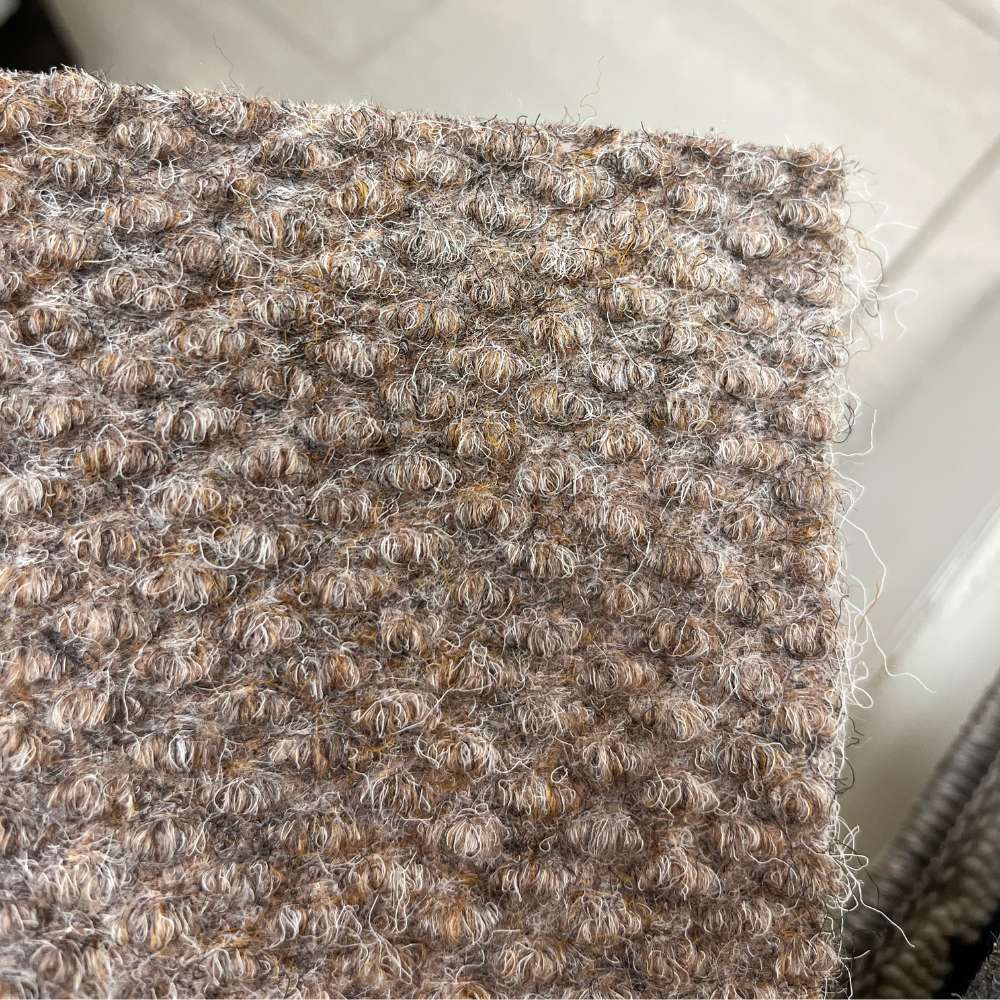
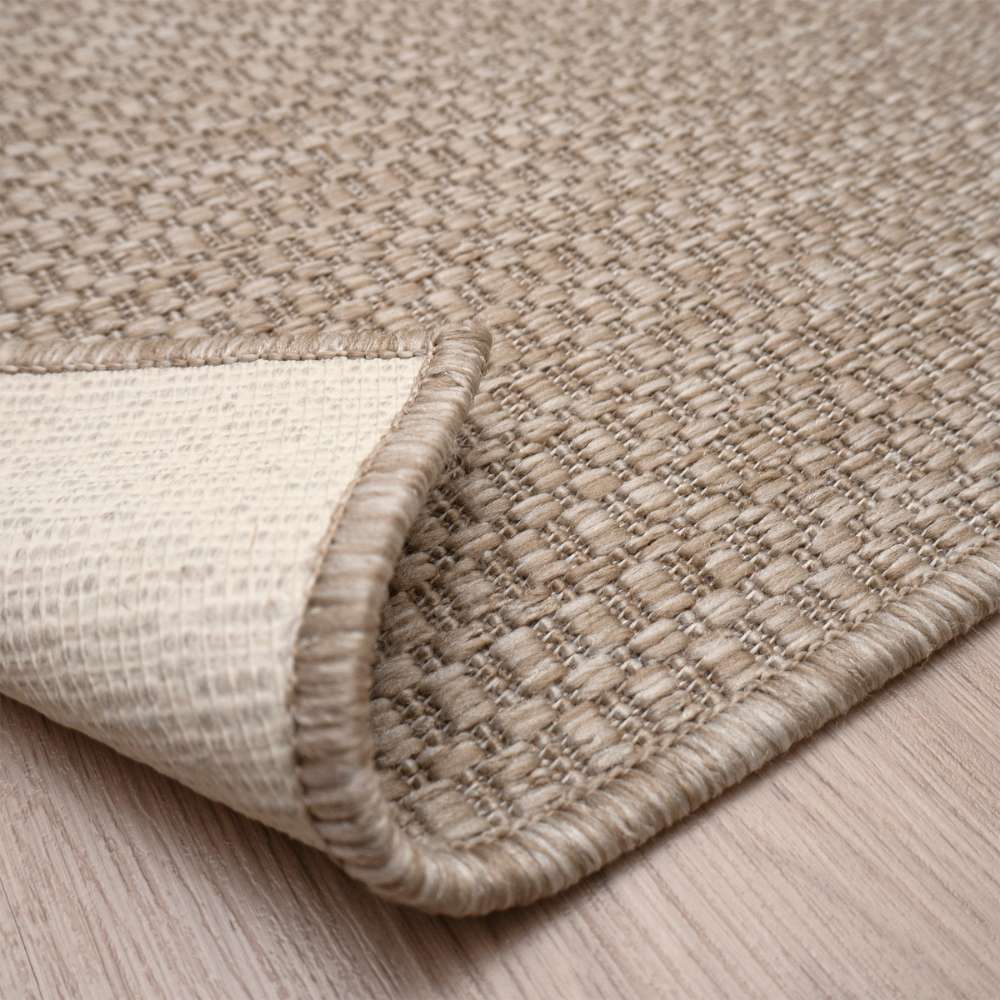
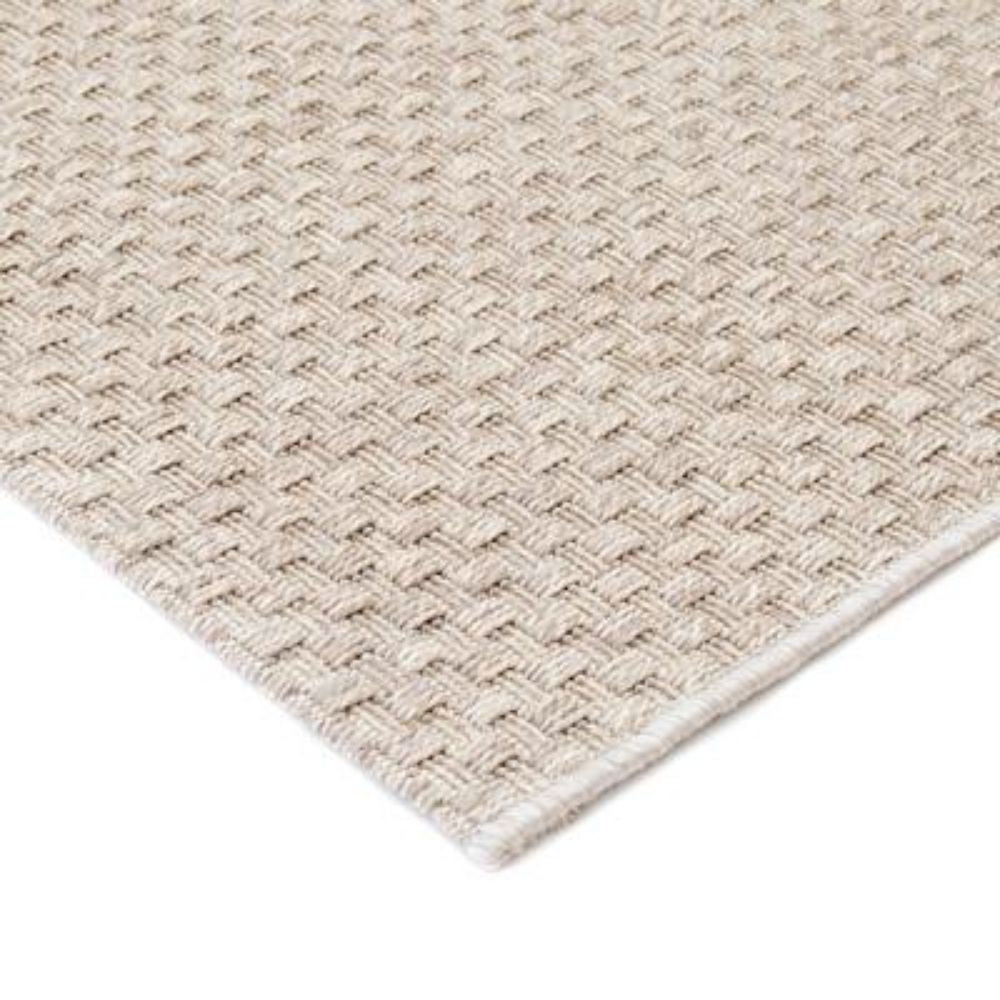
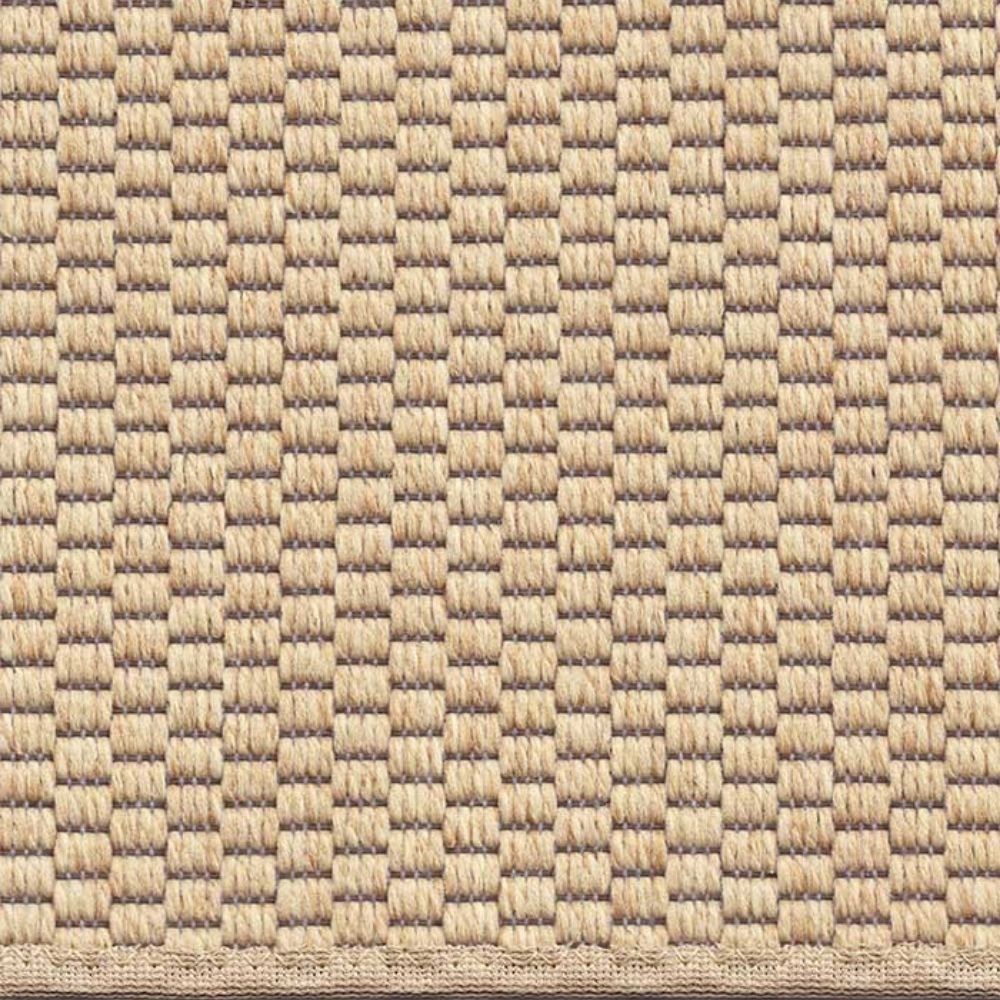
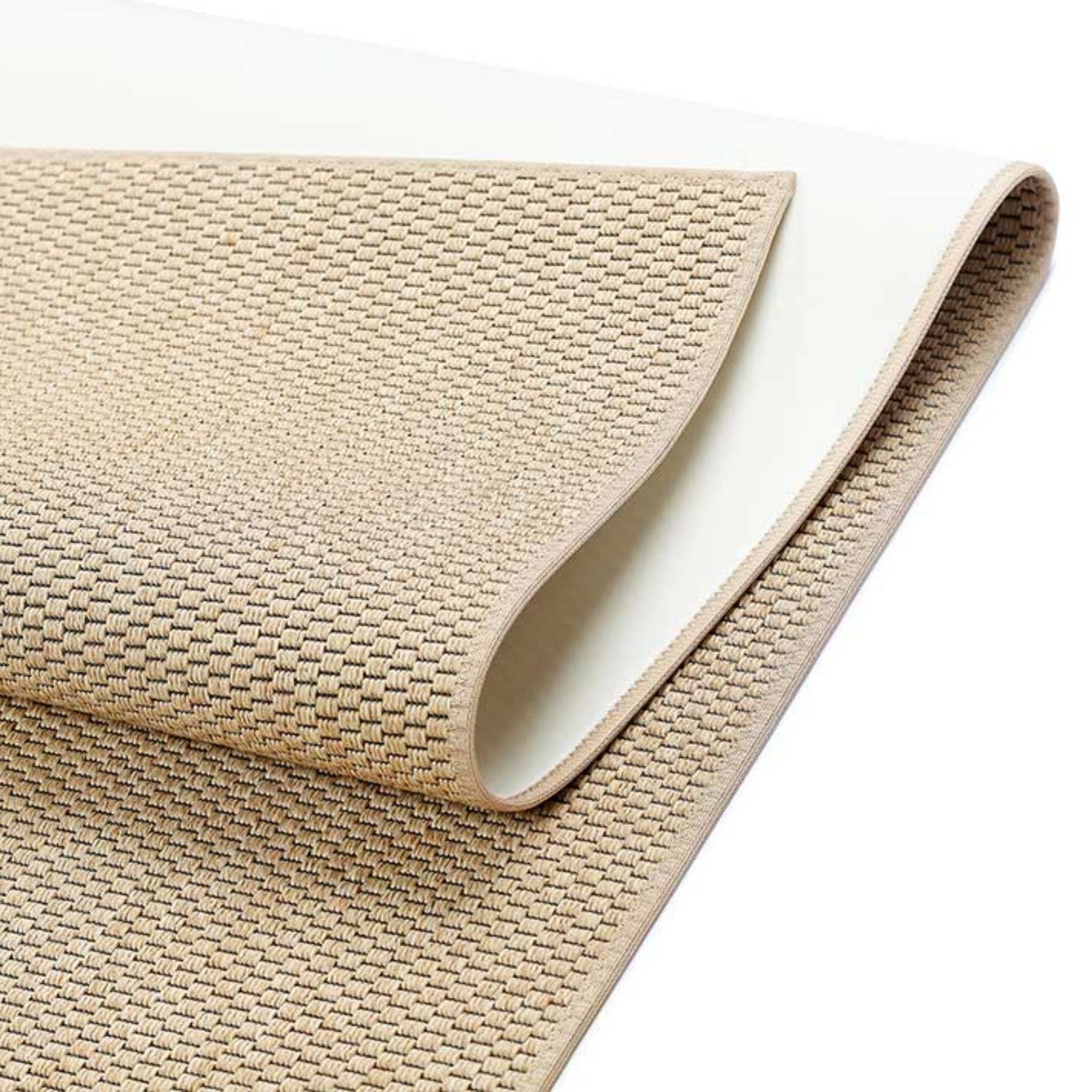
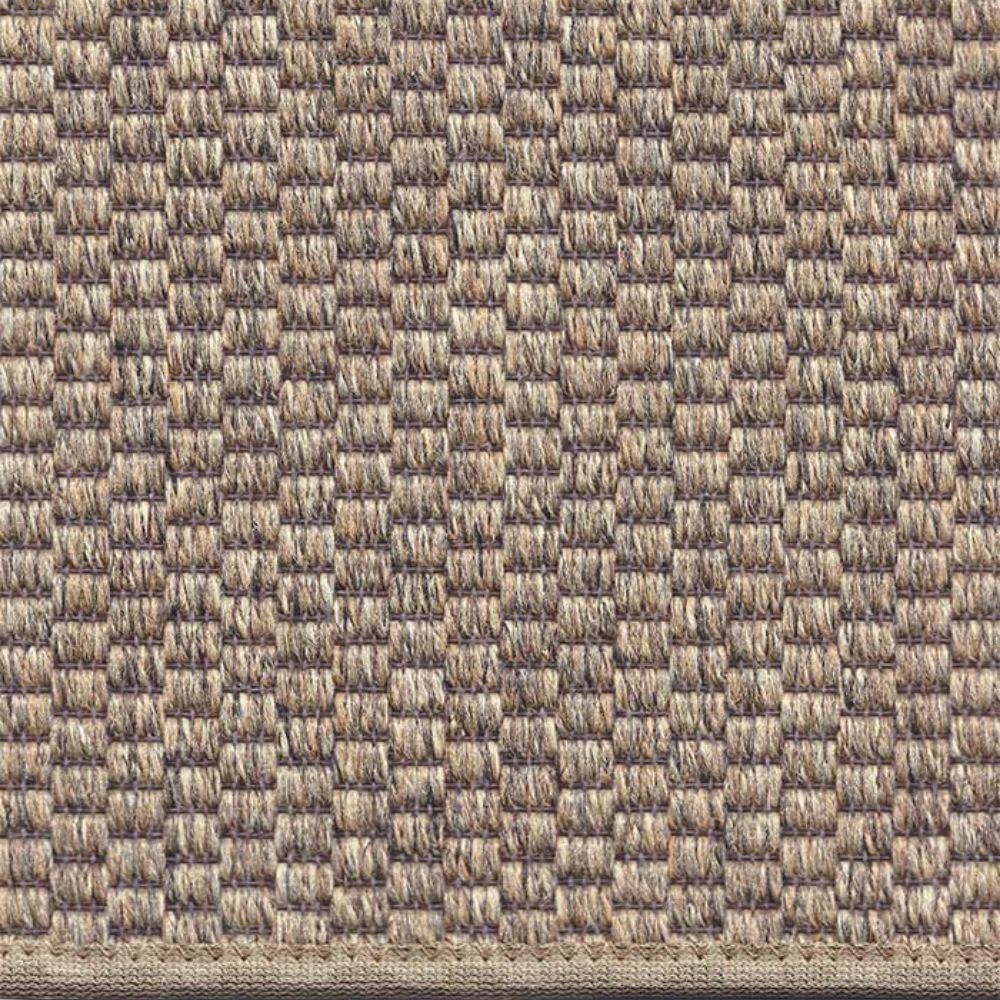
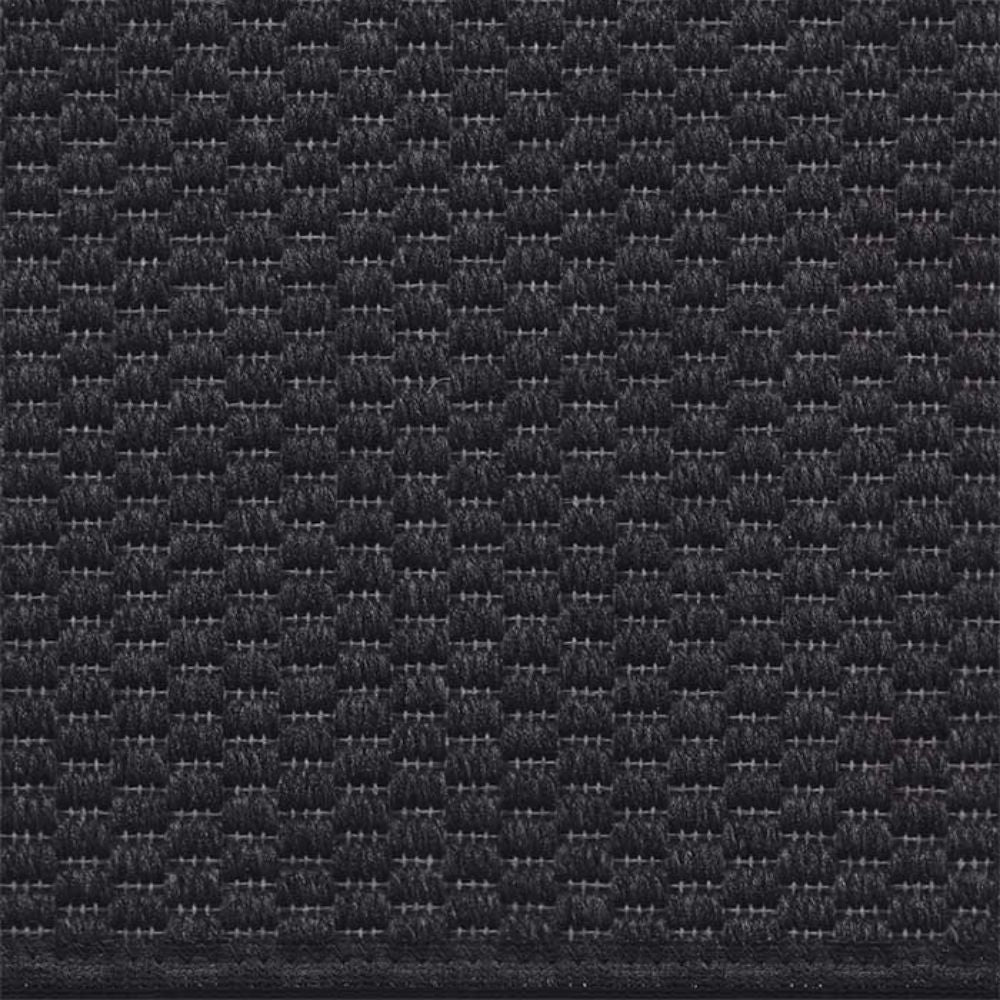
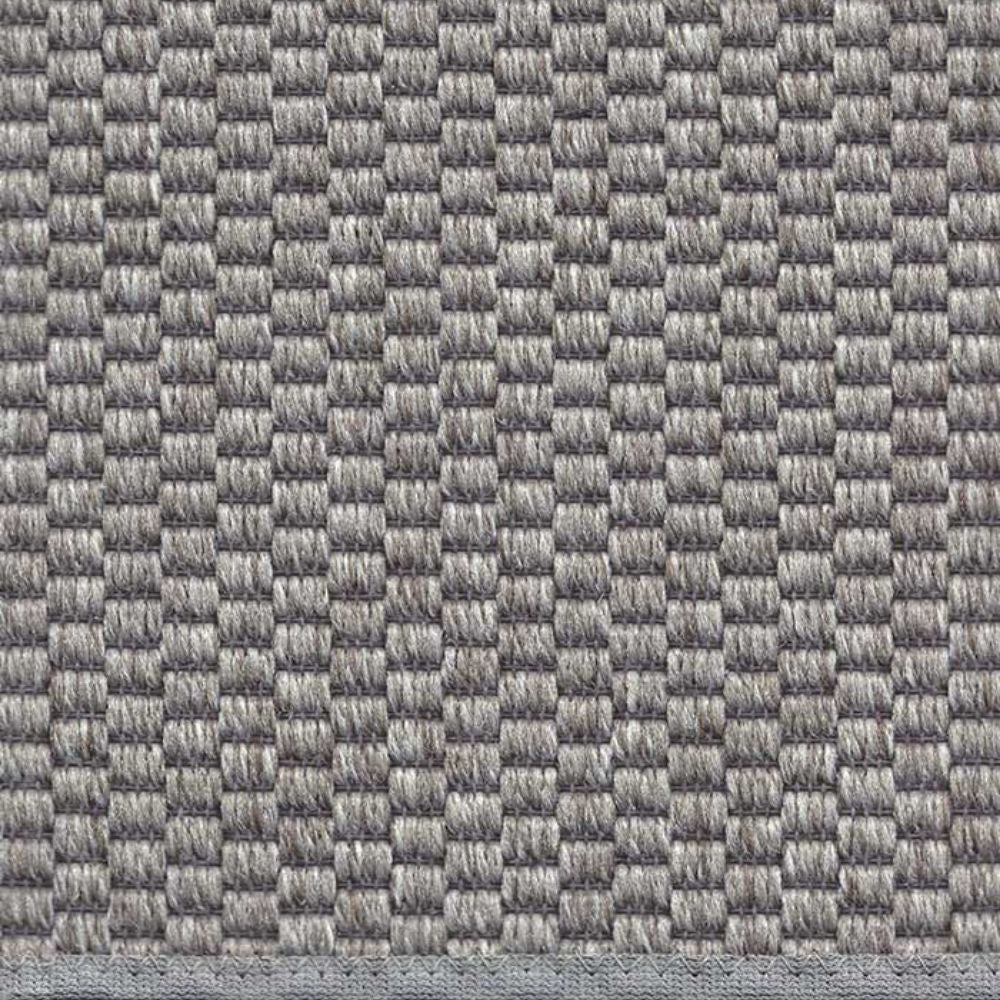
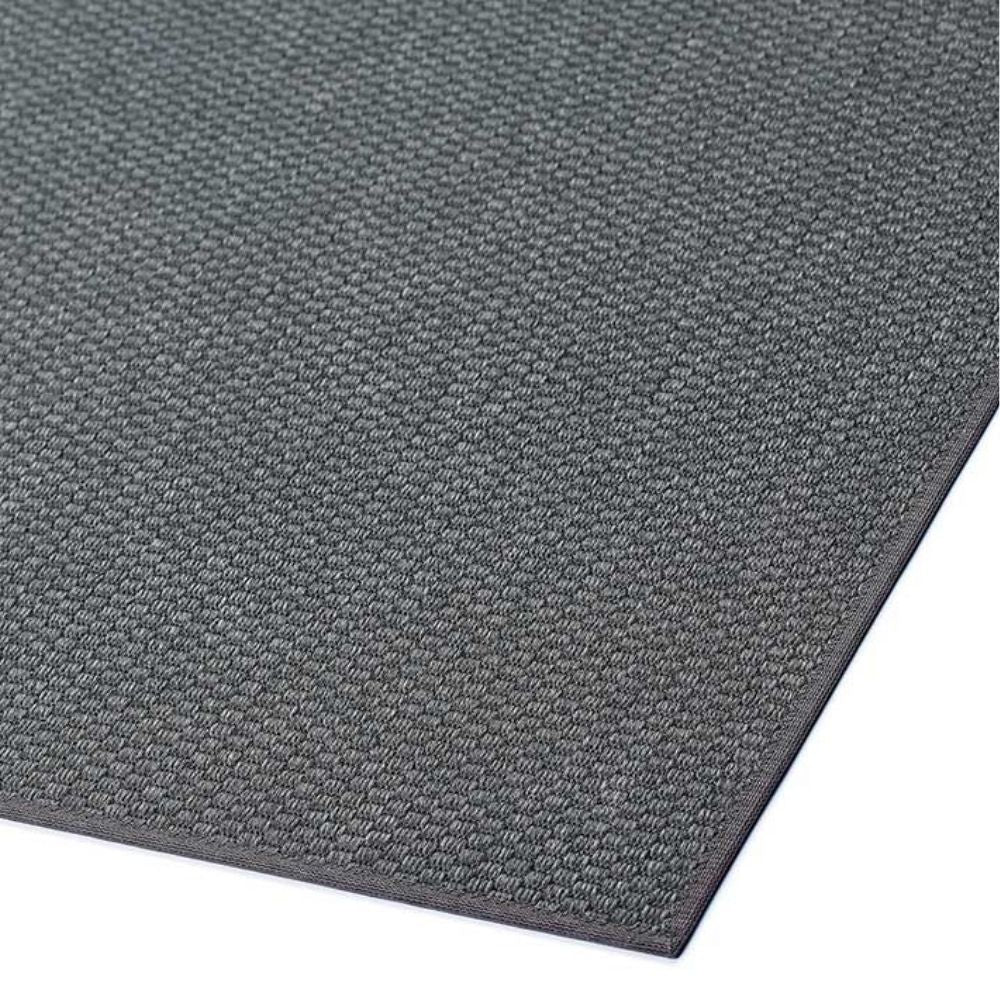
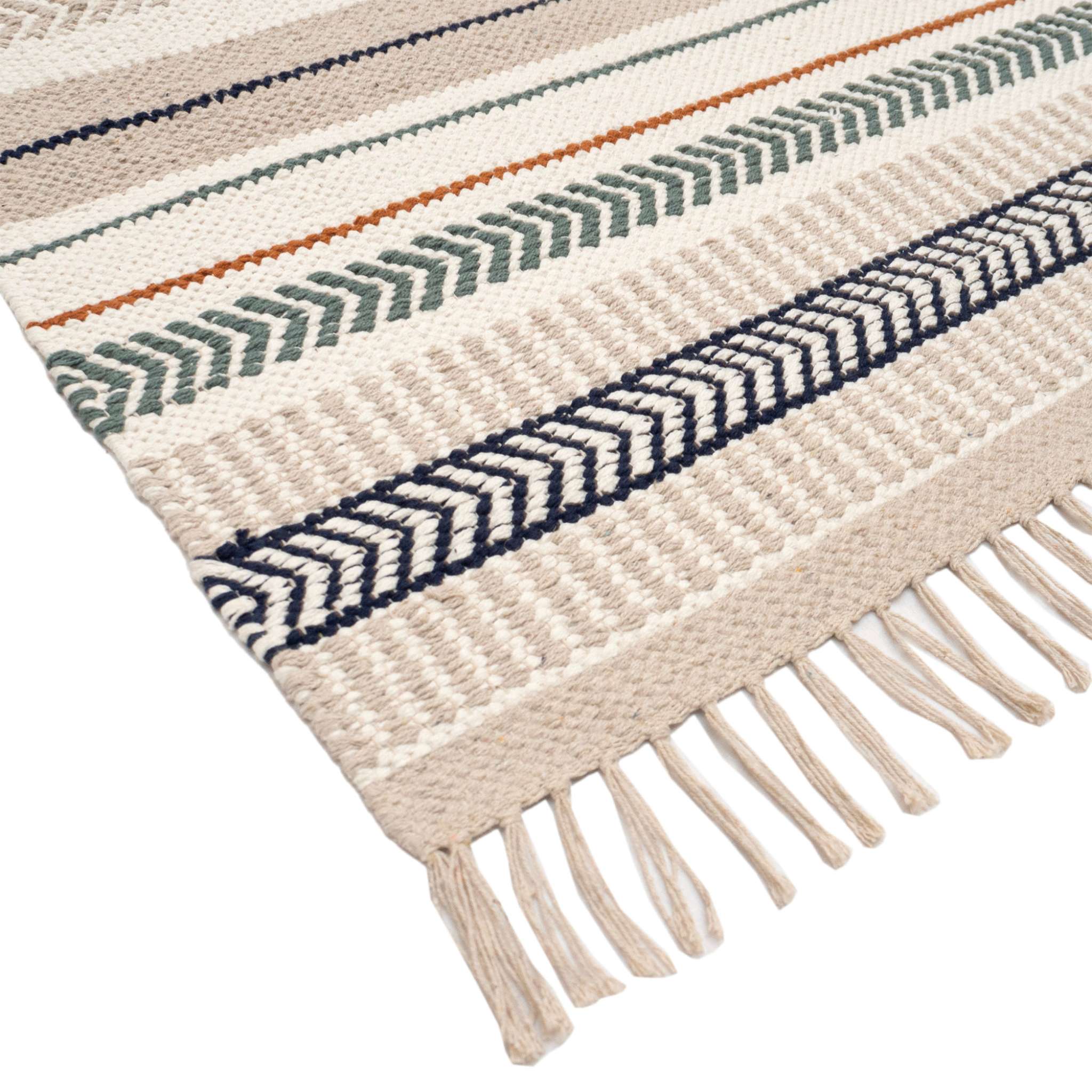
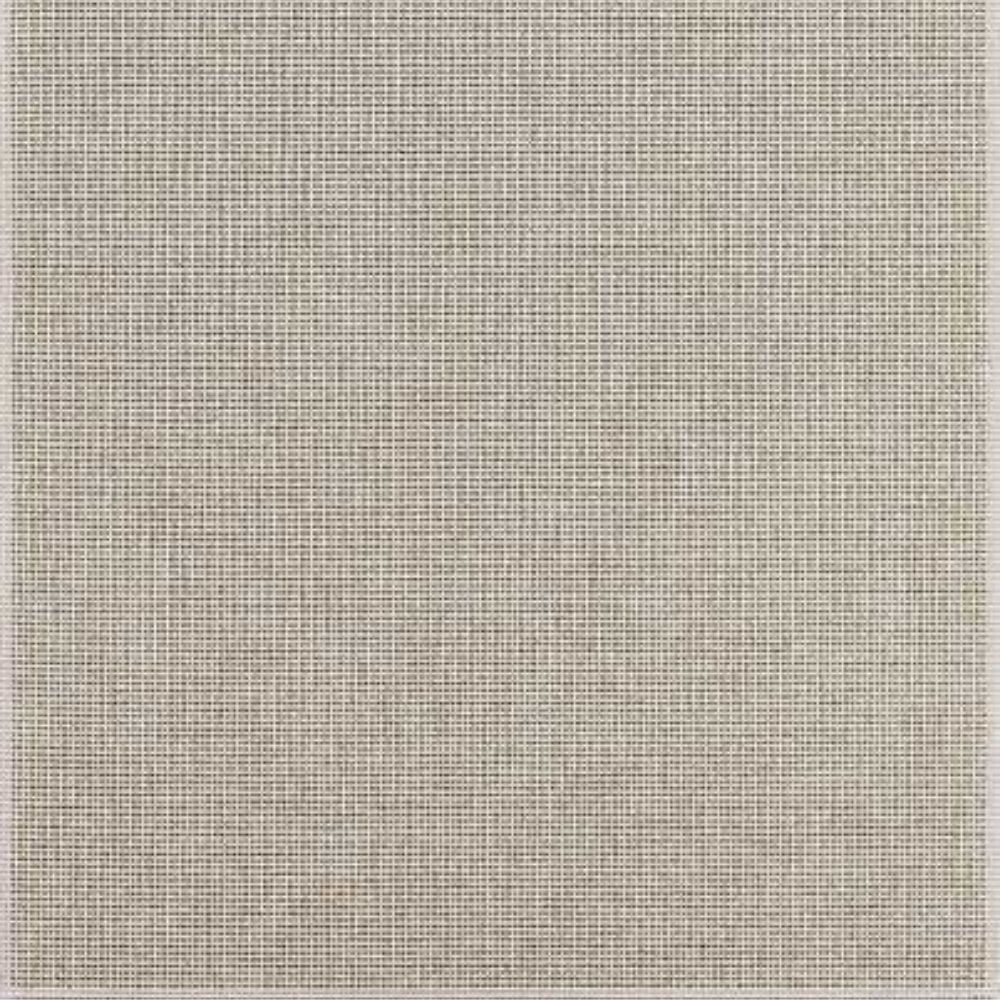
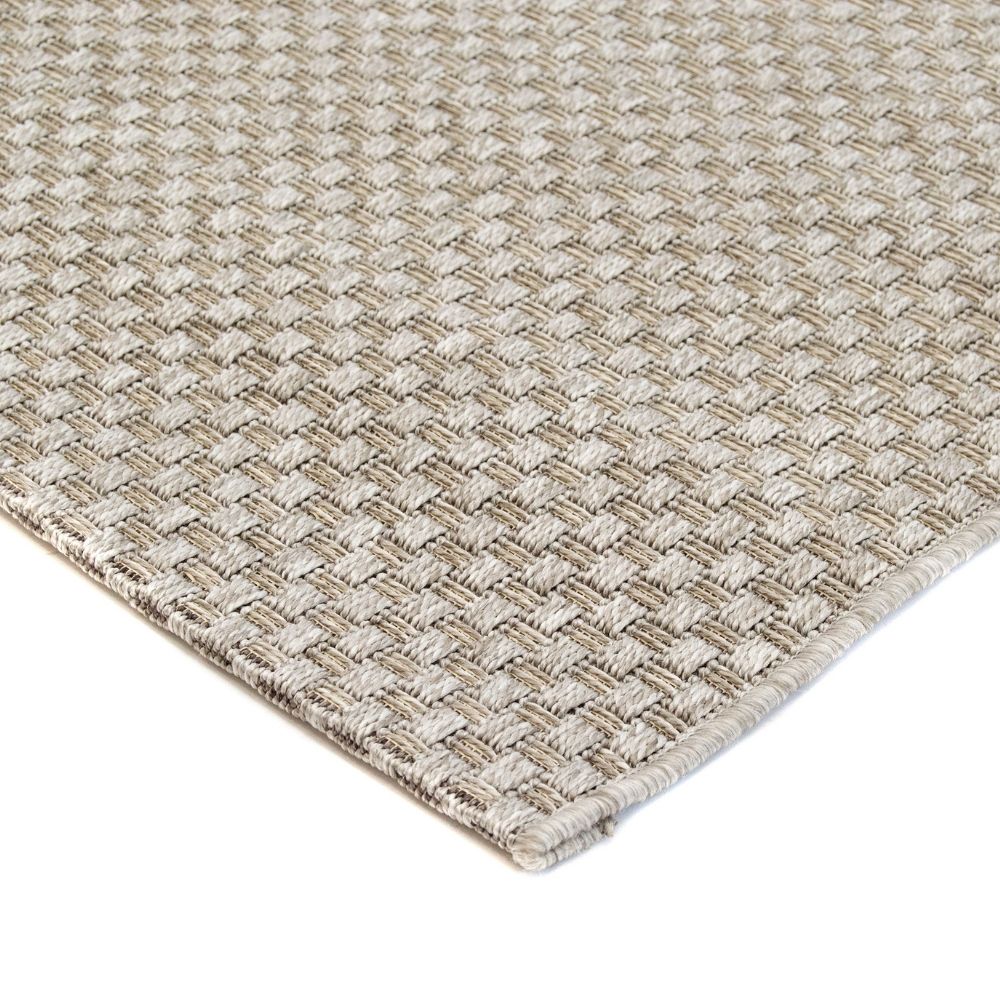
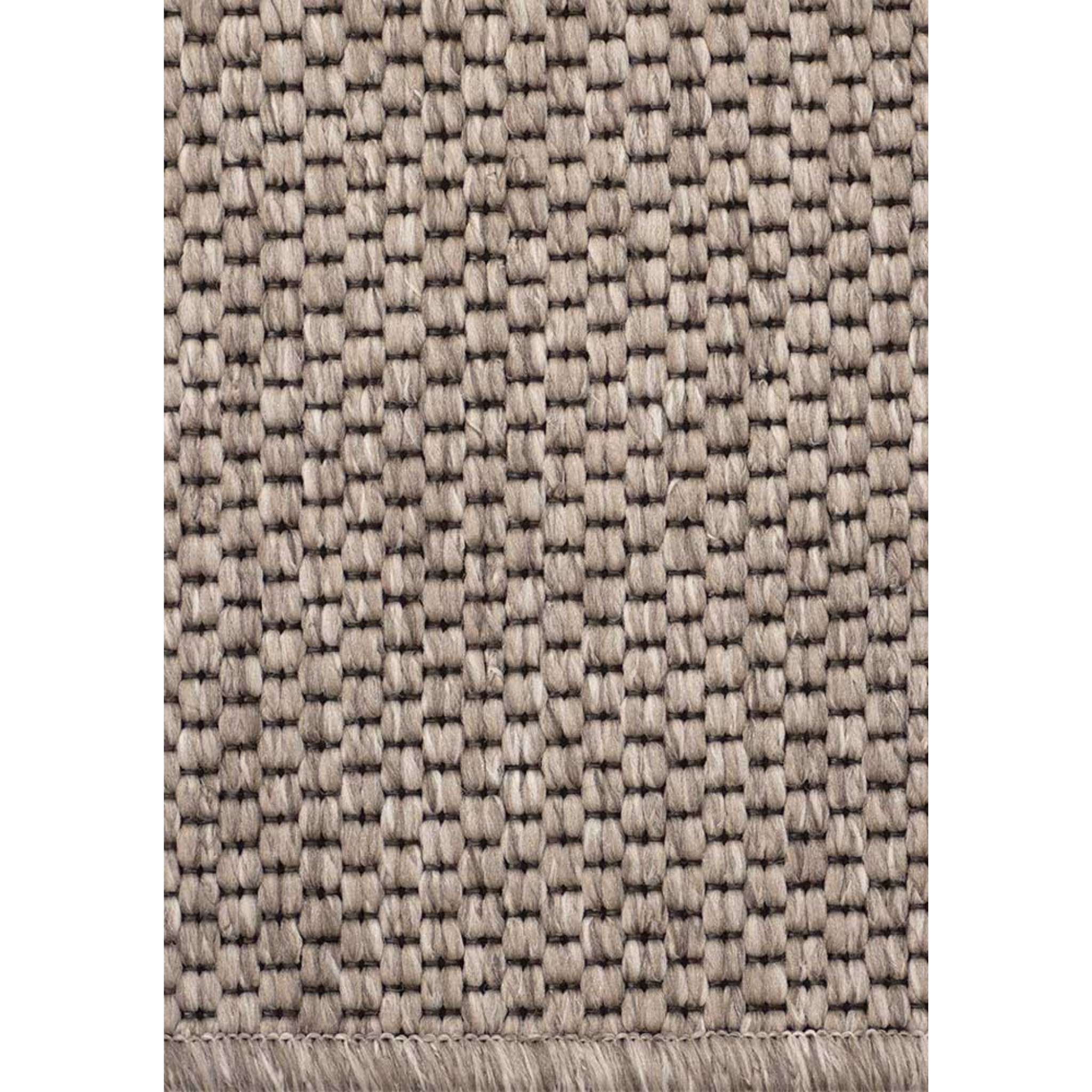
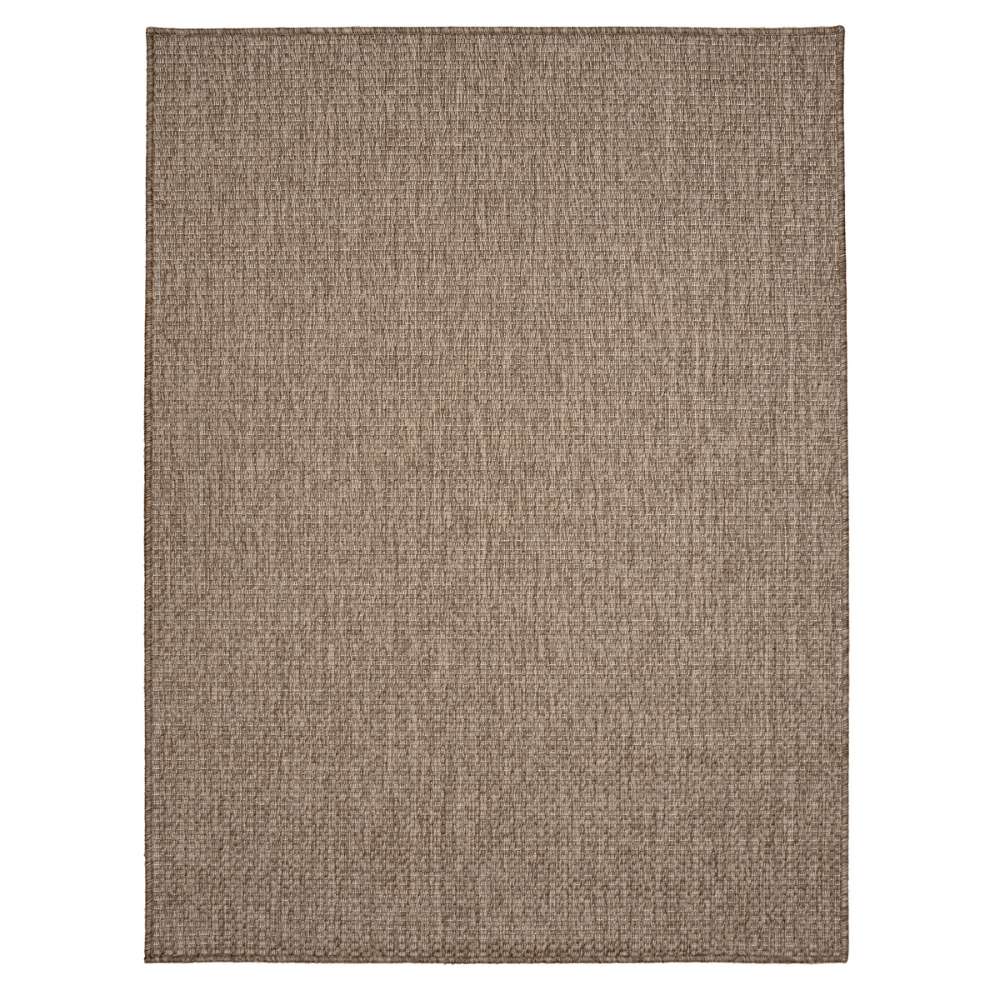
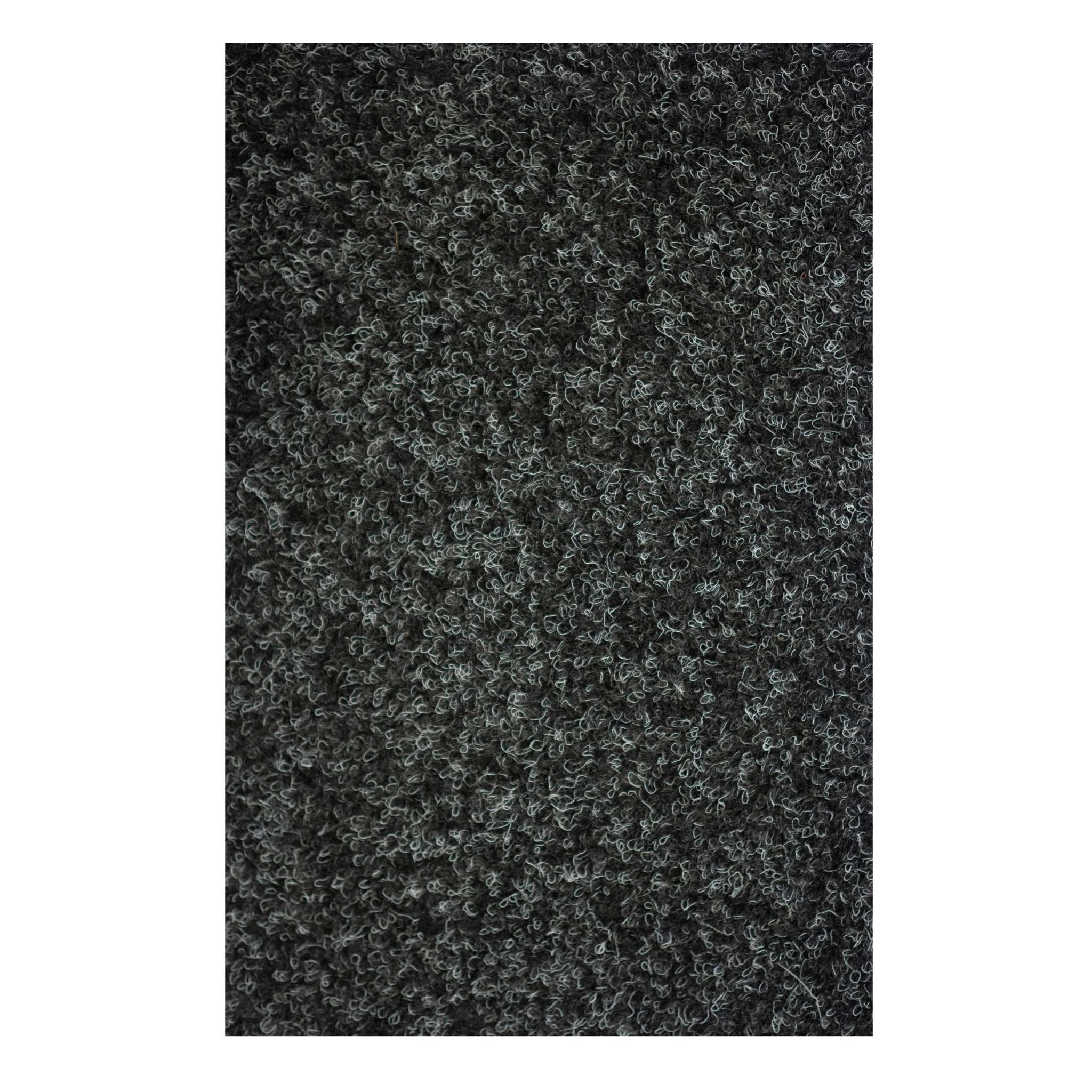
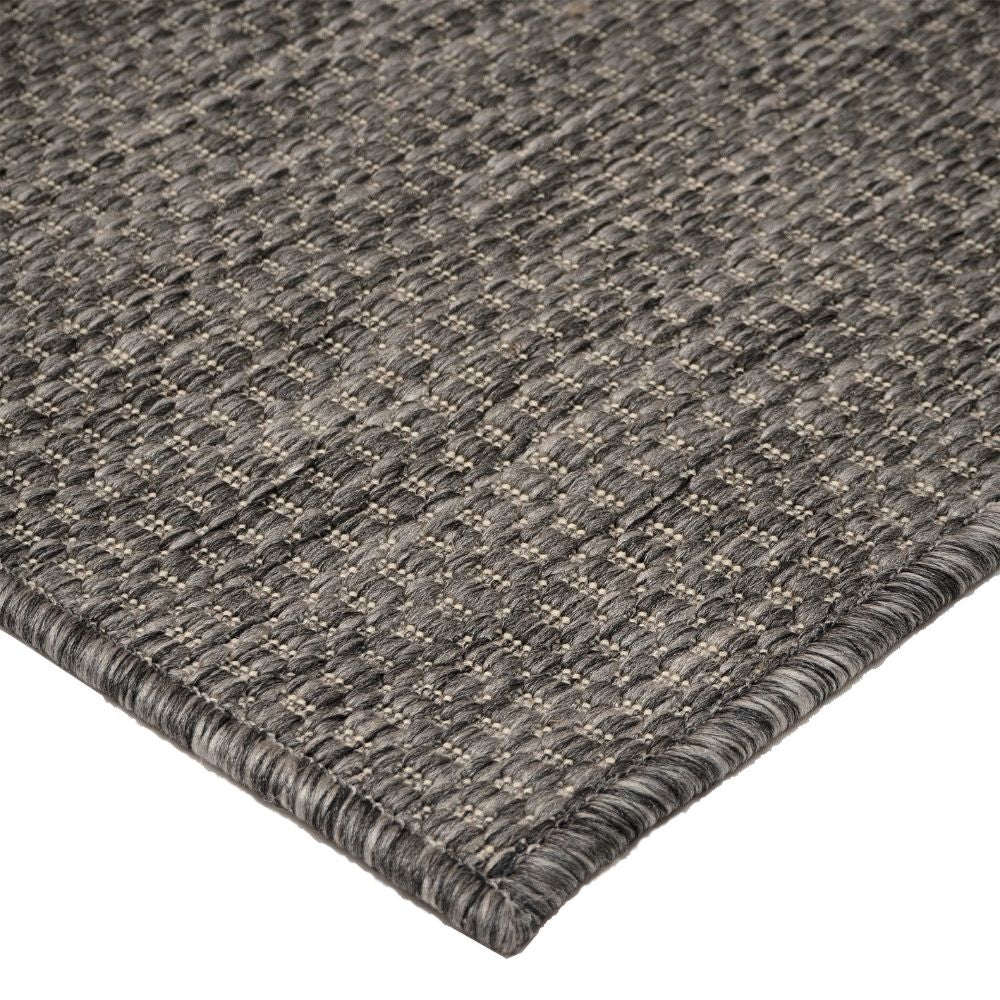
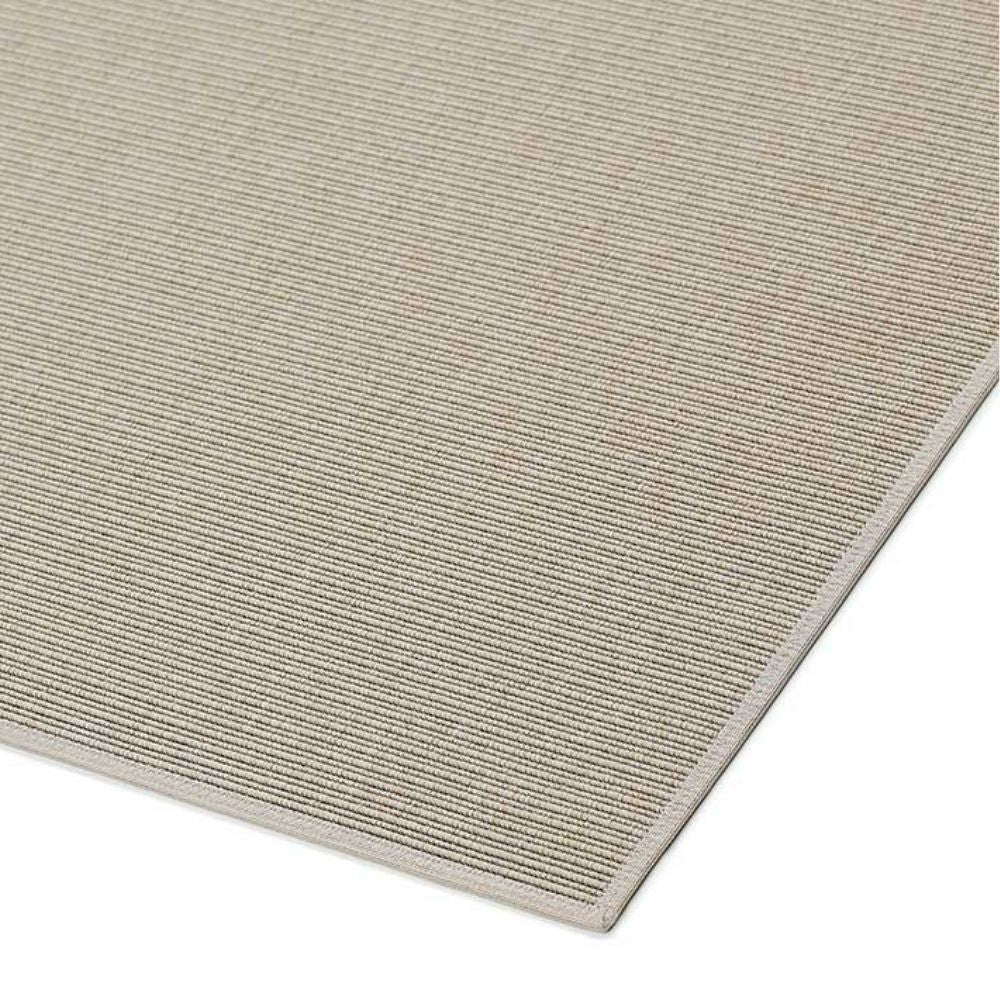
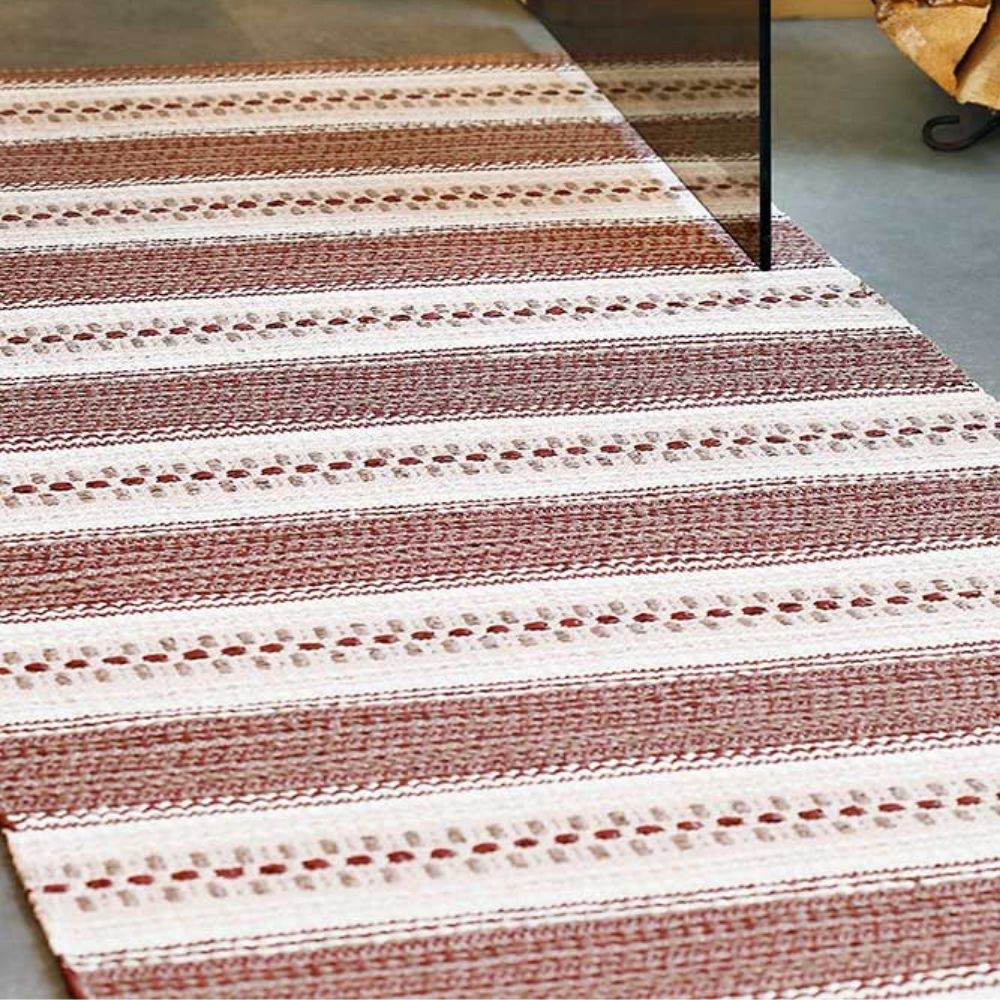
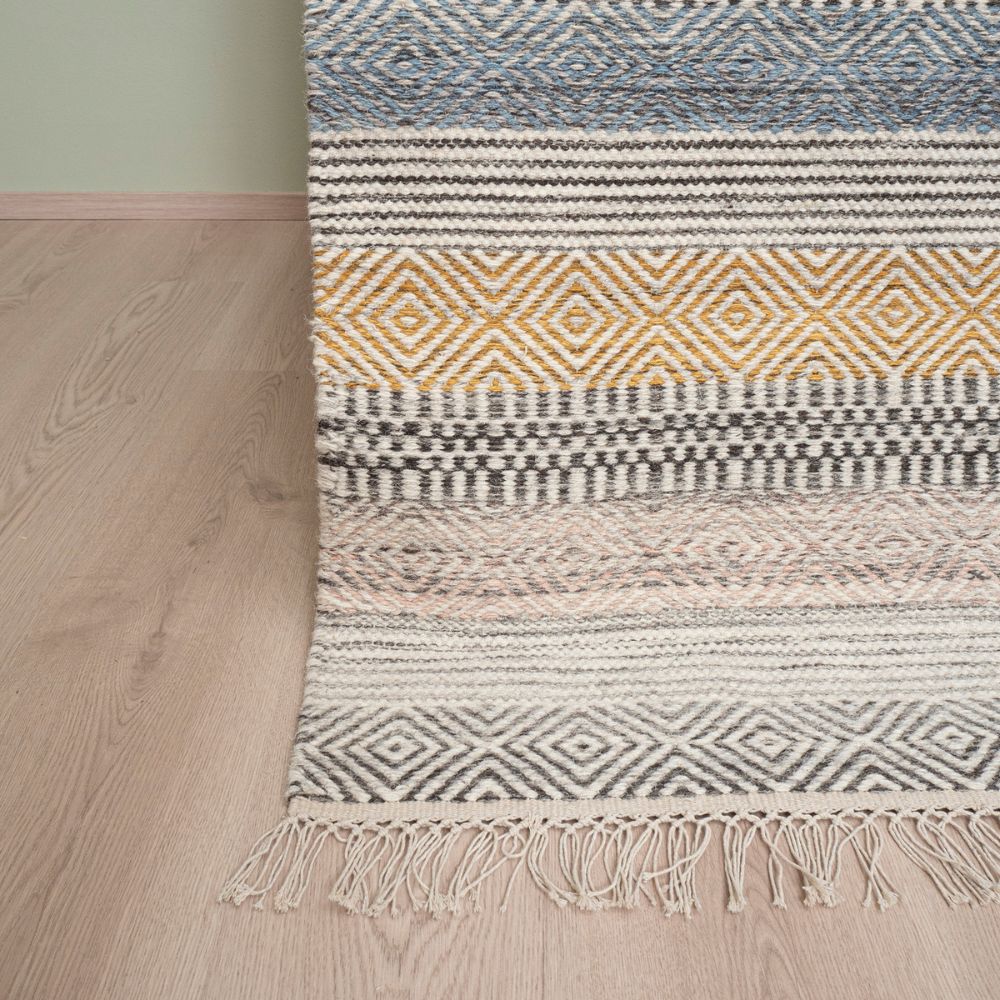
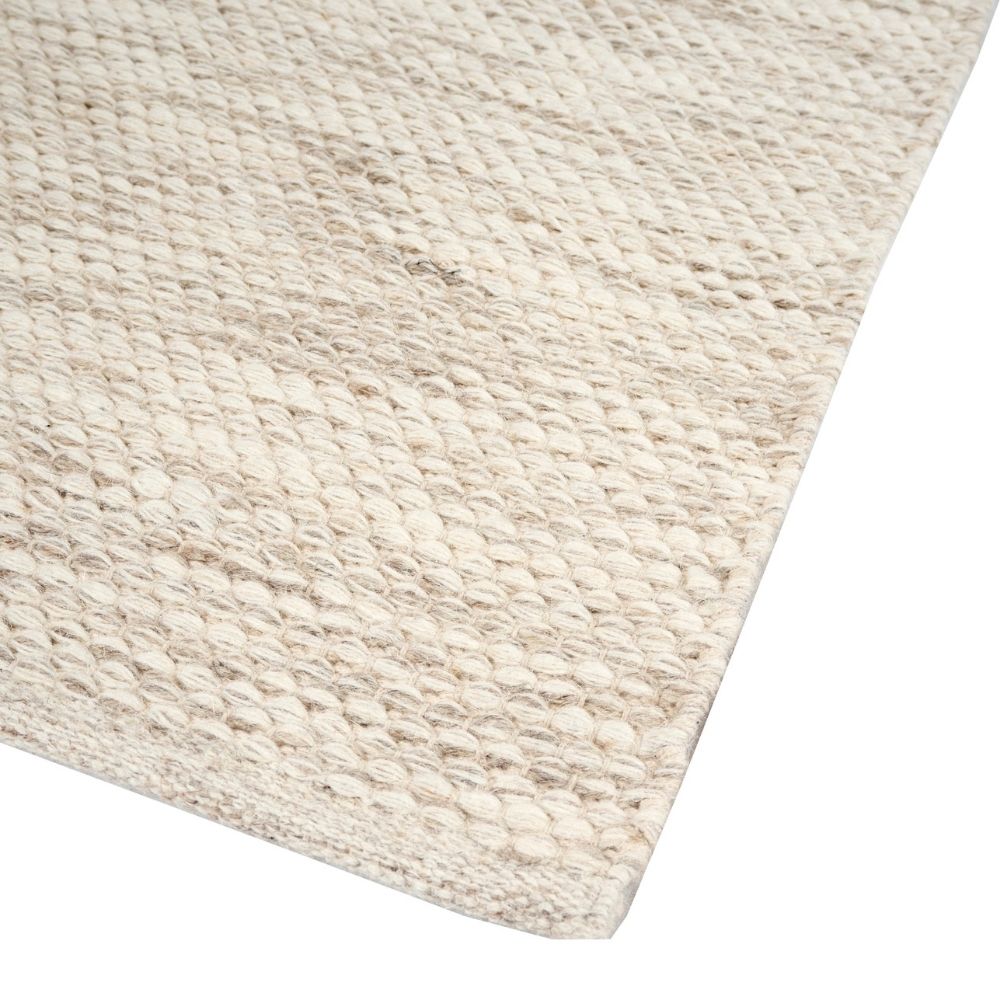
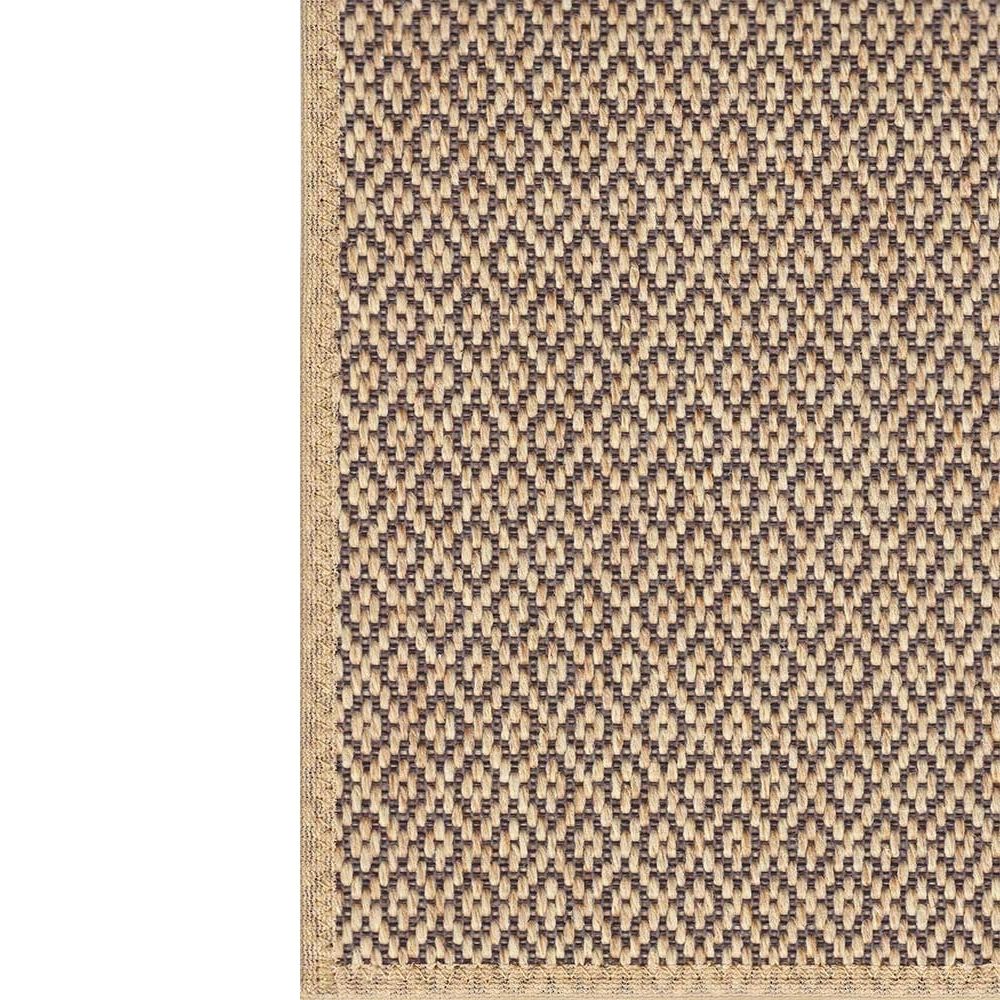
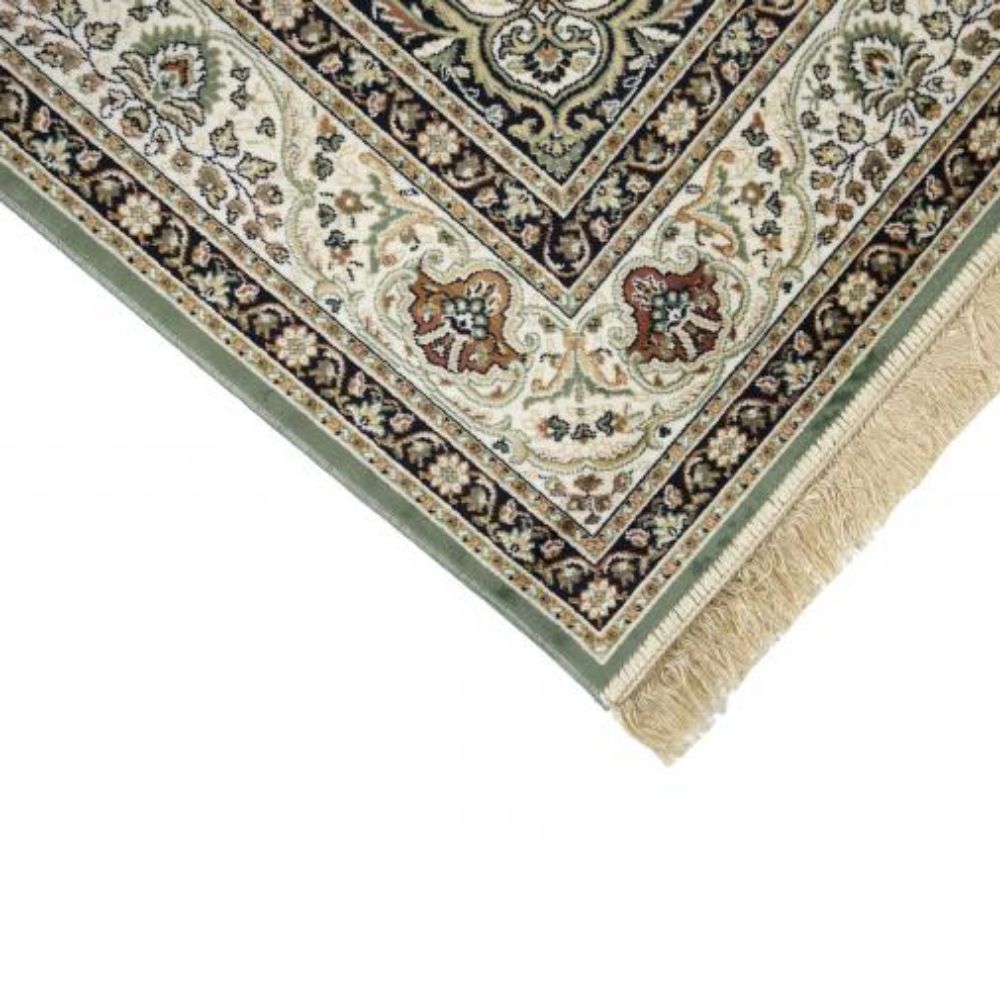
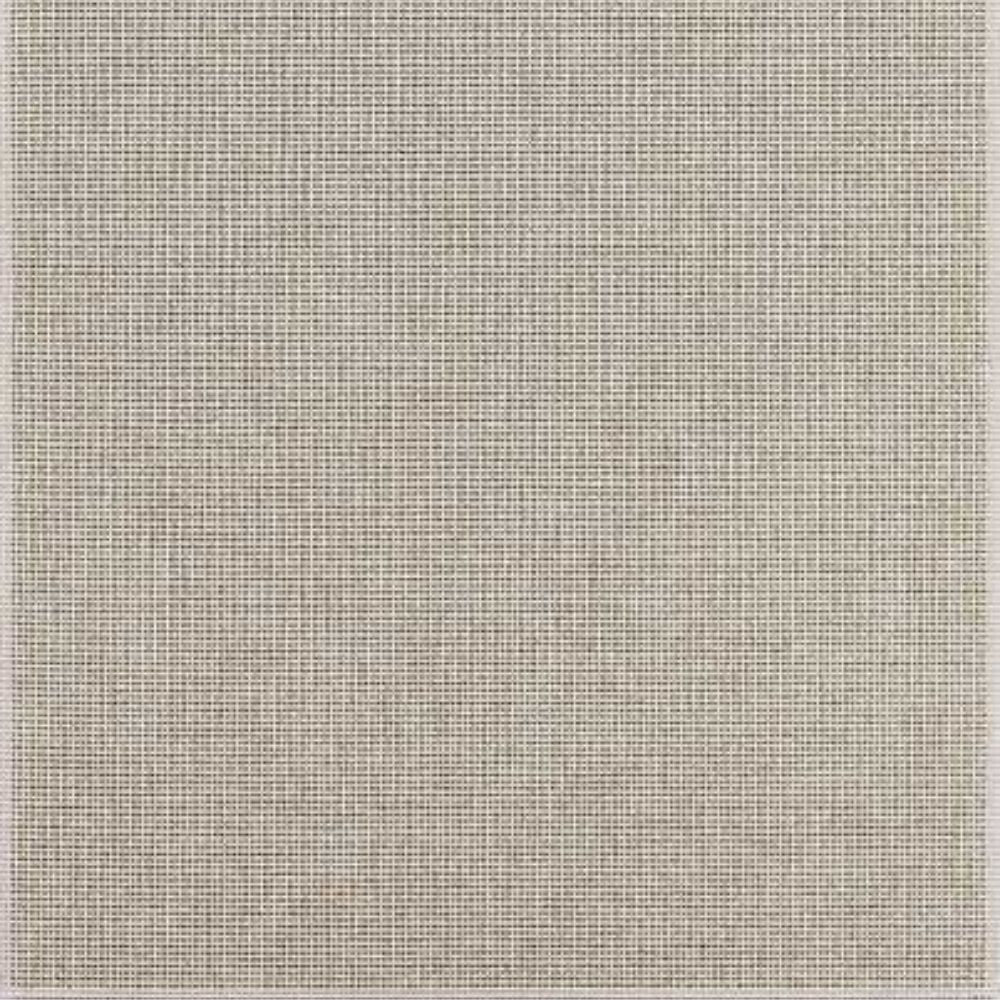
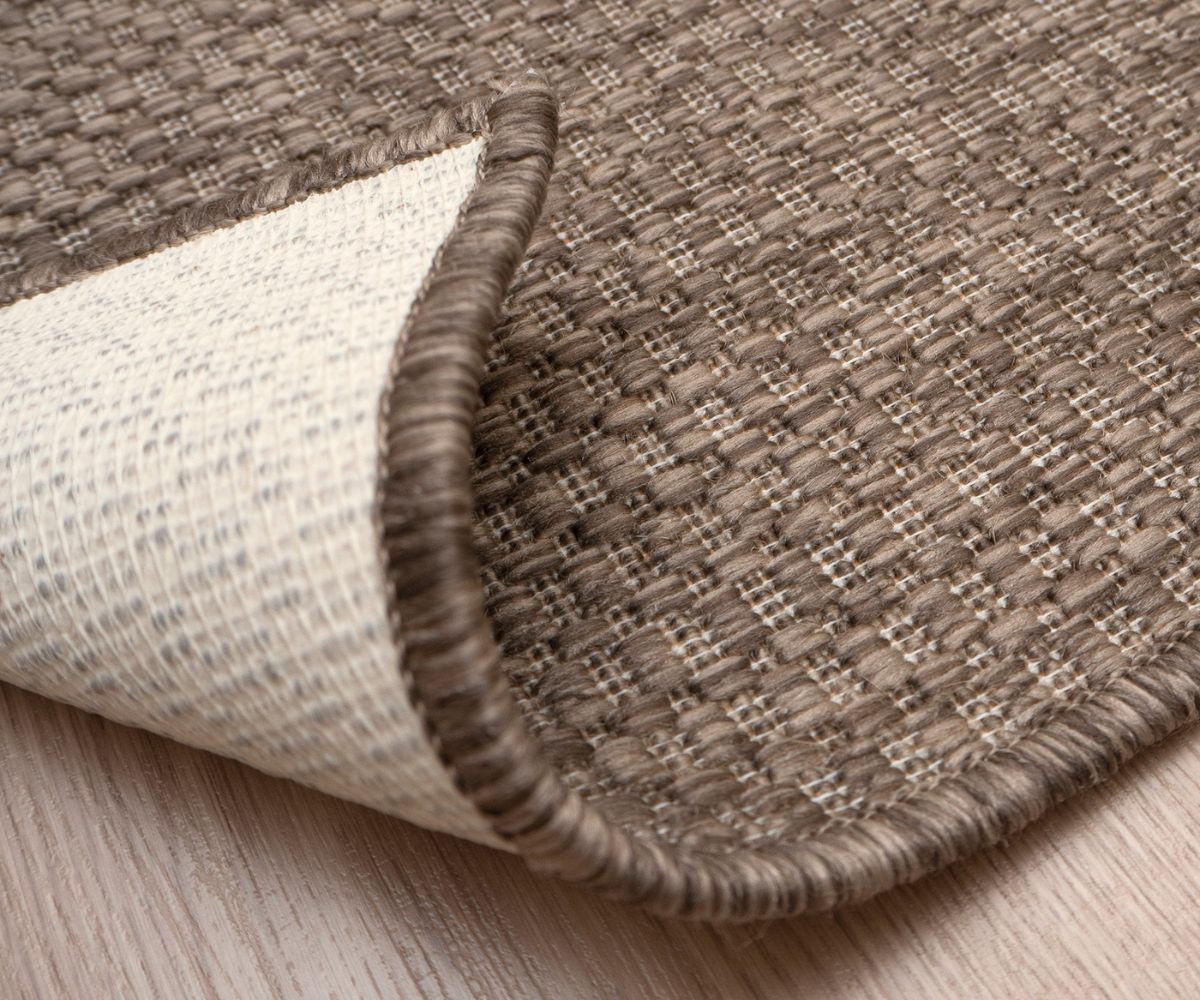
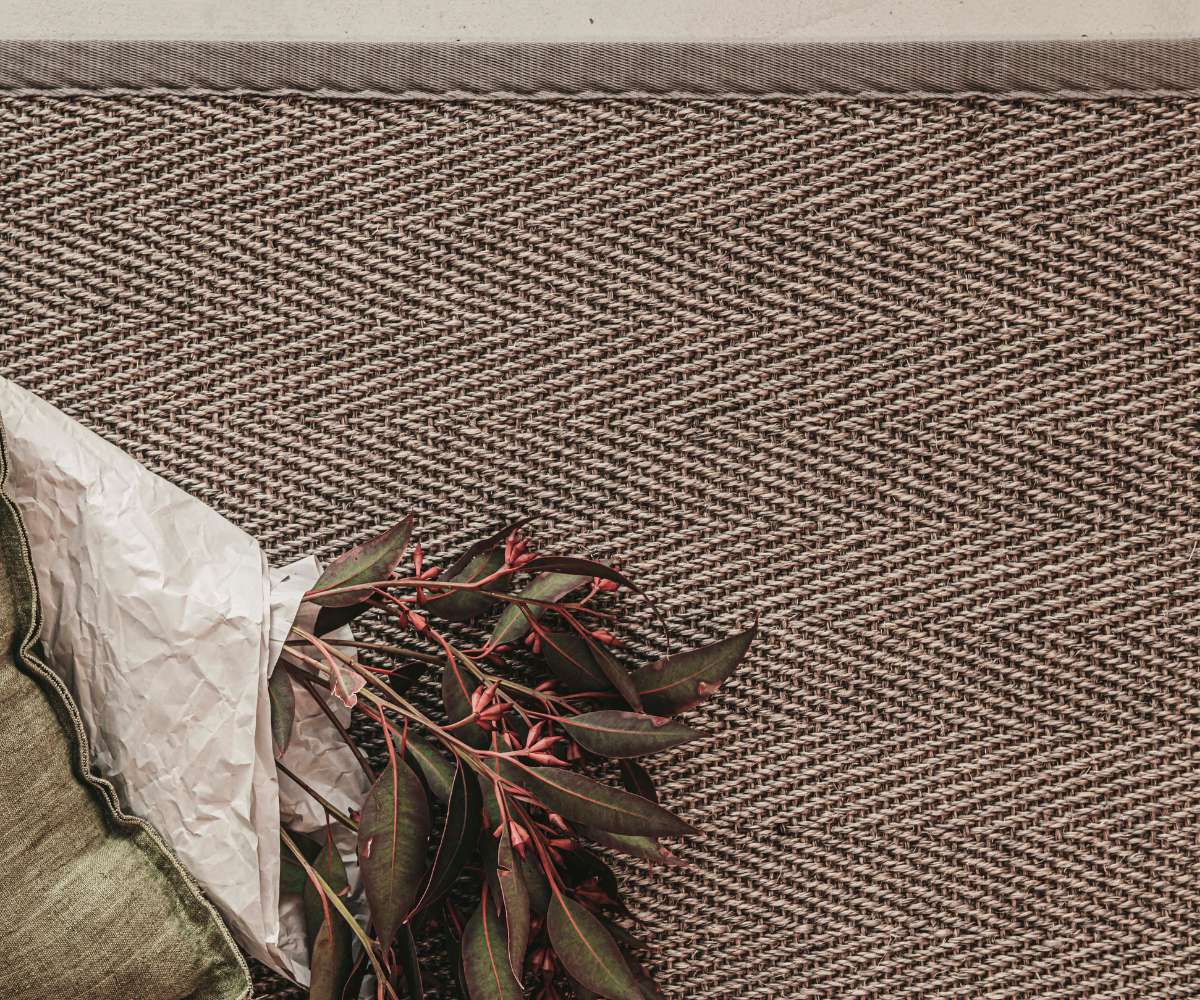
- whether there is a close-up of the surface
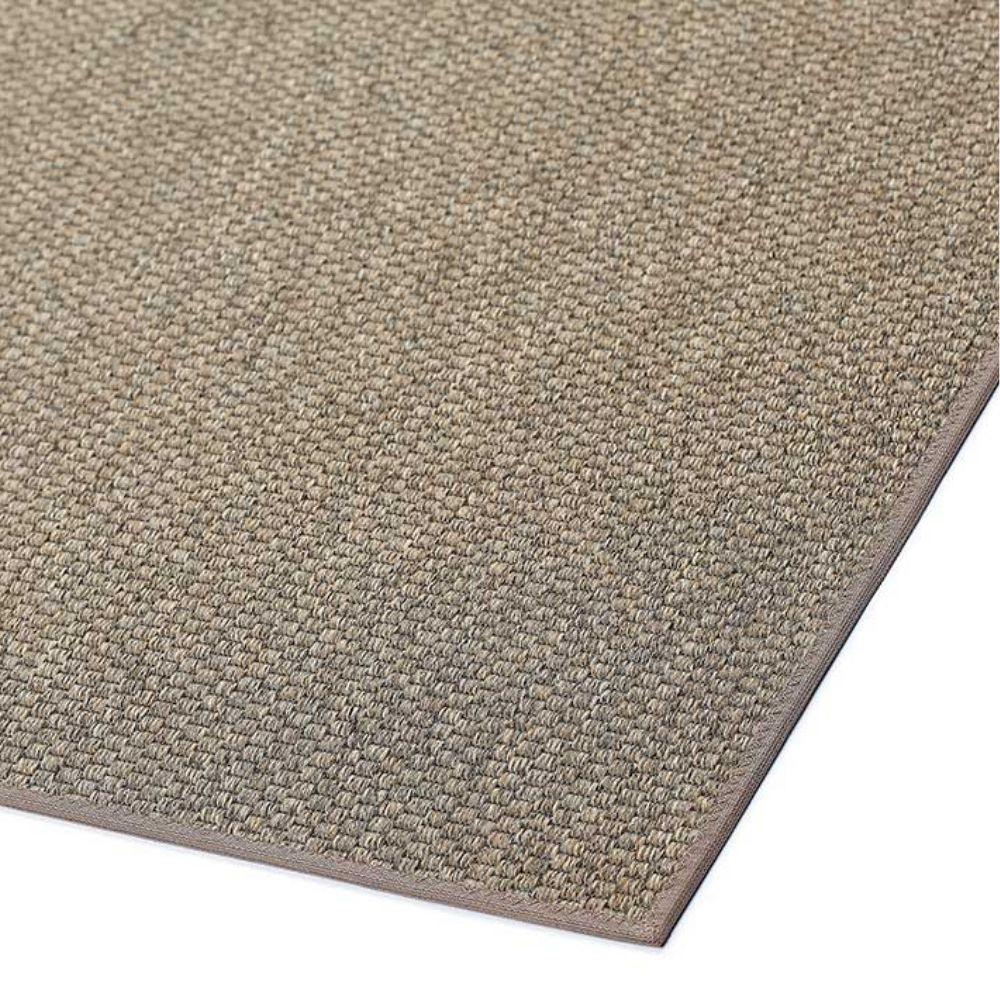
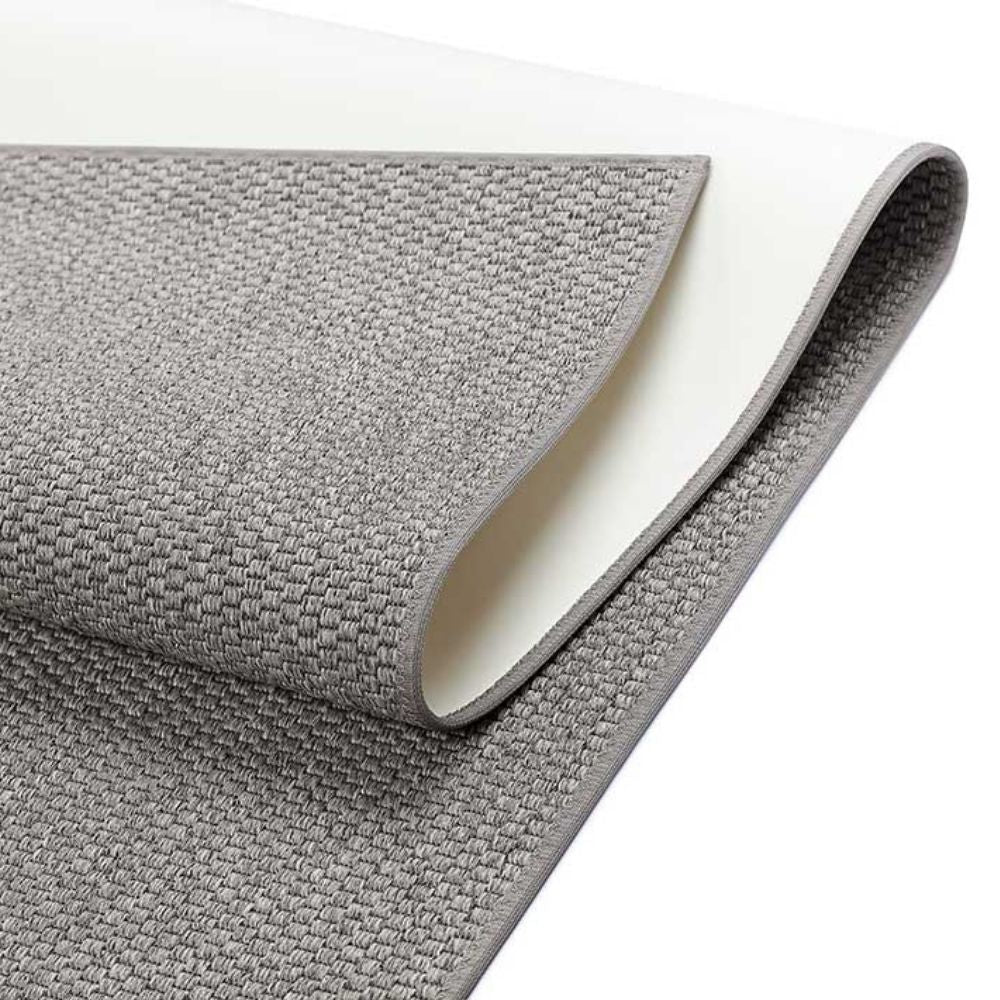
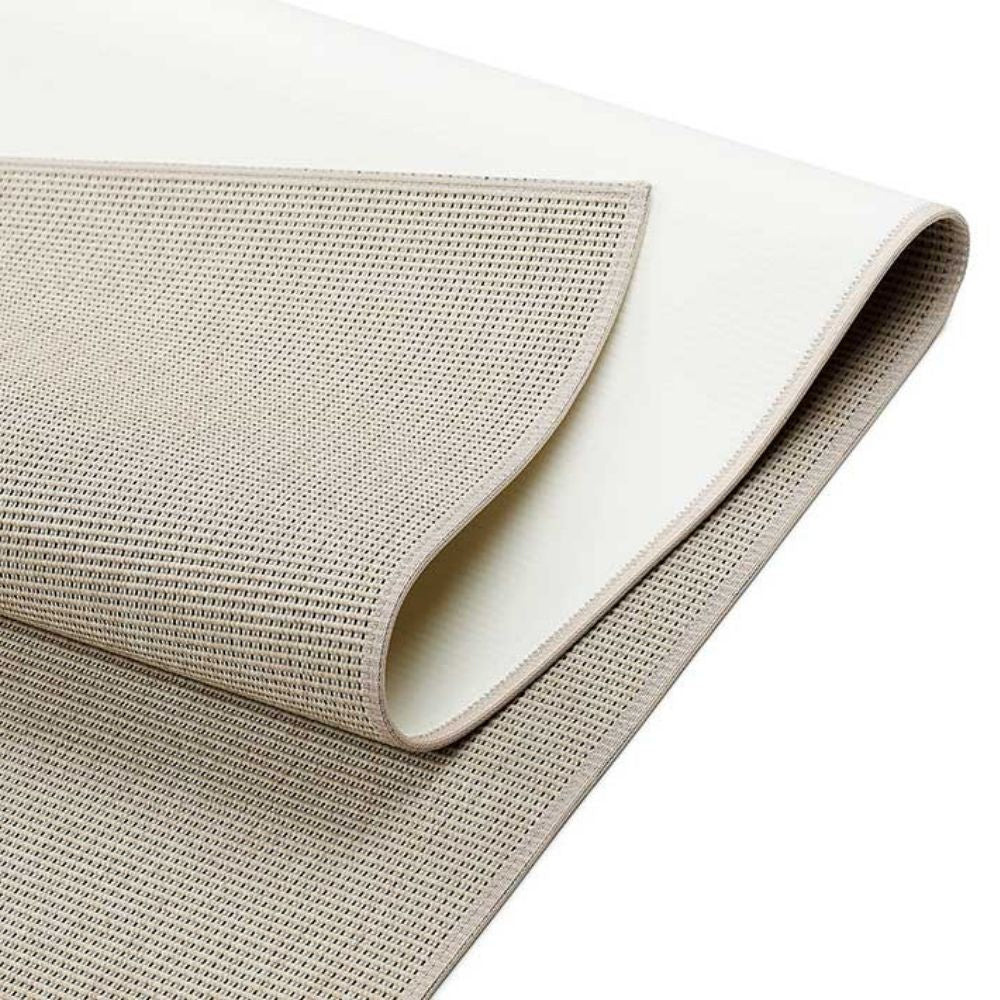
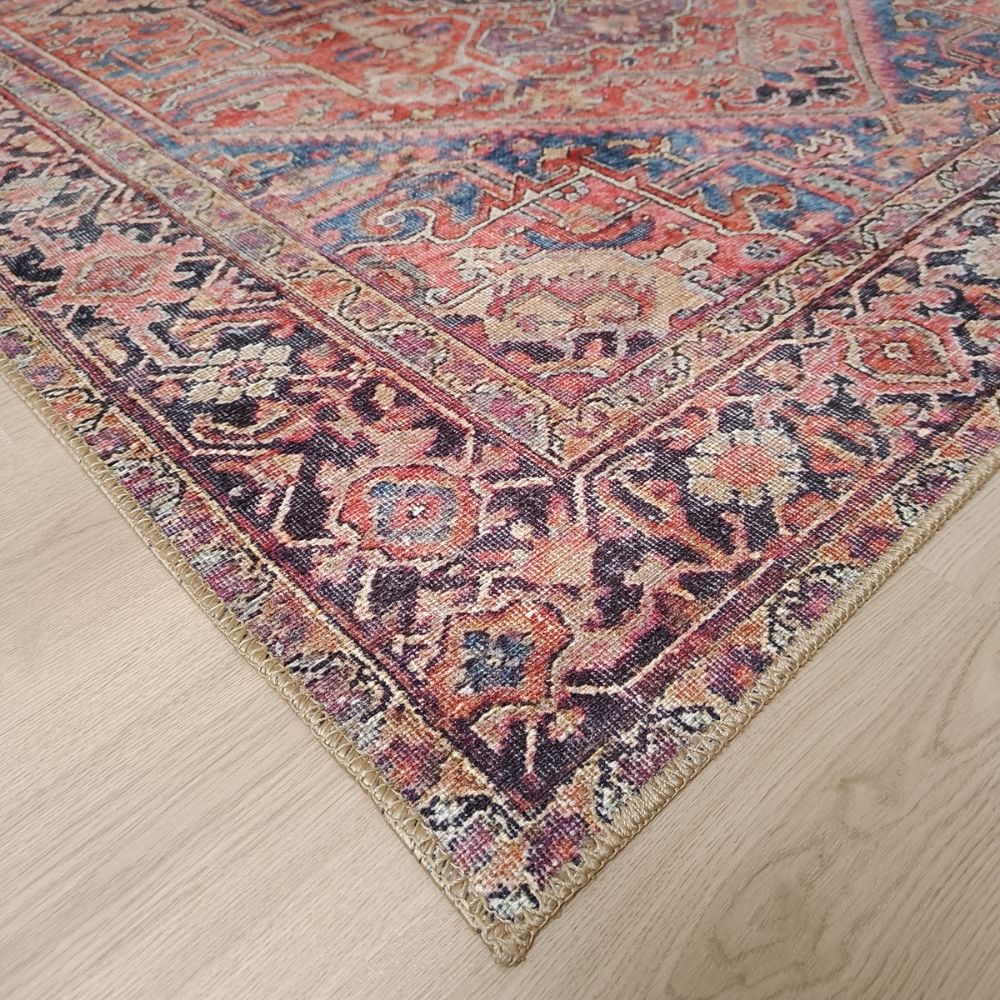
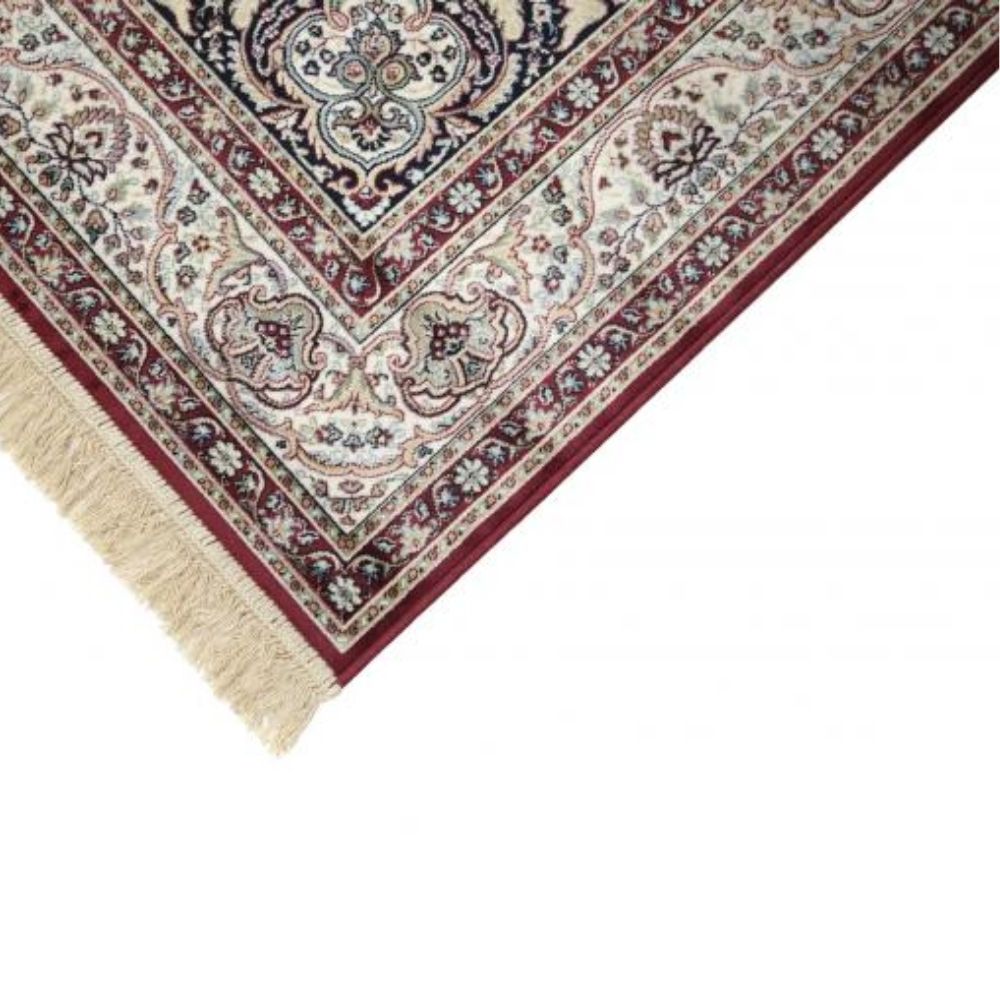
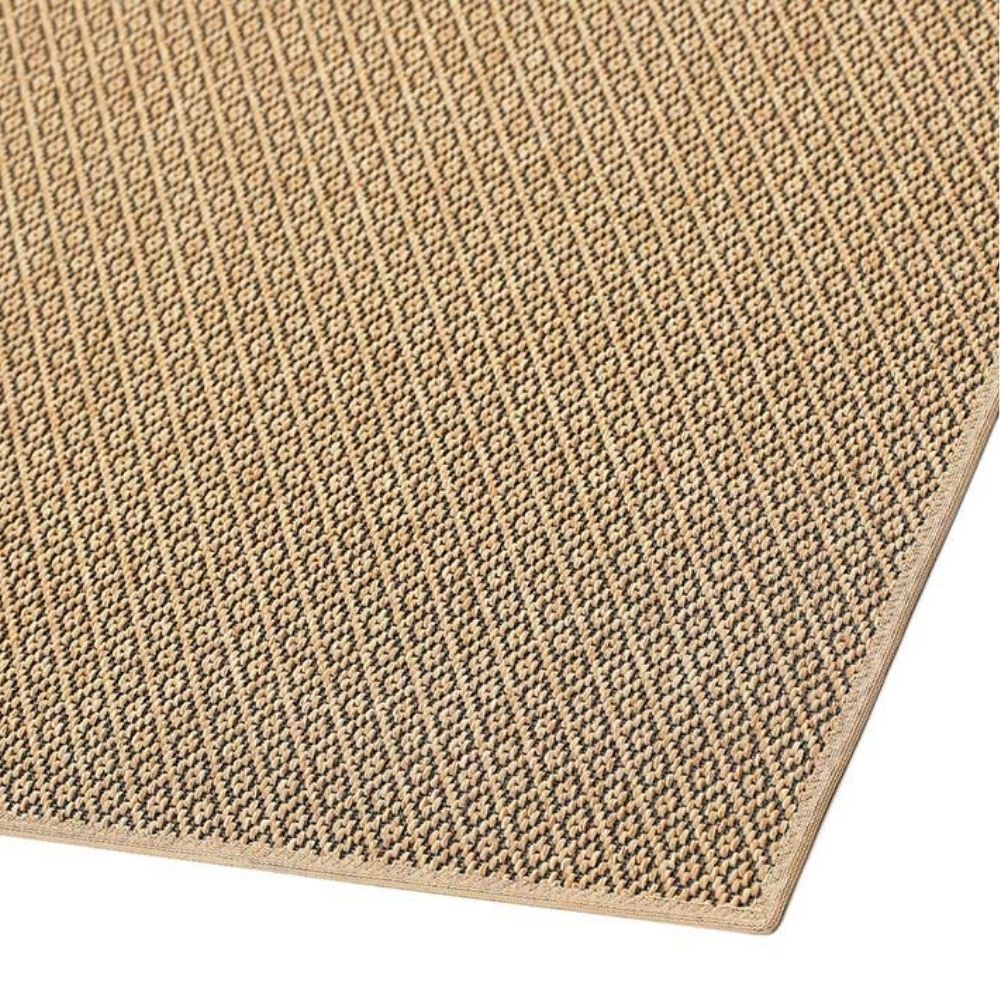
- whether the edges and corners are visible
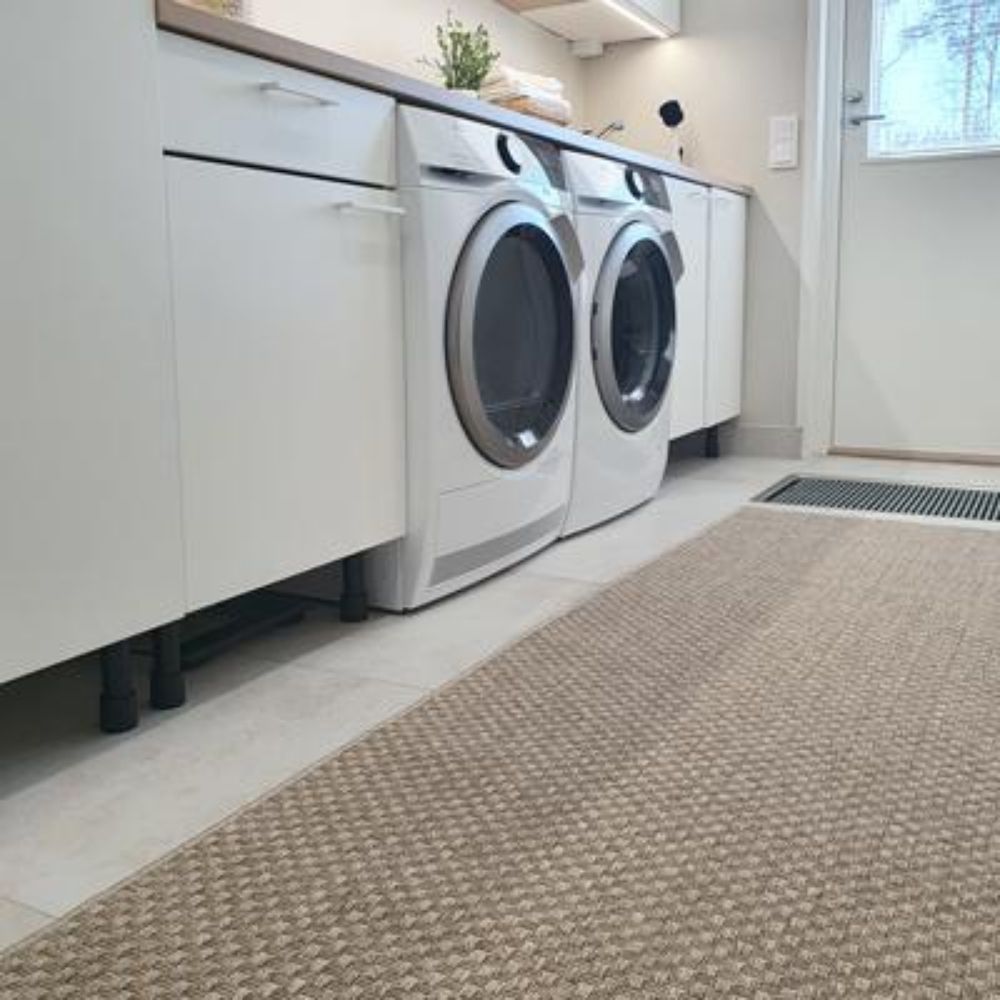
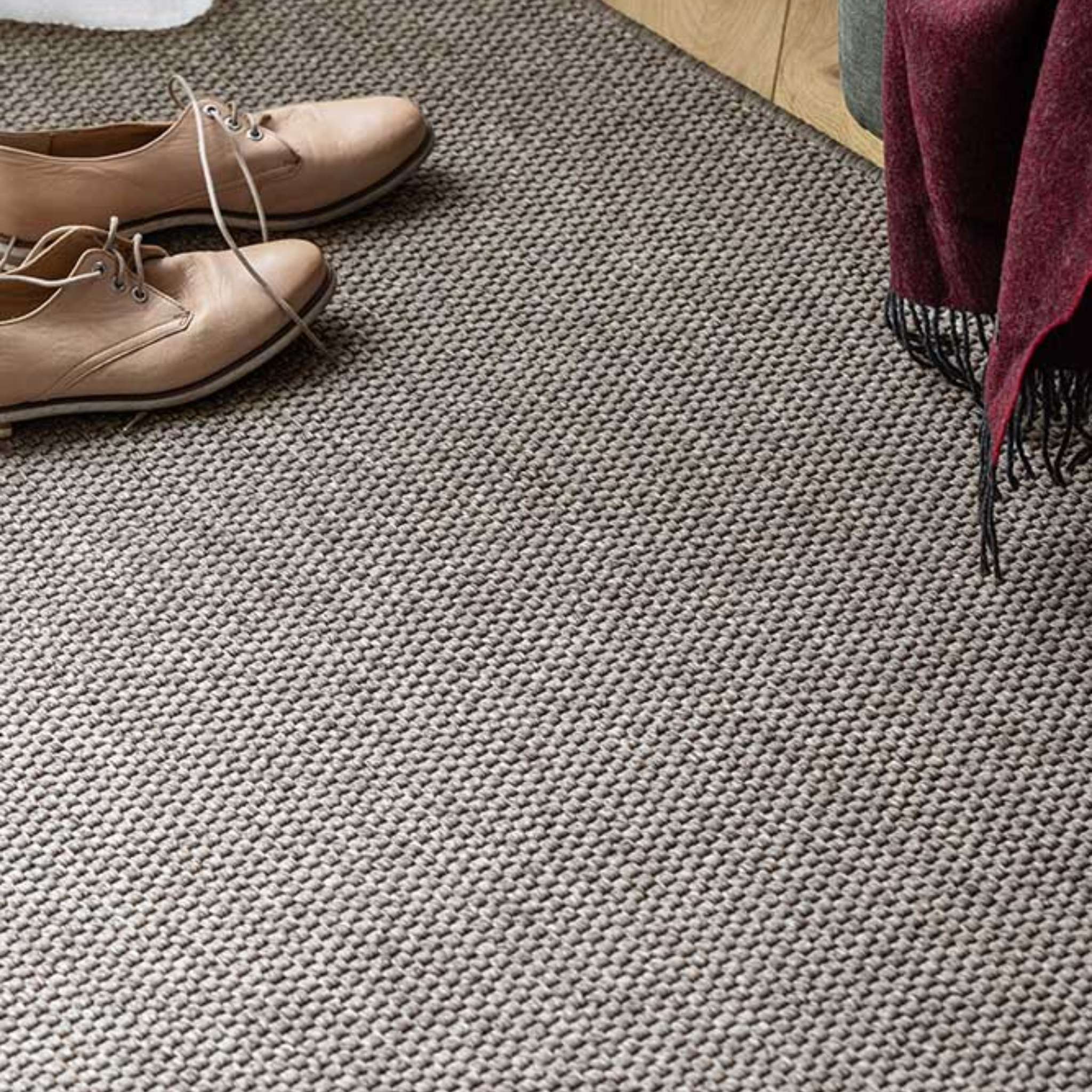
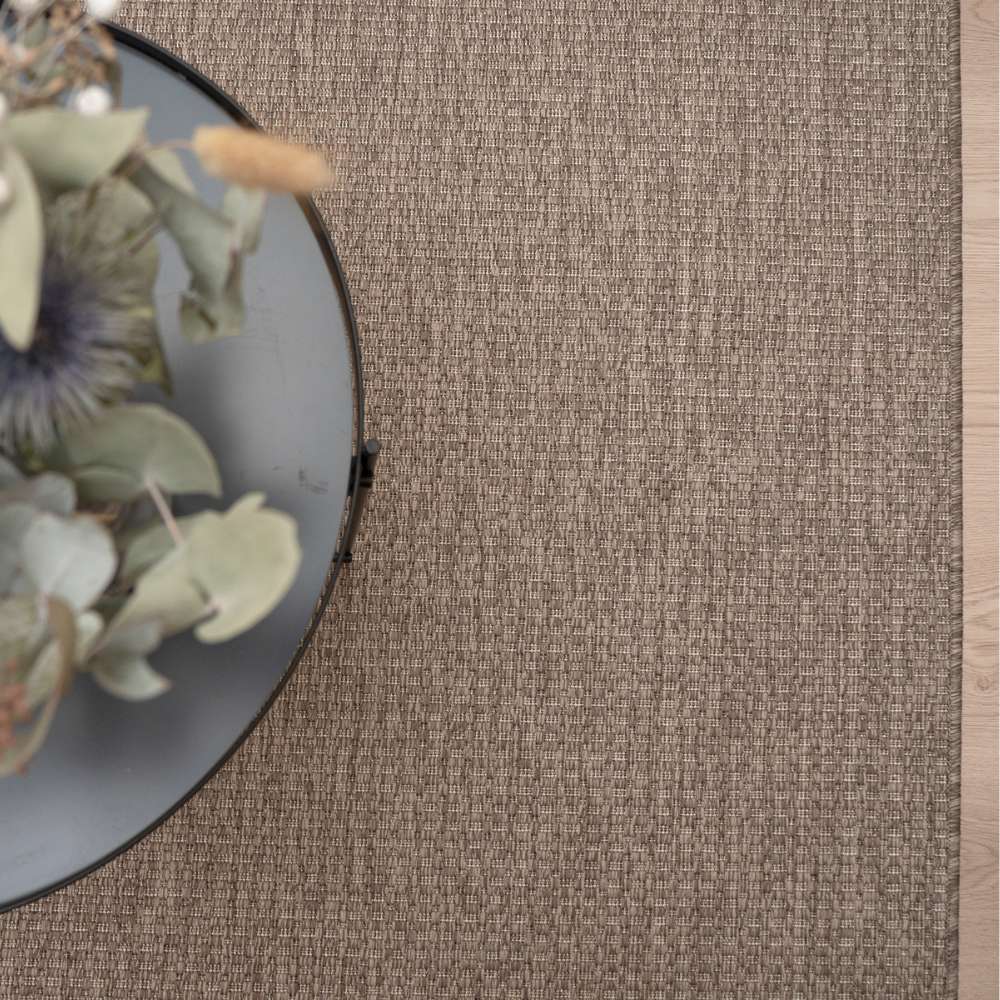
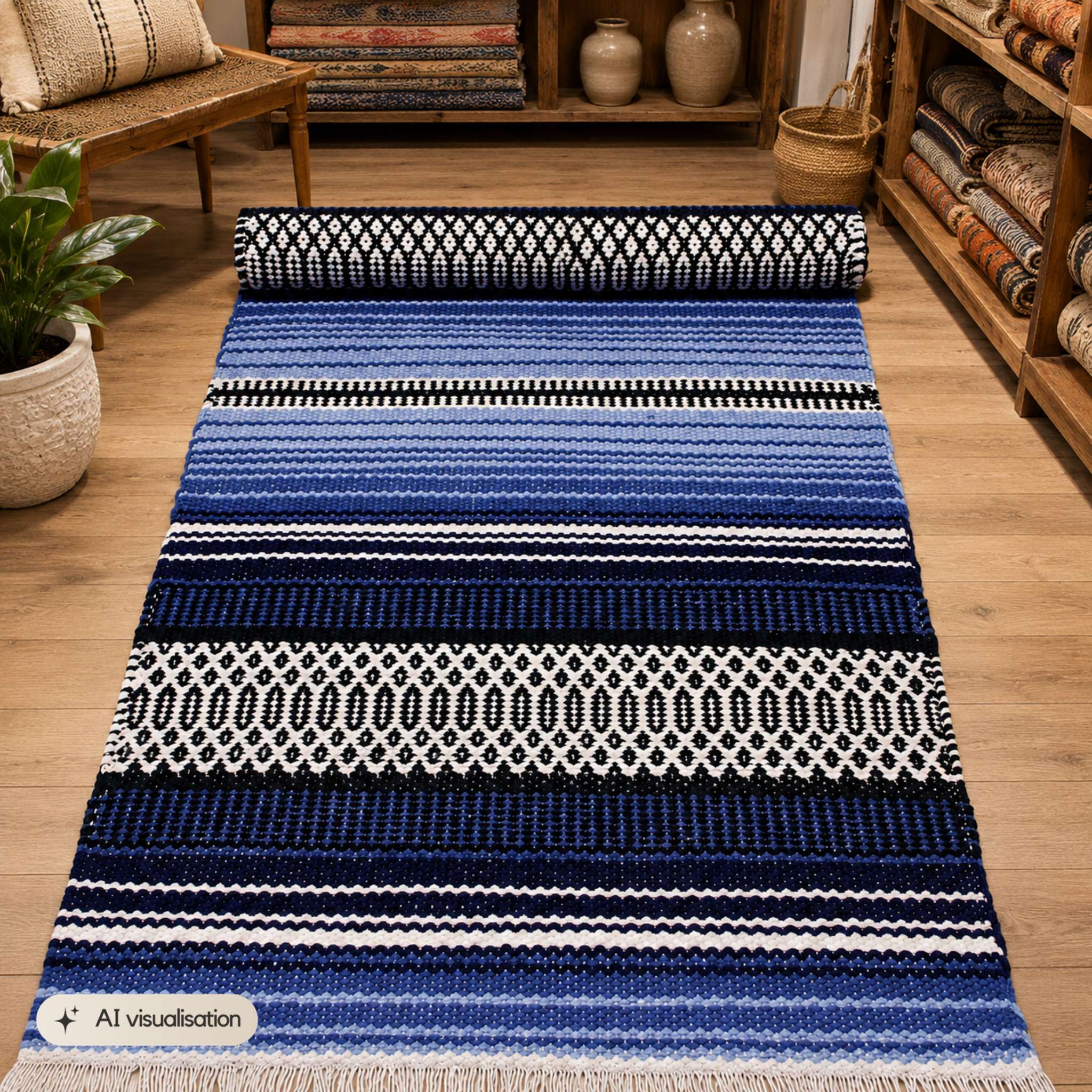
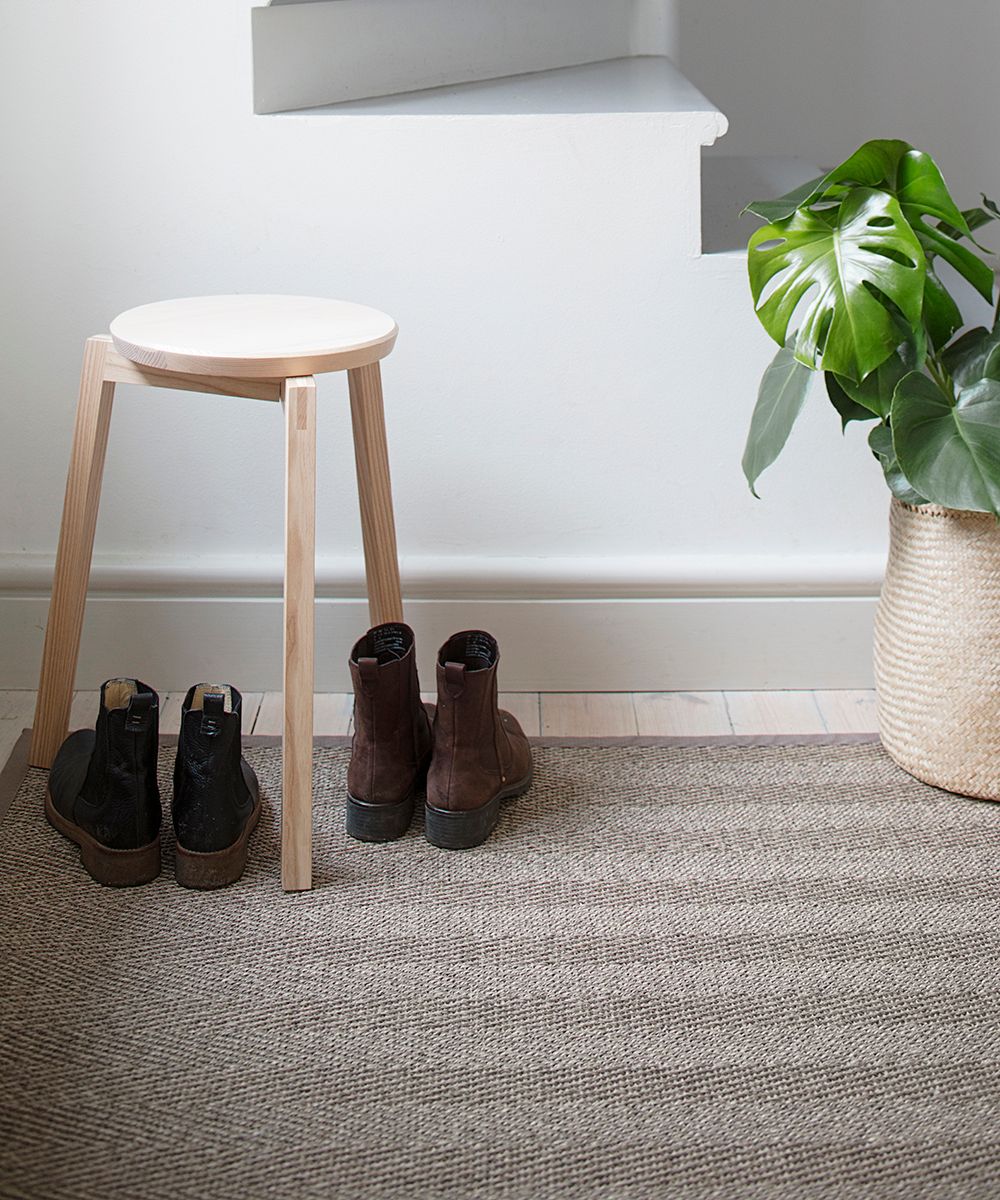
- whether the rug is shown in a furnished room
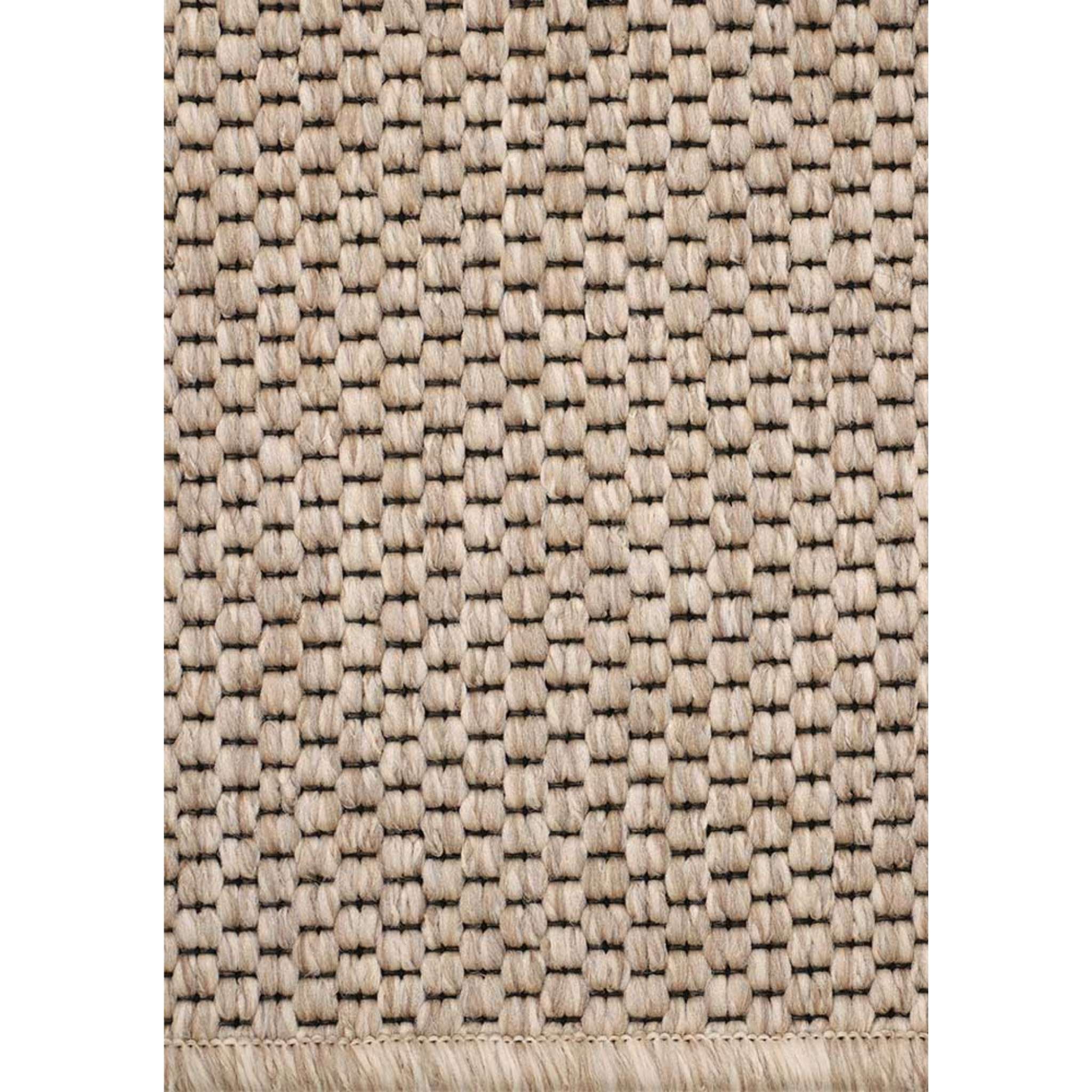
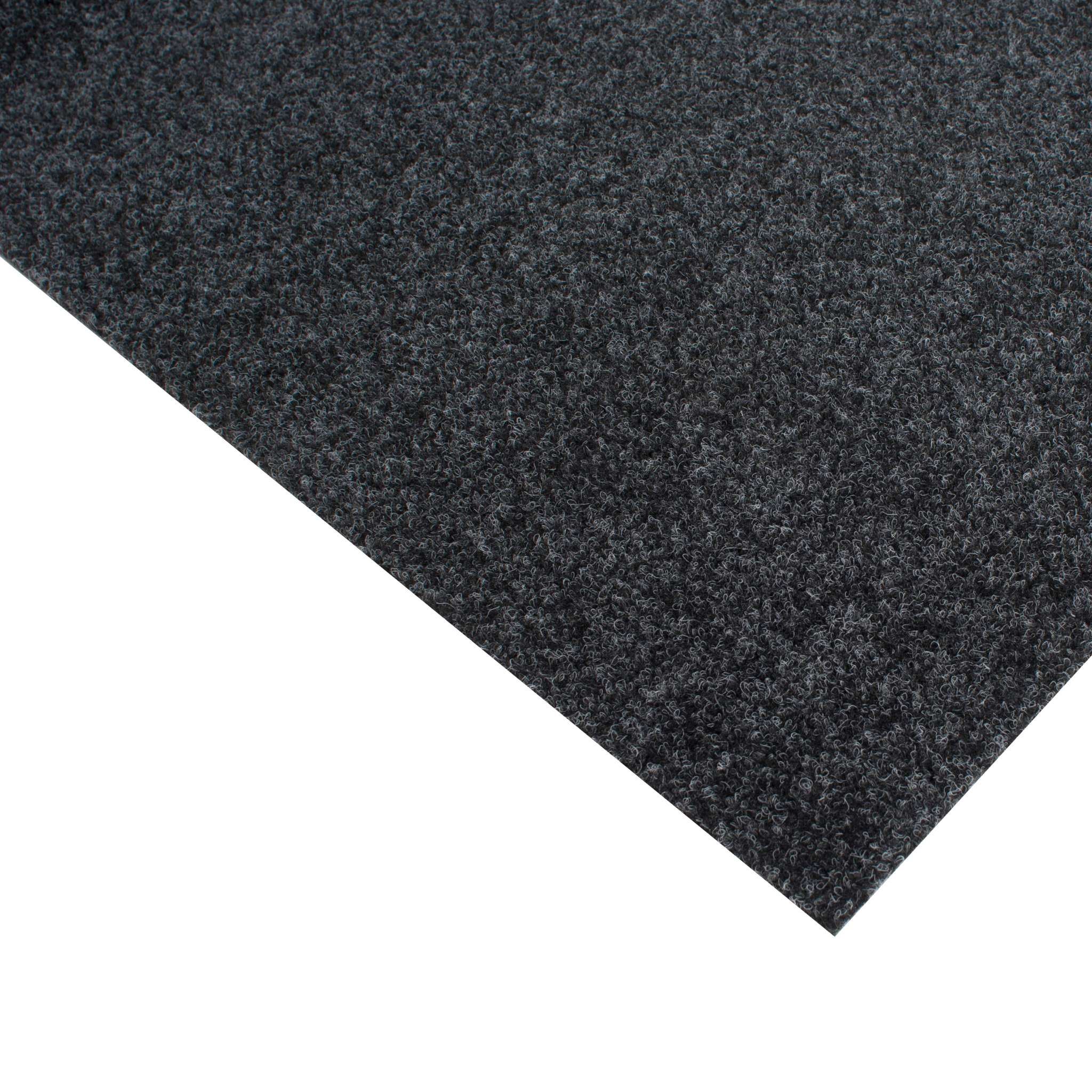
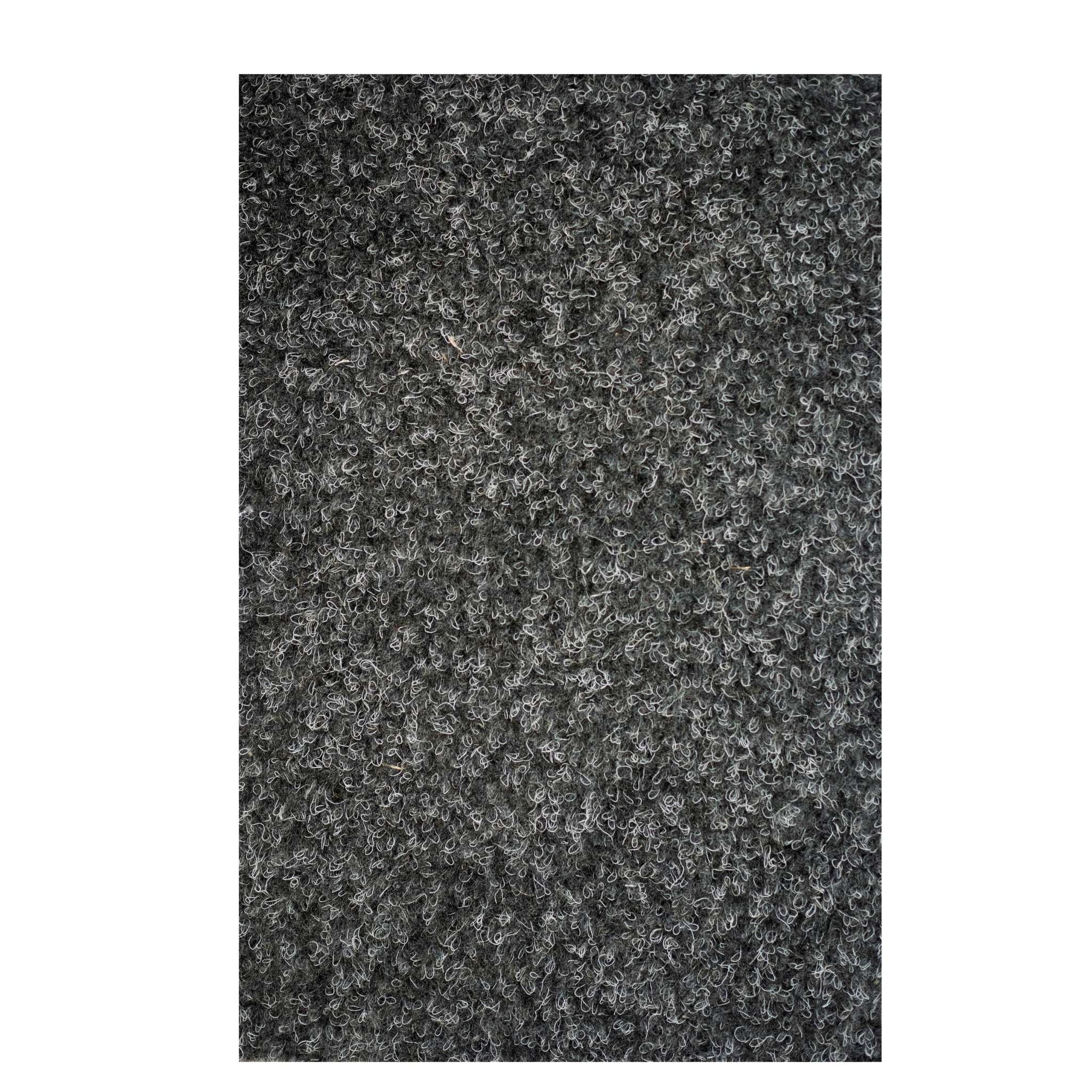
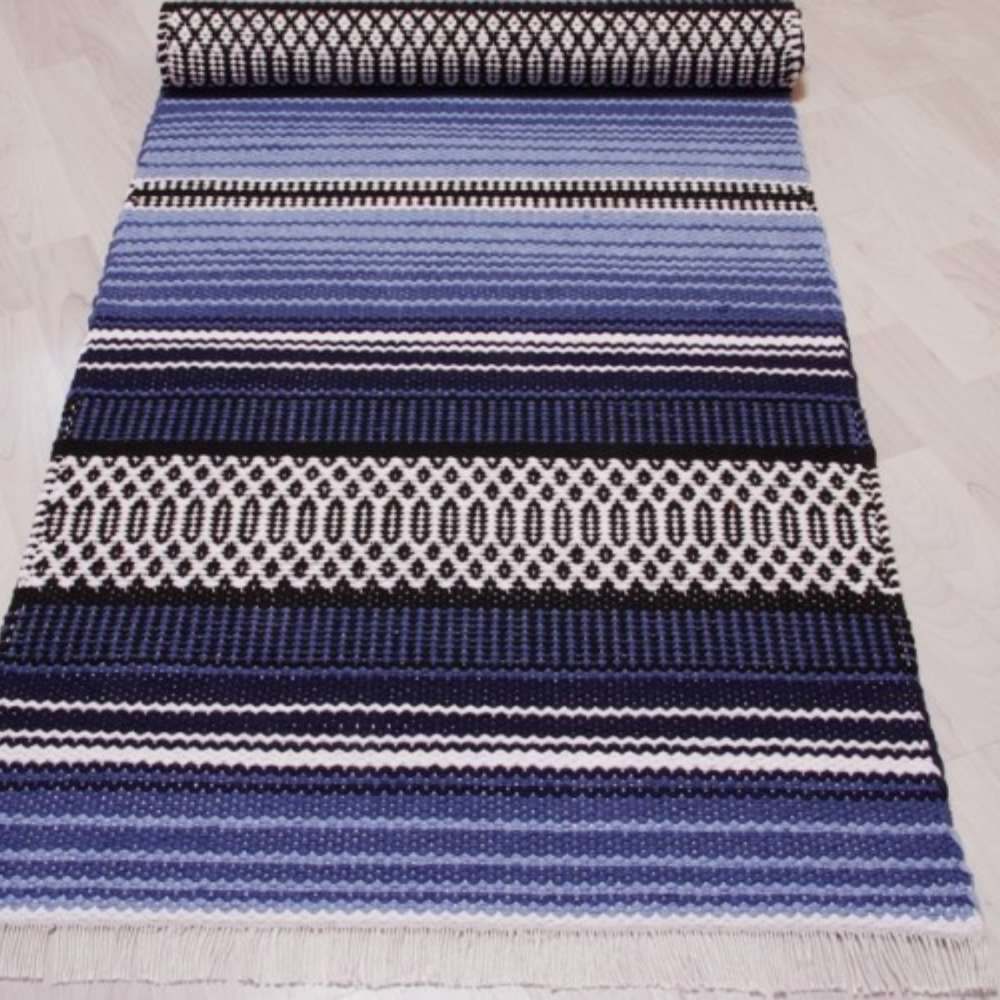
- whether the pile or weave can be examined closely
- whether the colour looks different in lighter and darker photographs
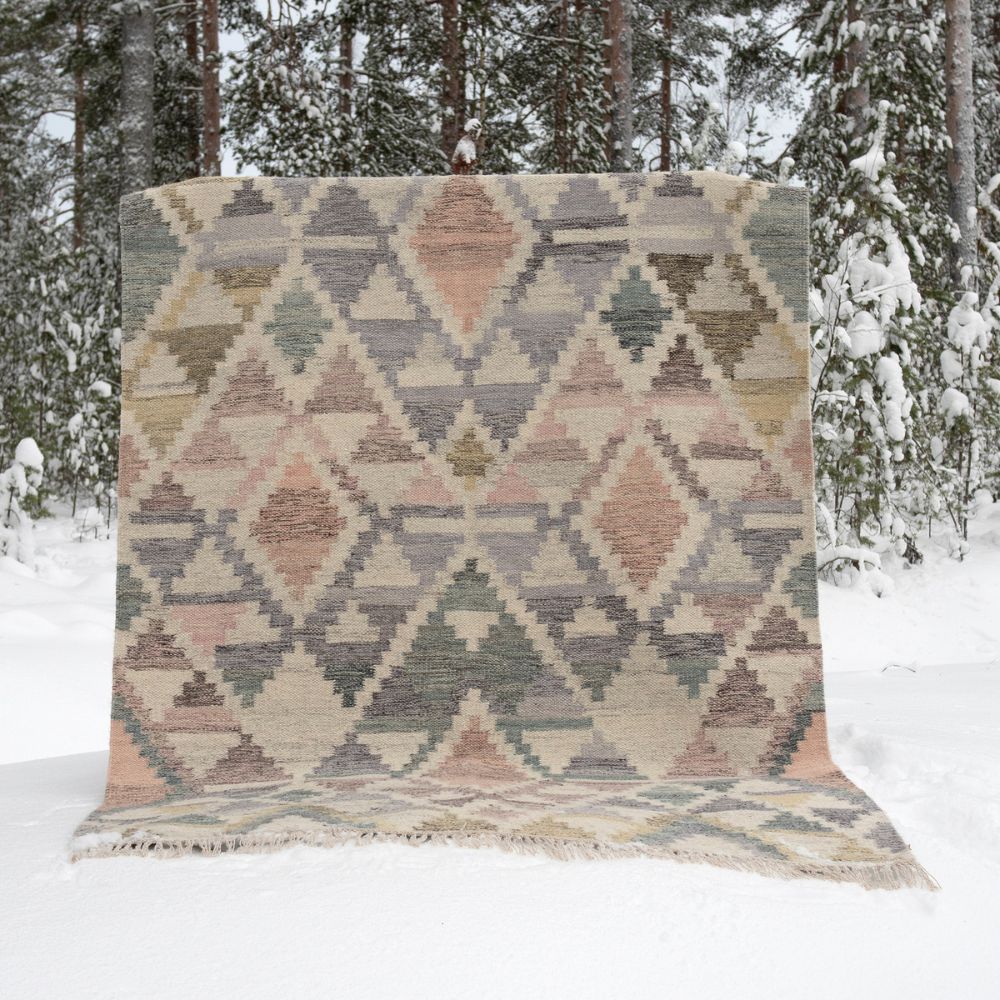
- whether the rug is shown from several directions
- whether the image represents the selected colour and size
If several colour options are displayed, make sure you are viewing the colour you intend to order. Check whether the main image changes when you select a different colour.
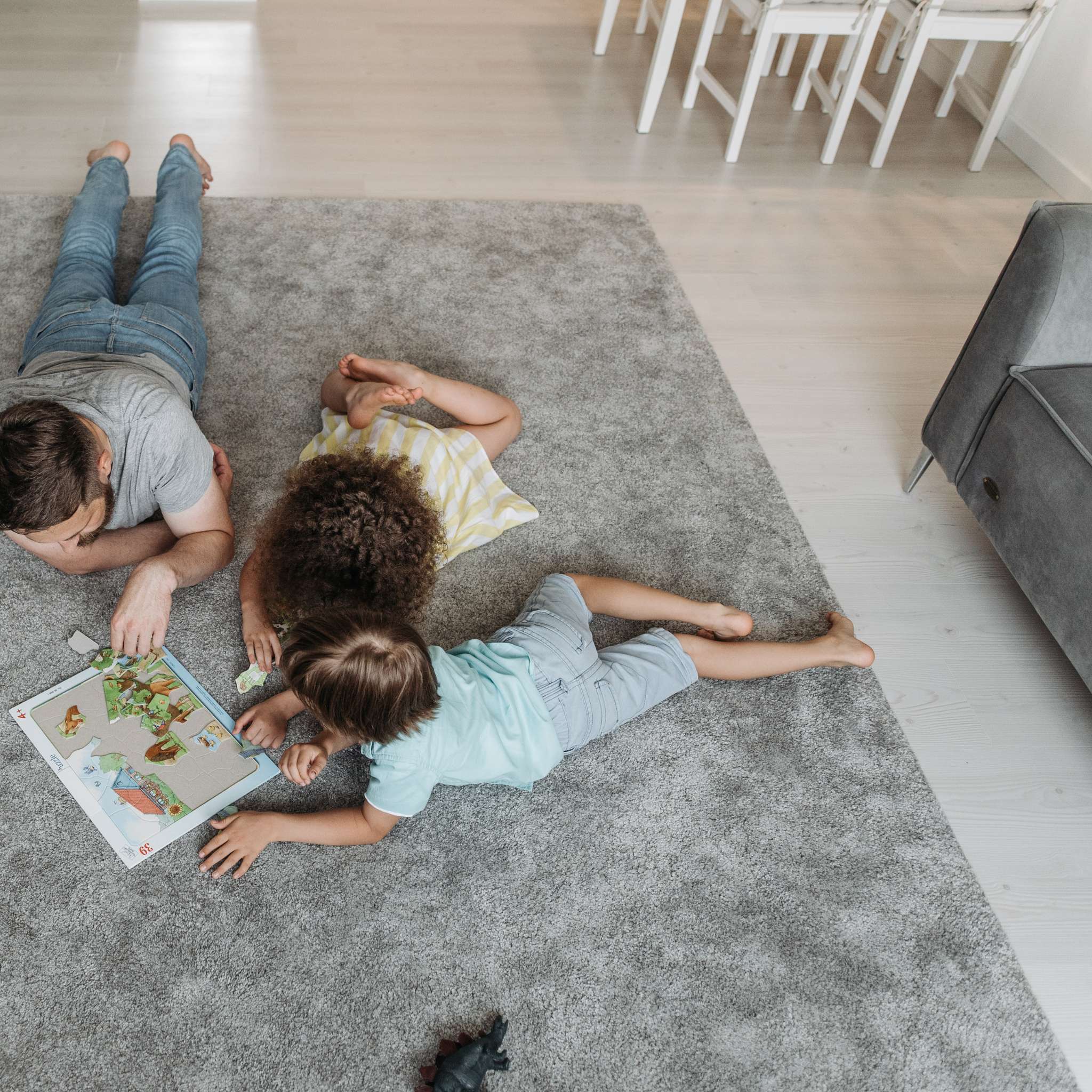
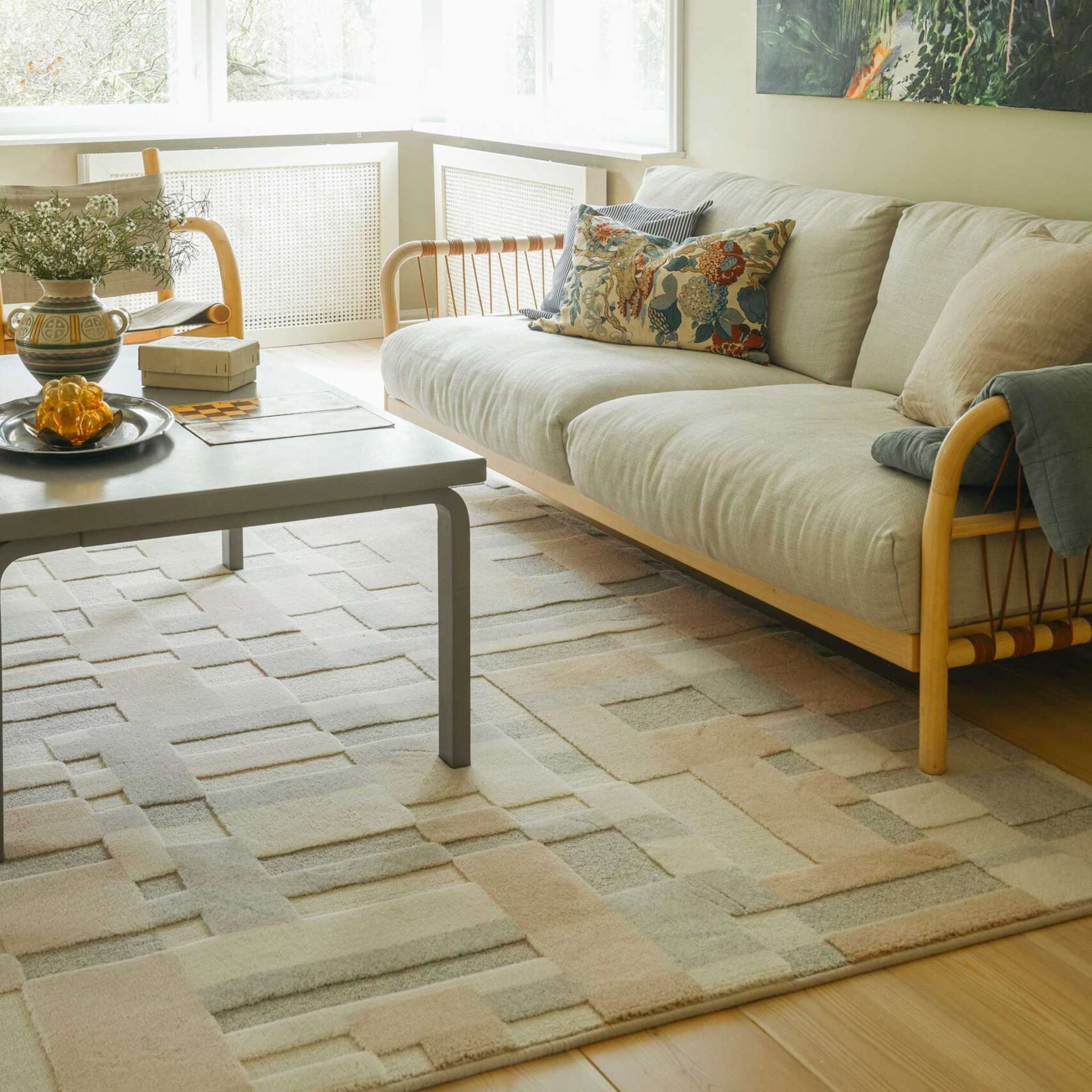
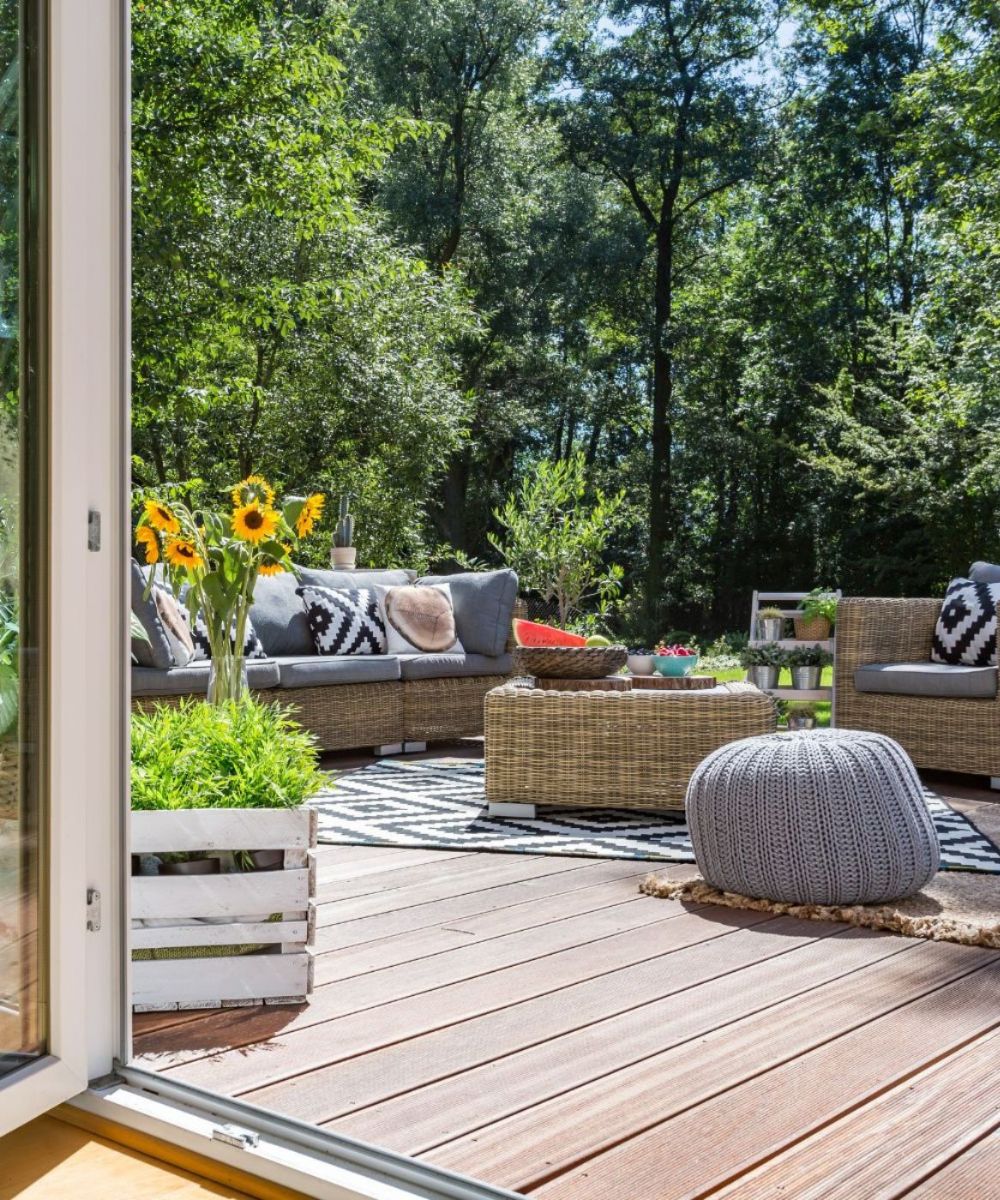
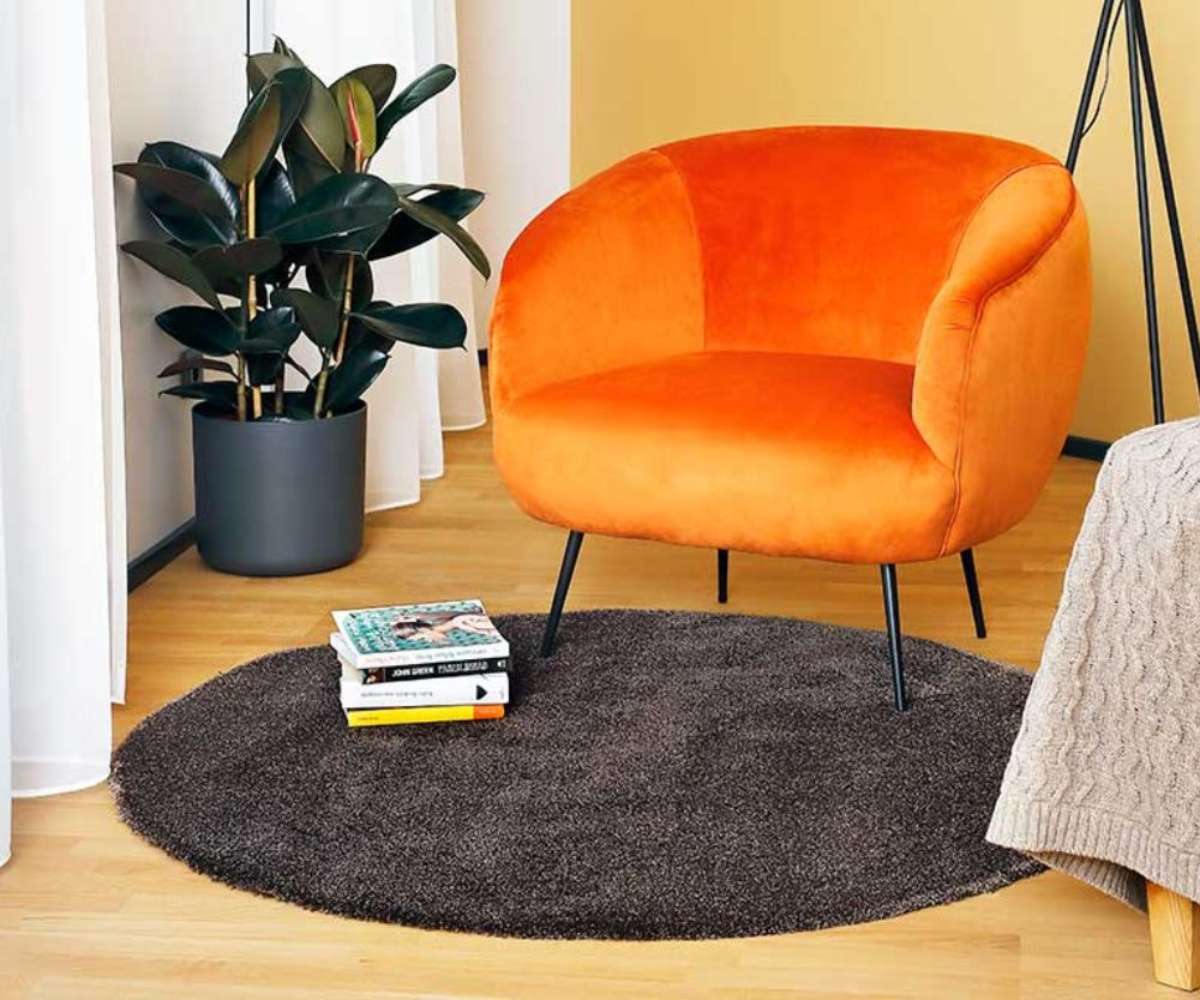
The rug shown in an interior photograph may also be a different size from the one you are considering. Do not use the photograph to estimate scale unless the dimensions of the pictured rug are stated.
Colour Changes in Different Surroundings
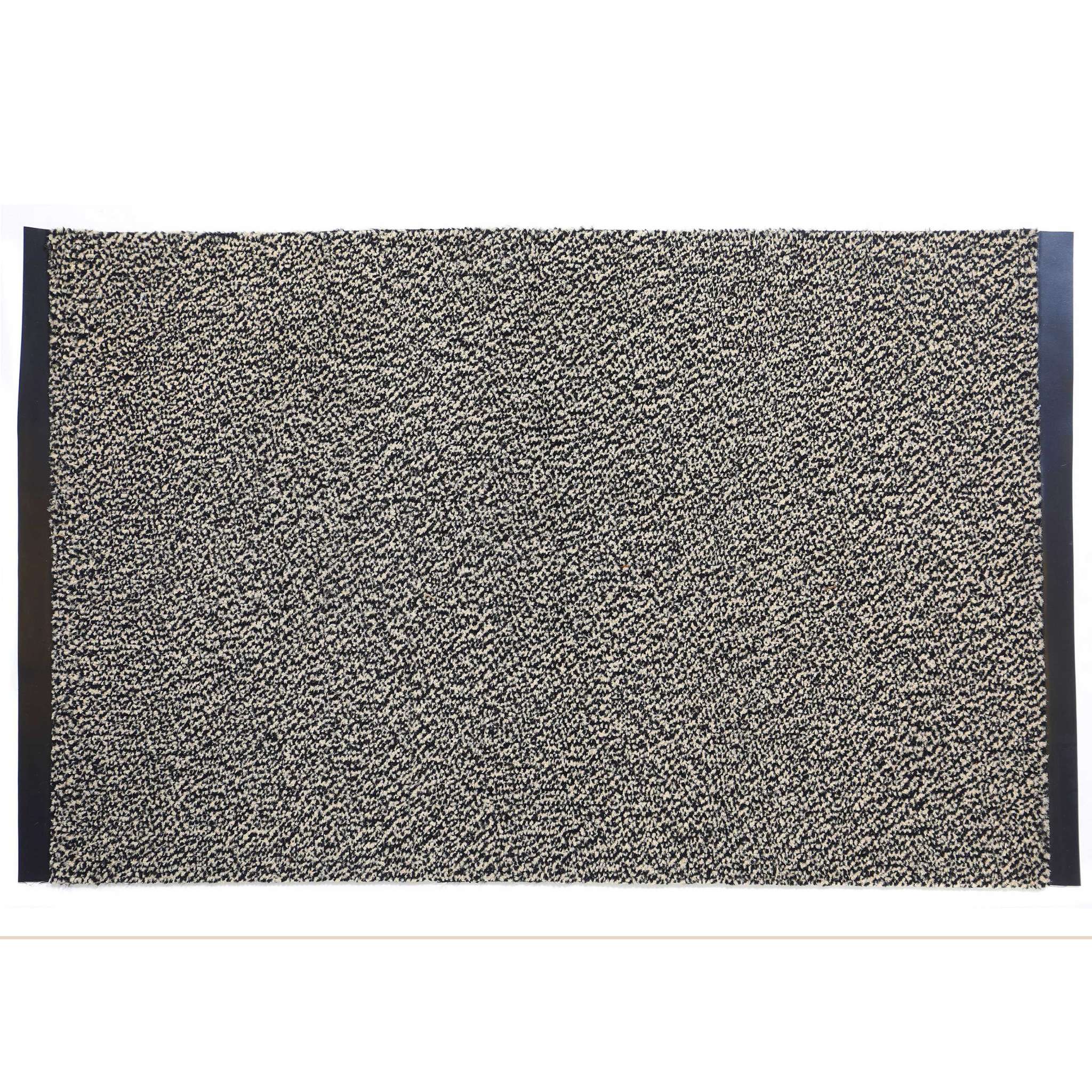
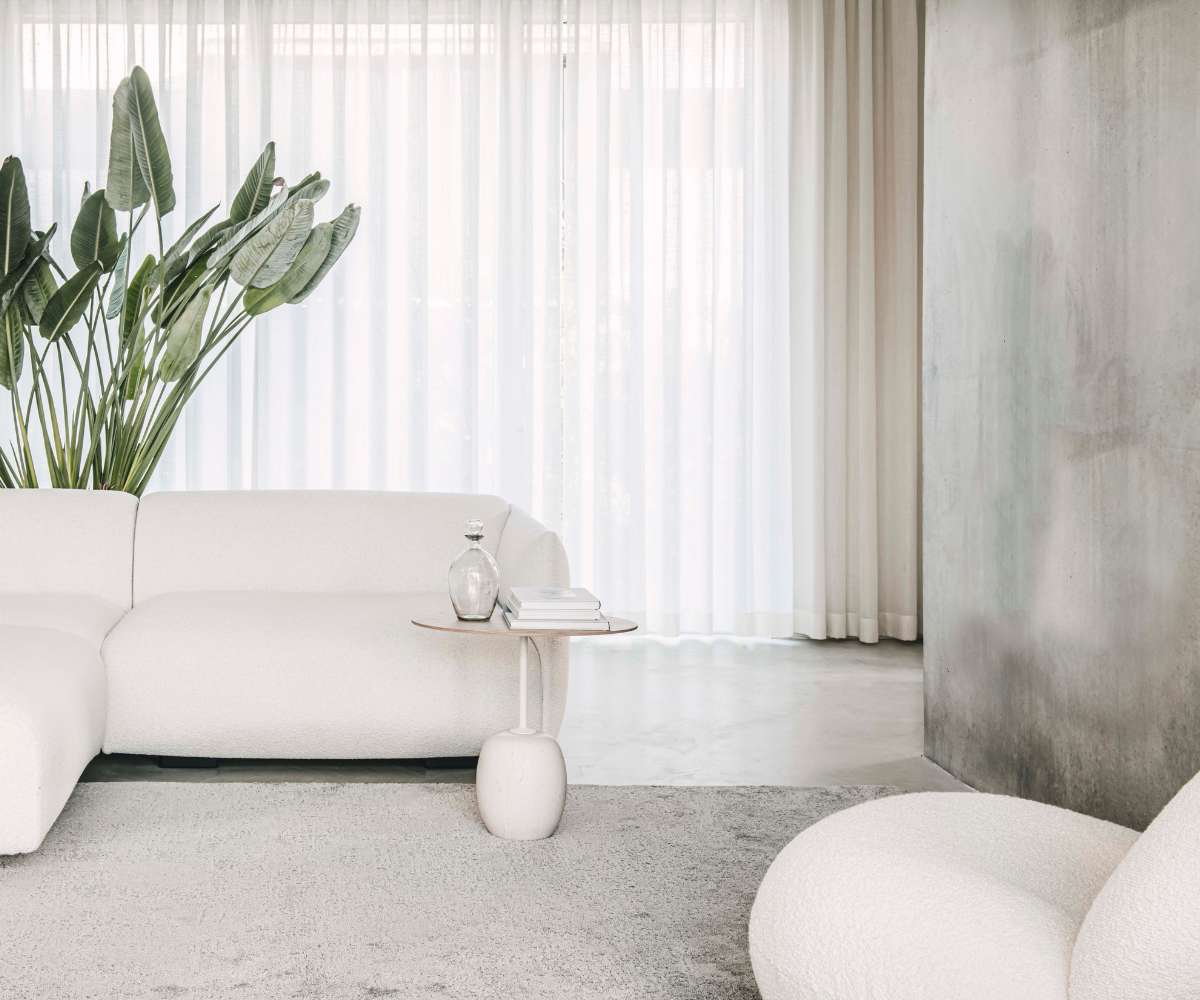
The appearance of a rug colour is affected by screen settings, lighting, time of day, flooring and surrounding furniture. The same beige can appear relatively cool beside a grey floor and warmer in a room with natural wood.
This does not necessarily mean that the product image is inaccurate. Colours naturally change in relation to the light and surfaces around them.
When evaluating a rug colour online:
- view the images on more than one screen if possible
- avoid screen settings that significantly alter colours
- examine both product and interior photographs
- read the written colour description
- identify the undertones of your floor and walls
- compare the rug with the room’s largest pieces of furniture
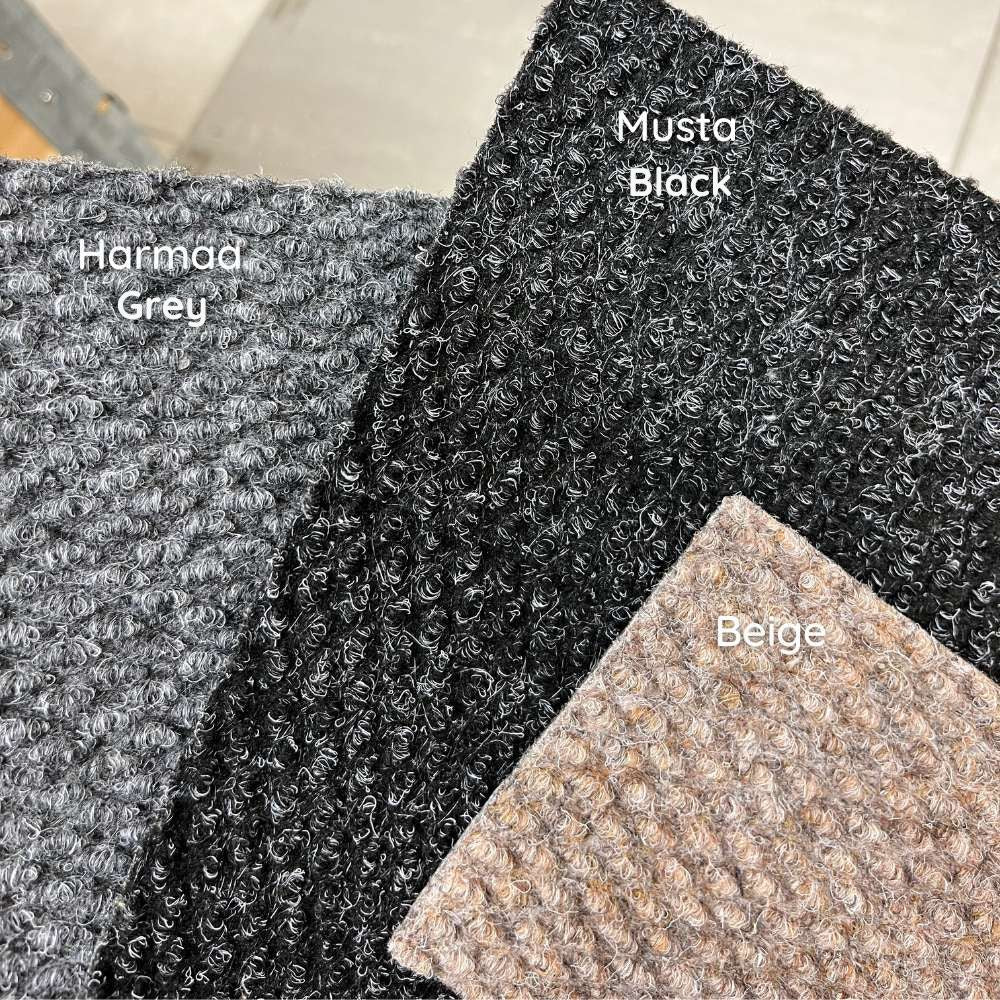
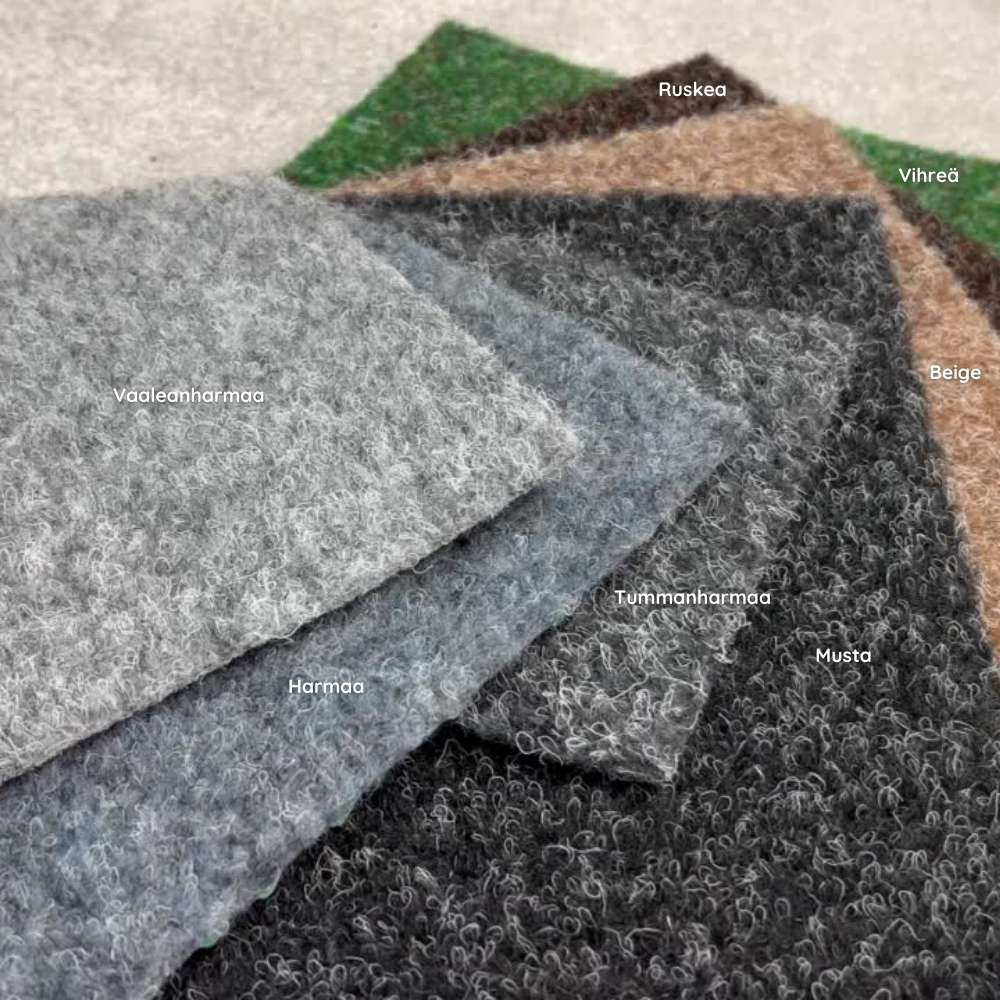
- order a sample when one is available
The undertone may matter more than the colour name
A beige rug may have a grey, yellow, brown or pink undertone. Grey can be cool, warm, blue-toned or brown-toned. The colour name alone may not describe these differences.
Examine the room’s permanent or dominant surfaces: the flooring, walls, sofa, curtains and larger furniture. If these elements have warm undertones, a warm rug colour may connect with them naturally. In a cooler interior, a grey- or blue-toned rug may create a more consistent result.
This is not an absolute decorating rule. Deliberate contrast can also work beautifully. Recognising the undertone simply helps explain why two rugs described with the same colour name can look very different in your home.
Use a Sample When Colour or Texture Is Important
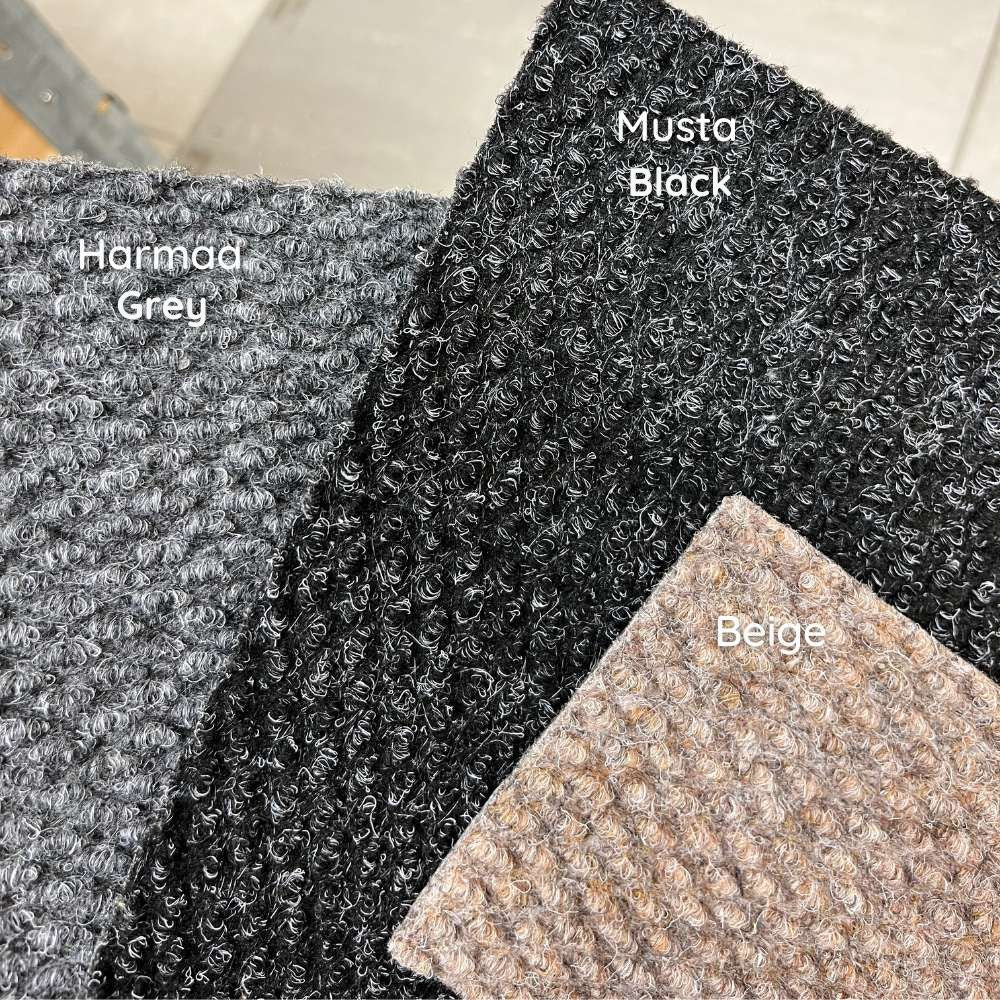
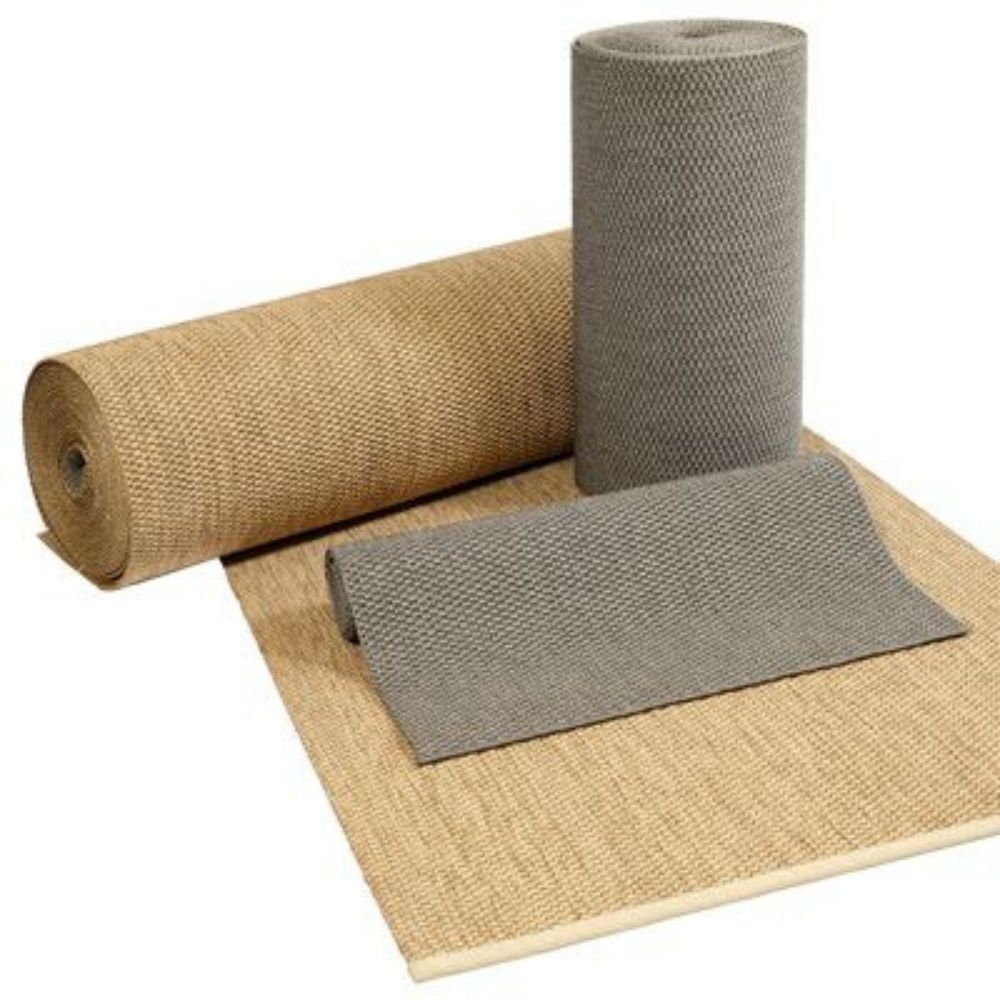
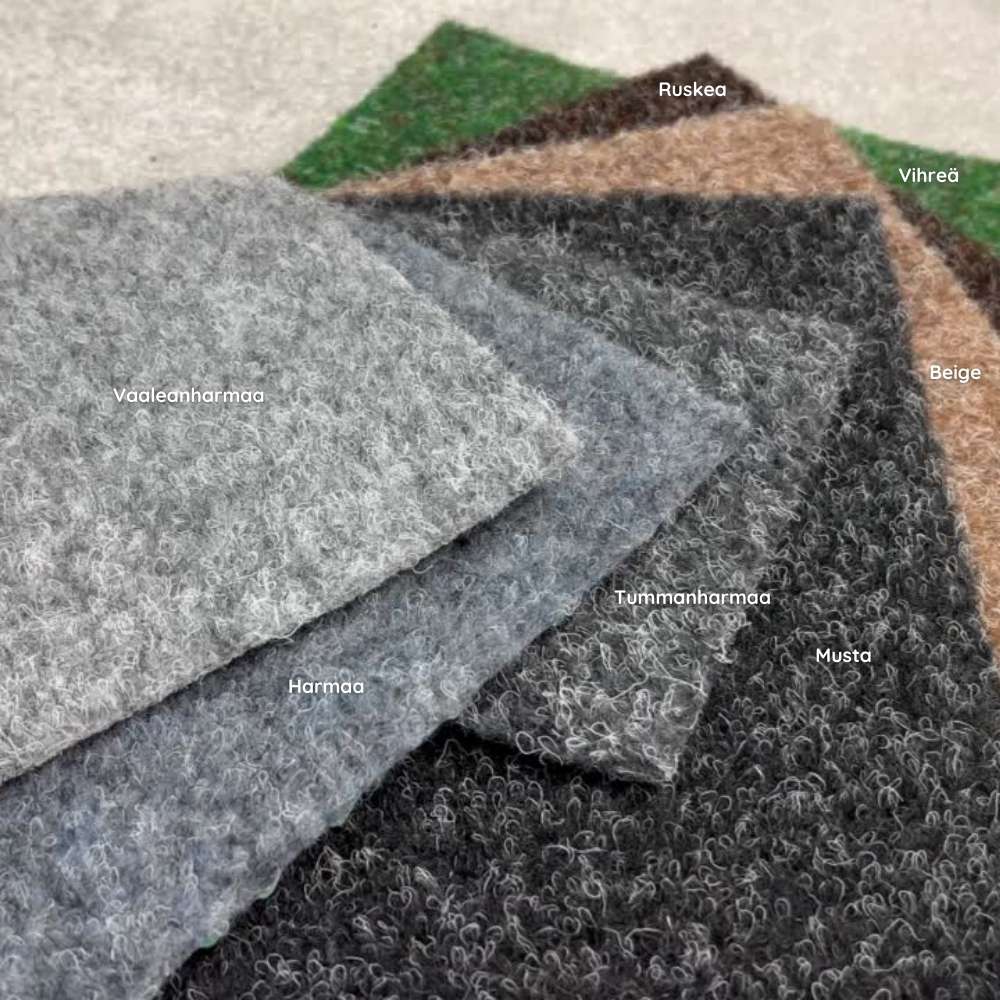
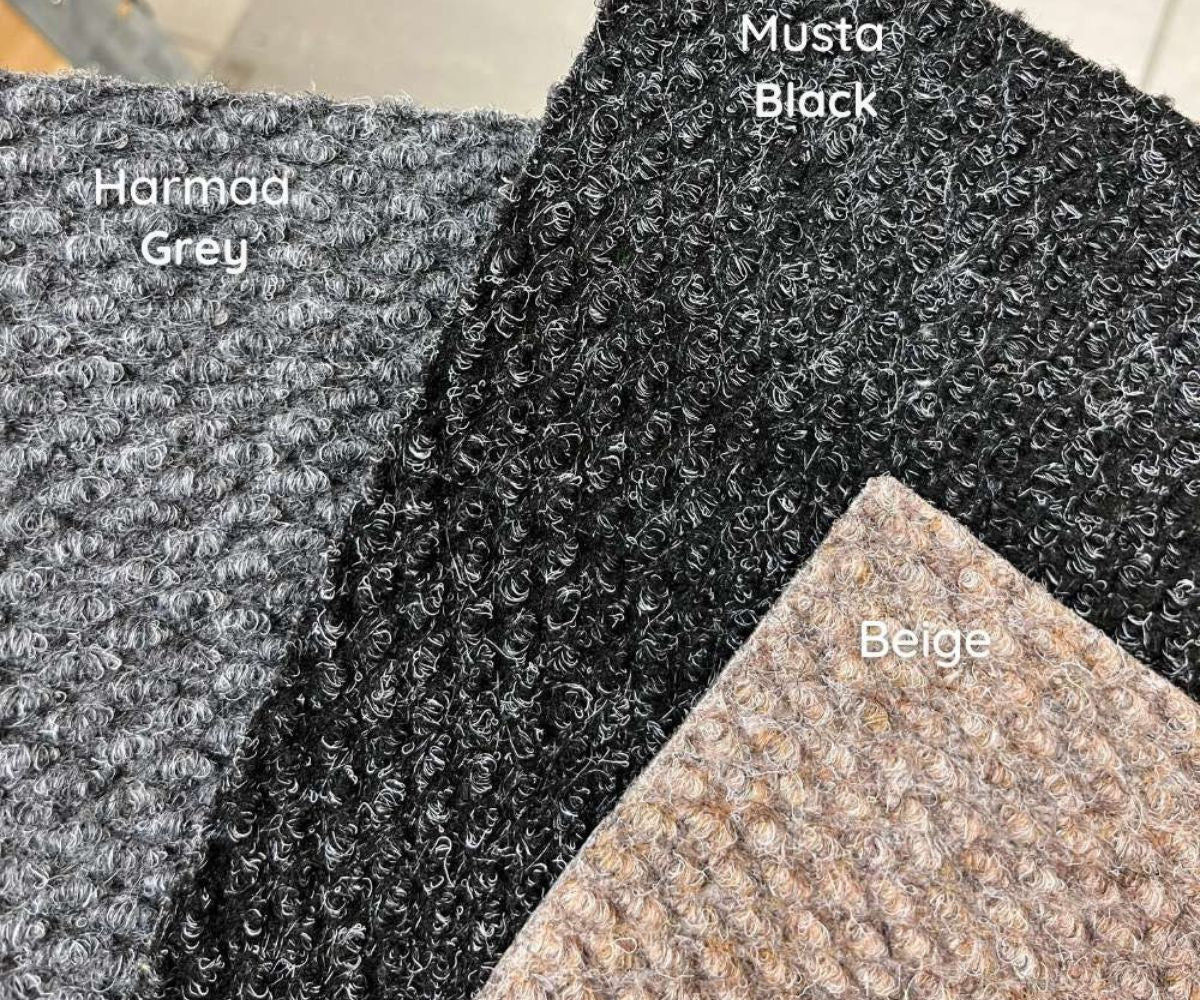
A rug sample is particularly useful when the rug will be made to custom measurements, several colour options are very similar or the feel of the material is an important part of the decision.
Samples are available for selected products, but they should not be assumed to be available for every rug. Always check the information provided for the particular product.
A sample can help you assess:
- how the colour appears in your own lighting
- whether the shade works with the floor and furniture
- how the surface feels
- how high or dense the pile is
- how light reflects from different directions
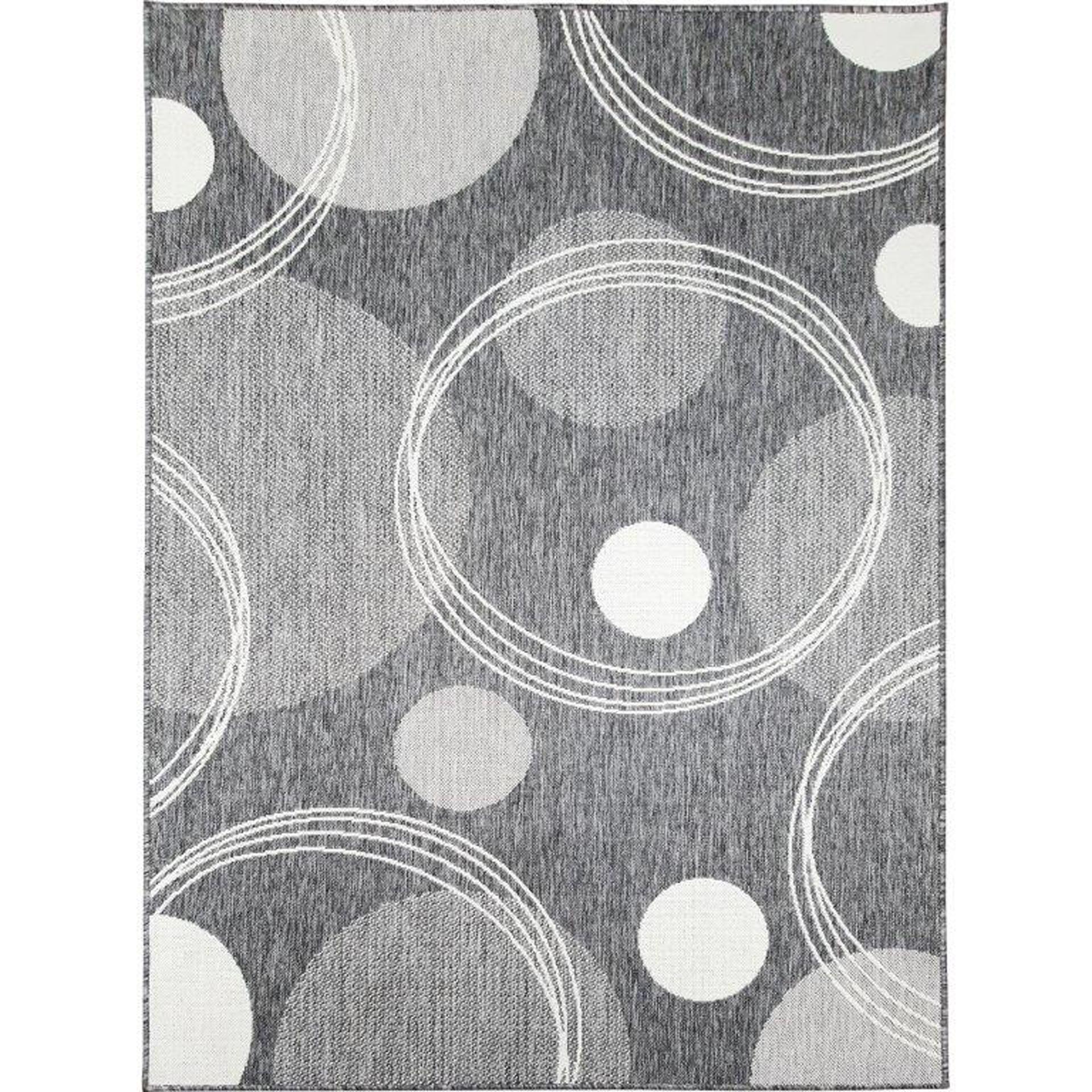
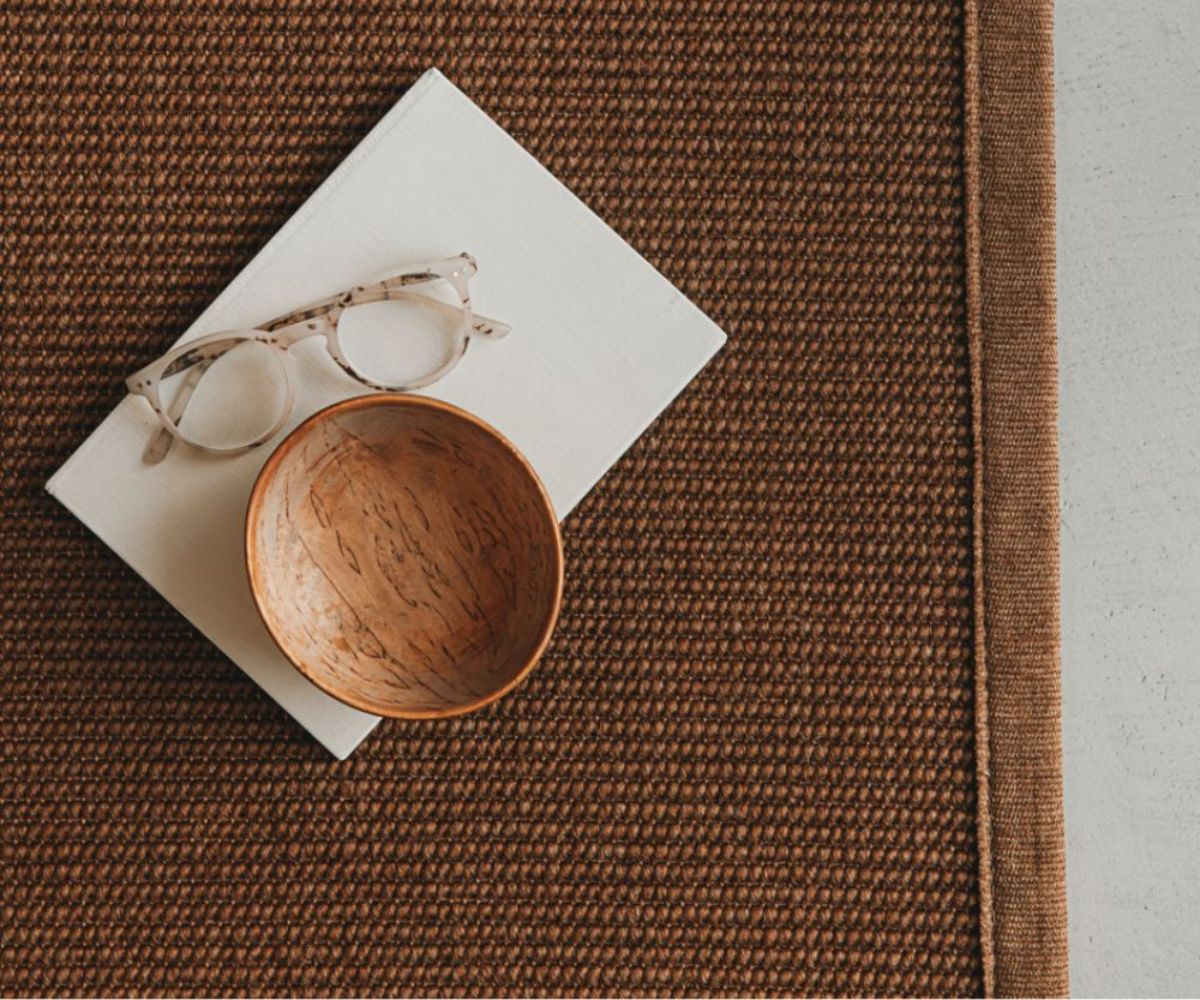
- how clearly the weave or pattern can be seen close up
- whether the colour changes between daylight and artificial light
Take the sample into the room where the rug will be used. View it during the day and in the evening. Place it beside the flooring, sofa, curtains and other large surfaces.
A small sample cannot show the scale of the complete pattern or the proportions of the finished rug. It can, however, provide valuable information about the colour, material and surface. Check sample availability and ordering details on the rug sample page.
Read All the Material Information
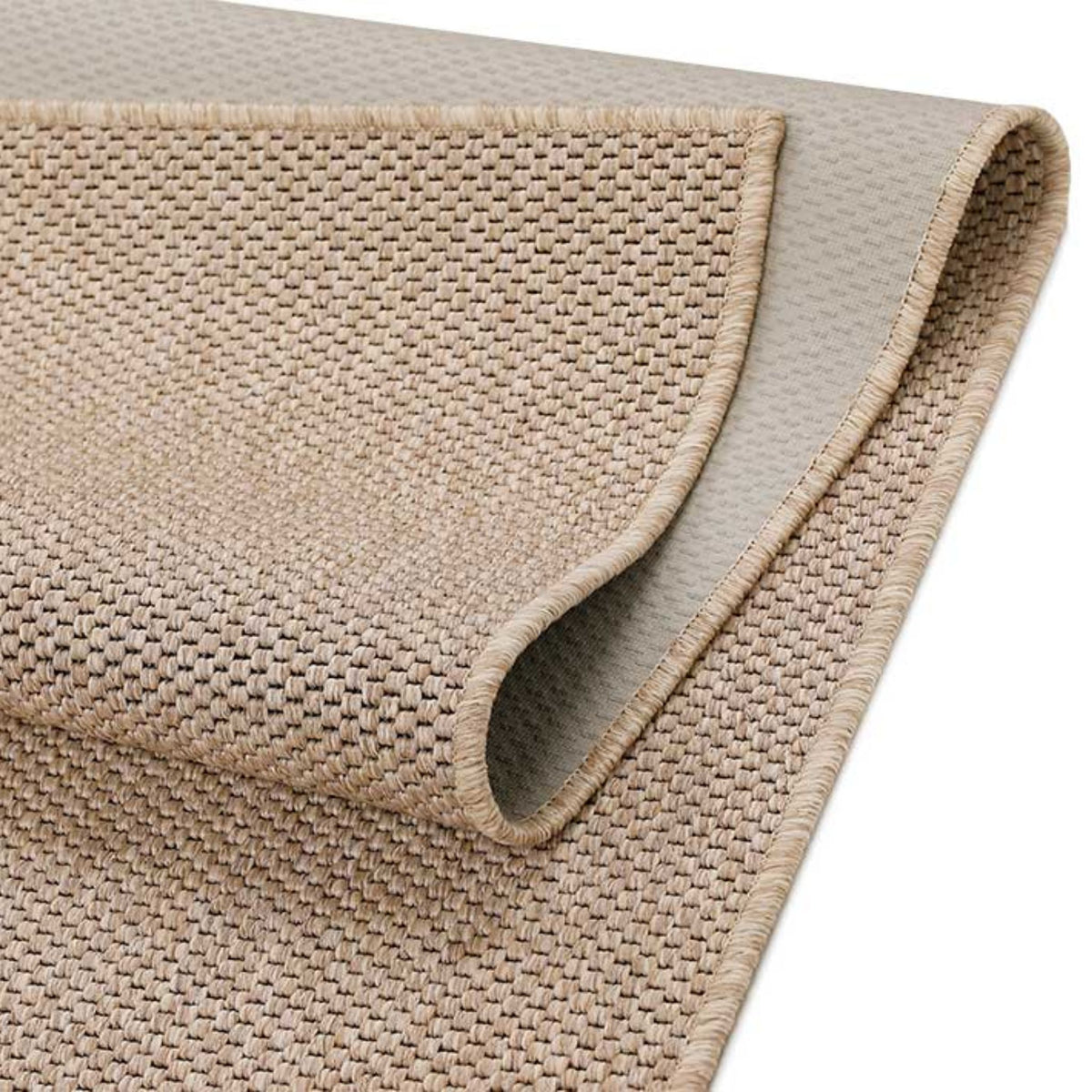
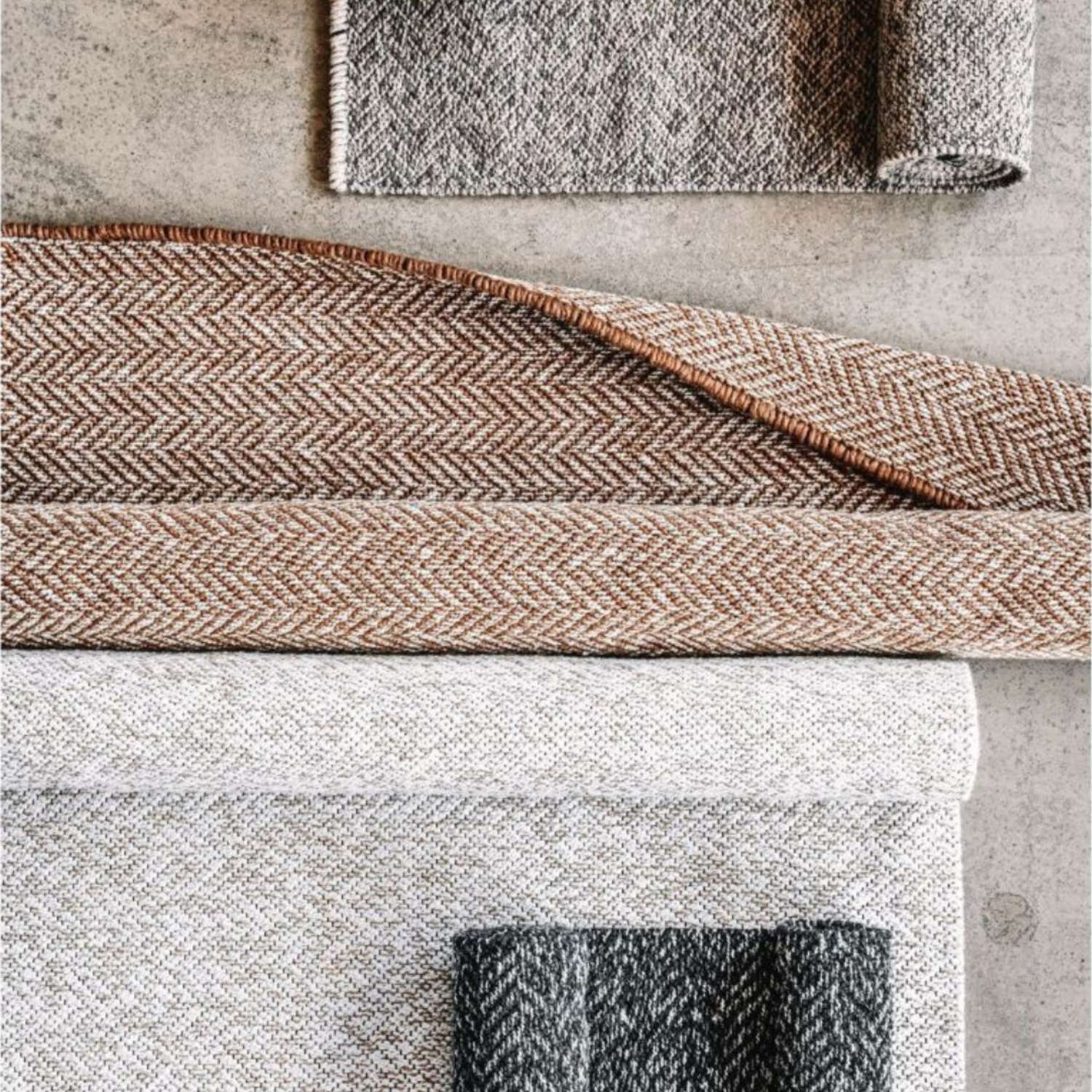
The fibre name provides only the first indication of a rug’s characteristics. The same material can be used to create flatwoven, low-pile and deep-pile rugs. The construction affects how the rug feels, how it behaves in use and what kind of maintenance it requires.
Check the product page for:
- surface material
- backing material
- pile height
- total rug thickness
- manufacturing method
- rug weight
- edge finish
- any separate backing
- product-specific care instructions
- stated suitability for particular rooms
If an important detail is missing, do not try to determine it from the photographs alone. A surface that looks soft may be dense and firm or light and airy. Ask customer service to confirm any information that could affect the decision.
Different fibres and rug constructions are compared in greater detail in the rug materials guide.
Surface Construction Affects Everyday Use
The surface influences vacuuming, softness, furniture movement and how easily small pieces of dirt settle into the rug.
Flatwoven surface
A flatwoven rug is usually firm and relatively low. It can be a practical option in a dining area, entrance or another room that requires regular vacuuming.
An even surface does not automatically mean that the rug can be washed with water or that it is easy to maintain in every situation. Always read the product-specific care instructions.
Low pile
A low-pile rug can combine a softer feel with relatively straightforward vacuuming. It can work well in living rooms and bedrooms, although pile density and material vary considerably between products.
Deep pile
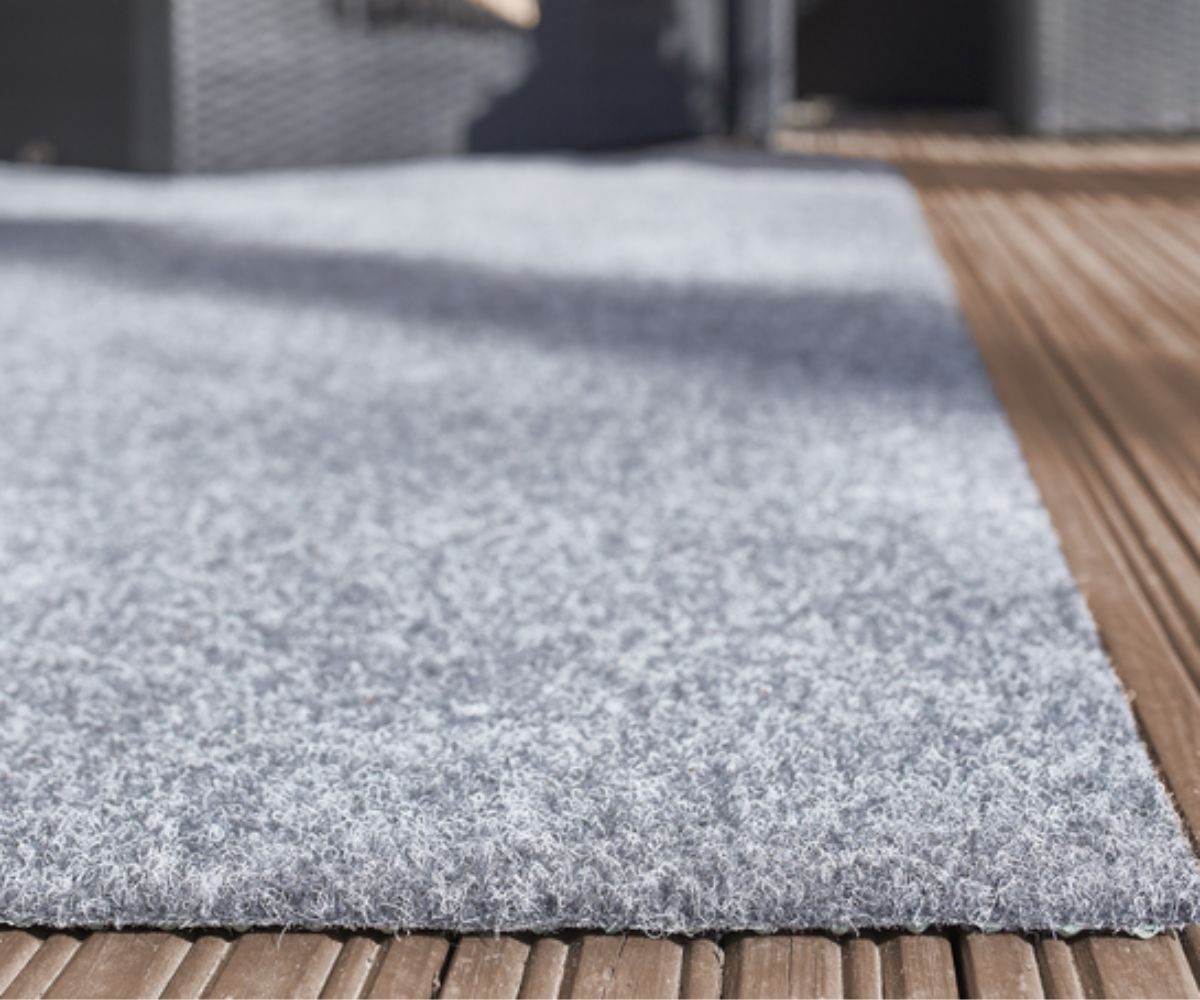
A deep-pile rug may feel particularly soft and add a generous texture to the room. Its surface can require more thorough vacuuming, and small pieces of dirt or objects may settle between the fibres.
Looped surface
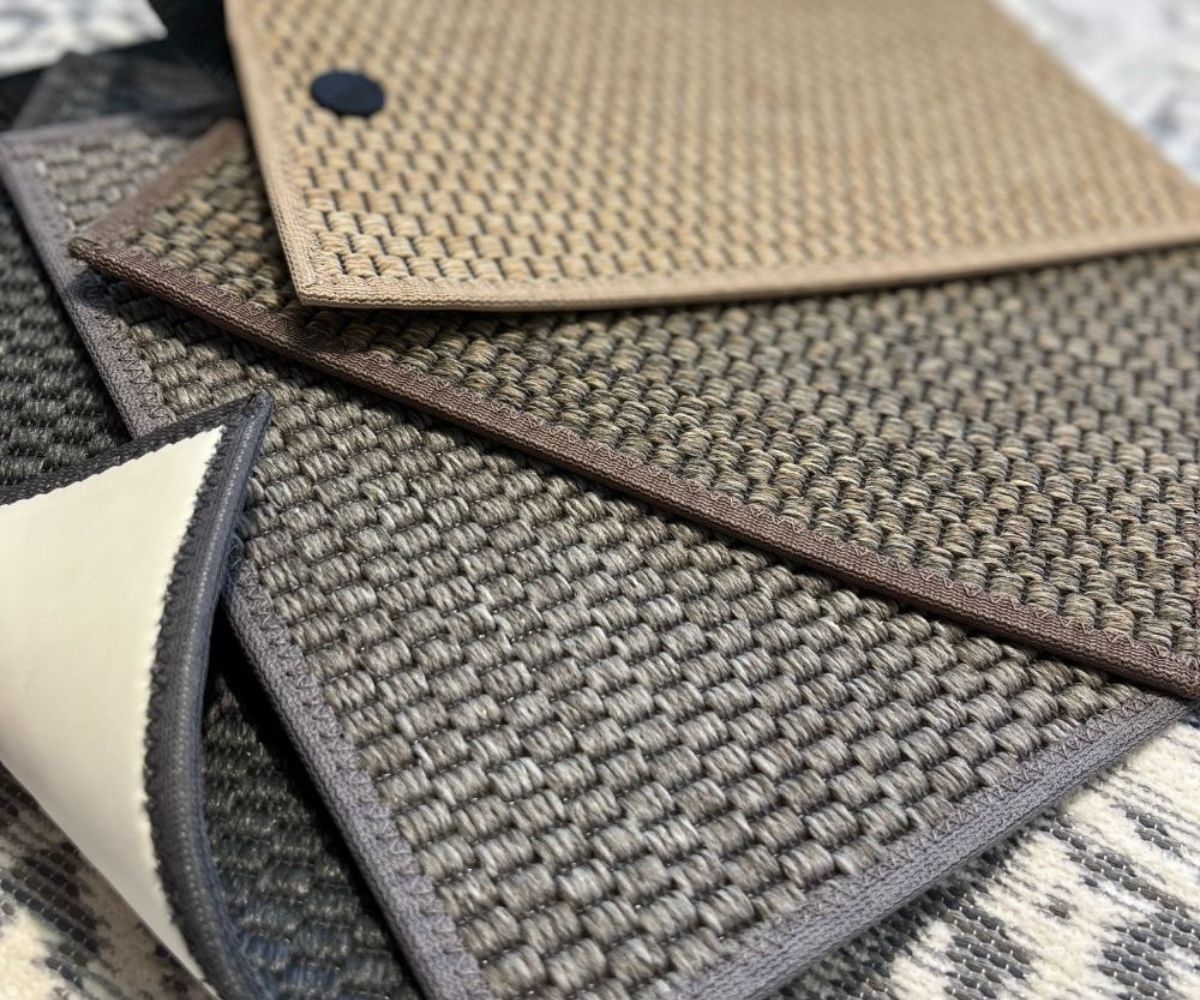
A looped construction can feel firm and add visible texture. If there are pets in the home or another risk of objects catching on the surface, examine the particular loop construction carefully.
Check the Thickness, Edges and Backing
When shopping online, colour and pattern can easily receive most of the attention. In everyday use, the total thickness, edge construction and backing can be equally important.
Pay particular attention to thickness when:
- the rug will be placed near an opening door
- a robot vacuum needs to cross it
- dining chairs will move across the surface
- part of the rug will sit beneath low furniture
- a separate anti-slip underlay will be used
- the room has low thresholds
Examine the edge construction as well. Are the edges bound, folded, fringed or formed as part of the weave? Edges affect both the appearance and how the rug lies on the floor.
An integrated backing may help a rug remain in place, but not every rug has one. Depending on the flooring, rug weight and intended use, an unbacked rug may need a separate anti-slip underlay.
Do Not Assume Care Properties from the Material Alone
Two rugs made primarily from the same fibre can require different care because their backing, construction, dyes or edge finishes are different.
Before ordering, check:
- how the rug should be vacuumed
- whether a robot vacuum is permitted
- whether beating or shaking the rug is allowed
- whether it can be washed with water
- whether machine washing is permitted
- whether flat washing is recommended
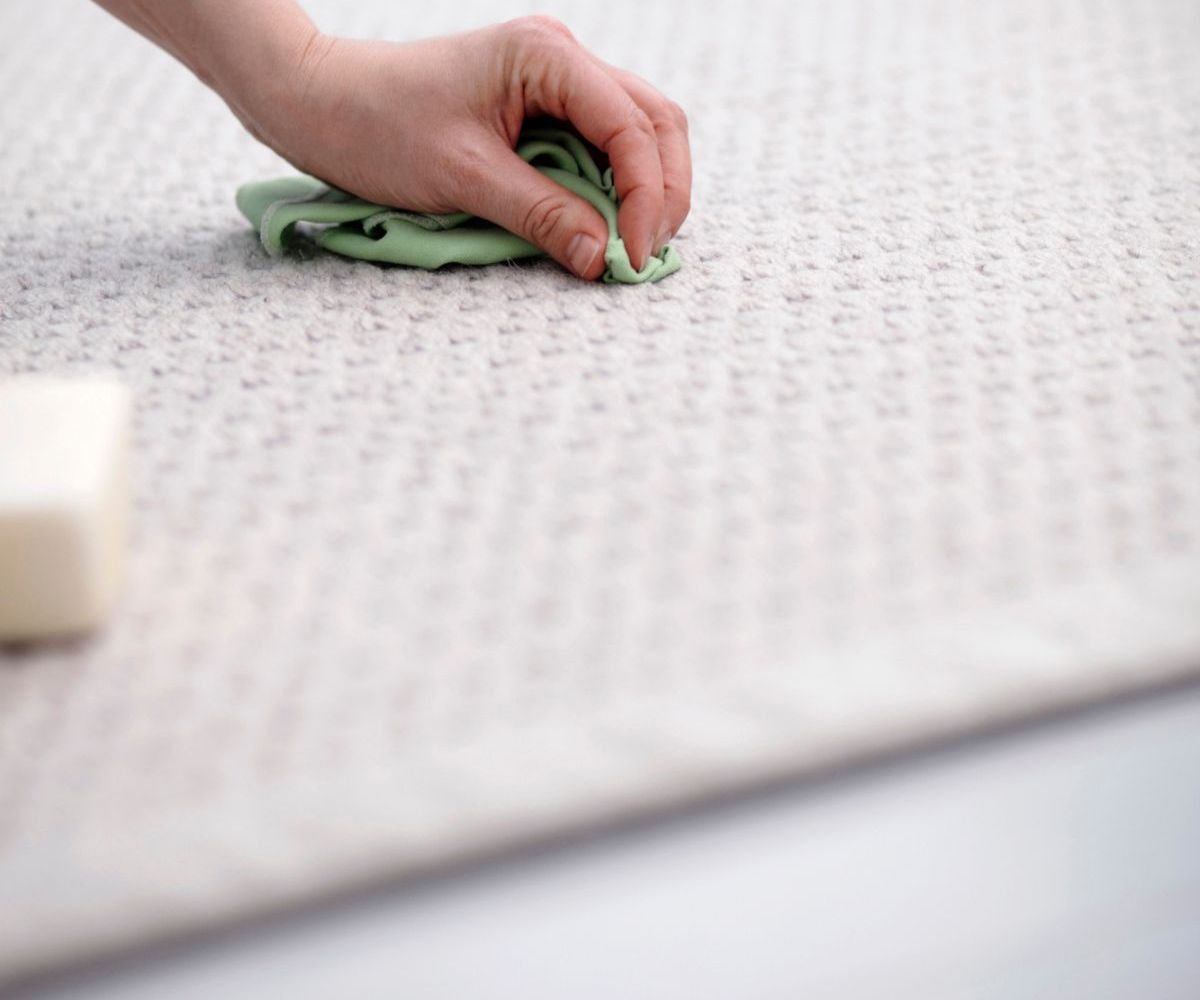
- how stains should be treated
- how the rug should be dried
- whether professional cleaning is recommended
The word “washable” does not always mean machine-washable. A large rug that can be washed with water may also become too heavy to handle and dry conveniently at home.
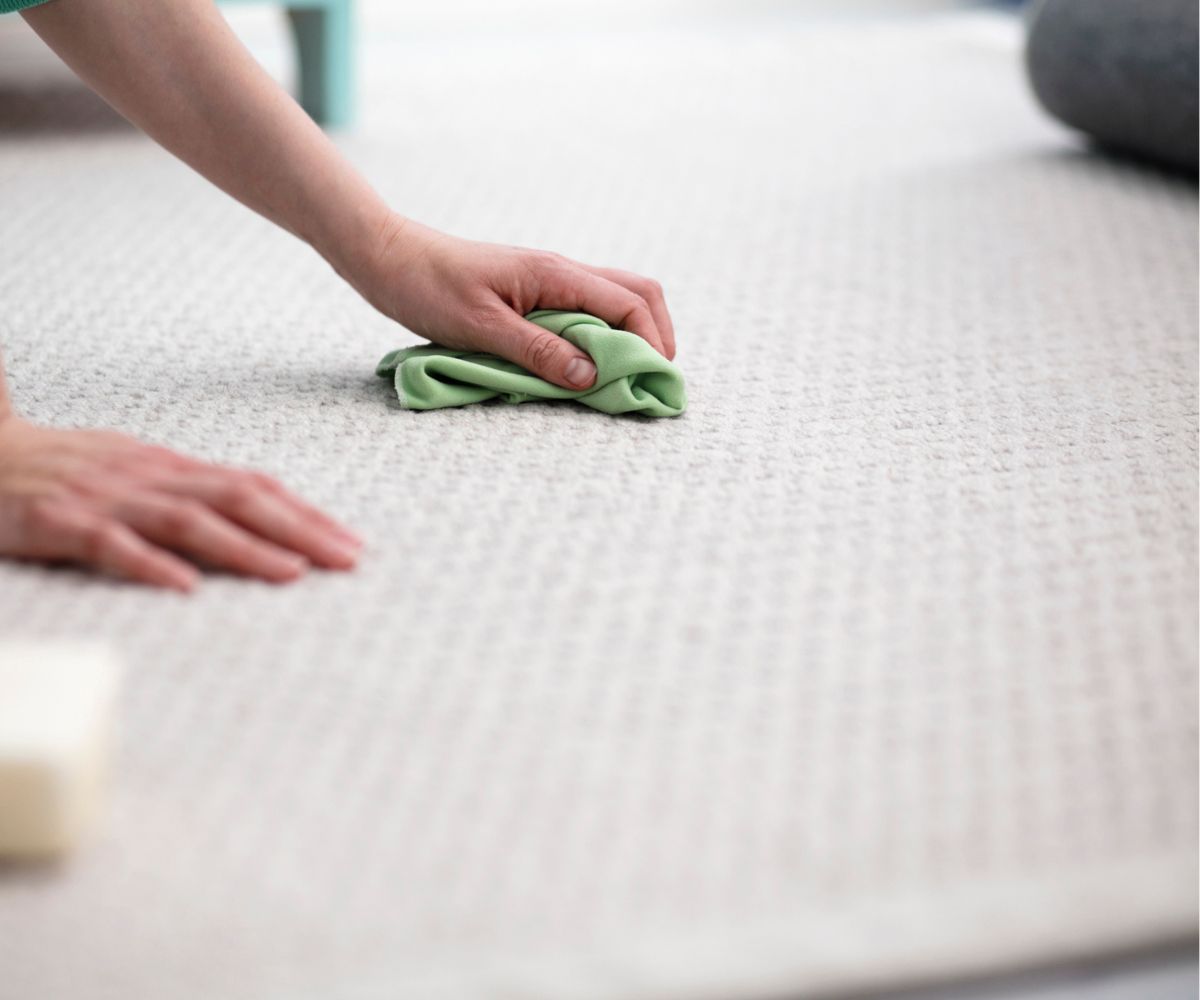
Read the care instructions before purchasing rather than waiting until the first spill. This helps you determine whether the required maintenance fits your household.
For broader product-specific guidance, see the rug care instructions.
Compare Your Options Systematically
When an online shop offers a large selection, save a few favourites and compare them using the same criteria.
Begin with three suitable options:
| Feature | Rug 1 | Rug 2 | Rug 3 |
|---|---|---|---|
| Size | |||
| Material | |||
| Surface | |||
| Total thickness | |||
| Backing | |||
| Care instructions | |||
| Colour undertone | |||
| Sample available | |||
| Suitability for the room |
This prevents the decision from being based entirely on one attractive image. If two rugs look equally suitable, practical maintenance, the correct size or a more appropriate surface may help determine the better option.
When Is It Worth Seeing a Rug in Person?
Buying online can work extremely well, but seeing a rug in person may be useful in certain situations.
A physical comparison can be particularly helpful when:
- the difference between two shades is very subtle
- the softness of the surface is important
- you are unfamiliar with the material
- you are choosing between a low and deep pile
- you want to understand the rug’s physical scale
- the rug is very large or made to custom measurements
- you need help comparing several alternatives
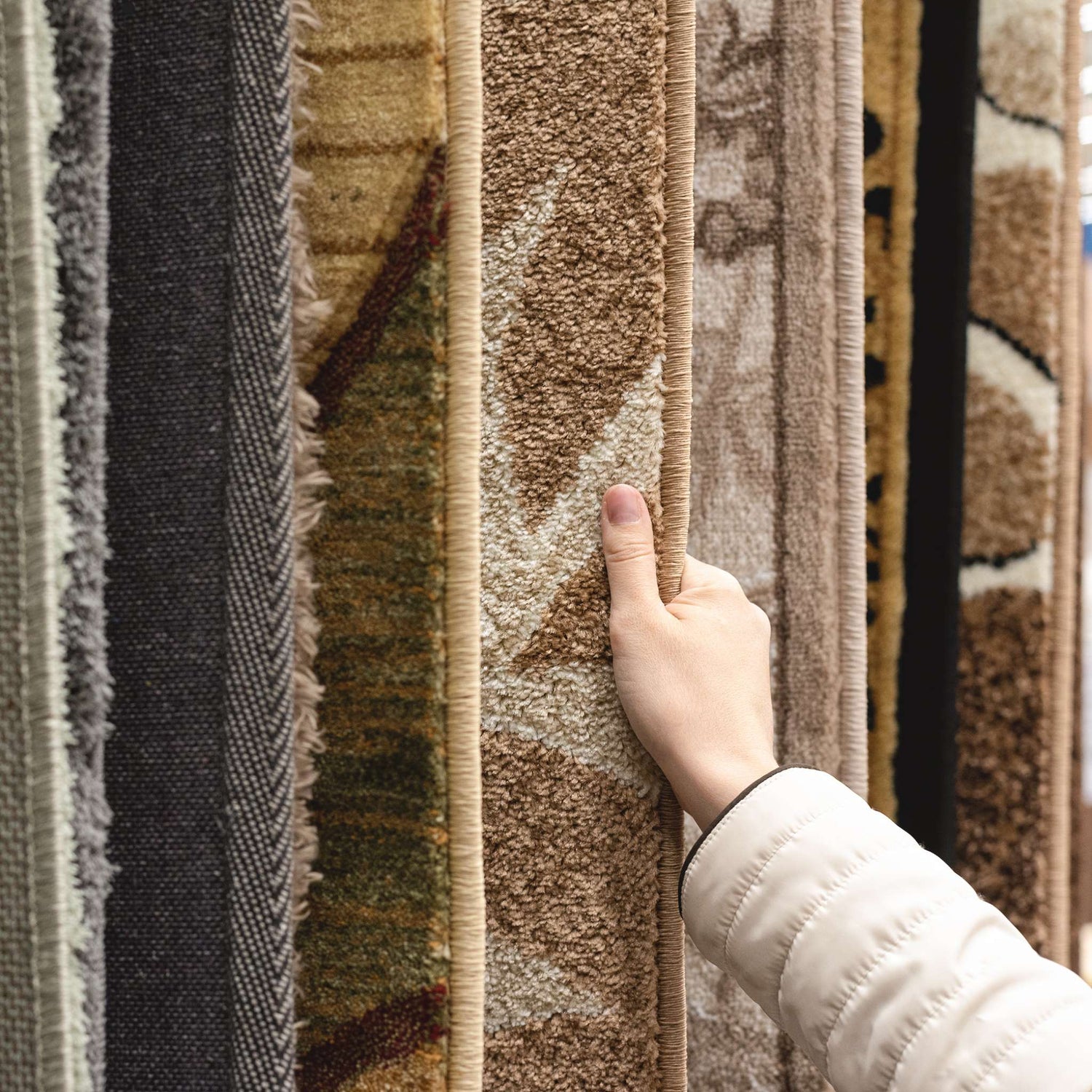
Our experience of presenting rugs online and in physical stores has shown that the two channels support different parts of the decision. An online selection makes it possible to compare many colours, sizes, materials and constructions efficiently. A physical store makes it easier to examine the texture, density, colour and scale directly.
Not every online product, colour or size will necessarily be displayed in a particular physical location. If you want to see a specific rug, its availability should be confirmed before travelling.
Online and physical shopping do not need to be treated as competing options. You can narrow down the alternatives online and then examine the surface or colour in person. Alternatively, you can see a material in a store and later order the correct size online.
Common Mistakes When Buying a Rug Online
Choosing the size from an interior photograph
The rug in a styled photograph may be a different size from the product you have selected. Measure your room and mark the rug area on the floor.
Judging the colour from one image
A single photograph cannot show how a colour will appear in every type of light. Examine all the images and order a sample when possible.
Treating the material name as a complete list of properties
The fibre alone does not describe the surface, thickness, backing or permitted cleaning method. Read the complete product information.
Ignoring care instructions until later
A rug may look ideal, but its cleaning requirements may not suit your household. Review the care instructions before ordering.
Forgetting thickness and door clearance
Measure the space between the floor and the bottom of a door when the rug will sit nearby. Include the thickness of any underlay.
Choosing a smaller rug simply to be safe
The smaller size is not automatically the safer choice. It can look disconnected and leave the room feeling less cohesive.
Not asking for missing information
If the surface feel, shade, thickness or another missing detail could change your decision, ask customer service before ordering.
Checklist Before Ordering a Rug Online
Before completing your order, check that:
- I have defined how the rug will be used.
- I have measured the room and the furniture.
- I have marked the planned rug size on the floor.
- I have checked doors, drawers and walking routes.
- I have examined all available product images.
- I know which rug size is shown in the interior photograph.
- I have read the material and surface information.
- I have checked the rug’s total thickness.
- I have reviewed the backing and possible need for an underlay.
- I have read the product-specific care instructions.
- I know which washing method is permitted.
- I have compared the colour with the floor and furniture.
- I have checked whether a sample is available.
- I have compared at least two suitable alternatives.
- I have reviewed the current shipping, exchange and return terms.
- I have asked customer service to confirm any decisive missing information.
Frequently Asked Questions About Buying a Rug Online
How can I tell whether the rug is the right size?
Measure the room and furniture, then mark the rug’s dimensions on the floor with painter’s tape. Check its relationship with the sofa, tables, chairs, doors and walking routes. Do not rely solely on the product photograph.
How should I evaluate a rug colour on a screen?
Examine every available photograph and, if possible, view them on more than one screen. Consider the lighting and undertones of the room. Order a sample when one is available.
Is it worth ordering a rug sample?
A sample is useful when the colour undertone, feel or surface structure is important. It can be especially valuable when comparing similar shades or choosing a custom-size rug.
What should I do if an important measurement is missing?
Do not estimate a decisive measurement from a photograph. Ask customer service to confirm it before placing the order.
Is a larger rug always better?
Not always. A sufficiently large rug helps connect the furniture, but it must still work with doors, walking routes and the proportions of the room. Mark at least two possible sizes on the floor and compare them.
Can I trust the colour shown in an online photograph?
Product photographs are an important starting point, but screens and room lighting reproduce colours differently. Examine several images, read the colour description and use a sample when possible.
Do I need to see a rug in person before buying it?
Not necessarily. Detailed product information, careful measuring and a material sample can support a successful decision. Seeing the rug in person can still be useful when its exact colour, texture or construction is particularly important.
How to Choose the Right Rug Online
A successful rug purchase begins with the room rather than the product listing. When you understand the intended use, required size, preferred surface and realistic maintenance requirements, comparing rugs becomes much easier.
Bring the dimensions into your home by marking the rug area on the floor. Evaluate the colour using several photographs and, when possible, a sample. In addition to the material, review the surface, thickness, backing, edges and product-specific care instructions.
Experience of selling and presenting rugs both online and in physical stores has shown why each method has value. An online shop makes it possible to compare a wide range of sizes, colours, materials and styles at your own pace. A physical comparison can help you understand the colour, texture and construction. A sample brings part of that physical comparison into your home.
Once you have measured the room and defined your most important criteria, you can explore the complete rug selection and narrow down the alternatives by size, colour, material and intended use.
The best rug purchased online is not simply the one that looks attractive in a photograph. It is the right size for the room, suitable for the way the space is used, comfortable for its intended purpose and practical to maintain as part of everyday life.